BLOG & NEWS
7 Lighting Shifts That Will Define Luxury Interiors in 2027
7 Lighting Shifts That Will Define Luxury Interiors in 2027
Lighting is becoming less about what is visible and more about what is experienced. In high-end interiors, technology is increasingly integrated into architecture, decorative fixtures are taking on a more sculptural role and carefully controlled light is being used to shape atmosphere, depth and perception.
The result is a new approach to luxury lighting: more architectural, more atmospheric and increasingly personal.
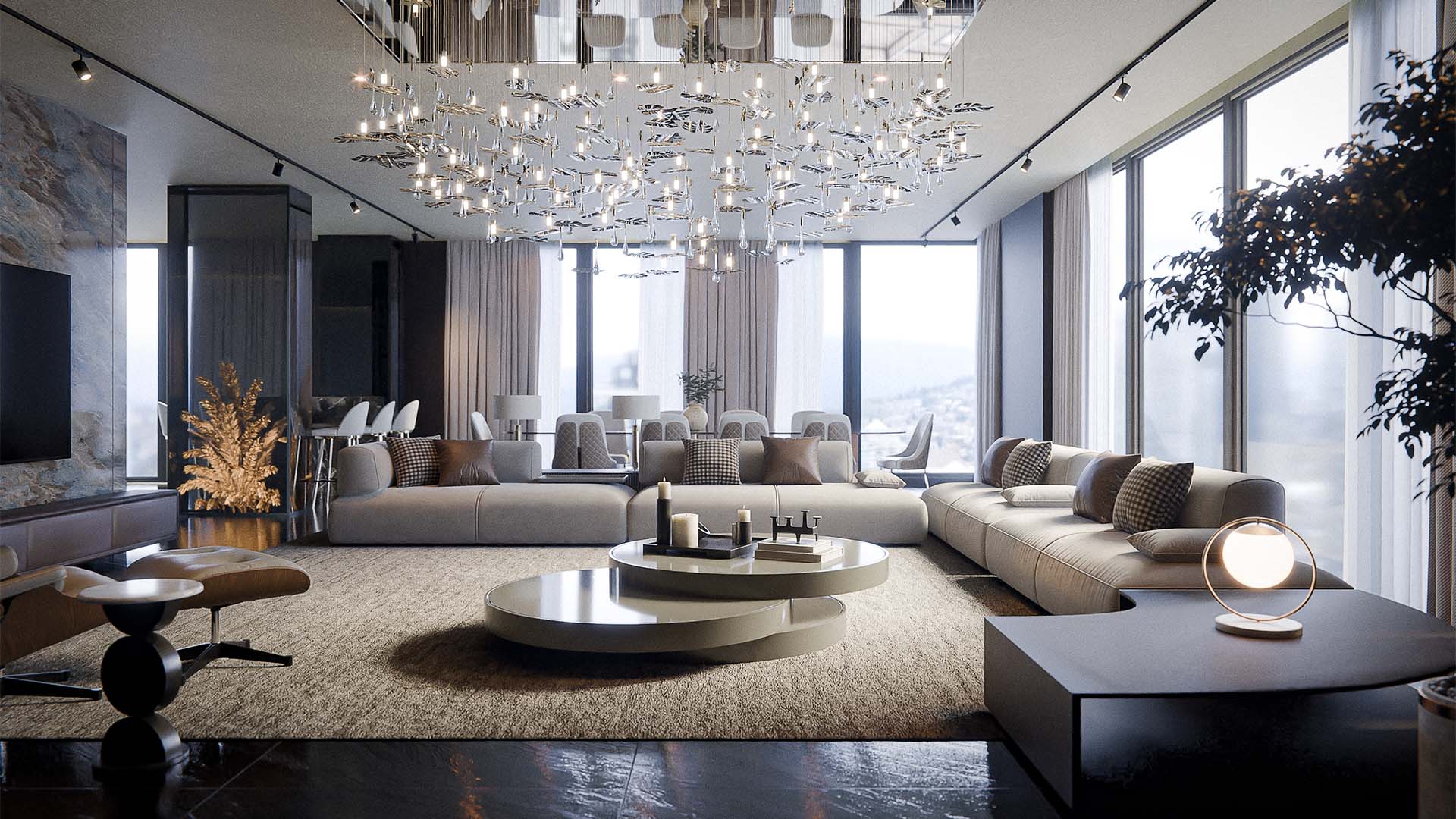
See Also: Luxury Lighting for Low Ceilings: How to Create Impact Without Losing Space
1. Is the Recessed Spotlight Finally Disappearing?
The ceiling filled with identical downlights is beginning to feel increasingly predictable. In its place, architects and lighting designers are turning to trimless apertures, concealed linear lighting and integrated details that allow illumination to exist without making the light source the visual focus.
This does not mean that recessed spotlights are disappearing entirely. Instead, their role within the lighting scheme is becoming more considered. Rather than relying on rows of identical fixtures to illuminate an entire room, designers can combine discreet architectural lighting with decorative and accent sources, creating a more layered and visually balanced interior.
The goal is not to remove light from the room, but to remove unnecessary visual clutter from the ceiling and allow the architecture to take centre stage.
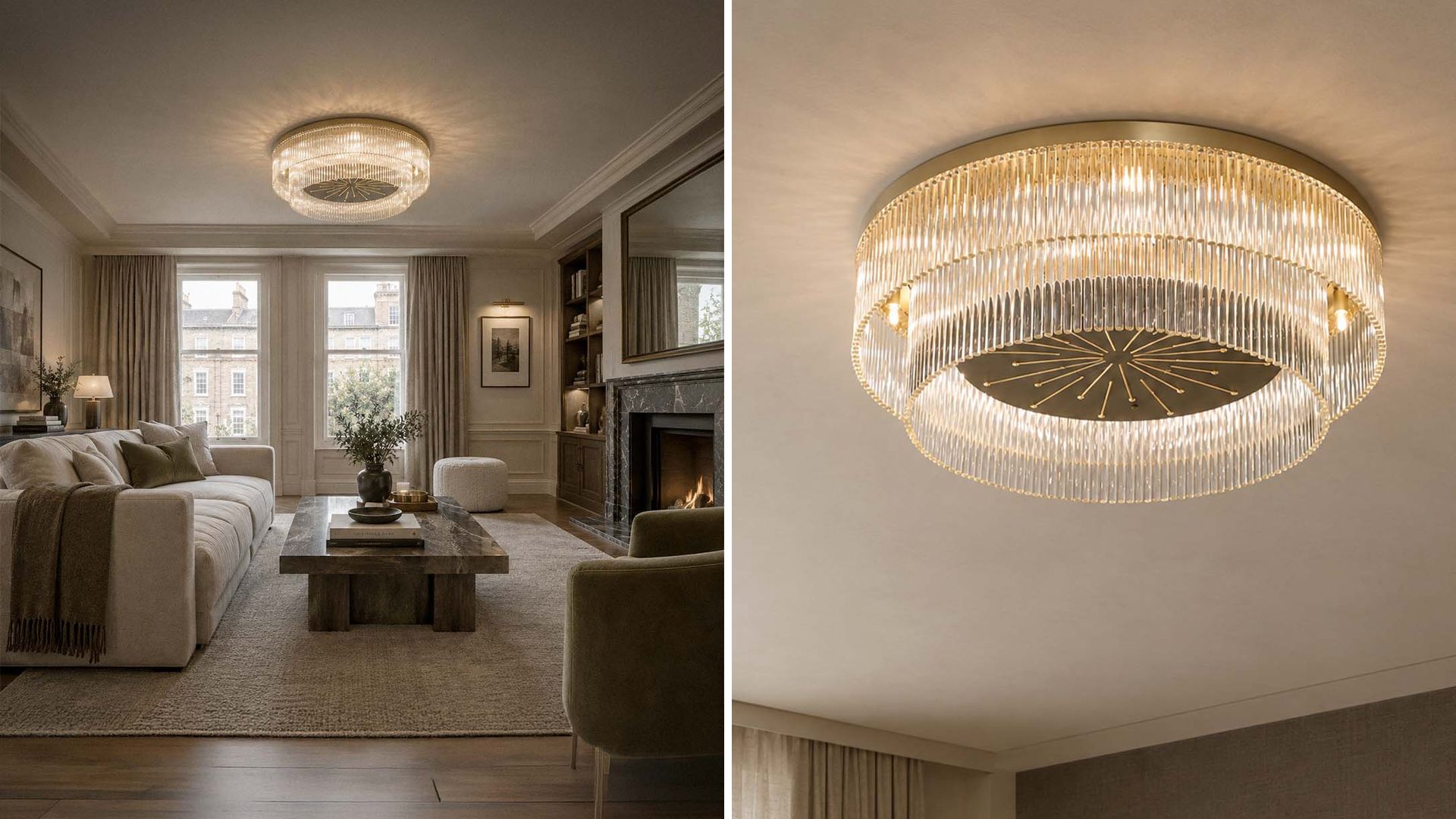
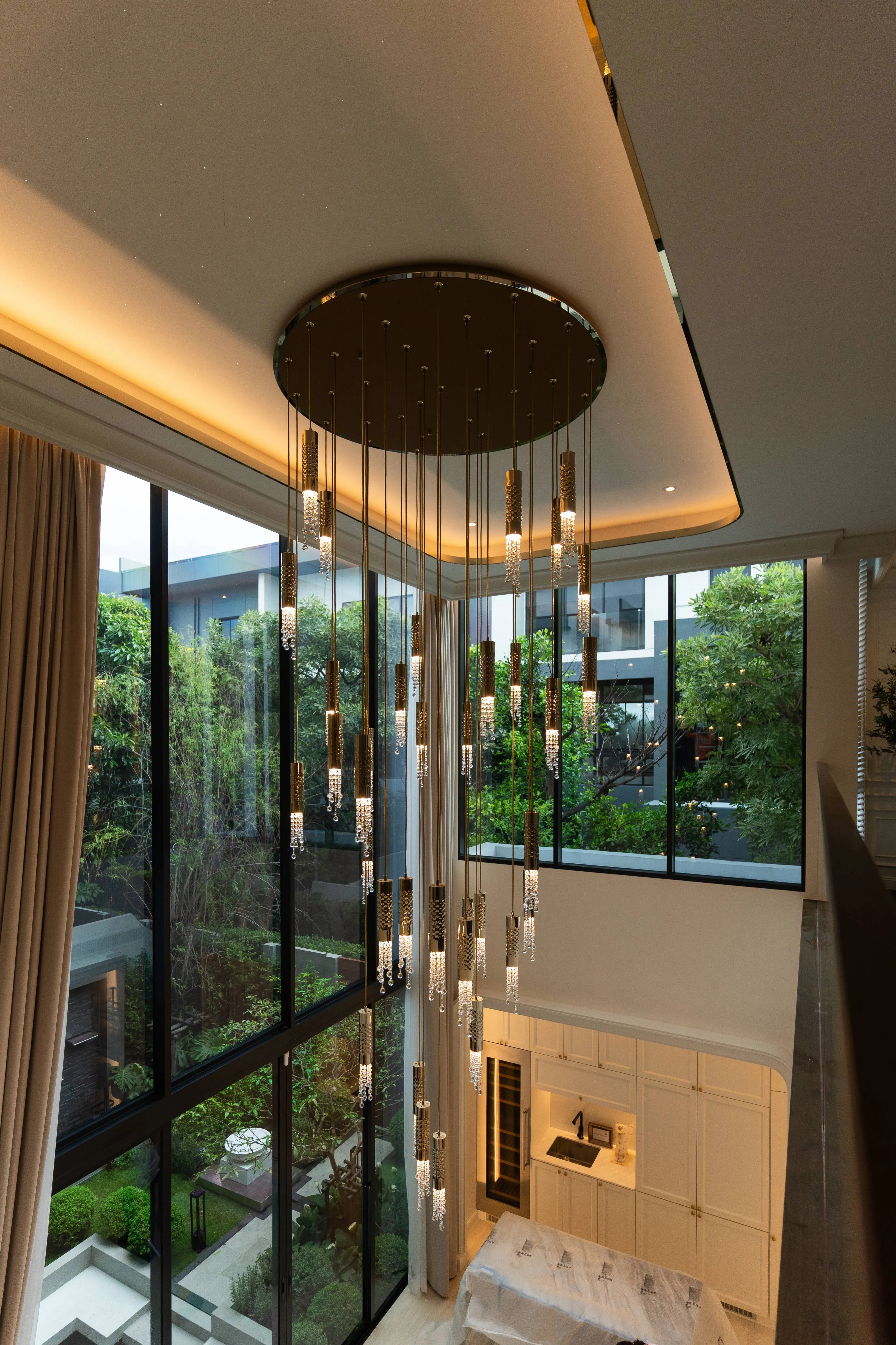
Breeze Suspesion | Castro Lighting
2. What If Your Lighting Followed the Sun?
Smart lighting is moving beyond the simple dimmer. Systems that respond to the time of day can gradually adjust intensity and colour temperature, creating interiors that change with the natural rhythm of daylight.
During the day, brighter and cooler light can complement the qualities of natural daylight, while warmer and softer illumination can create a different atmosphere as evening approaches. Instead of keeping a room visually static from morning to night, this approach allows lighting to evolve throughout the day.
For luxury interiors, this creates another level of control over atmosphere. Light becomes less of a fixed setting and more of an element that responds to time and the way a space is experienced.
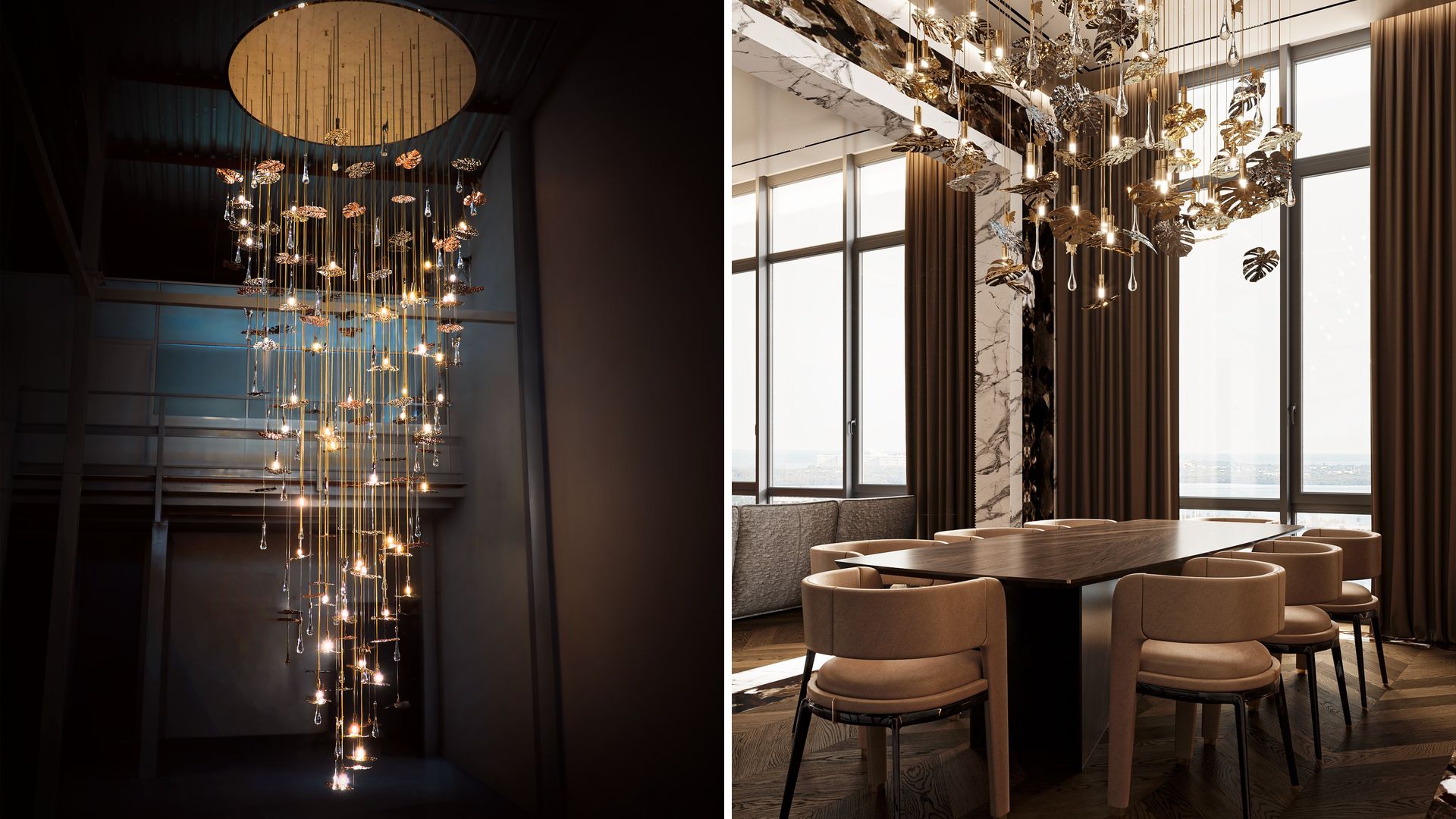
Rainforest Suspesion | Castro Lighting
3. When Does a Light Become a Work of Art?
The most memorable fixtures are increasingly designed to be admired before they are switched on. Oversized pendants, sculptural sconces and statement chandeliers can become focal points within an interior, giving lighting a presence that goes beyond its functional purpose.
Materials play an important role in this transformation. Hand-finished metals, alabaster, blown glass and other refined materials can introduce texture, reflection and depth, while distinctive forms give a fixture its own visual identity.
Lighting becomes part of the design.
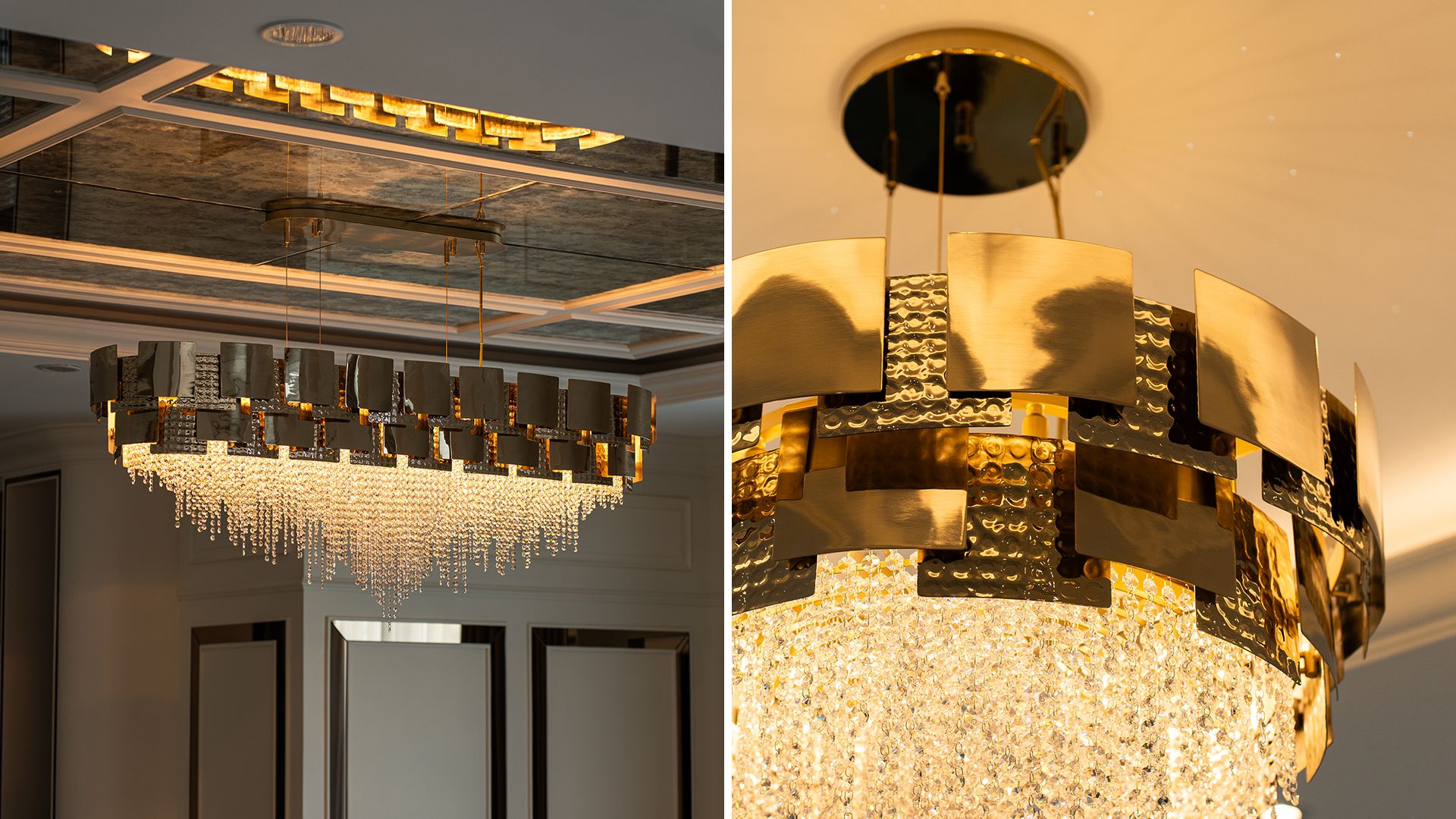
Mondrian Suspesion | Castro Lighting
4. Could Darkness Become Part of Luxury?
Luxury lighting does not necessarily mean more light. Focused pools of illumination, low-level sources and carefully protected areas of shadow can create intimacy and drama, allowing a room to feel atmospheric rather than uniformly illuminated.
The contrast between illuminated and darker areas can also influence how a space is perceived. Light can draw attention towards a piece of furniture, an architectural detail or a particular material, while areas left in shadow create depth and allow the eye to move through the room.
This approach makes darkness an active part of the lighting composition rather than simply the absence of illumination. The result can be a more nuanced and intimate atmosphere, particularly in spaces designed for evening use.
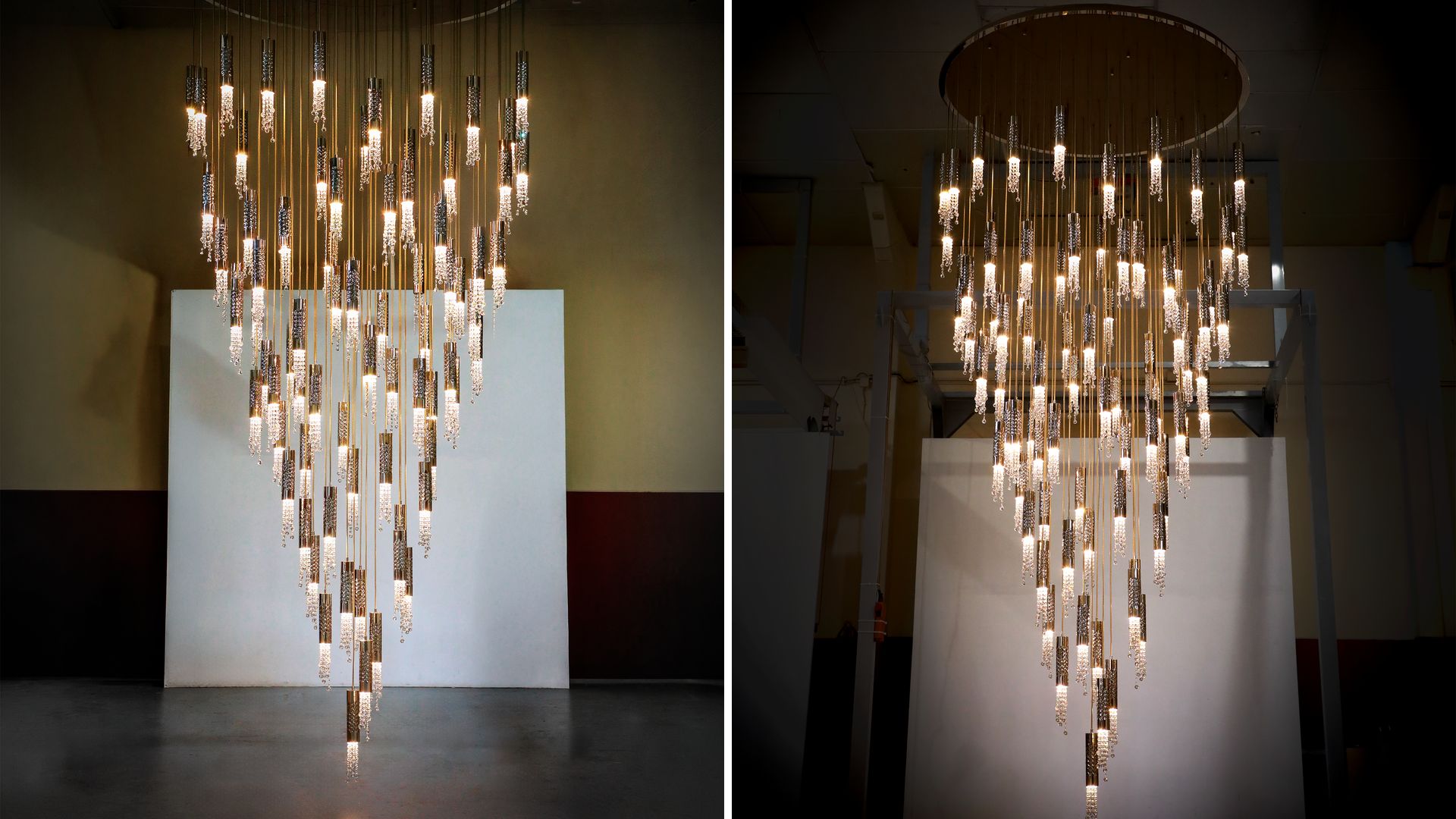
Safi Suspesion | Castro Lighting
5. What Happens When Lighting Is No Longer Tied to the Wall?
Portable lighting is becoming more sophisticated, with rechargeable and cordless fixtures offering greater flexibility over where light can be placed. Instead of being permanently connected to the architecture, some sources can move with the way a room is used.
A portable fixture can create a different atmosphere around a dining table, illuminate a reading corner or extend the lighting scheme onto a terrace without requiring changes to the electrical installation. This can be particularly useful in interiors where flexibility is part of the design.
Rather than replacing architectural lighting, portable pieces add another layer to it. They allow designers and homeowners to adjust the position and presence of light according to different moments, layouts and activities.
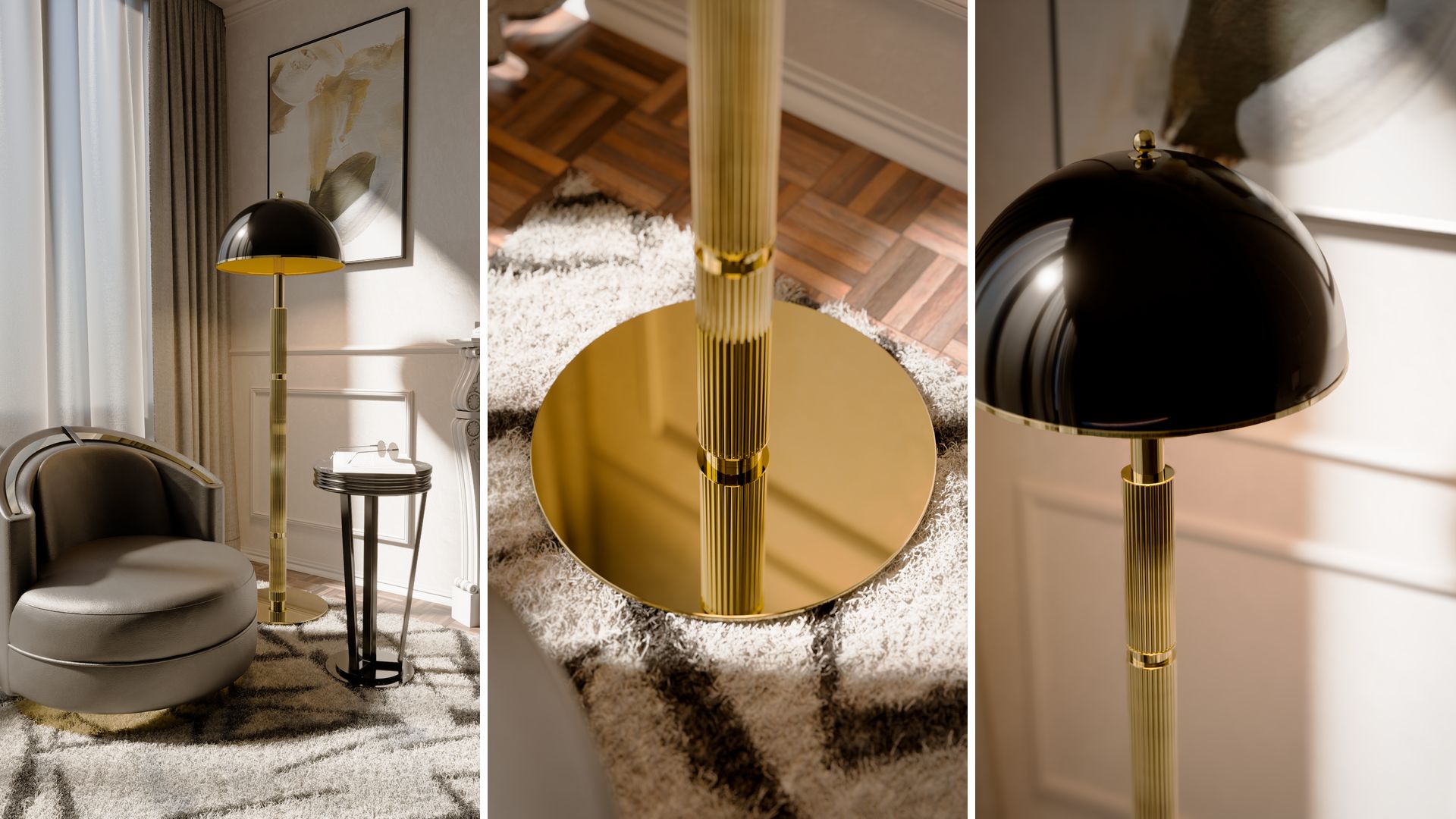
Elea Floor Lamp | Castro Lighting
6. What Happens When Light Touches the Surface?
Light can reveal architecture just as much as it illuminates it. Grazing a textured wall, stone surface or fluted timber can emphasise depth, craftsmanship and material variation that might otherwise remain almost invisible.
The effect becomes particularly noticeable when light interacts with materials that have texture or irregularity. Small changes in the direction or intensity of illumination can reveal shadows, contours and details across a surface, changing the way the material is perceived.
This makes the relationship between lighting and materials an important part of interior design. Rather than treating light as something separate from the architecture, designers can use it to reveal the qualities that already exist within the space.
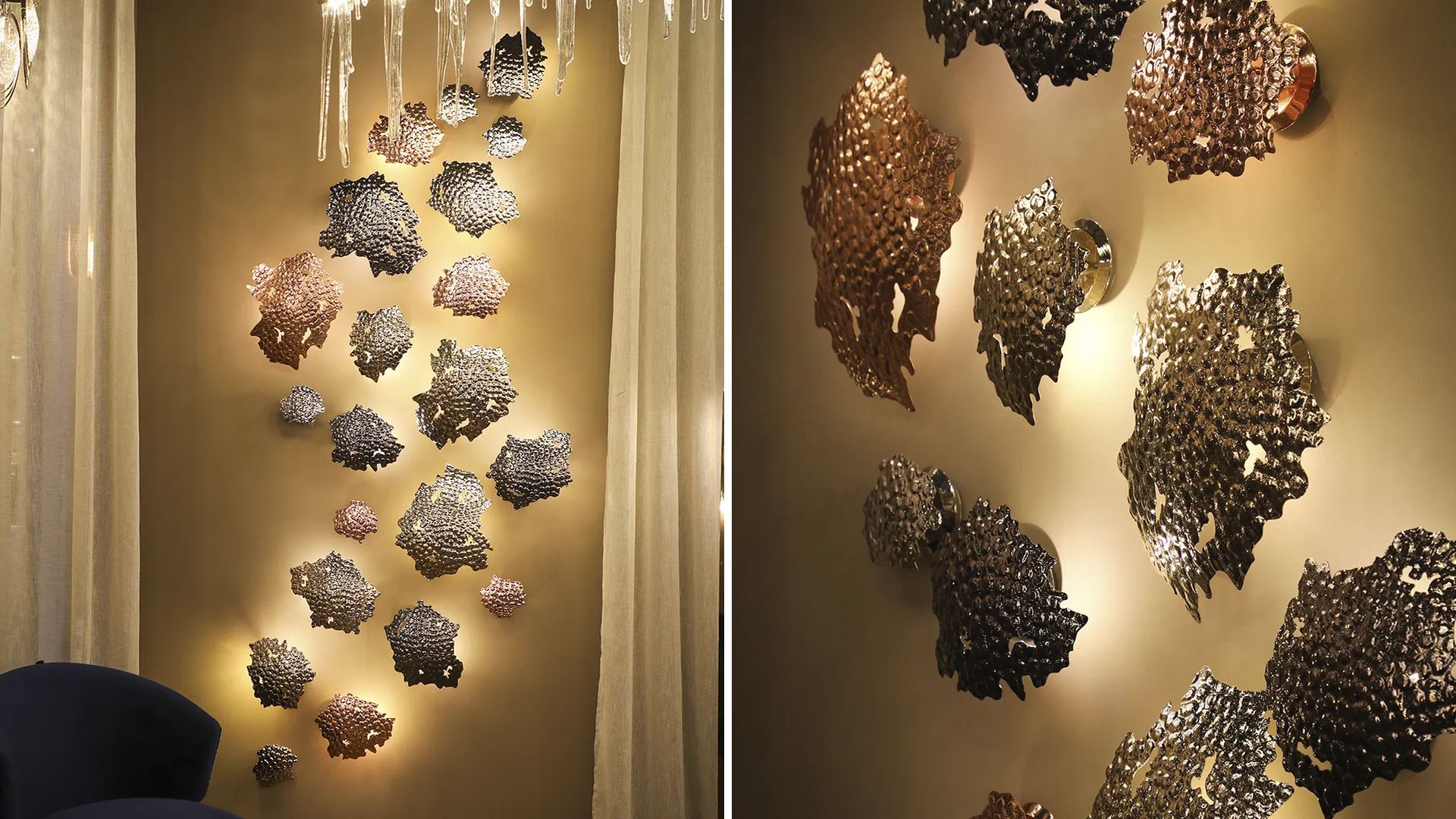
Magma Wall Light | Castro Lighting
7. Will the Future of Lighting Be Designed Around You?
The traditional dimmer is evolving into something more responsive. Different lighting scenes can transform an interior for dinner, entertaining, relaxation or late evening, making the atmosphere of a space as adaptable as the people using it.
A single room can therefore accommodate very different experiences without changing its architecture or furniture. Brighter ambient lighting can support social occasions, while more focused and subdued sources can create a quieter atmosphere later in the evening.
This approach puts greater emphasis on how an interior is lived in. Instead of designing one fixed lighting scheme, designers can create different combinations of light that respond to the activities and atmosphere a space needs at different moments.
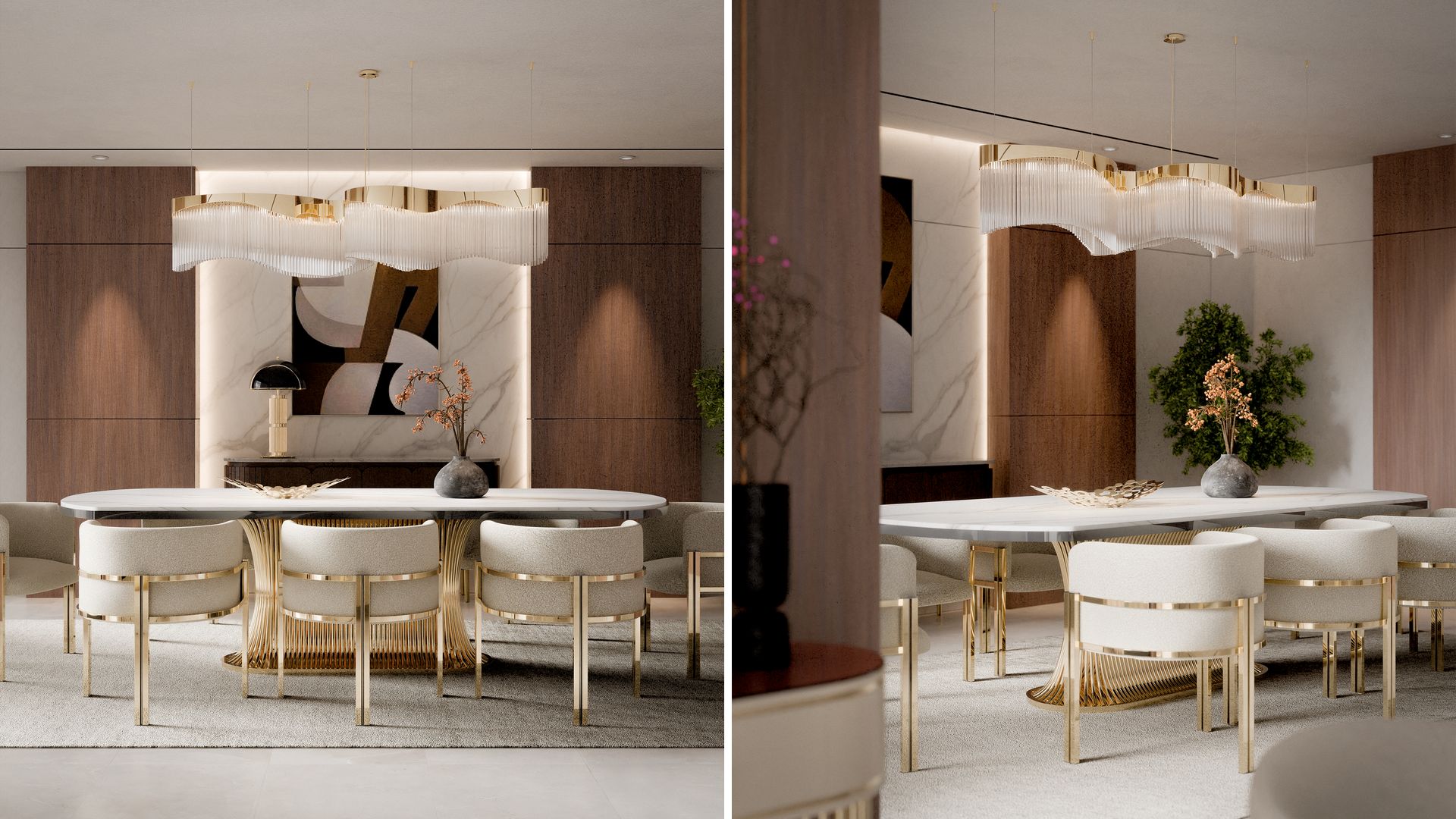
Flow Suspension | Castro Lighting
The Bigger Shift
The most interesting development in luxury lighting is not a particular fixture, finish or technology. It is the move from lighting the room to designing the experience of the room.
As lighting becomes more integrated into architecture, more expressive in its forms and more responsive to the people using a space, its role within interior design continues to expand. It can reveal materials, create atmosphere, establish focal points and transform the perception of the same room throughout the day.
In 2027, luxury lighting will be about more than making an interior visible. It will be about shaping how that interior feels.
Related Articles
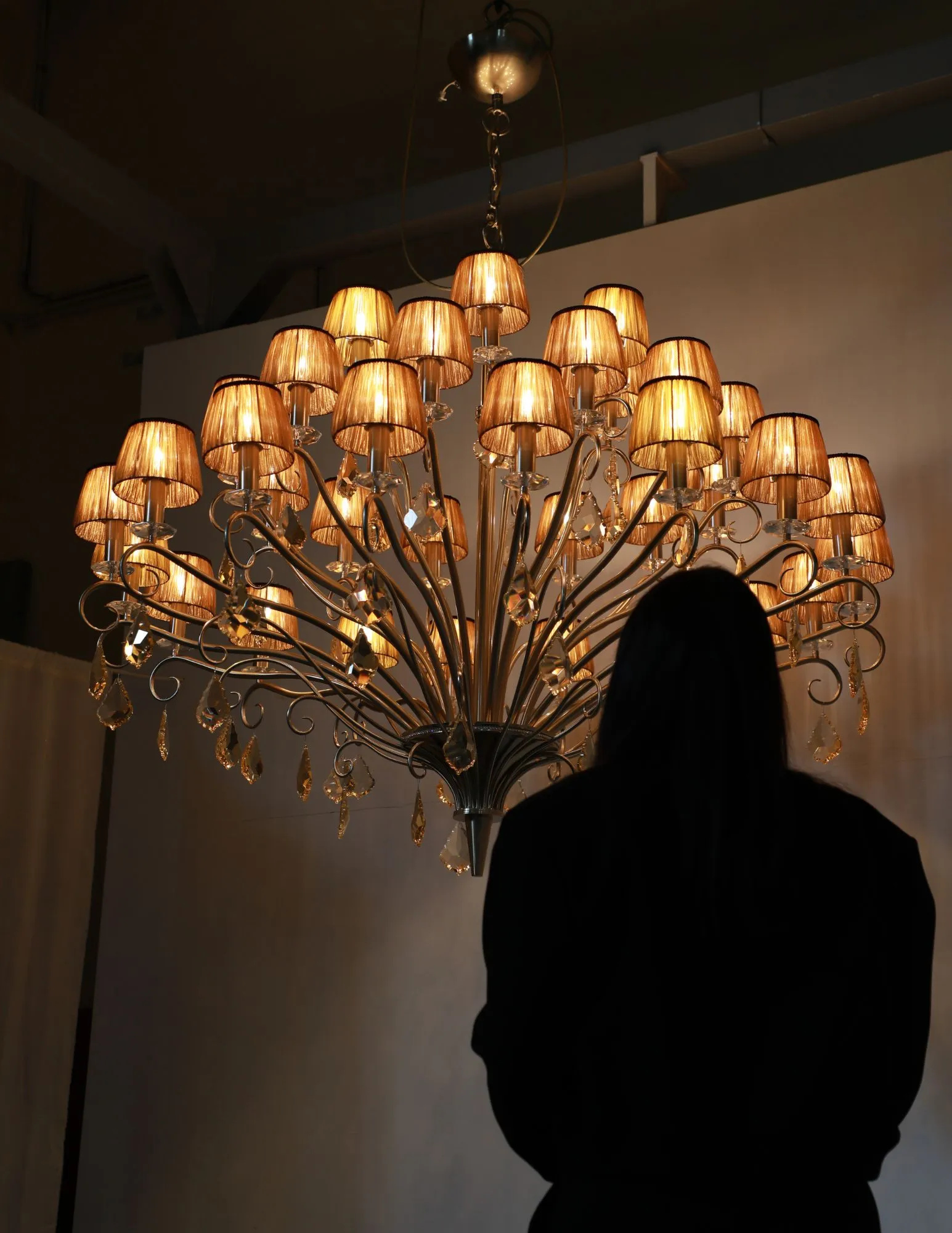
Classic Chandeliers: How Timeless Lighting Shapes Luxury Interiors
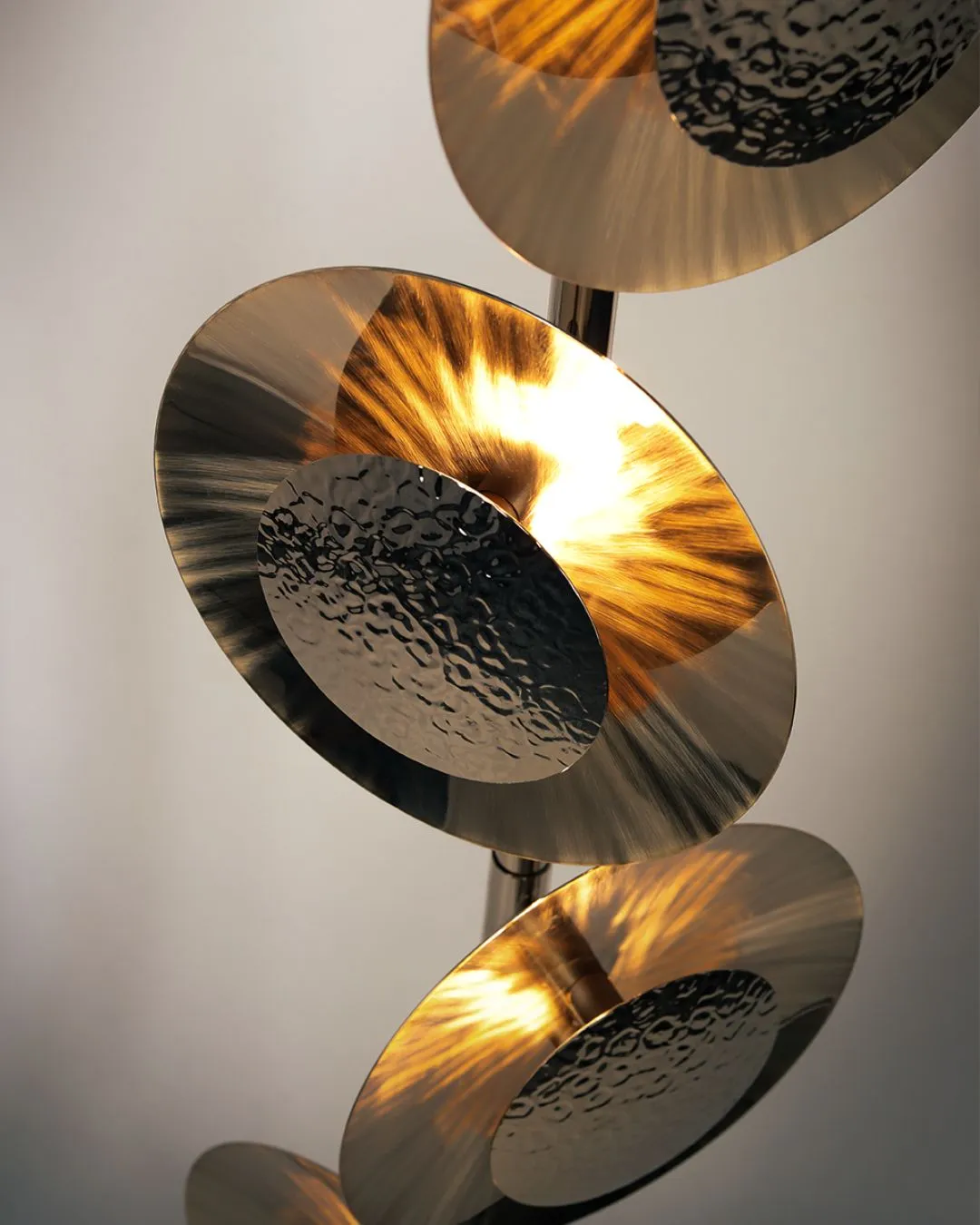
From Solar Eclipse to Interior Design: How Nature Inspires the Spaces We Create
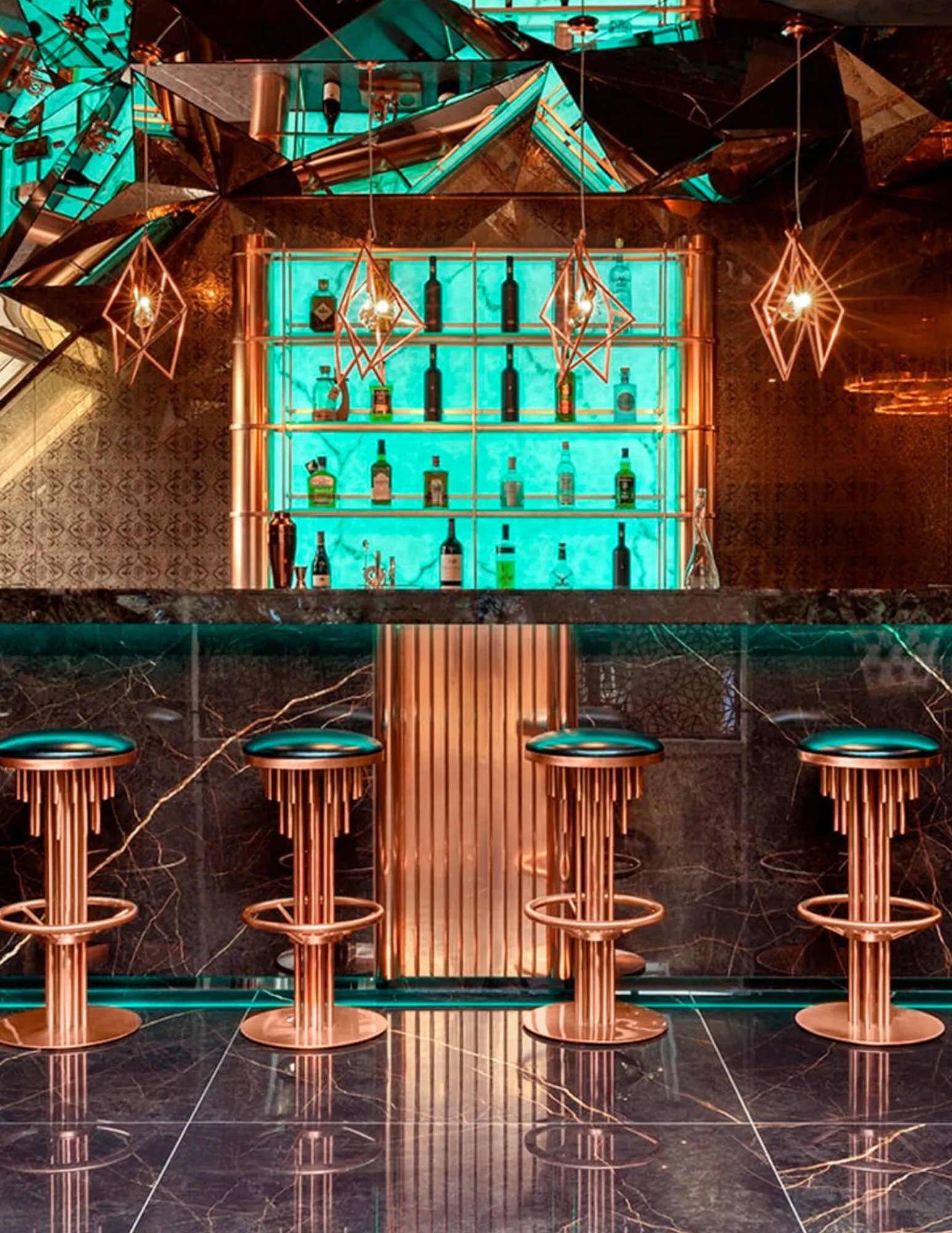
Luxury Bar Stool: A Statement of Sophisticated Design
Inside EDesign Studio: A Journey of Design, Identity, and Timeless Interiors
An Interview with Alina, Founder of EDesign Studio

Estella Prestige: Creating a Language of Light and Luxury
An Interview with Mam Mata, Founder of Estella Prestige
Inside IDS Vancouver 2026: The Ultimate Guide to the Event
Luxury Lighting for Low Ceilings: How to Create Impact Without Losing Space
IDS Vancouver 2026: Interior Design Trends Shaping This Year’s Show
Top Luxury Hotels in Vancouver: 10 Iconic Stays to Experience
Is Quiet Luxury Over? Inside the Shift Defining 2027

The New Value of “Made in Portugal”: When Louis Vuitton Puts Portugal on the Label