
BLOG & NEWS
The New Value of “Made in Portugal”: When Louis Vuitton Puts Portugal on the Label
The New Value of “Made in Portugal”: When Louis Vuitton Puts Portugal on the Label
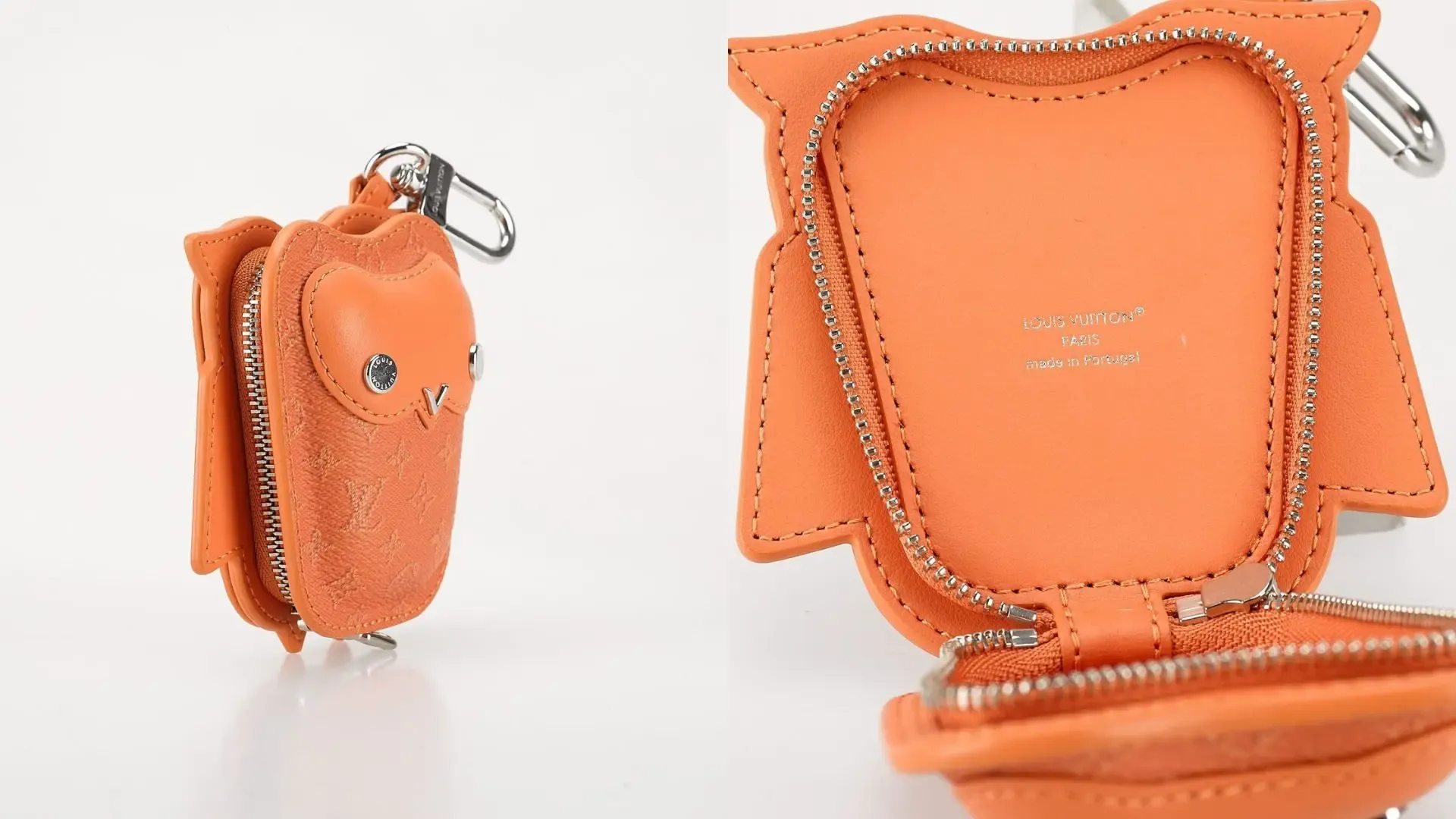
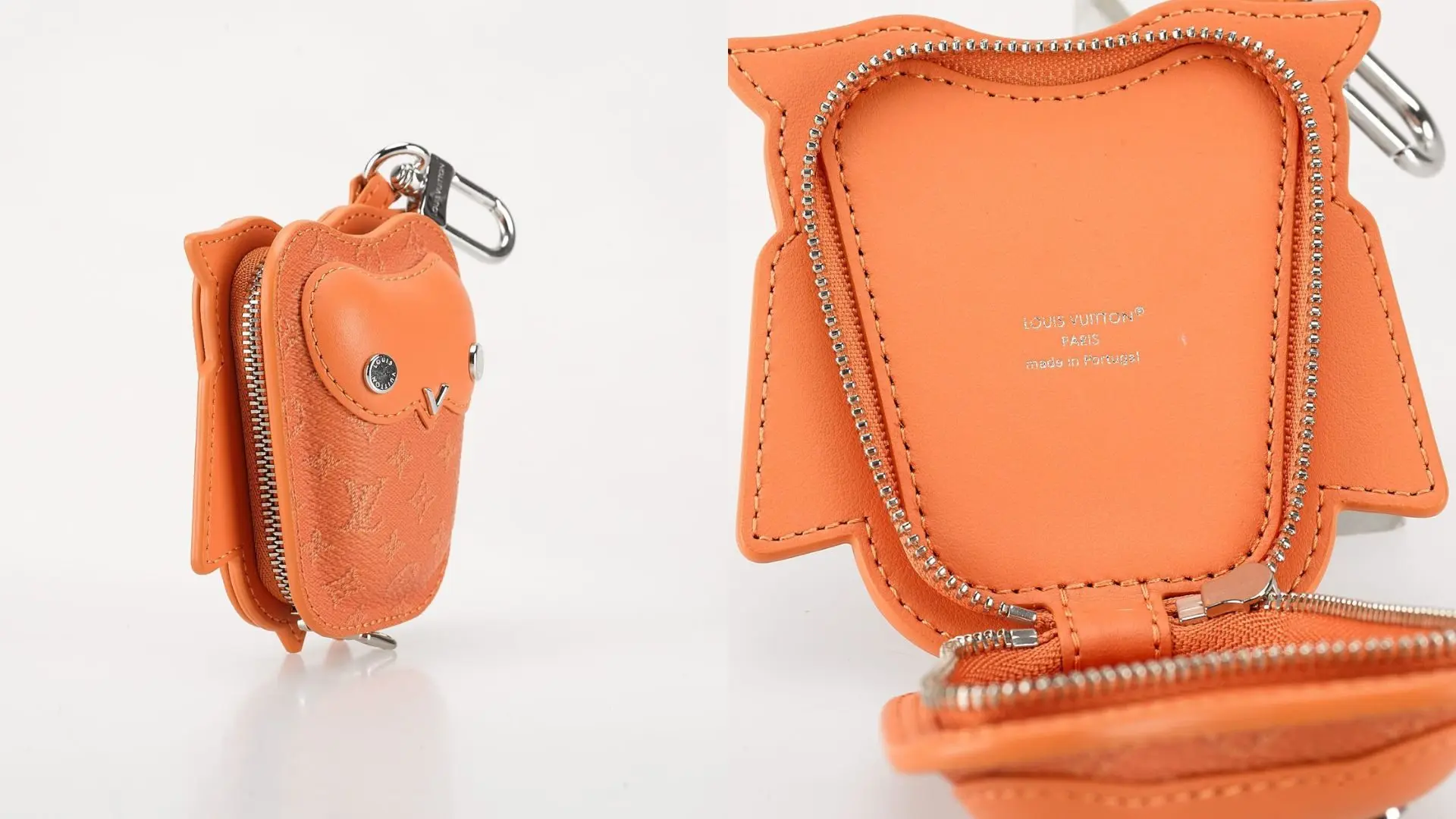
Portugal is strengthening its position in the global luxury production landscape, and one of the latest signs comes from an unexpected detail: a Louis Vuitton leather accessory carrying the designation “Made in Portugal.”
For years, international luxury houses have relied on Portuguese manufacturers, particularly for leather components and specialised production. Yet, when final assembly took place elsewhere, notably in Italy, Portugal's role remained largely invisible to the final consumer. The appearance of a Portuguese origin label on selected products signals a subtle but important change: Portuguese production is becoming more visible within the luxury value chain.
One recent example is a small leather accessory from Louis Vuitton carrying the “Made in Portugal” designation. According to reporting on the subject, the Portuguese manufacturer behind the product appears to be Atapeli, a company in which the French maison invested in 2011. Since then, the company has expanded its operations across several locations in northern Portugal, including Penafiel, Ponte de Lima, Lousada and Santa Maria da Feira.
The significance of this development extends beyond a single product. It reflects the growing recognition of Portugal's manufacturing expertise by some of the world's most prestigious luxury houses.
Source: Imagens de Marca
See also: What the First Electric Ferrari Reveals About the Future of Luxury Design
Why Louis Vuitton's “Made in Portugal” Matters
The relationship between Portugal and international luxury is not new. Portuguese companies have spent decades developing specialised knowledge in leather, footwear and other areas of high-end manufacturing, often working for international brands without the country of production being visible on the final product.
The distinction is important. When production takes place in Portugal but the final stages are completed elsewhere, the Portuguese contribution can remain largely behind the scenes. When the finished product carries a “Made in Portugal” designation, the country becomes part of the product's visible identity.
In luxury, provenance has particular significance. “Made in France”, “Made in Italy” and “Made in Switzerland” have long carried associations with craftsmanship, heritage and technical expertise. Portugal's growing visibility within this landscape suggests that its own manufacturing expertise is acquiring greater recognition.
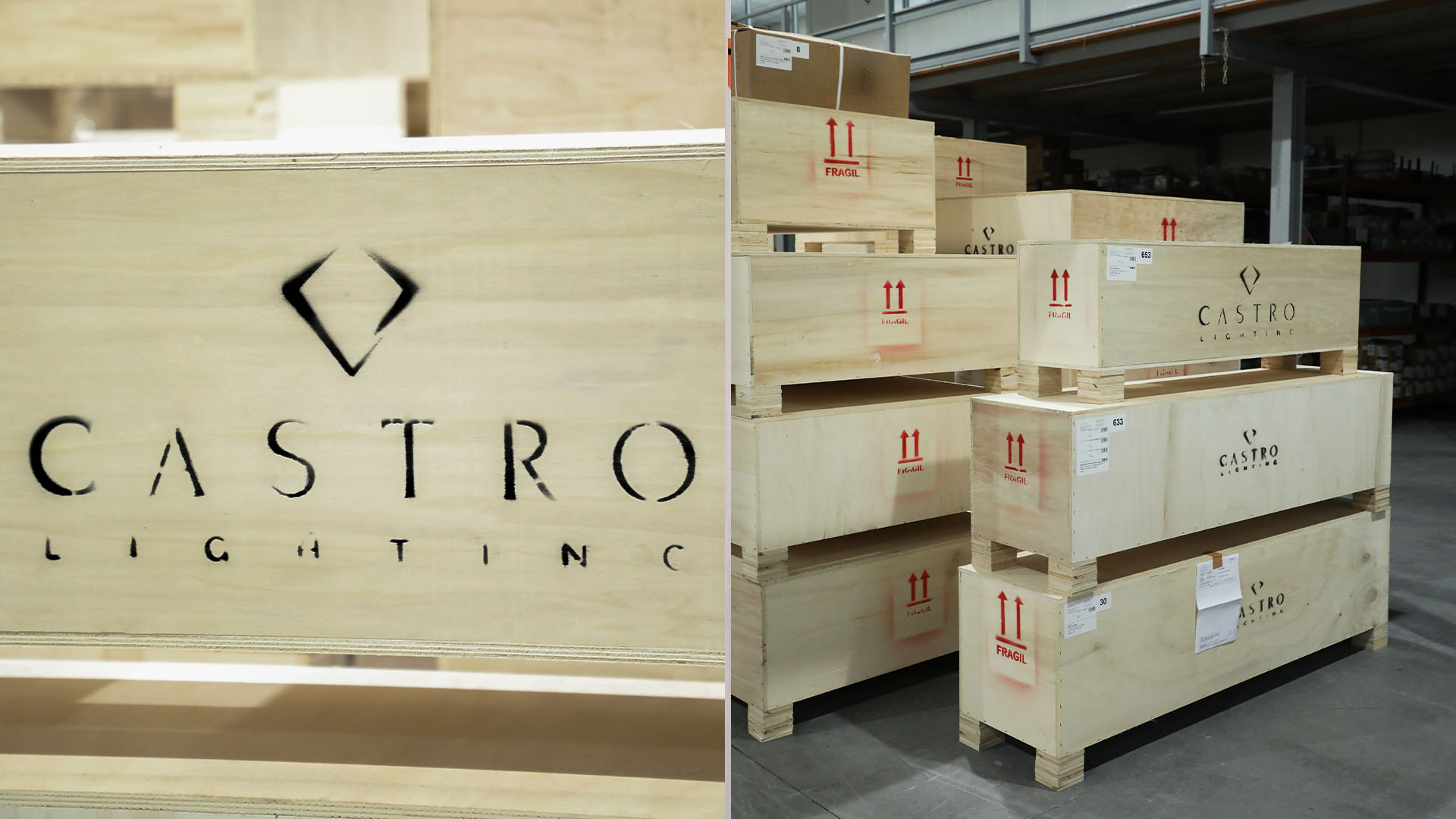
Packaging of Castro Lighting pieces
Portugal's Role in the Luxury Supply Chain
The Portuguese leather industry has become an established partner for international luxury brands, combining specialised craftsmanship with a highly developed production ecosystem.
According to APICCAPS – Associação Portuguesa dos Industriais do Calçado, Componentes, Artigos de Pele e Seus Sucedâneos, the recognition given to Portuguese production reflects the confidence that major international houses place in the country's know-how.
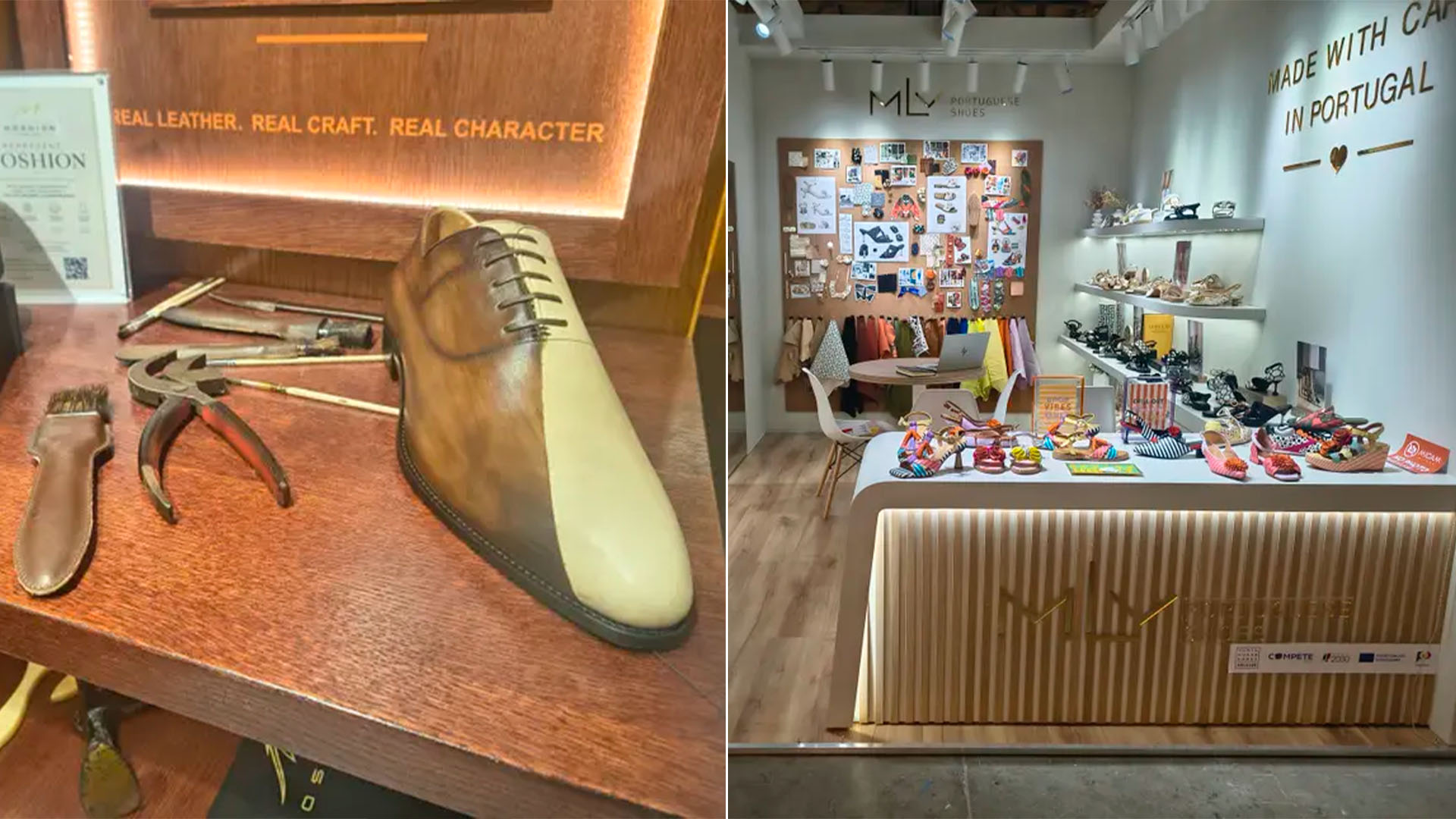
The point was also highlighted by João Rui Ferreira, Secretary of State for the Economy, during the latest edition of MICAM in Milan, one of the world's leading international footwear fairs. The event provided another opportunity to highlight Portugal's growing presence within the international footwear and leather goods industry.
The names associated with Portuguese production illustrate the scale of this relationship. Among the international luxury houses that have worked with Portuguese leather manufacturers are Cartier, Longchamp, Loewe and Rolex, alongside Louis Vuitton.
This places the Louis Vuitton example within a much broader story. Portugal is not entering the luxury supply chain; it has already been an important part of it. What appears to be changing is the degree to which that contribution is being recognised.
Source: Observador
From Portuguese Production to Portuguese Provenance
The growing visibility of “Made in Portugal” also reflects a wider change in the luxury industry. Consumers are increasingly interested in the origins of the products they buy, from the materials used to the people and processes behind their production.
In this context, country of origin can become more than a technical designation. It can contribute to the narrative and perceived value of an object.
Portugal has particular strengths in this regard. Its manufacturing industries combine generations of practical knowledge with contemporary production capabilities, allowing international brands to work with specialised suppliers while maintaining demanding standards of quality and precision.
The country's role is therefore evolving from that of a largely discreet manufacturing partner towards something more visible: a recognised source of craftsmanship and production expertise.
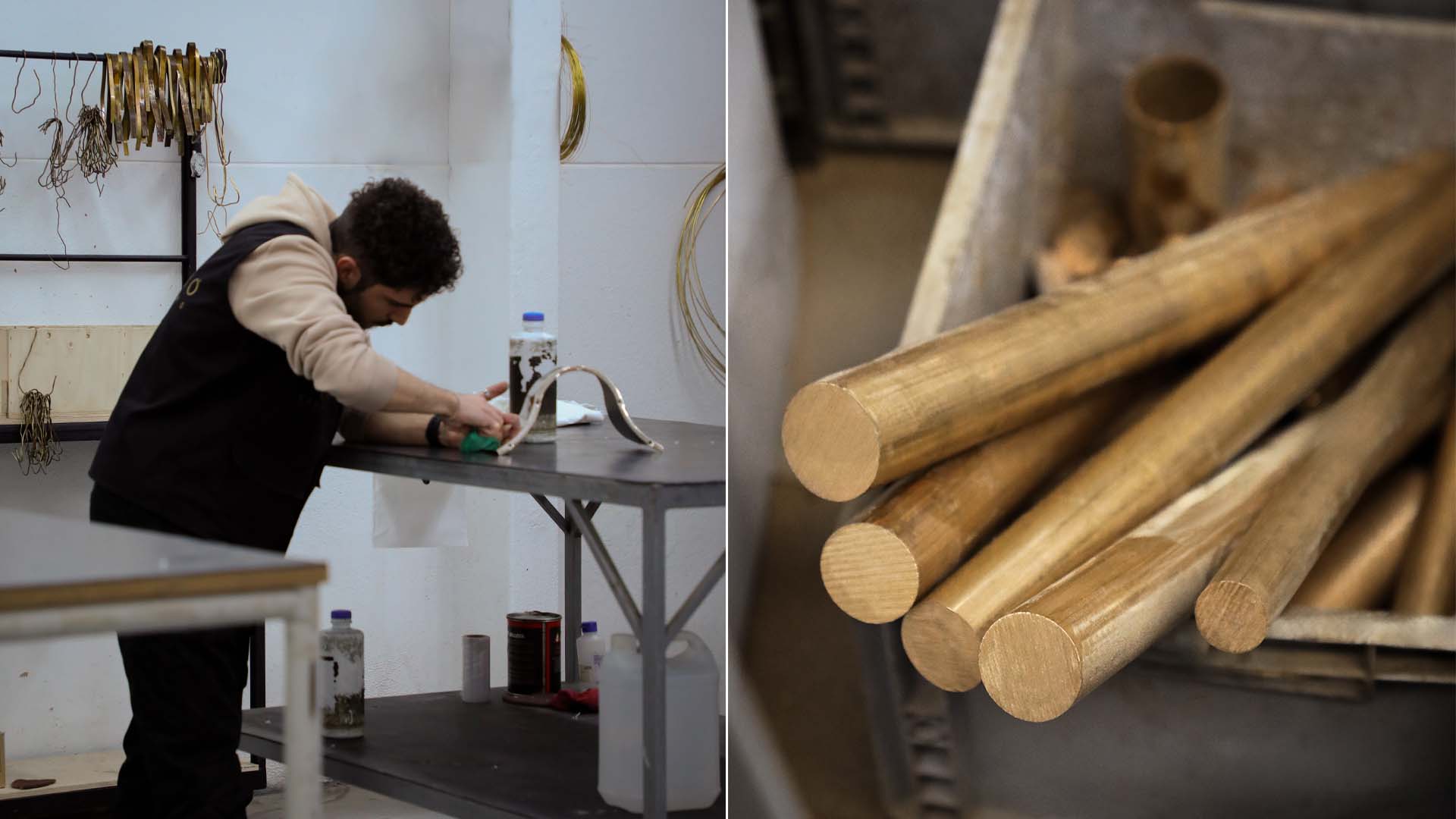
Craftsmanship at Castro Lighting
Beyond Leather and Fashion
Although the Louis Vuitton example comes from the world of leather goods, the wider story extends beyond fashion. Portuguese craftsmanship can be found across industries including furniture, ceramics, textiles, metalwork and interior design, where material knowledge and skilled craftsmanship contribute to the character of the finished object.
As luxury becomes increasingly connected to authenticity, materiality and provenance, the story behind an object can become part of its value. For Portuguese design brands, this creates an opportunity to bring craftsmanship out from behind the finished product and make it part of the story.
In lighting, where materials, finishes and handcrafting shape the character of a piece, Portuguese provenance can become part of its identity.
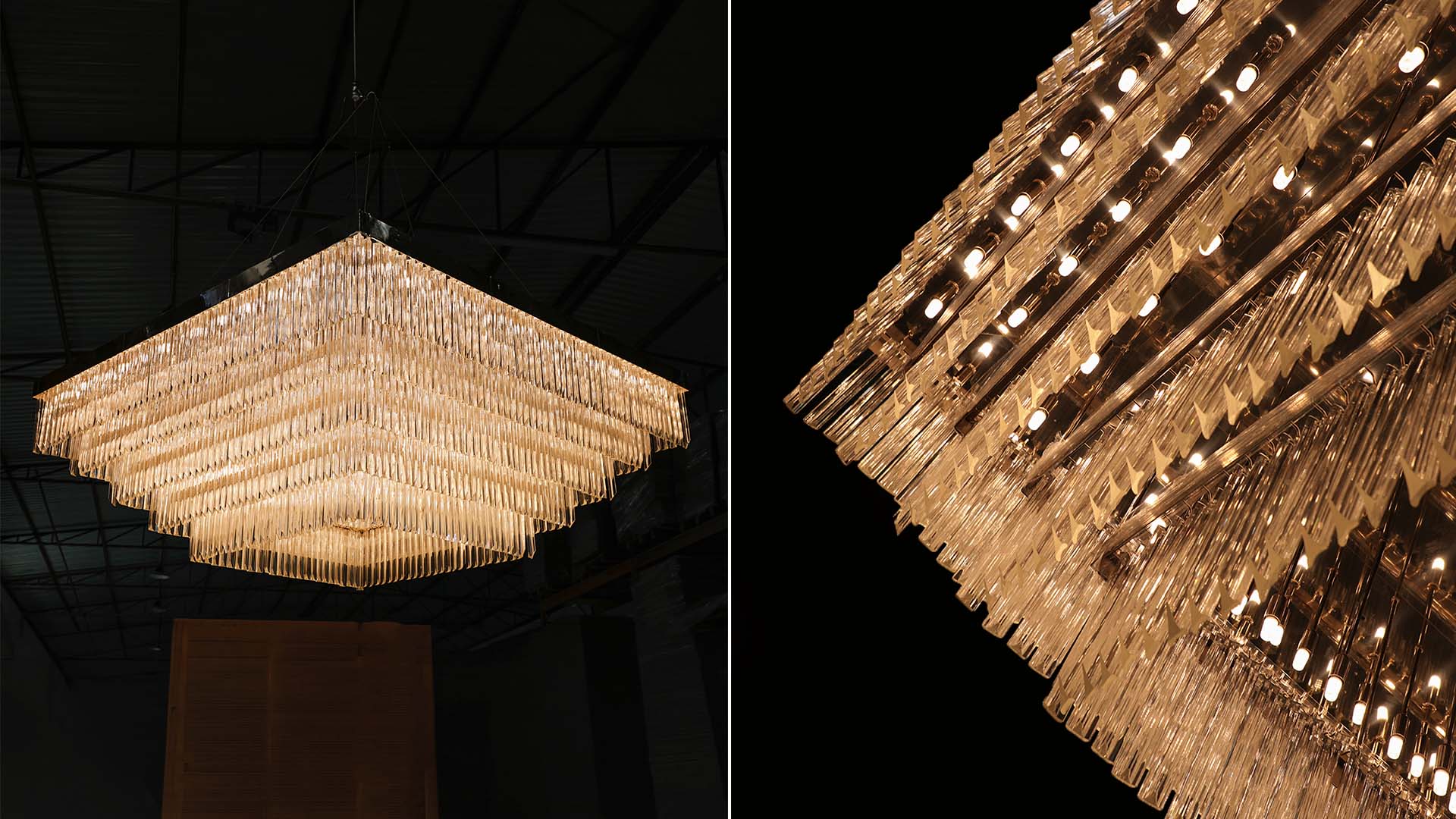
Royal Suspension by Castro Lighting
A New Meaning for “Made in Portugal”
Louis Vuitton's use of the “Made in Portugal” designation does not represent the beginning of Portugal's relationship with international luxury. The country's manufacturers have been working with leading global houses for decades, often without receiving the same visibility as the brands whose names appear on the finished products.
What makes the recent development significant is the possibility of changing that relationship between production and provenance.
A small leather accessory carrying three words may seem like a minor detail, but it places Portuguese craftsmanship directly within the story of one of the world's most recognised luxury maisons. Alongside the growing presence of Portuguese manufacturers among international names such as Cartier, Longchamp, Loewe and Rolex, it points towards a broader recognition of the country's role in the luxury economy.
“Made in Portugal” has always described where something was made. Increasingly, it may also communicate something about the expertise, craftsmanship and knowledge behind it.
Related Articles
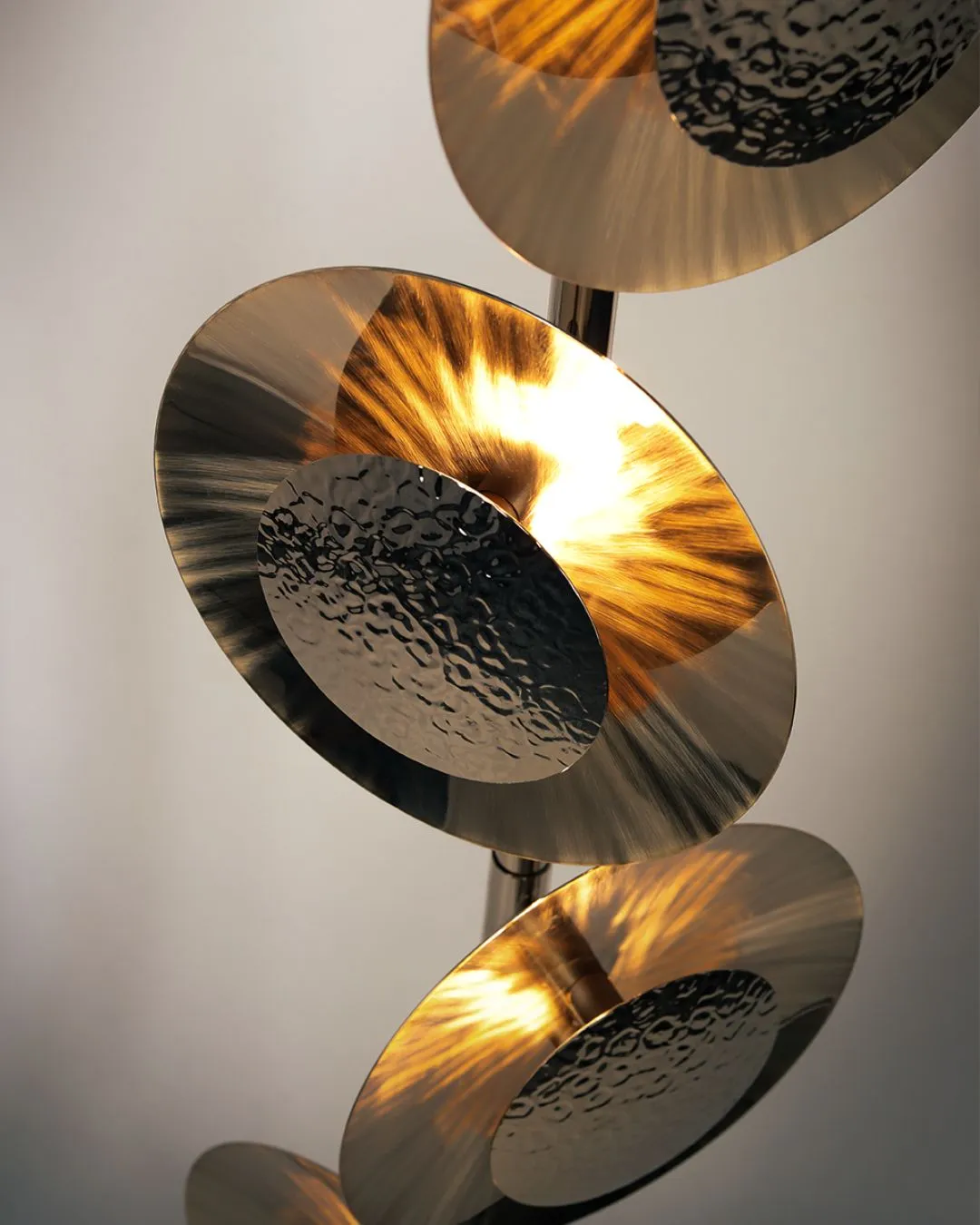
From Solar Eclipse to Interior Design: How Nature Inspires the Spaces We Create

Luxury Bar Stool: A Statement of Sophisticated Design

Inside EDesign Studio: A Journey of Design, Identity, and Timeless Interiors
An Interview with Alina, Founder of EDesign Studio

Estella Prestige: Creating a Language of Light and Luxury
An Interview with Mam Mata, Founder of Estella Prestige

Inside IDS Vancouver 2026: The Ultimate Guide to the Event

Luxury Lighting for Low Ceilings: How to Create Impact Without Losing Space

IDS Vancouver 2026: Interior Design Trends Shaping This Year’s Show

Top Luxury Hotels in Vancouver: 10 Iconic Stays to Experience

Is Quiet Luxury Over? Inside the Shift Defining 2027