BLOG & NEWS
Classic Chandeliers: How Timeless Lighting Shapes Luxury Interiors
Classic Chandeliers: How Timeless Lighting Shapes Luxury Interiors
For centuries, chandeliers have occupied an important position within architecture, illuminating rooms while simultaneously expressing their character. Today, their role has evolved. A classic chandelier can sit beneath contemporary architecture, contrast with minimalist furniture or bring a sense of heritage to a newly built interior.
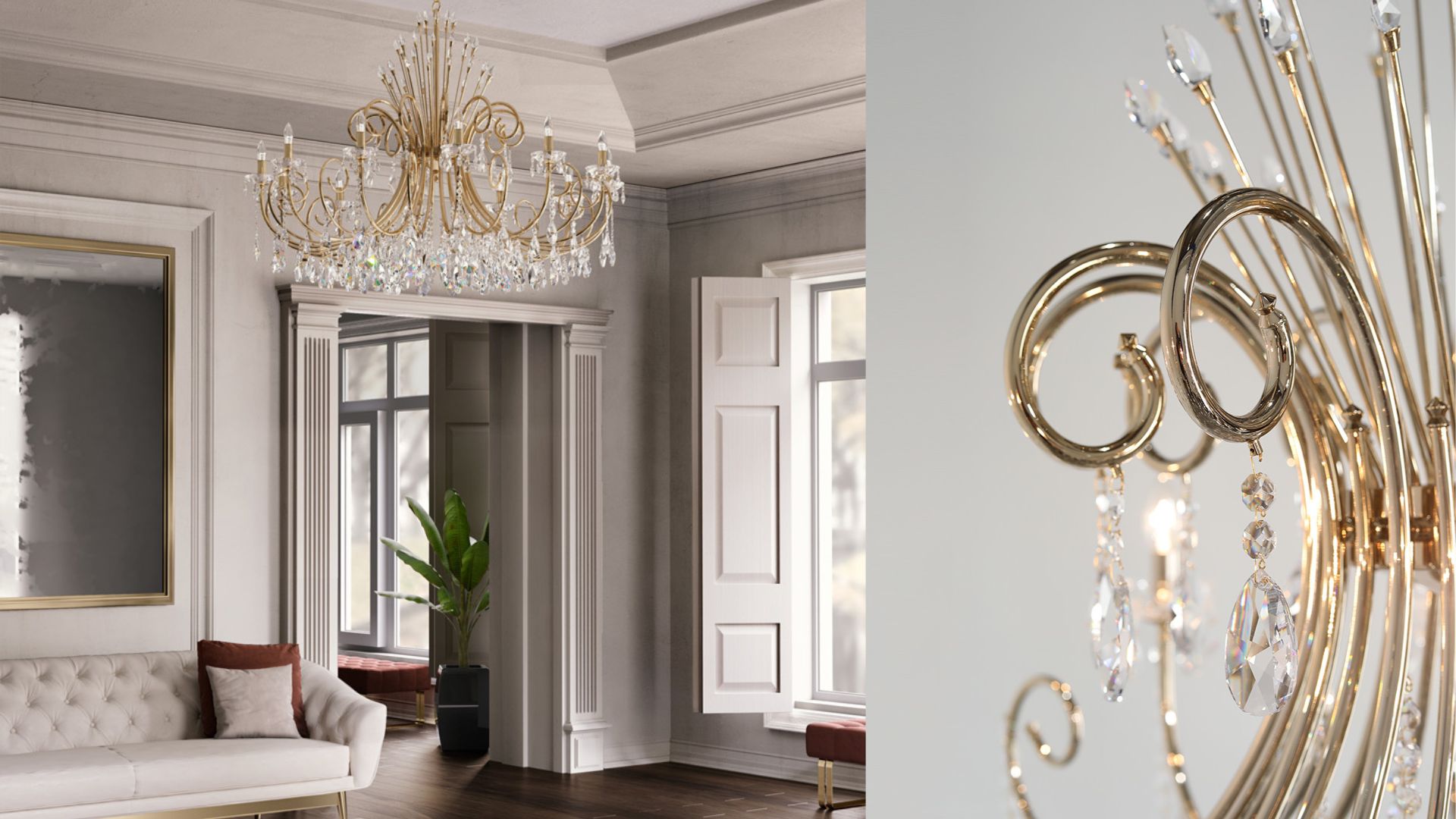
Casablanca Chandelier | Castro Lighting
What Makes a Chandelier Timeless?
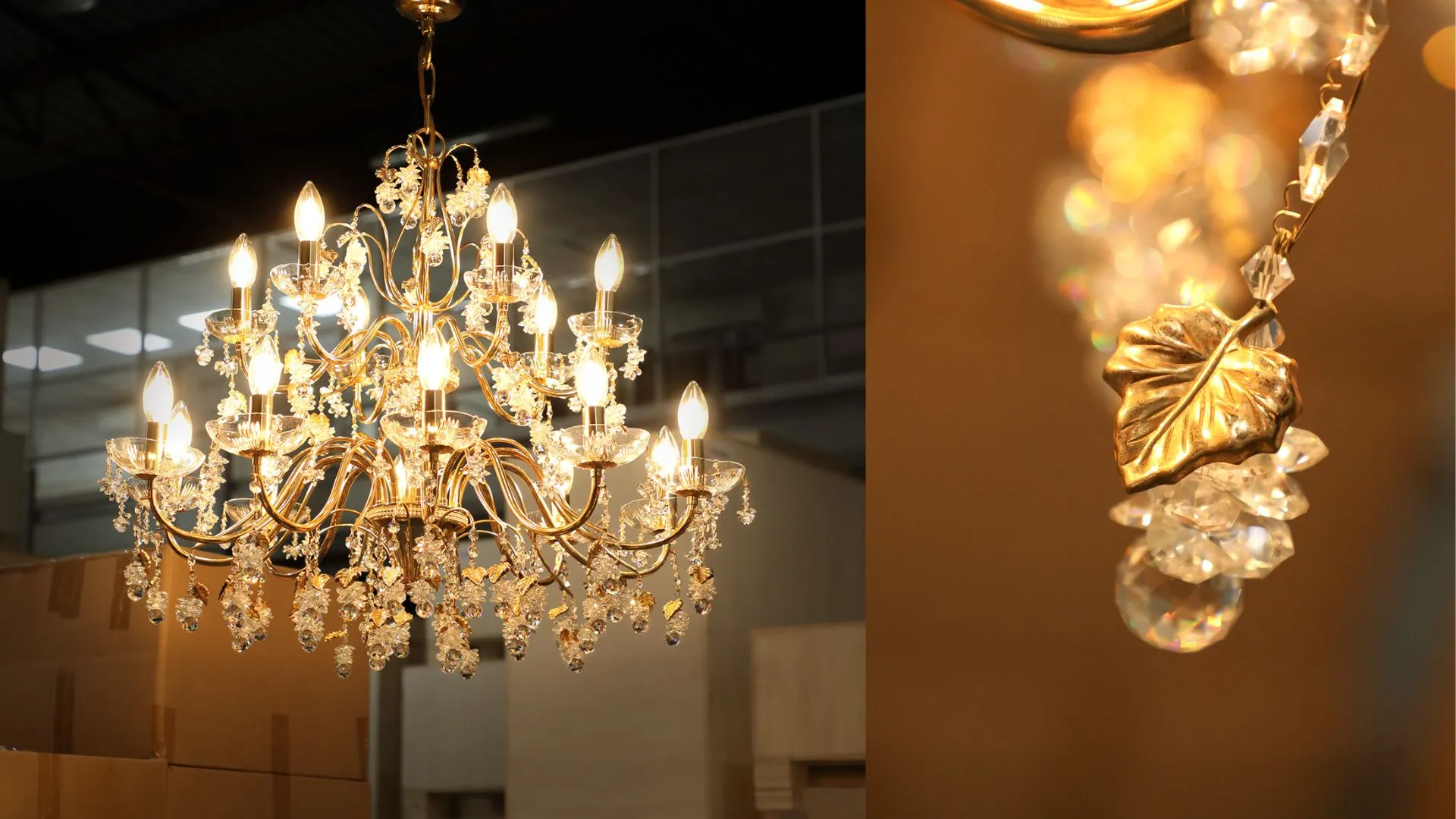
Classic chandeliers often draw their character from intricate metalwork, repeated forms, carefully positioned light sources and refined decorative elements. Crystal, brass and fabric shades can introduce texture and depth, while symmetry gives the overall composition a sense of order.
These details become particularly expressive when viewed from different distances. From across a room, the chandelier establishes a strong silhouette. As you approach it, the craftsmanship becomes more apparent, revealing layers of material, texture and light.
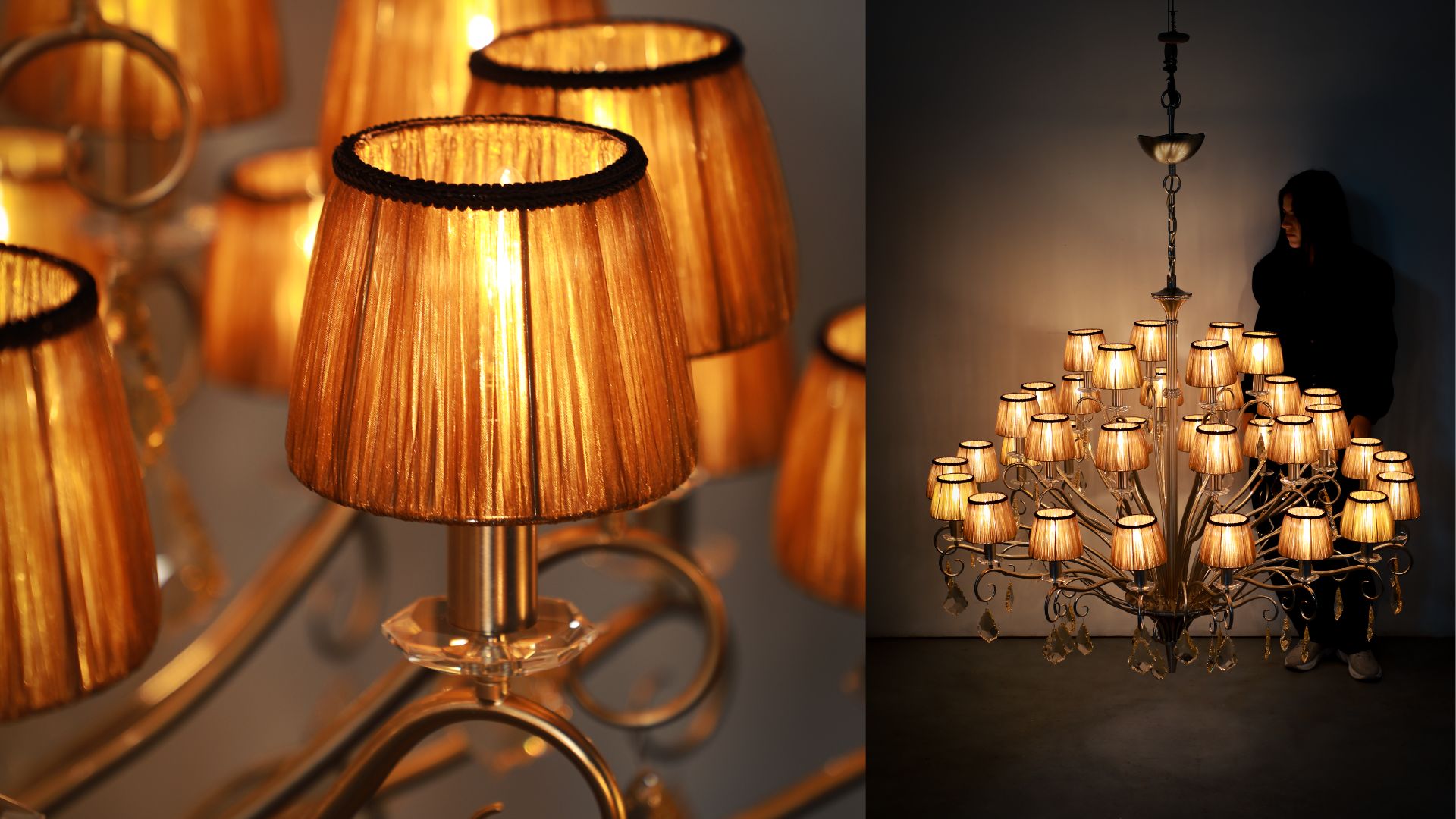
Vienna Chandelier | Castro Lighting
The Return of Classic Lighting to Contemporary Interiors
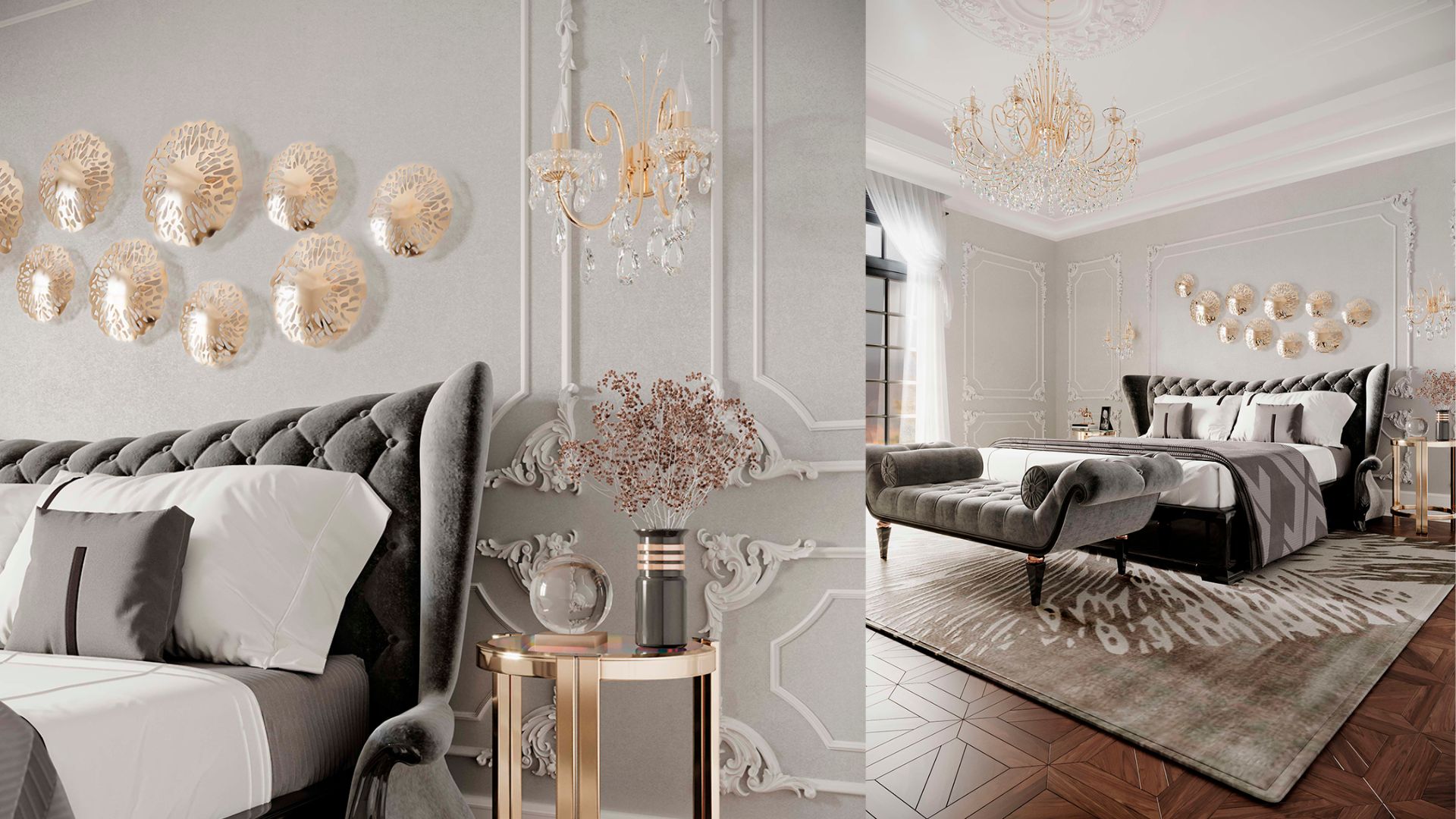
The distinction between classic and contemporary interiors is becoming increasingly fluid. Rather than designing spaces entirely within one aesthetic language, many contemporary projects combine contrasting elements. Clean architectural lines can be paired with ornate furniture. A classic chandelier can play precisely this role.
Placed within a contemporary environment, it introduces a sense of history and craftsmanship without requiring the rest of the interior to follow the same language. The contrast can make both elements stronger.
In a more traditional setting, meanwhile, the chandelier can reinforce the architectural character of the room, creating continuity between the lighting, furniture and decorative details.
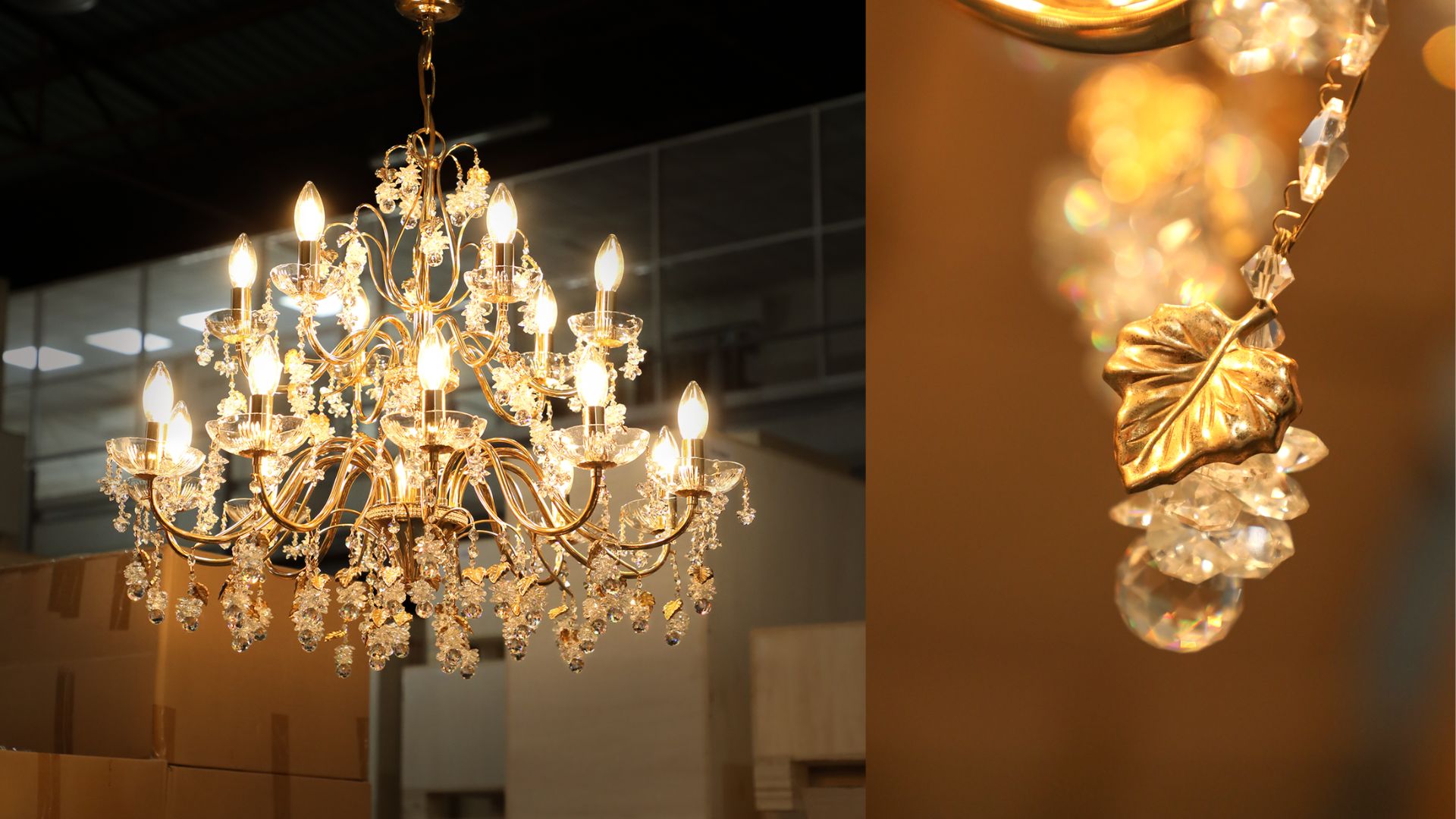
Tanger Chandelier | Castro Lighting
The Importance of Proportion
Choosing a chandelier begins with understanding the space in which it will exist.
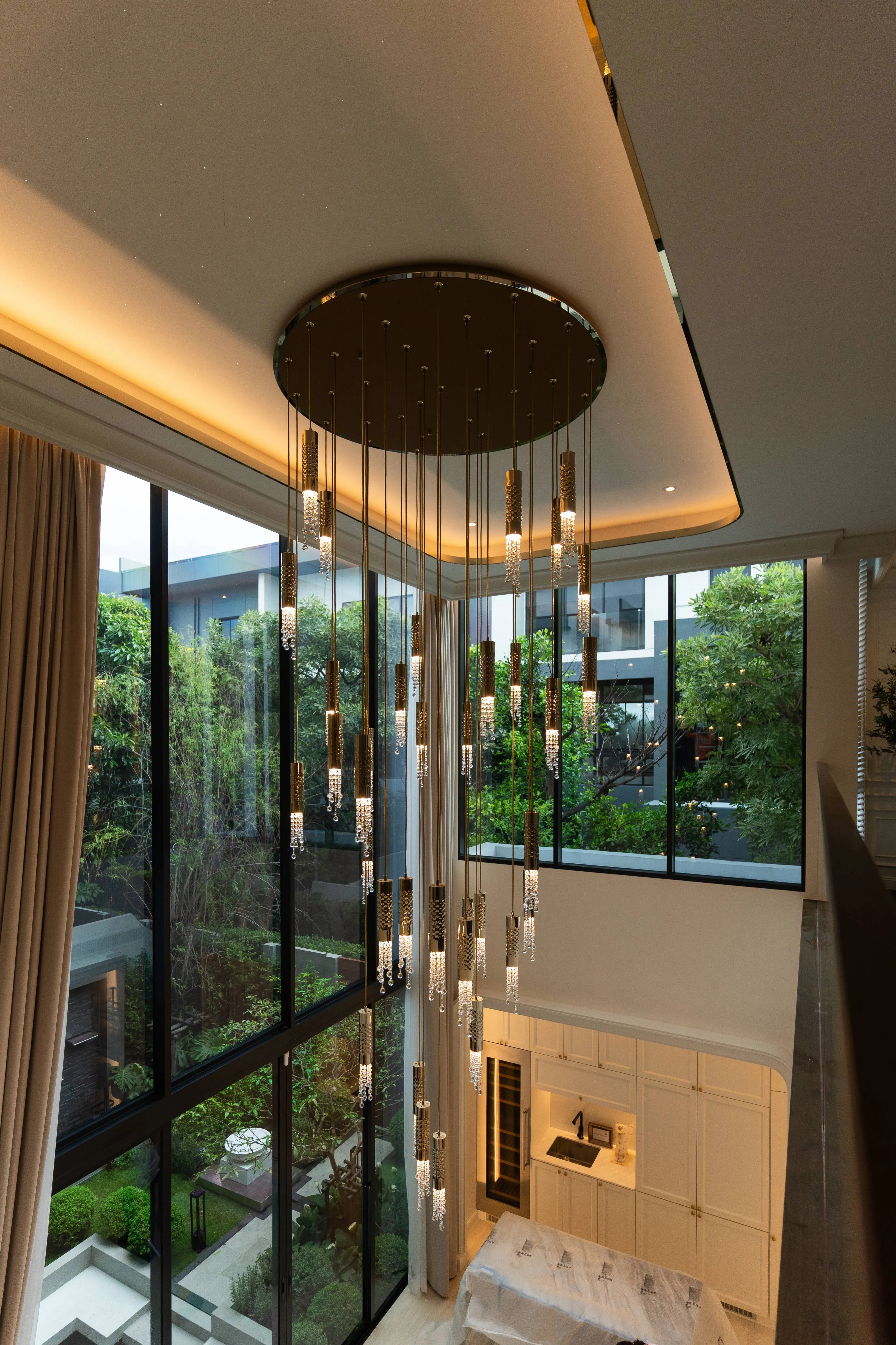
A large entrance hall with generous ceiling height can accommodate a more dramatic composition, allowing the chandelier to become a strong vertical element within the architecture. In a dining room or living space, the proportions of the furniture become equally important, particularly when the chandelier is positioned above a central table or seating area.
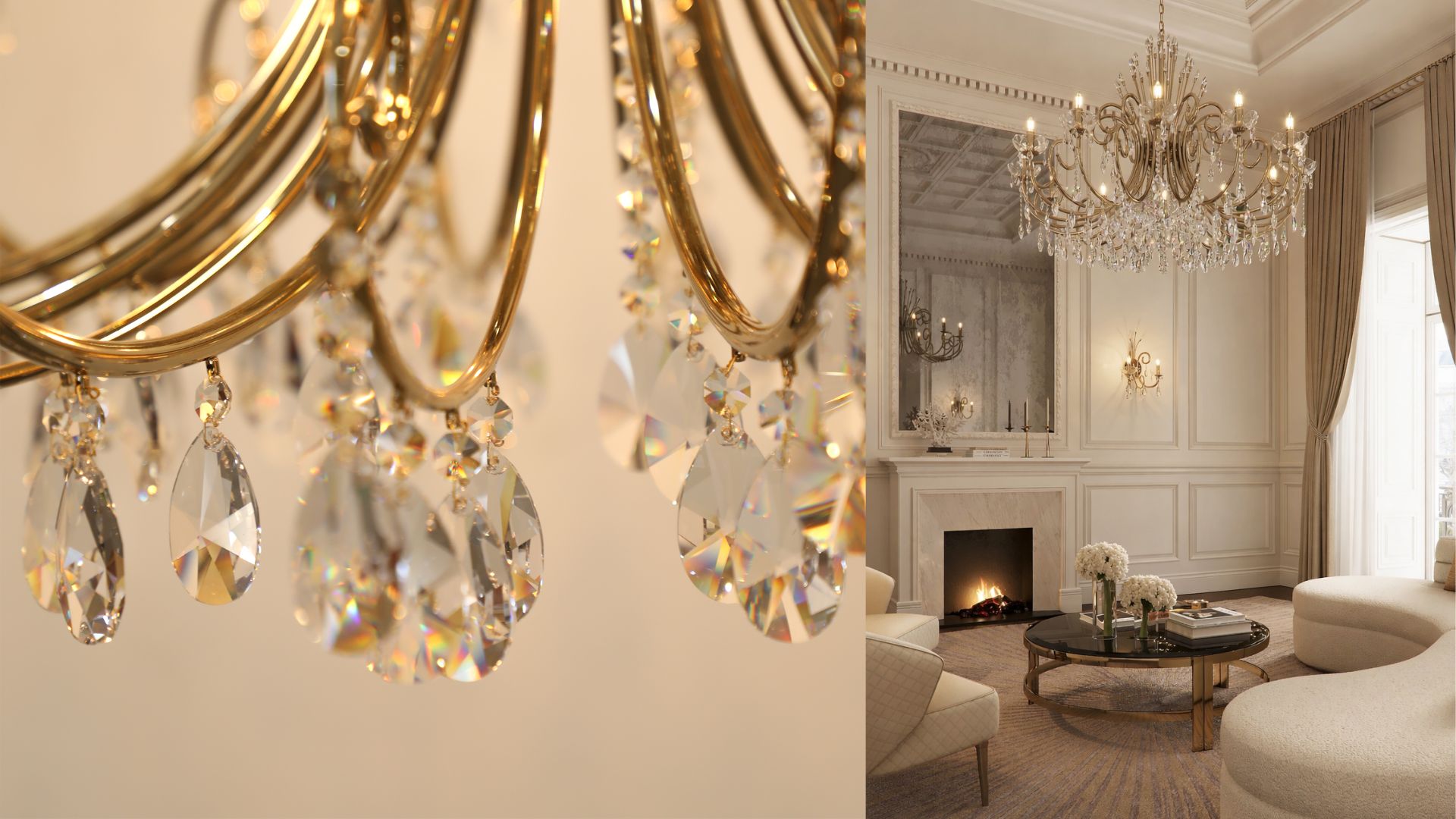
Casablanca Chandelier | Castro Lighting
The Warmth of Brass
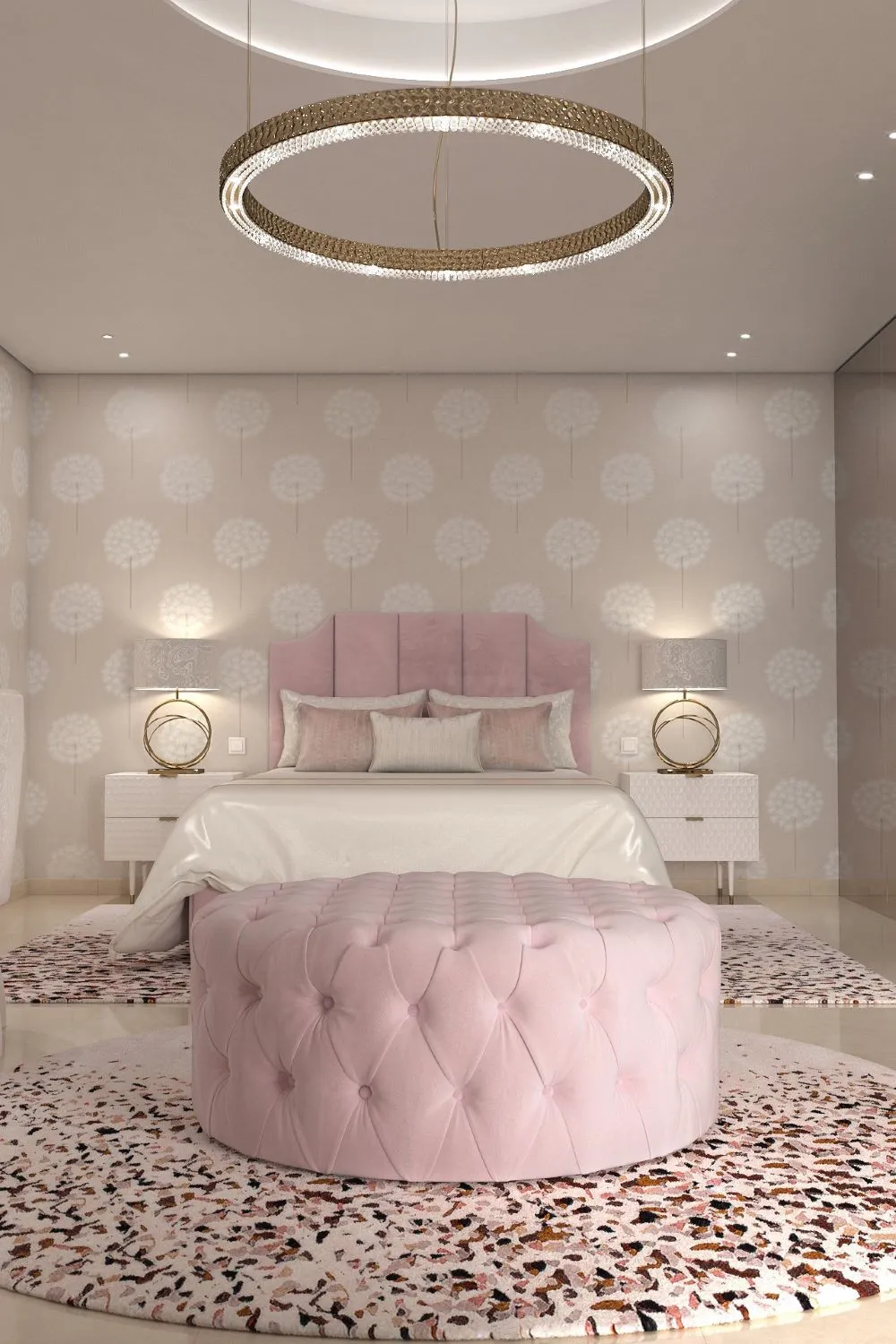
Material plays an equally important role in the perception of a chandelier. Among the finishes associated with luxury lighting, brass has an enduring appeal. Its warmth can soften architectural materials such as marble and stone, while its reflective quality allows it to interact with both natural and artificial light.
In classic chandelier design, brass can become part of the architecture of the piece itself. Fine metalwork creates structure and rhythm, while the finish gives the chandelier a visual warmth that becomes particularly noticeable once the lights are illuminated.
This is one of the reasons brass chandeliers remain relevant across different interior styles. They can feel richly traditional in one environment and distinctly contemporary in another, depending on their form and surroundings.
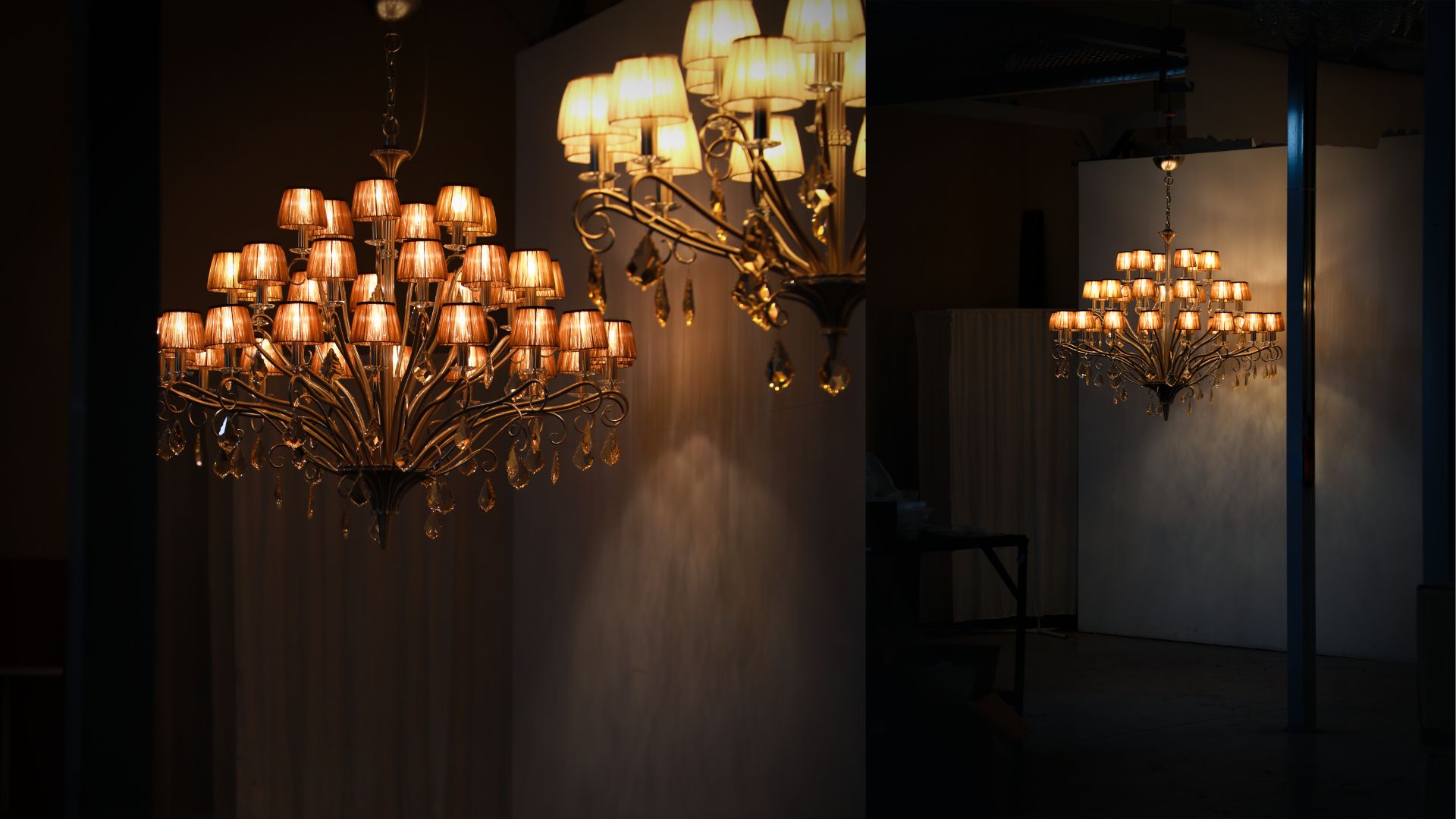
Vienna Chandelier | Castro Lighting
Classic Chandeliers in Hospitality Interiors
The role of a chandelier becomes particularly powerful in hospitality design. Hotels, restaurants and private dining spaces are designed to create an impression that extends beyond the individual pieces of furniture. Lighting contributes to that experience, influencing how guests perceive the scale, warmth and identity of an environment.
A statement chandelier positioned within a lobby can establish a sense of arrival. In a restaurant, it can define the atmosphere above the dining area. In a boutique hotel, it can become one of the visual details guests remember long after leaving.
Casablanca Chandelier | Castro Lighting
When a Chandelier Becomes Part of the Architecture
A chandelier can establish the centre of a room, reinforce symmetry, emphasise a ceiling or create a visual connection between architectural levels. In larger spaces, its scale can help define the proportions of the room. In more intimate environments, its light can influence the atmosphere and sense of intimacy. This is particularly relevant to luxury interiors, where every element is expected to contribute to a cohesive visual language.
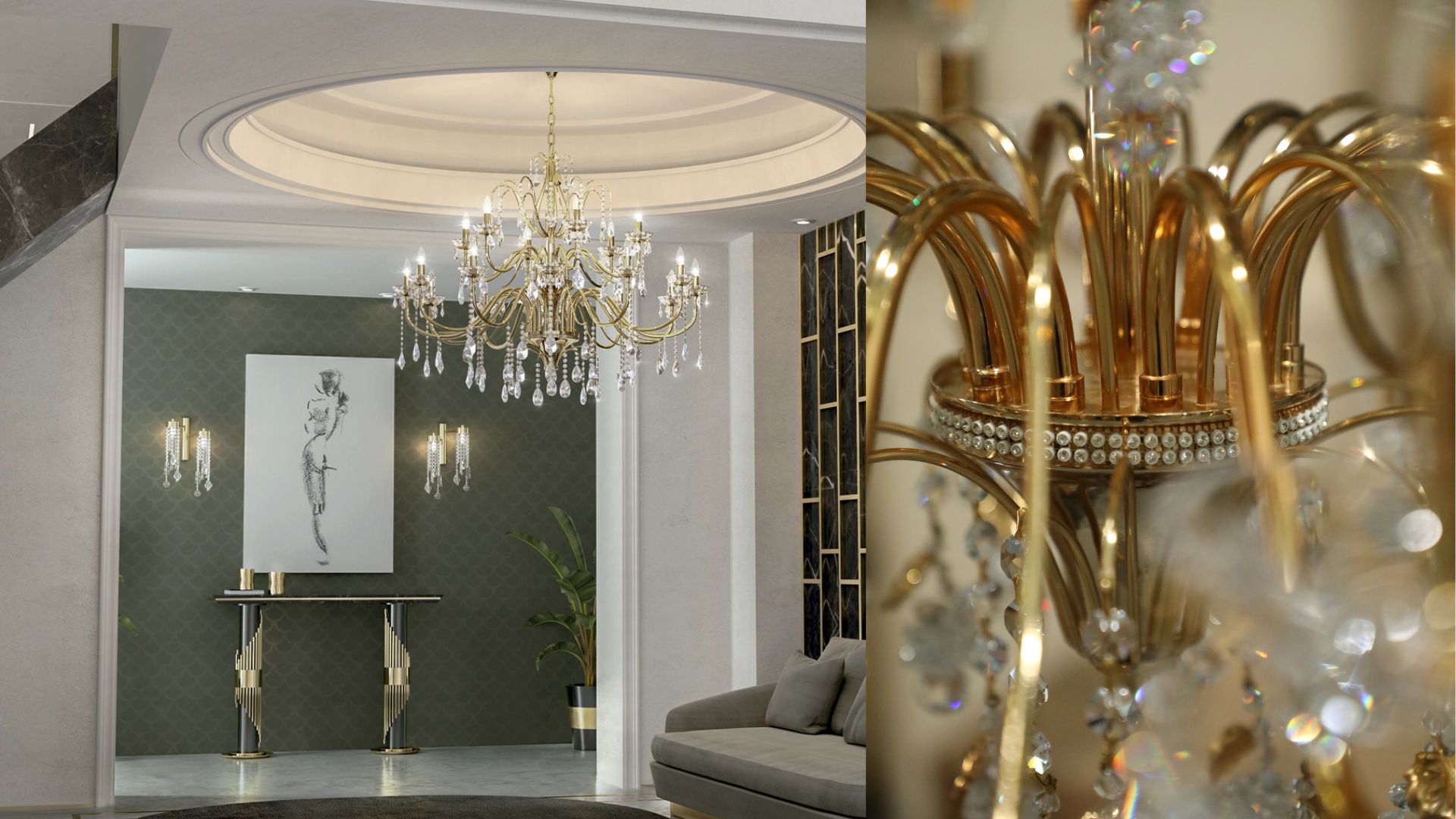
Tanger Chandelier | Castro Lighting
Timeless by Design
Trends can influence the way interiors look, but timeless pieces influence the way they feel.
A classic chandelier has the ability to introduce warmth, scale and character while creating a visual connection between architecture and craftsmanship. Its purpose extends beyond illumination; it becomes part of the identity of the room.
For architects and interior designers, this makes the selection of a chandelier an important design decision. The right piece can balance contemporary architecture, complement traditional detailing or create the contrast that gives an interior its personality.
Timeless by design. Handcrafted in Portugal.
Related Articles

Coastal Interior Design: Creating Serene Villas Inspired by Life by the Sea
Lighting as Jewellery: The Final Touch in Bespoke Luxury Interiors
Black Nickel Lighting Designs for Modern Luxury Spaces
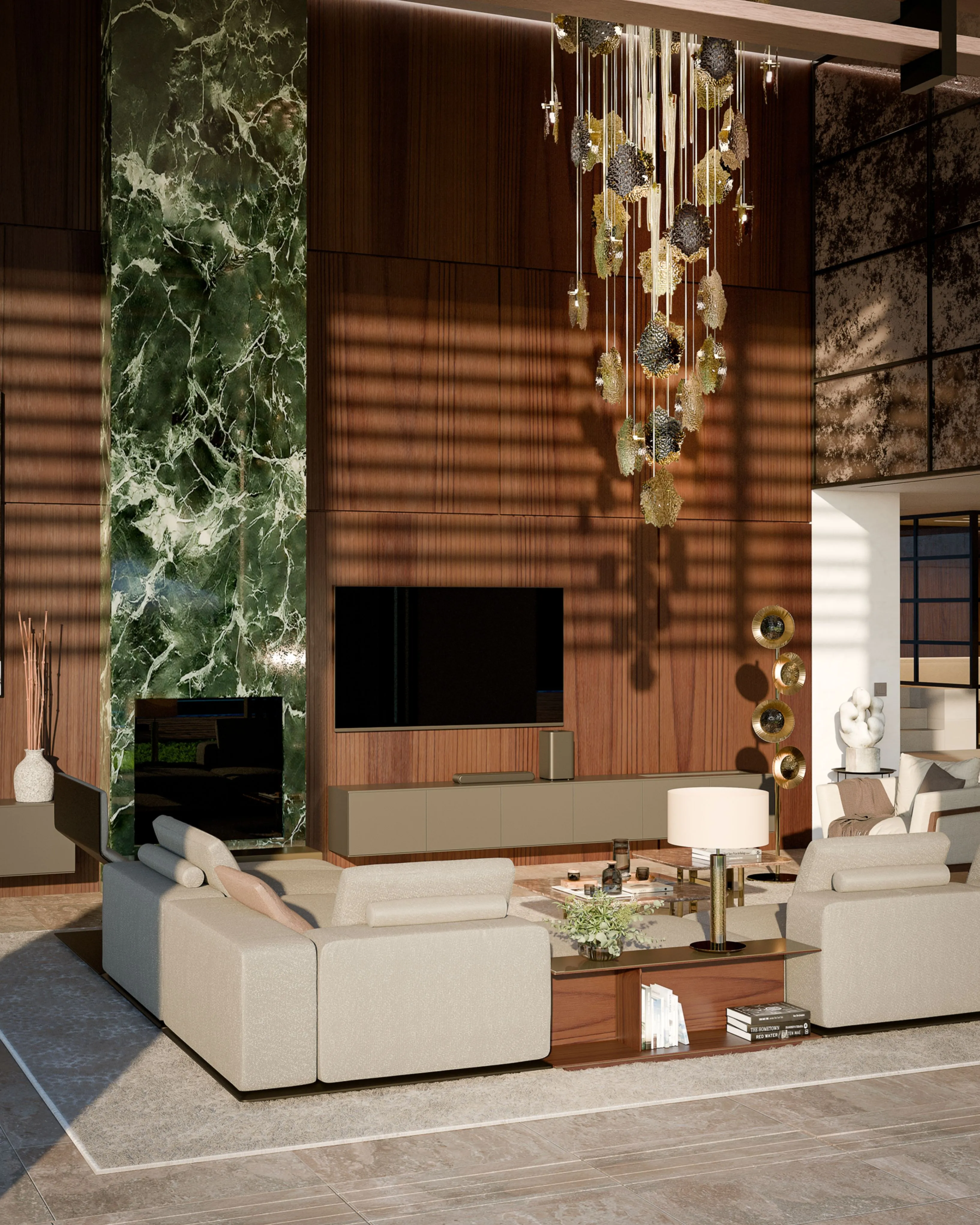
Organic Lighting Design: How Nature’s Boldest Forms Are Shaping Luxury Interiors in 2026

Inside DECORACIA Showroom's Italian Summer Event
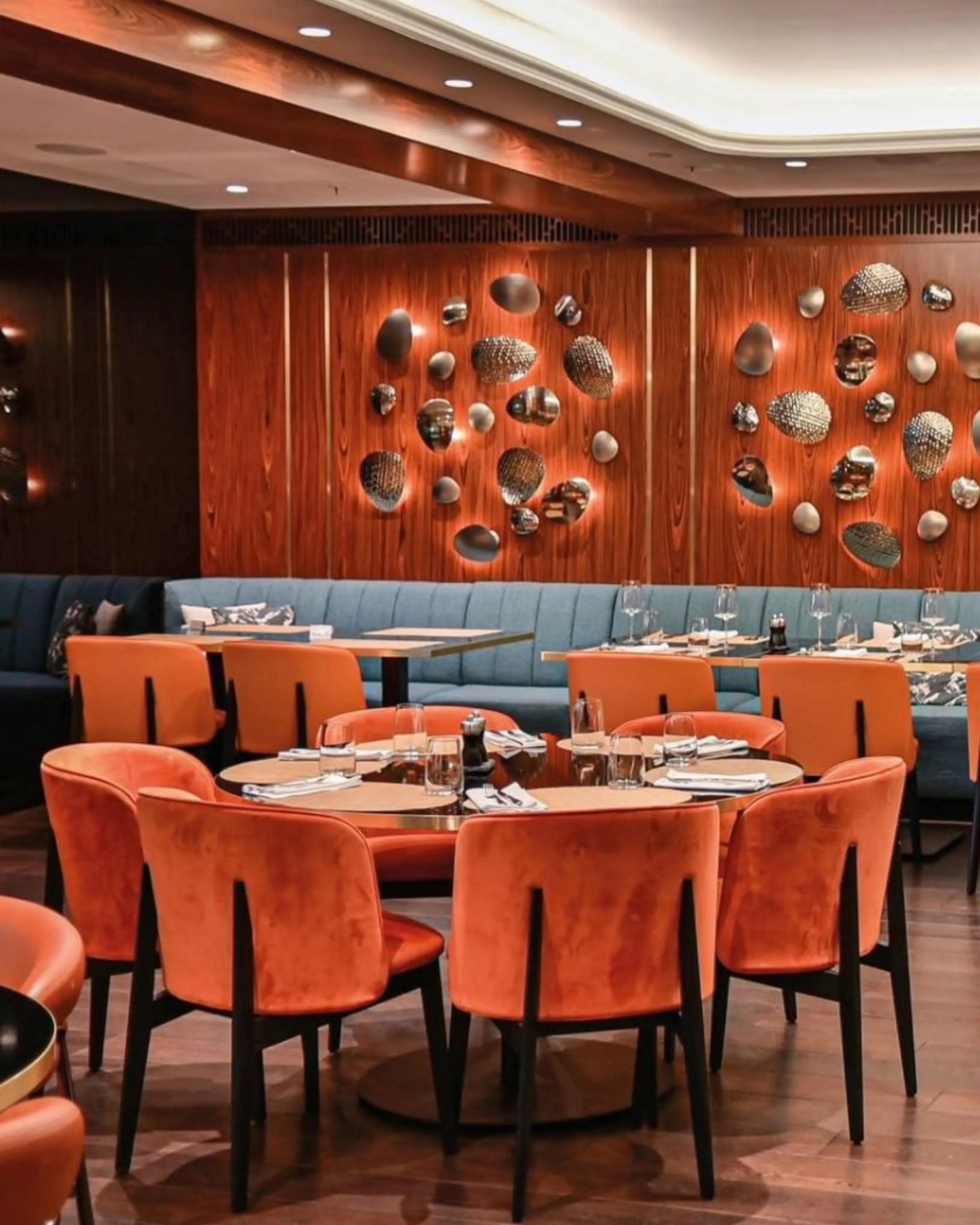
Luxury Hotel Lighting Design: What Makes a Hospitality Interior Truly Memorable?