BLOG & NEWS
Is Quiet Luxury Over? Inside the Shift Defining 2027
Is Quiet Luxury Over? Inside the Shift Defining 2027
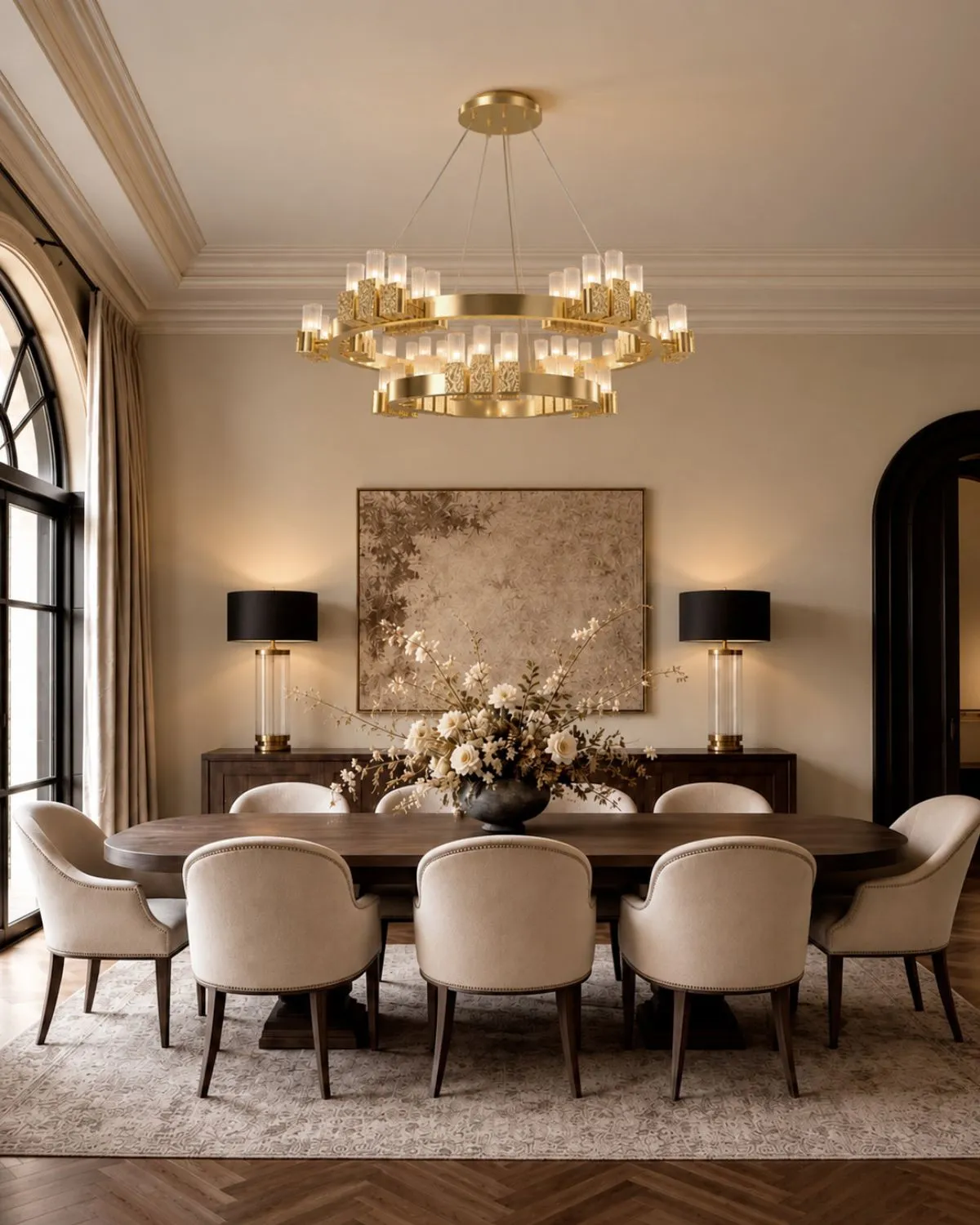
For years, quiet luxury interior design shaped the image of the sophisticated interior: muted palettes, natural materials, sculptural furniture and an almost effortless sense of restraint. Luxury was expressed through quality, proportion and carefully selected details rather than obvious decoration.
But after years of beige, minimalism and carefully edited spaces, the language of luxury is beginning to change. For 2027, the shift is not towards excess. It is towards character.
Richer materials, deeper colours, softer forms and more expressive lighting are bringing a new sense of personality to refined interiors.
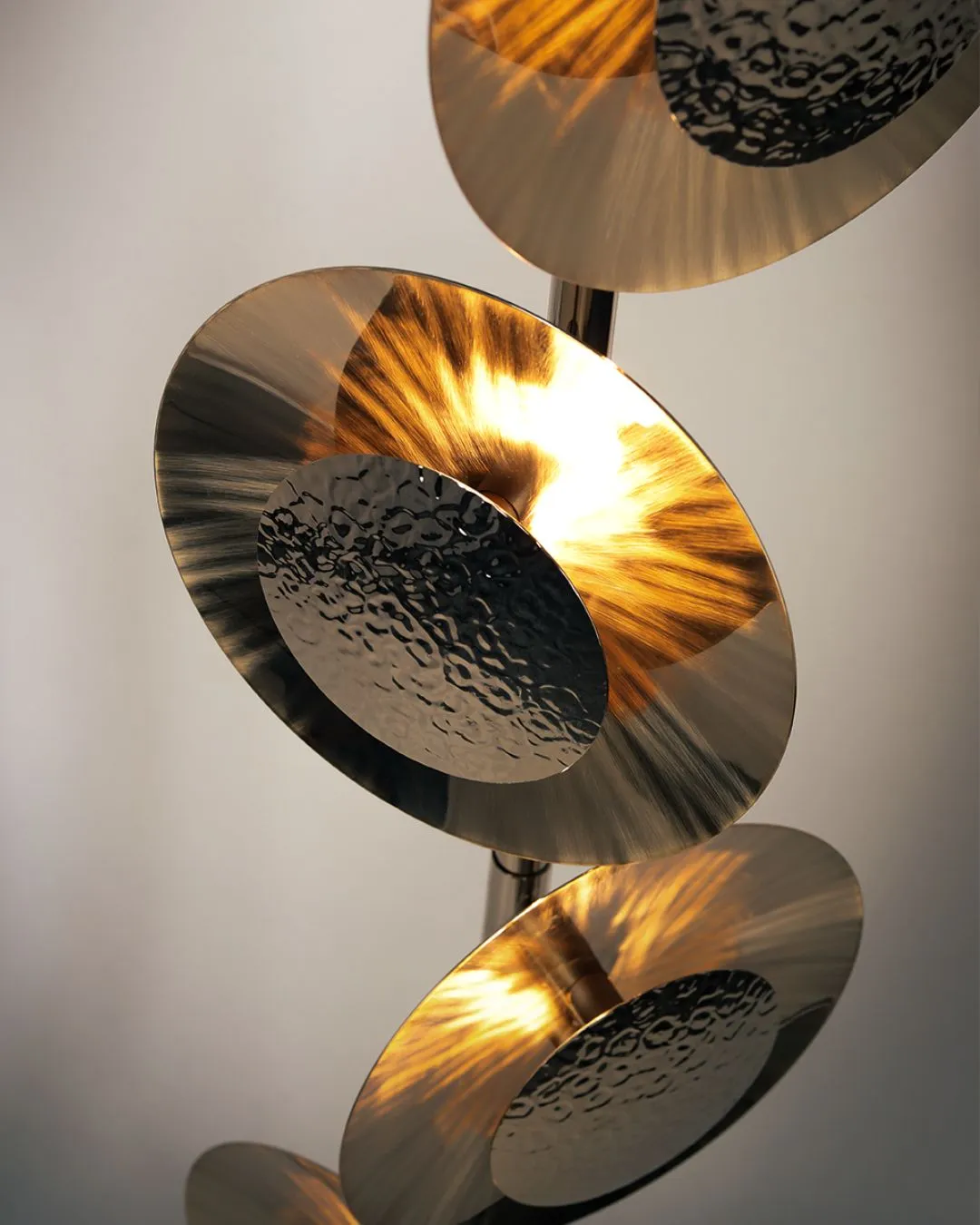
Flow Suspension by Castro Lighting
See also: Luxury Lighting for Low Ceilings: How to Create Impact Without Losing Space
Did Quiet Luxury Finally Become Too Quiet?
Perhaps the problem was never quiet luxury itself, but how predictable it became. When the same neutral palettes and perfectly restrained interiors began appearing everywhere, individuality became harder to achieve through minimalism alone.
The new direction in luxury interior design is less about abandoning restraint and more about allowing spaces to feel personal. Unexpected materials, distinctive furniture and carefully chosen statement pieces can introduce character without making an interior feel excessive.
Luxury is moving towards spaces that feel collected rather than calculated.
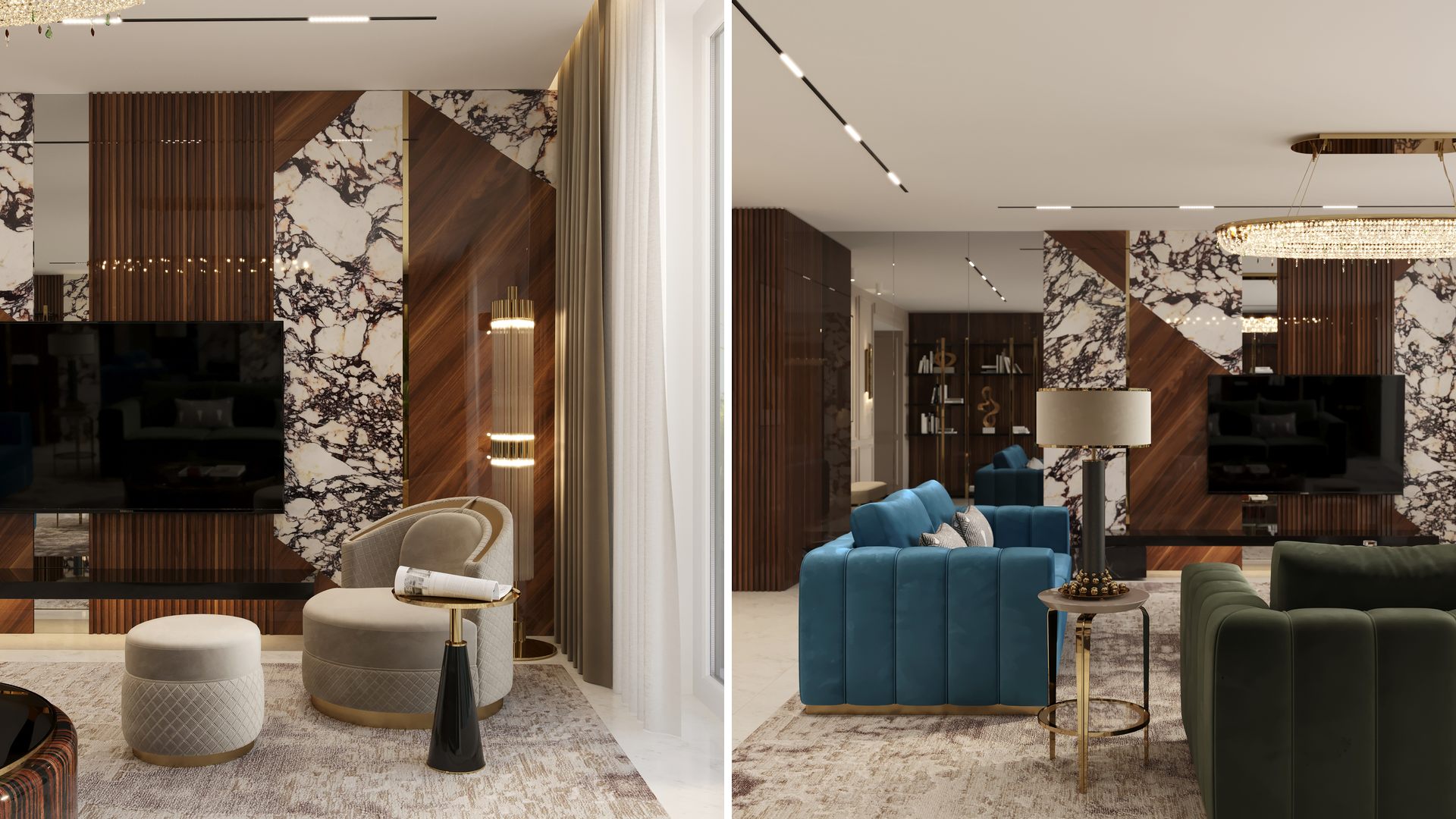
A Selection of Castro Lighting Designs
What Comes After Beige?
Neutrals are not disappearing. They are simply becoming more complex.
Warm browns, olive tones, burgundy, darker woods and richer shades are bringing depth to interiors, creating spaces that feel warmer and more intimate. These colours can be introduced through walls, furniture, textiles and decorative details while remaining part of a sophisticated overall palette.
The shift is therefore not about replacing beige, but about moving beyond a single interpretation of neutral luxury.
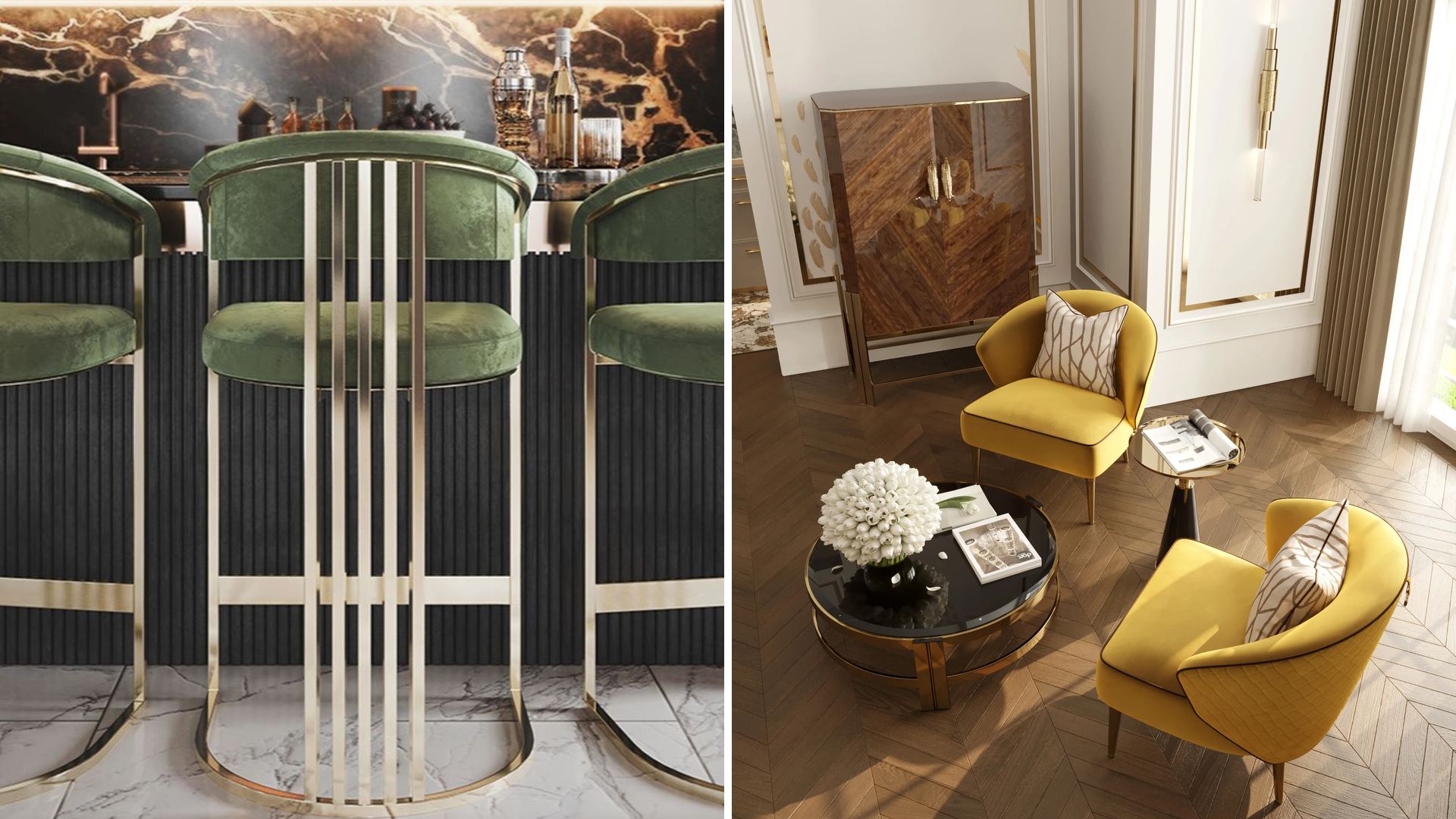
Castro Interiors Collection
Are Materials Becoming the New Decoration?
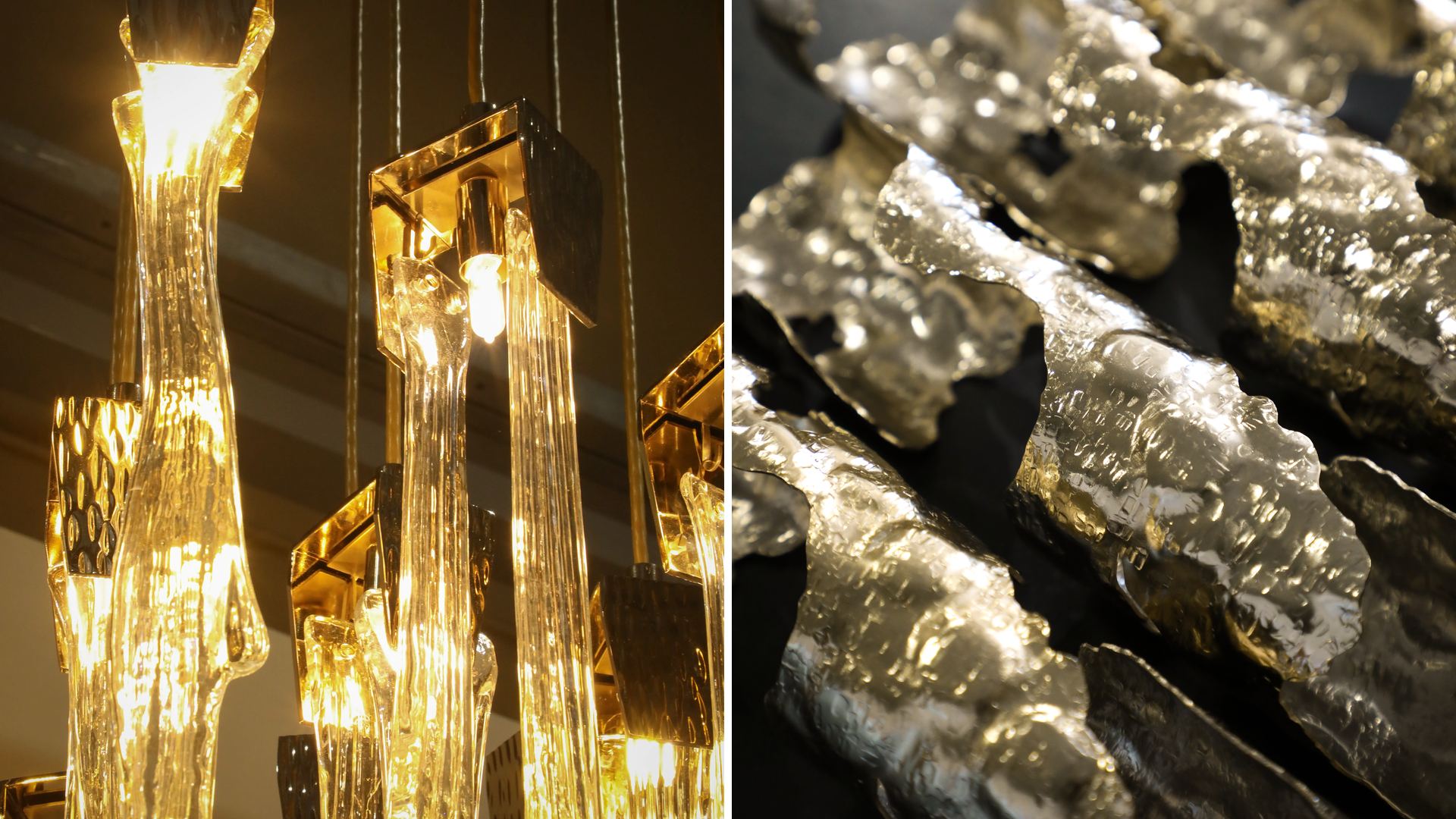
When there is less decoration, every material matters more. Veined stone, expressive wood, velvet, textured surfaces and brushed metals can introduce contrast through texture, reflection and natural variation.
Rather than filling a room with decorative objects, designers can allow materials themselves to create visual interest. The grain of wood, the movement of stone or the finish of a hand-worked metal can give an interior depth and character while keeping the overall composition refined.
Why Is Everything Suddenly Curving?
Straight lines have dominated contemporary interiors for years. Now, softer silhouettes are changing the rhythm.
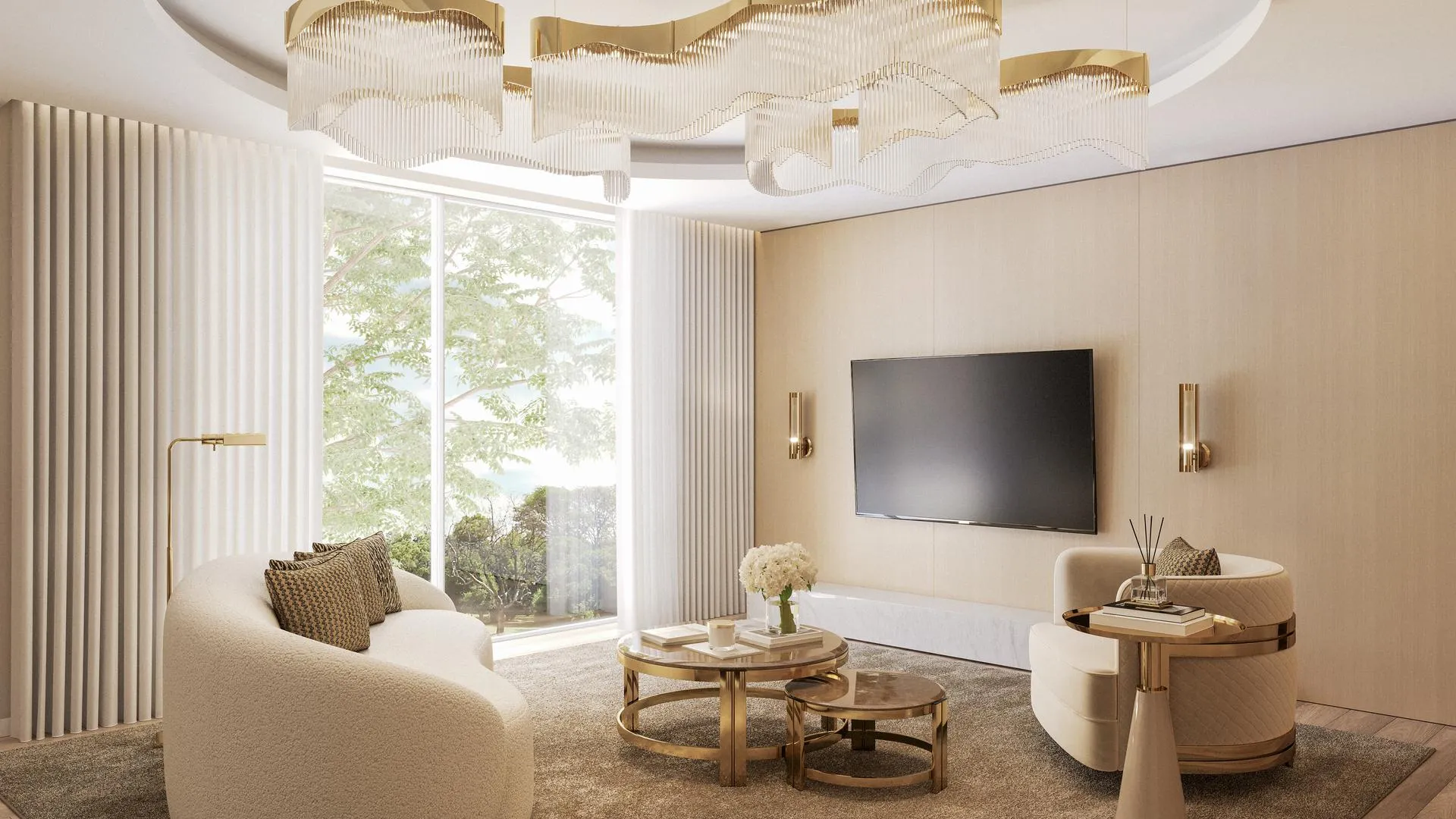
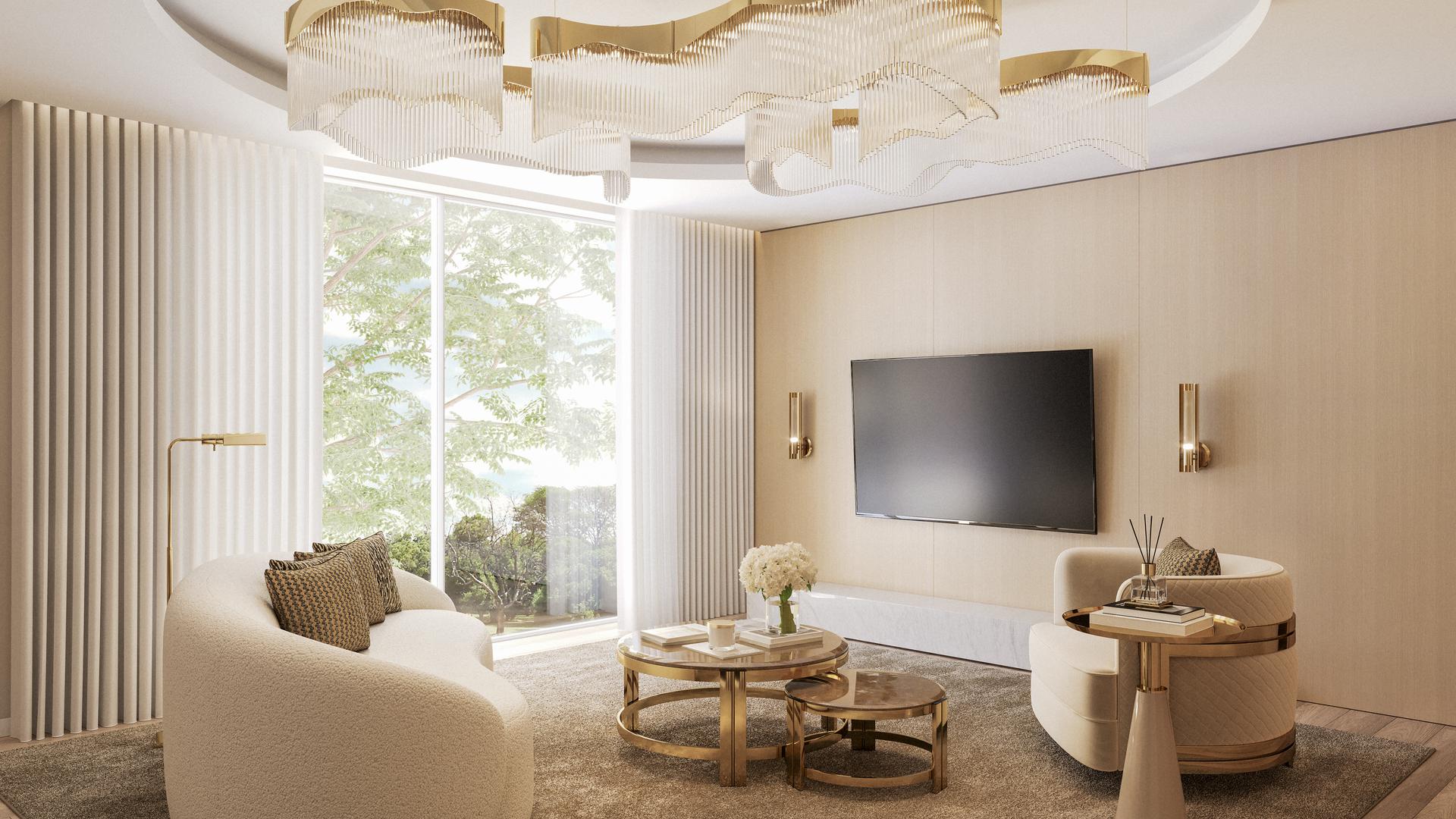
Curved furniture, rounded architecture and sculptural lighting introduce movement and fluidity, creating a softer contrast with structured spaces and clean architectural lines. The aim is not to replace straight forms completely, but to create a more balanced relationship between structure and softness.
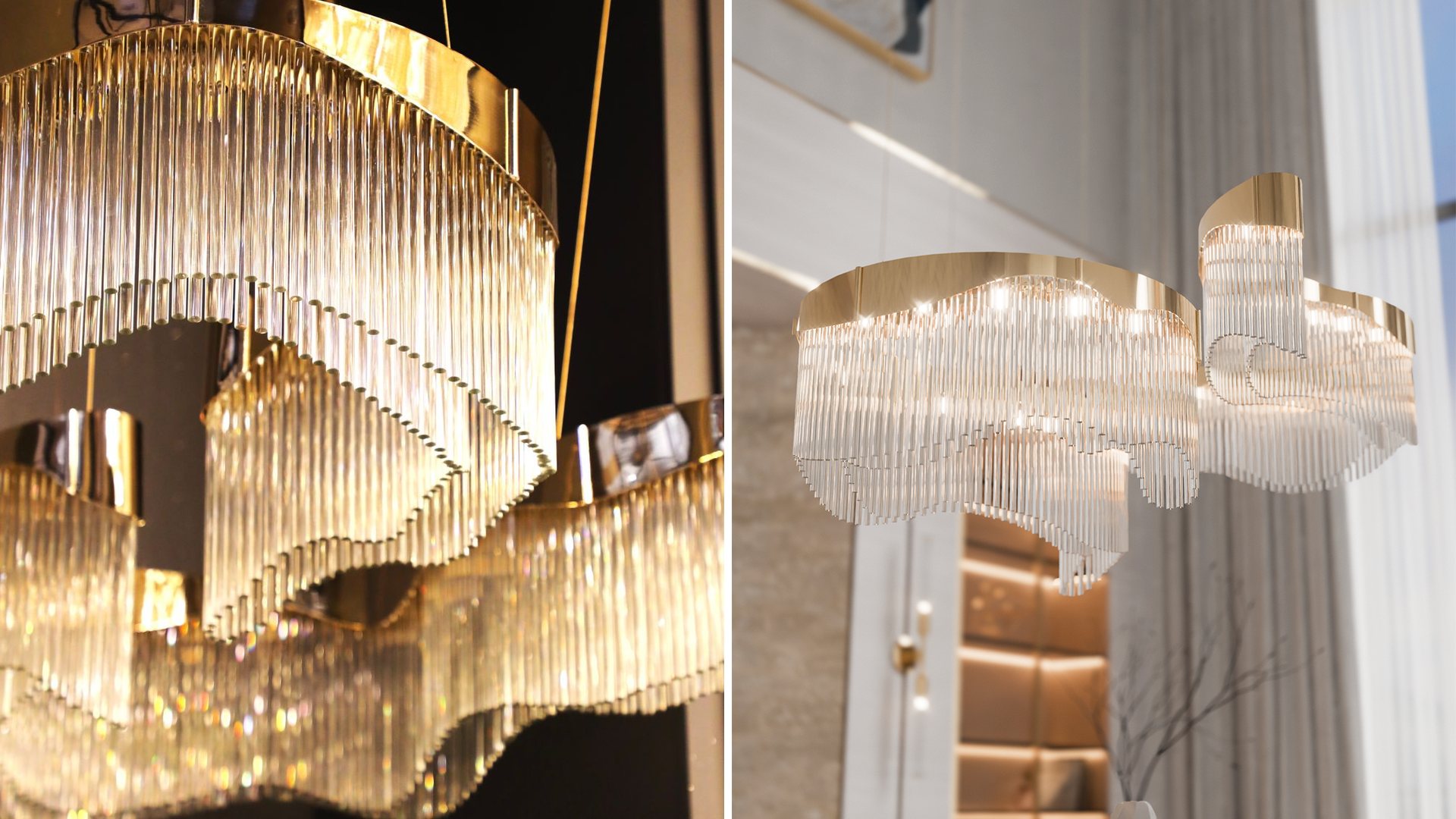
Flow Suspension by Castro Lighting
Are Statement Pieces Making a Comeback?
The perfectly balanced room is making space for something unexpected.
A monumental chandelier, an architectural suspension or a sculptural object can become the element that defines an entire interior, rather than simply completing it. This is particularly relevant to luxury lighting, where a distinctive fixture can establish a focal point and contribute to the identity of a space.
Statement design does not necessarily mean excess. Sometimes, one carefully chosen piece is enough.
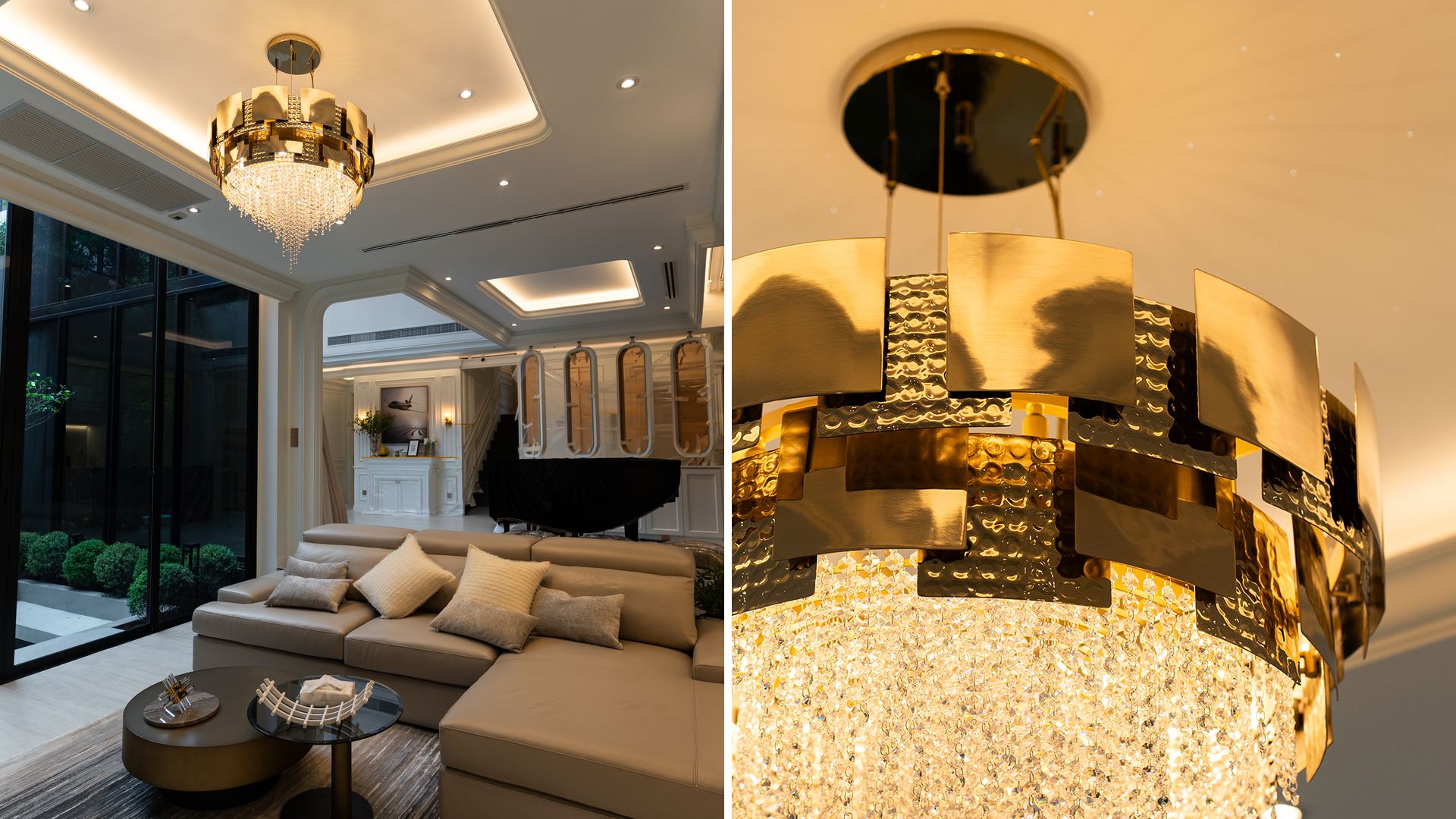
Mondrian Suspension by Castro Lighting
Can You See Luxury in the Way Something Is Made?
The new language of luxury is increasingly found in craftsmanship rather than recognition. Hand-finished surfaces, considered proportions, exceptional materials and meticulous construction give an object its value long before a logo does.
This places greater importance on the process behind a piece and the expertise involved in creating it. In luxury interiors, craftsmanship can become part of the identity of an object, particularly when traditional techniques and material knowledge remain visible in the finished design.
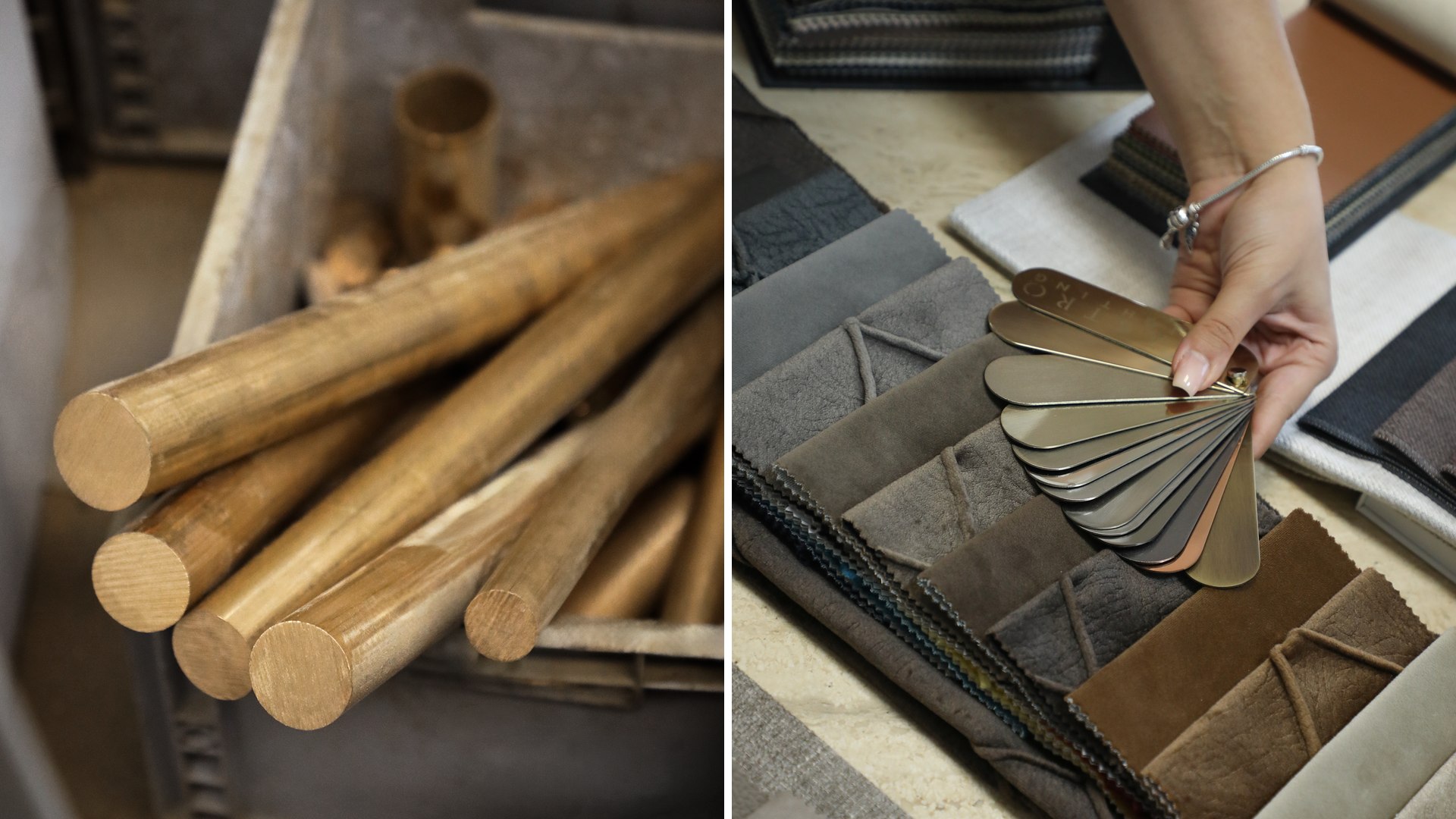
Materials and finishes at Castro Lighting
And What Happens When Light Joins the Conversation?
As interiors become richer in material and character, light becomes part of the composition. It can reveal texture, create shadows, emphasise architectural details and change the atmosphere of a space throughout the day.
Decorative lighting also takes on a more expressive role. A sculptural chandelier or statement suspension can become a focal point, while more discreet sources work alongside the architecture and materials to create depth and balance.
Lighting becomes part of the experience.
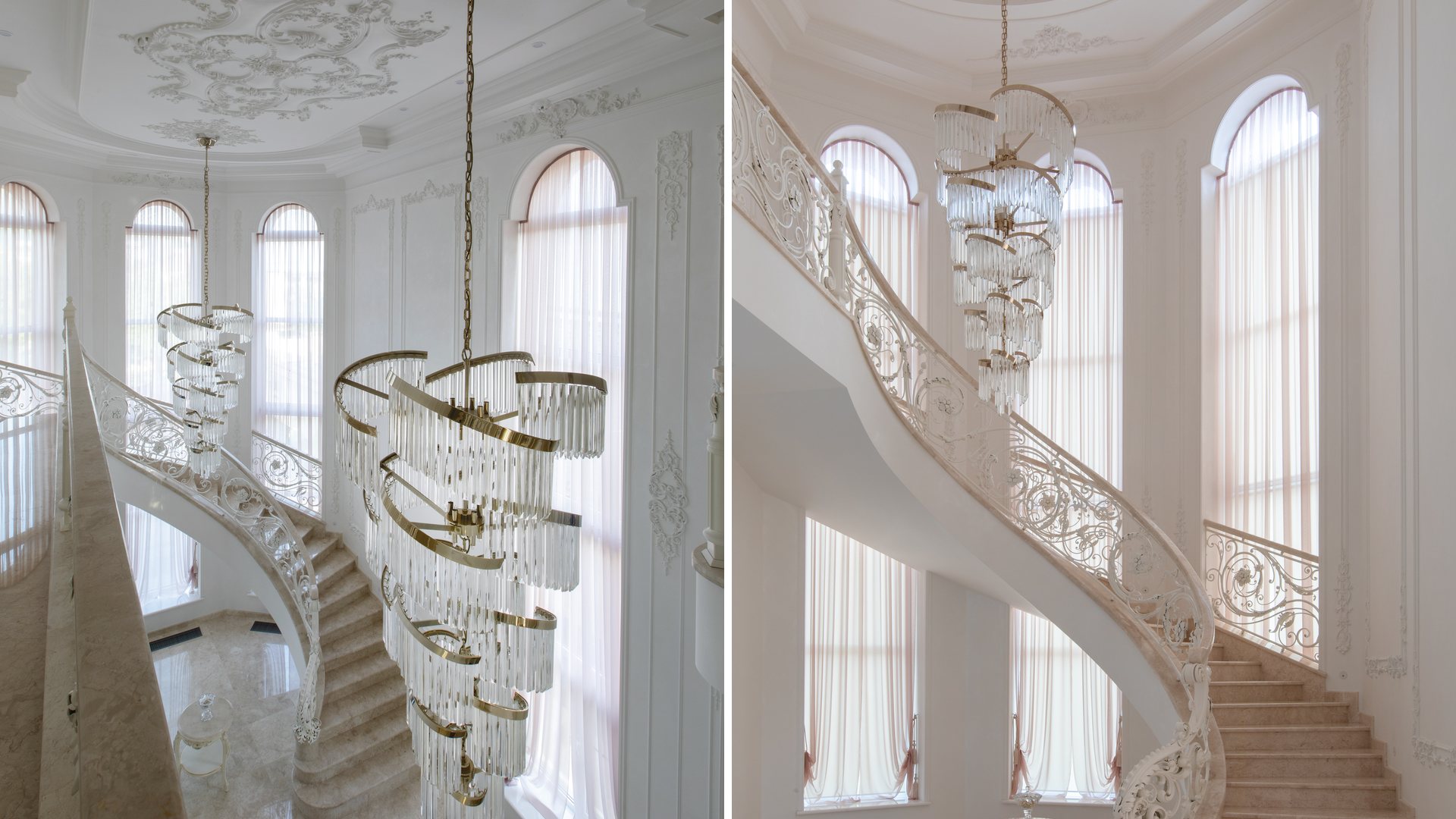
Twist Suspension by Castro Lighting
So, What Will Luxury Look Like in 2027?
Perhaps quiet luxury was never really about beige or minimalism. It was about quality, intention and restraint. Those principles remain.
What is changing is the freedom to express them through colour, material, form, craftsmanship and light. Luxury interiors are becoming more personal, more tactile and less tied to a single aesthetic.
Quiet luxury isn't dead. It simply has more to say.
Related Articles
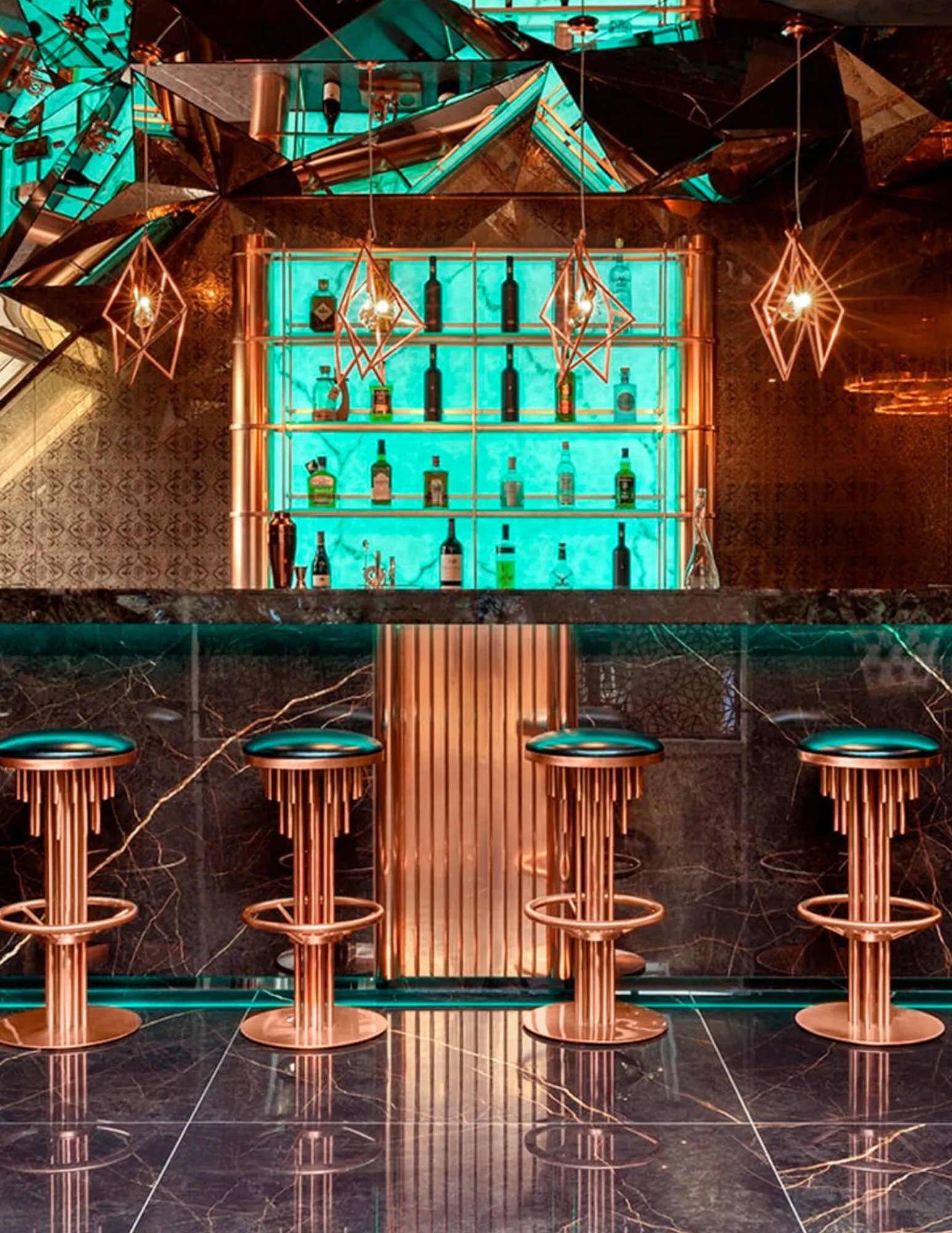
Luxury Bar Stool: A Statement of Sophisticated Design

Estella Prestige: Creating a Language of Light and Luxury
An Interview with Mam Mata, Founder of Estella Prestige
Inside IDS Vancouver 2026: The Ultimate Guide to the Event
Luxury Lighting for Low Ceilings: How to Create Impact Without Losing Space
IDS Vancouver 2026: Interior Design Trends Shaping This Year’s Show

Top Luxury Hotels in Vancouver: 10 Iconic Stays to Experience
7 Lighting Shifts That Will Define Luxury Interiors in 2027
The New Value of “Made in Portugal”: When Louis Vuitton Puts Portugal on the Label
Gold Is Back: The World of Saint Laurent Spring/Summer 2027