BLOG & NEWS
IDS Vancouver 2026: Interior Design Trends Shaping This Year’s Show
IDS Vancouver 2026: Interior Design Trends Shaping This Year’s Show
Interior design in 2026 is being shaped by new technologies, changing lifestyles and a deeper understanding of how spaces influence the people who experience them. At IDS Vancouver 2026, these shifts take centre stage through a programme that brings together some of the most relevant conversations in contemporary interior design, creating a space for new ideas, perspectives and approaches to emerge.
From artificial intelligence and neurodiversity to workplace design, biophilic design, wellbeing and sustainability, this year’s seminars reflect the themes currently influencing designers and architects across the industry.
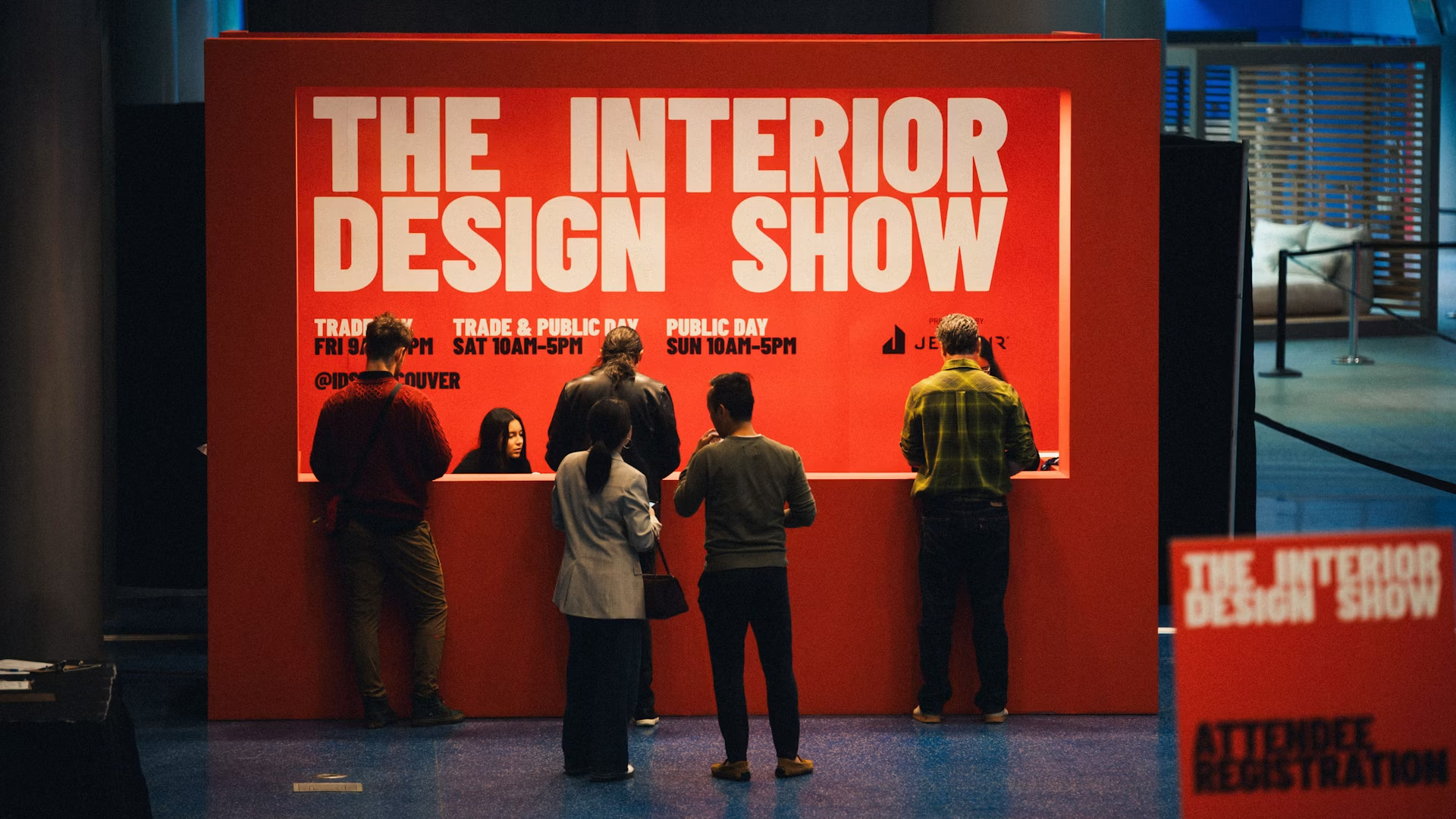
Taking place from September 24 to 27 at the Vancouver Convention Centre West, IDS Vancouver offers a closer look at the interior design trends shaping current practice and the direction the profession is taking next.
Source: IDS Vancouver
See Also: Top Luxury Hotels in Vancouver: 10 Iconic Stays to Experience
AI in Interior Design
Artificial intelligence is becoming an increasingly relevant part of the interior design process.
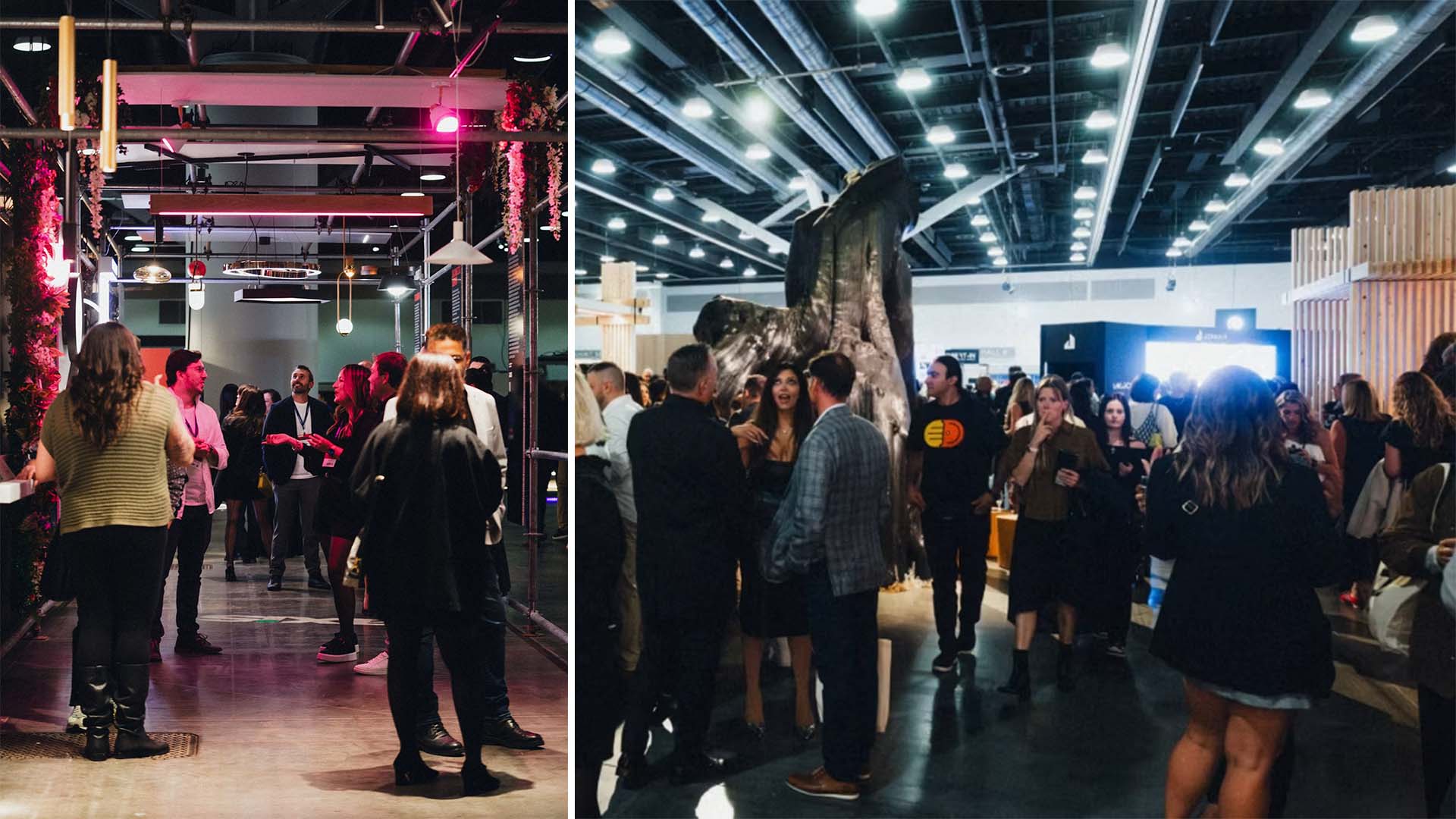
This year’s programme brings that conversation into focus through AI Won’t Replace Designers, But Designers Who Use It Will, which explores how AI and emerging technologies are being integrated into contemporary design practice, from research and visualisation to concept development and project communication. These tools are expanding the ways designers can test ideas, refine concepts and approach increasingly complex projects.
Rather than replacing creativity, AI is becoming another resource within the designer’s toolkit, while human judgement, experience and creative vision remain essential to giving each space its identity.
Source: IDS Vancouver
Neurodiversity in Interior Design
Interior design is becoming more attentive to the different ways people experience and respond to their surroundings.
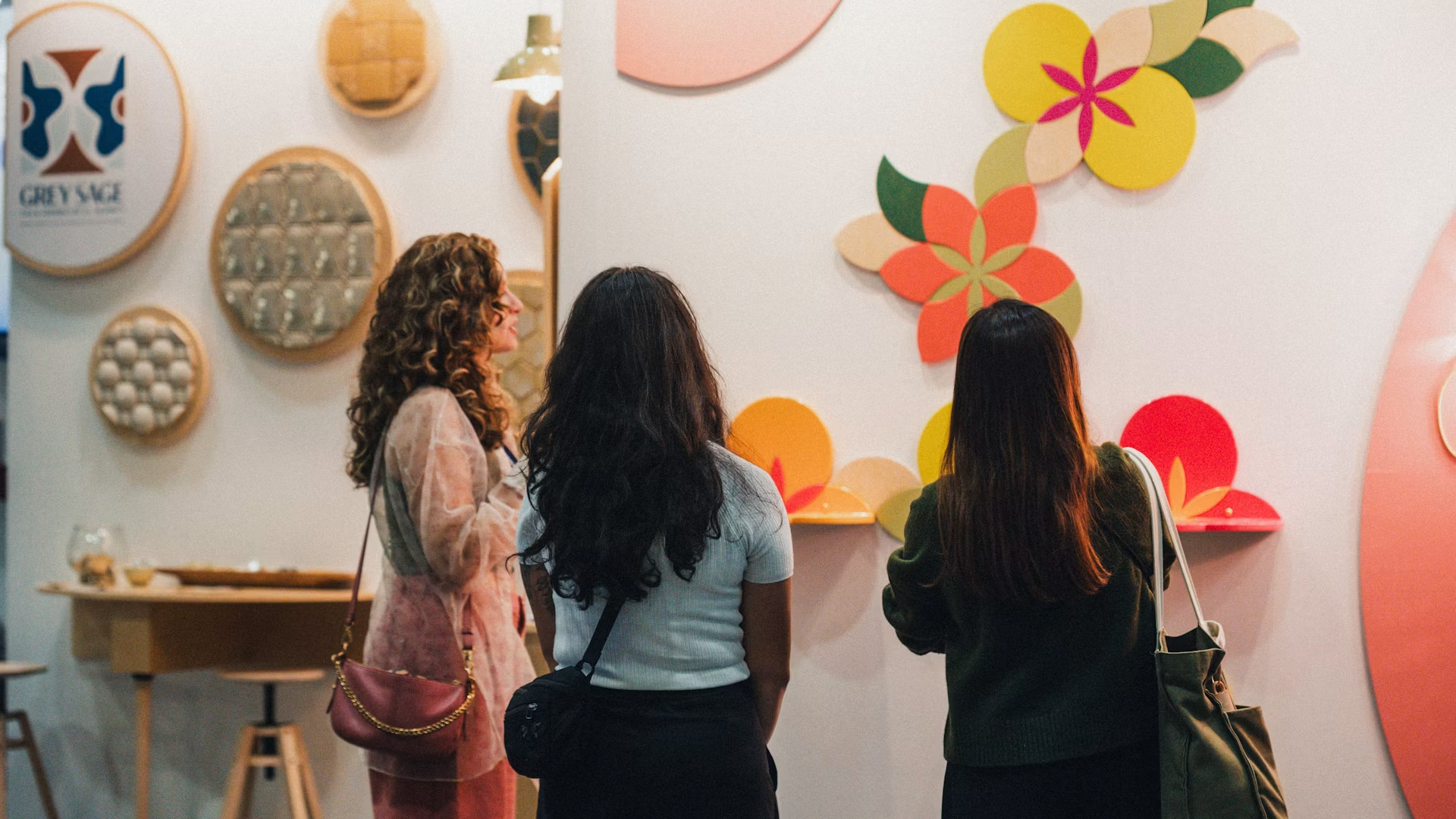
Among the topics gaining visibility throughout IDS Vancouver is neurodiversity, with Designing for Neurodivergence bringing attention to how lighting, acoustics, colour, materials and spatial organisation can influence comfort, concentration and sensory experience. For designers and architects, this means moving beyond one-size-fits-all solutions and considering a broader range of individual needs from the earliest stages of a project.
The result is a more inclusive approach to interior design, where the experience of the space becomes as important as its appearance.
Source: IDS Vancouver
The Future of Workplace Design
The workplace is becoming more flexible, social and responsive to the way people actually work.
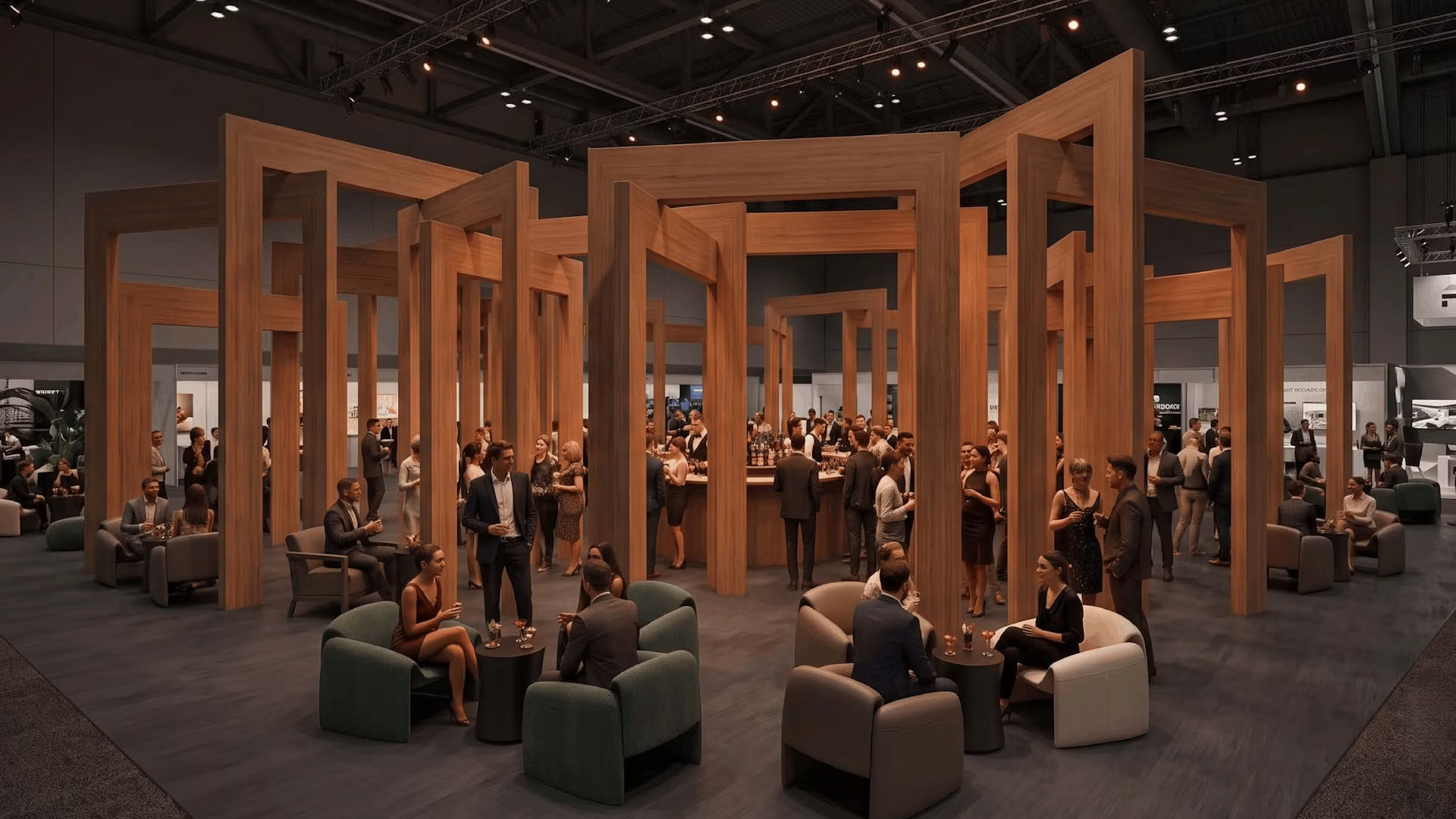
The evolution of workplace design is reflected across the show through How We Work and conversations such as The Curated Workplace, where community, wellbeing and placemaking become part of the workplace design discussion. As the boundaries between office, home and hospitality continue to blur, designers are reconsidering how professional environments can support concentration, collaboration and social interaction within the same space.
This shift is also bringing greater attention to comfort, atmosphere, lighting and the overall experience of the workplace. Rather than focusing only on productivity, contemporary workplace design is increasingly about creating environments that adapt to different needs while encouraging people to connect, focus and feel at ease.
Source: IDS Vancouver
Biophilic Design and Wellbeing
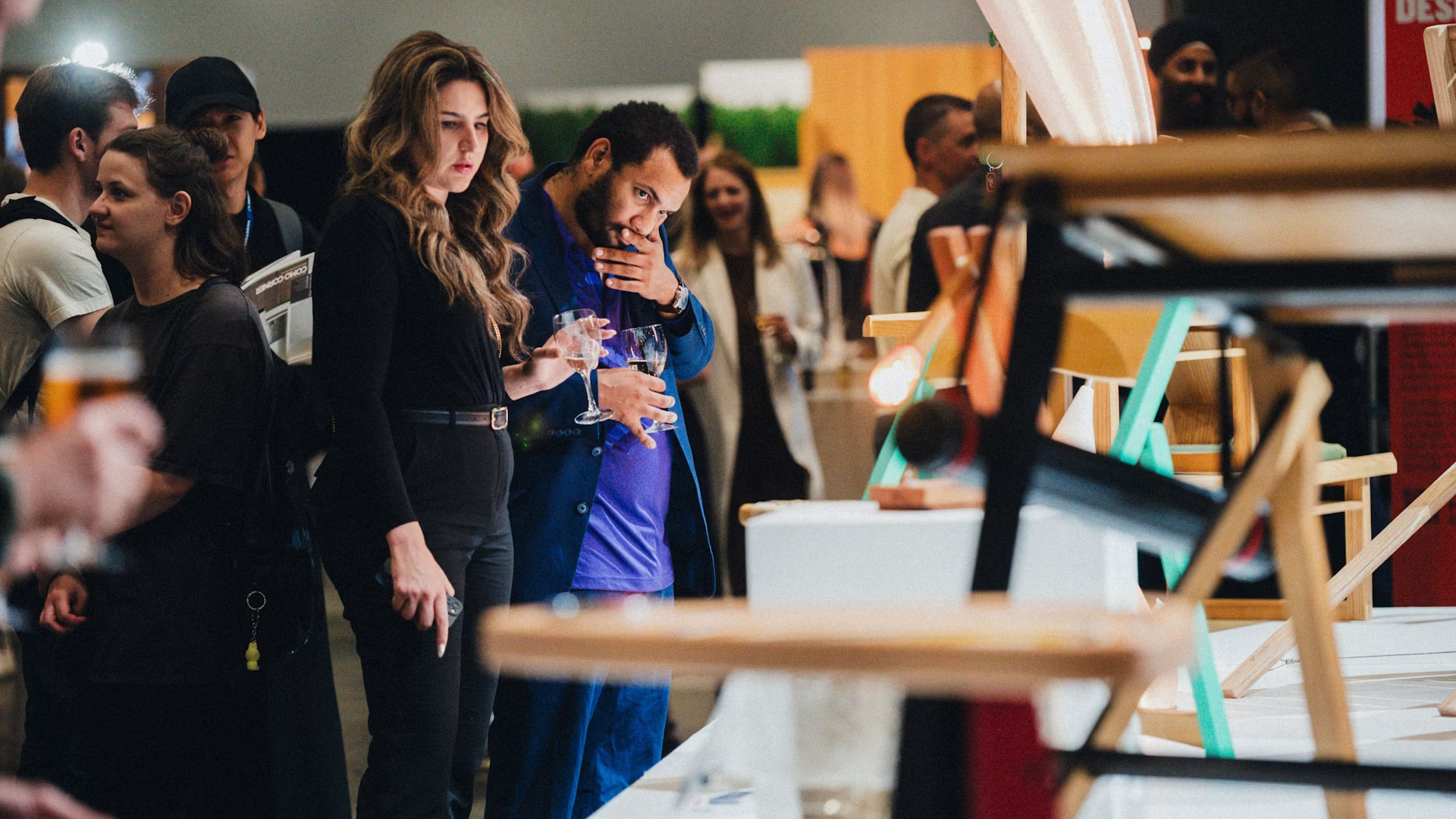
Nature and wellbeing also take a prominent place in this year’s IDS programme. Designing for Wellbeing: Biophilic Design and the Power of Exposed Wood explores this relationship directly, while the theme also appears across installations that bring natural materials, organic forms and references to the surrounding landscape into the exhibition.
Biophilic design goes beyond using nature as a visual reference. Daylight, wood, texture and natural forms can influence atmosphere, comfort and the way a space is experienced, encouraging designers and architects to create interiors that feel more connected to both people and place. This approach can influence everything from material selection and lighting to the way spaces are organised and experienced.
Nature becomes part of the experience, not just the aesthetic.
Source: IDS Vancouver
Sustainable Interior Design and Restoration
Sustainability is increasingly about what can be preserved, improved and extended.
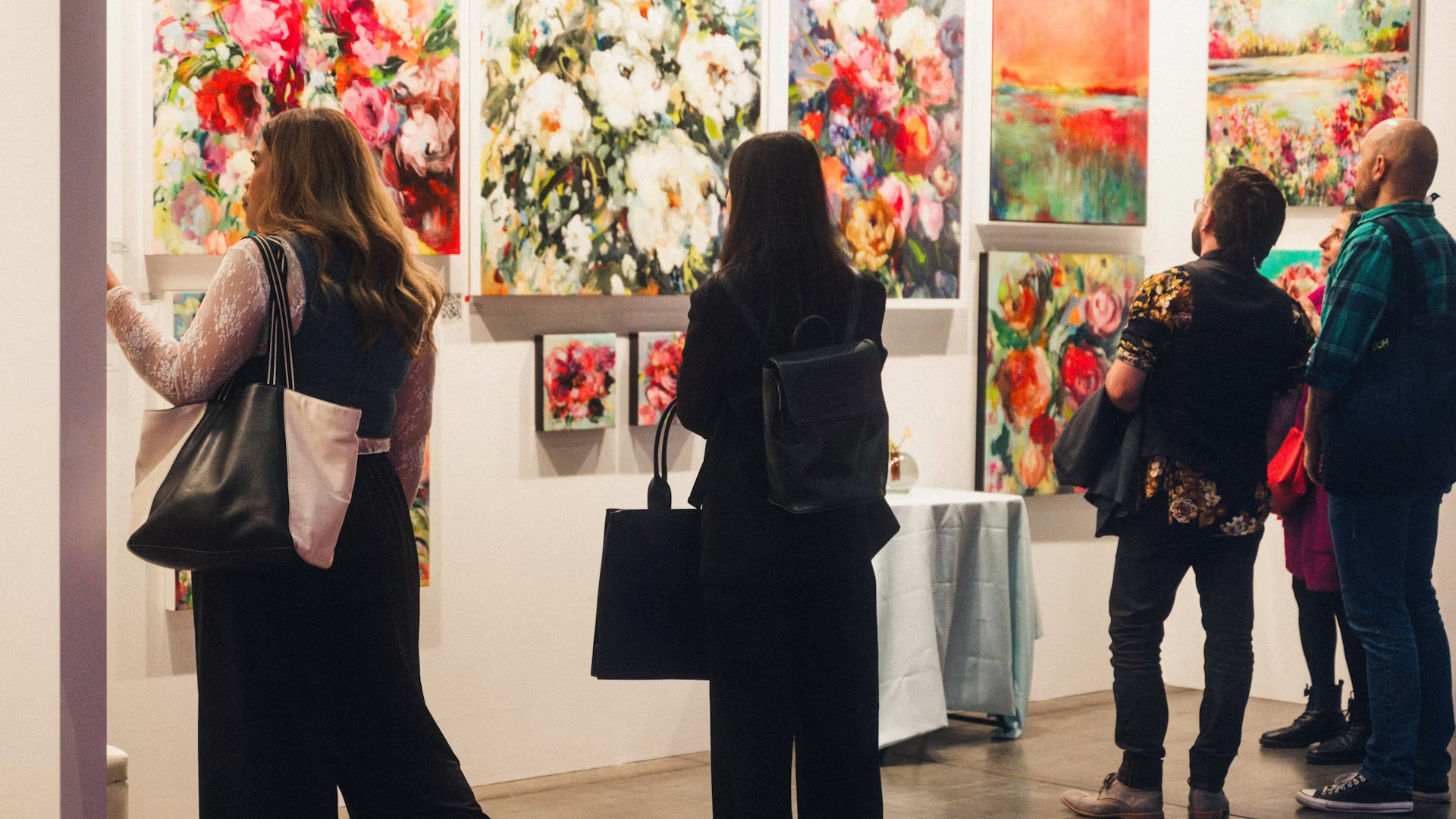
This broader approach to sustainable design appears in sessions such as Restoration Over Rebuild and Merging Passive House Performance Standards with Contemporary Residential Design, which bring preservation, building performance and long-term impact into the conversation. Rather than focusing only on material choices, these discussions highlight how existing spaces can be adapted and made more efficient over time.
For designers and architects, this means considering longevity, adaptability and responsible intervention as part of sustainable interior design. Restoration can preserve architectural character while reducing unnecessary change, creating spaces that respond to current needs without losing what already gives them value.
Source: IDS Vancouver
The Rise of Hyper-Personal Interiors
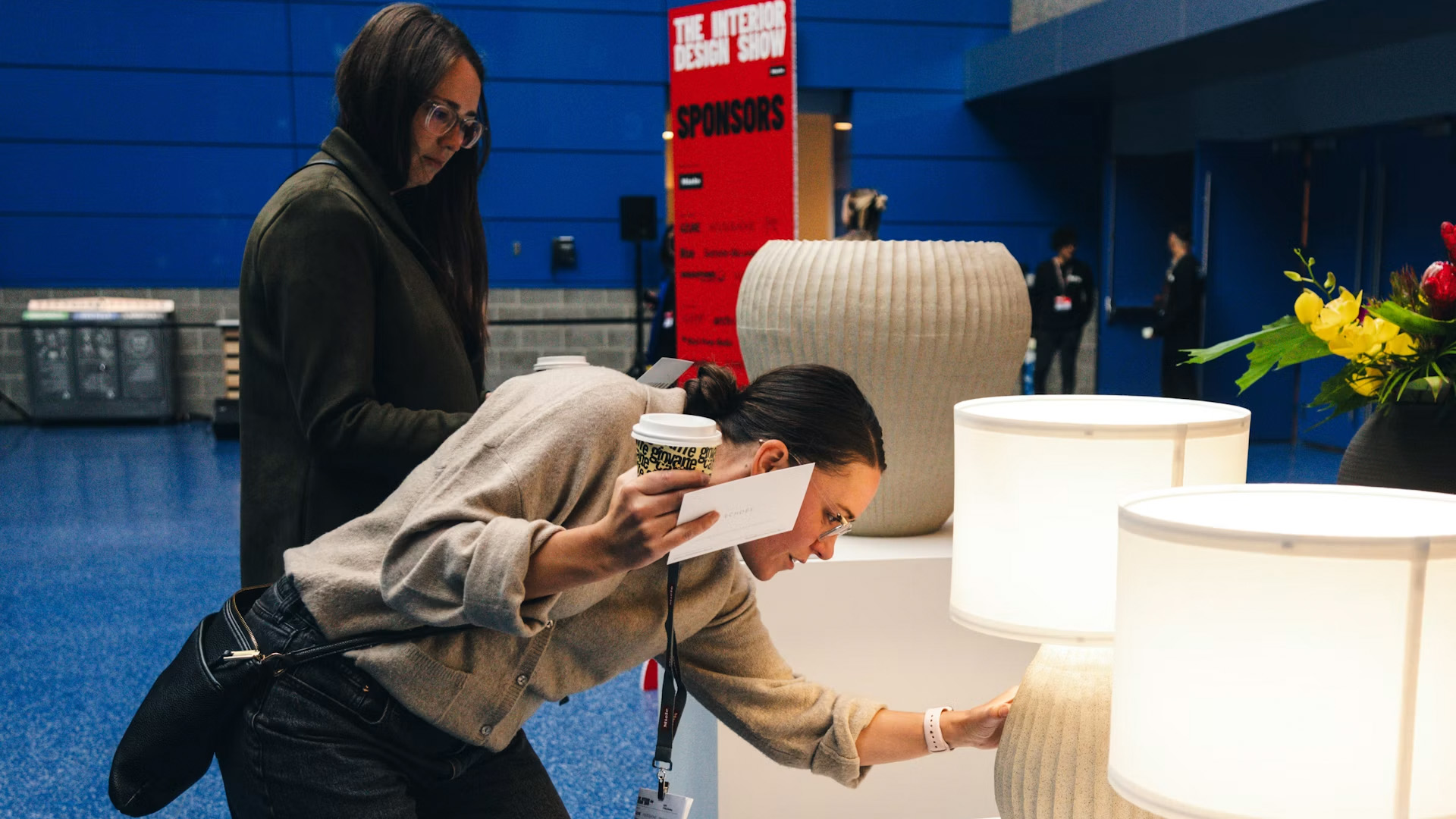
One of the conversations highlighted in this year’s IDS Vancouver programme is the move towards hyper-personal interiors. Made for Your Room, Not “a Room”: The Coming Age of Hyper-Personal Interiors reflects a growing shift away from one-size-fits-all design, with greater attention given to individual lifestyles, routines and preferences.
For designers, personalisation can influence everything from layout and furniture to lighting, materials and art. The focus moves beyond following a particular aesthetic towards creating interiors that feel specific to the people who inhabit them, allowing identity and everyday behaviour to become part of the design process.
Personalisation is becoming part of what gives a space its character.
Source: IDS Vancouver
A Changing Design Landscape
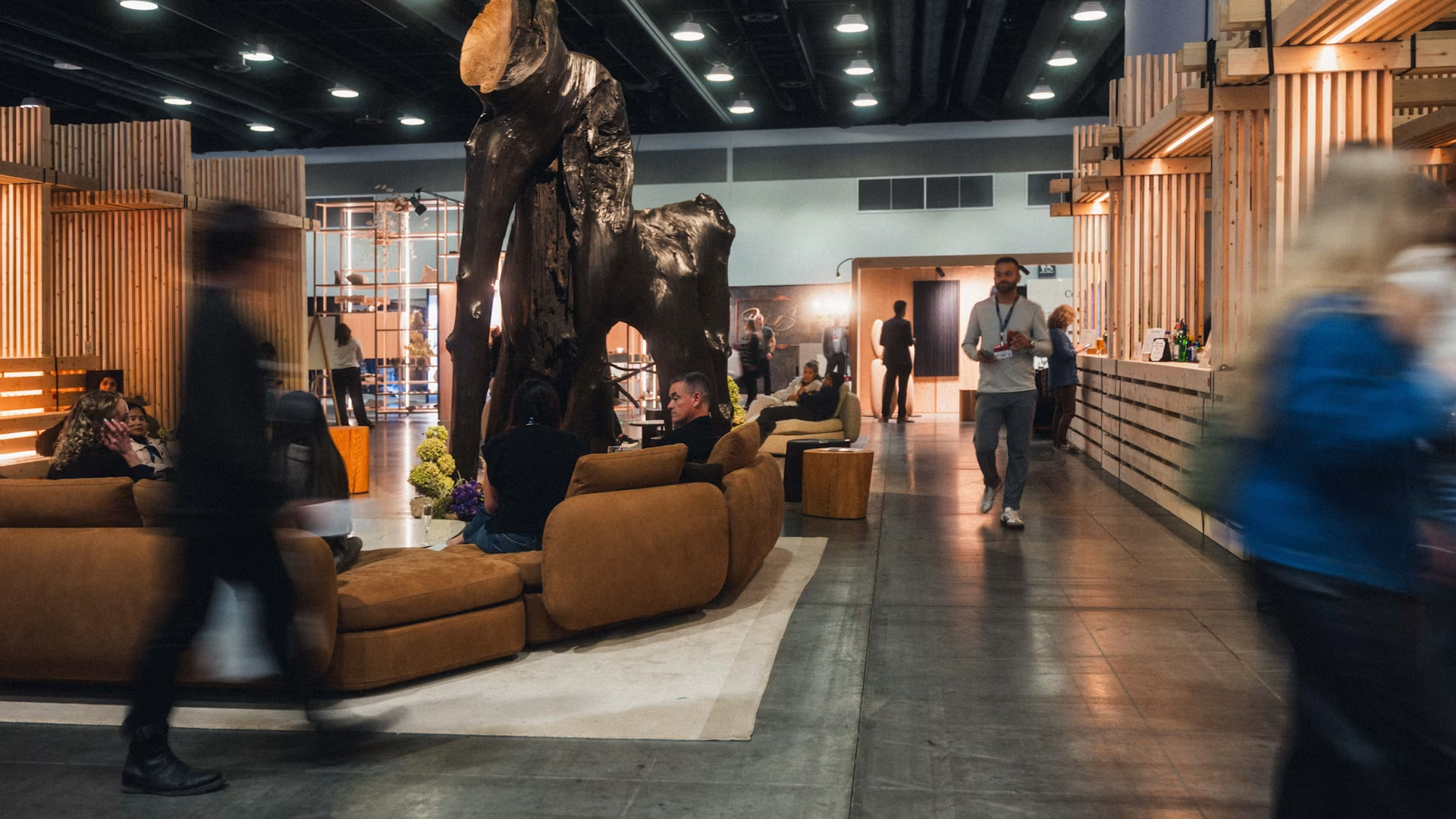
Taken together, the themes explored at IDS Vancouver 2026 reflect how quickly the priorities of interior design are evolving. Technology, inclusion, workplace culture, wellbeing, sustainability and personalisation are increasingly shaping the way designers approach the same project.
This year’s programme captures that shift, showing an industry looking beyond visual trends and paying closer attention to how spaces are created, experienced and adapted over time.
Design is becoming more responsive to the way we live.
Source: IDS Vancouver
Related Articles
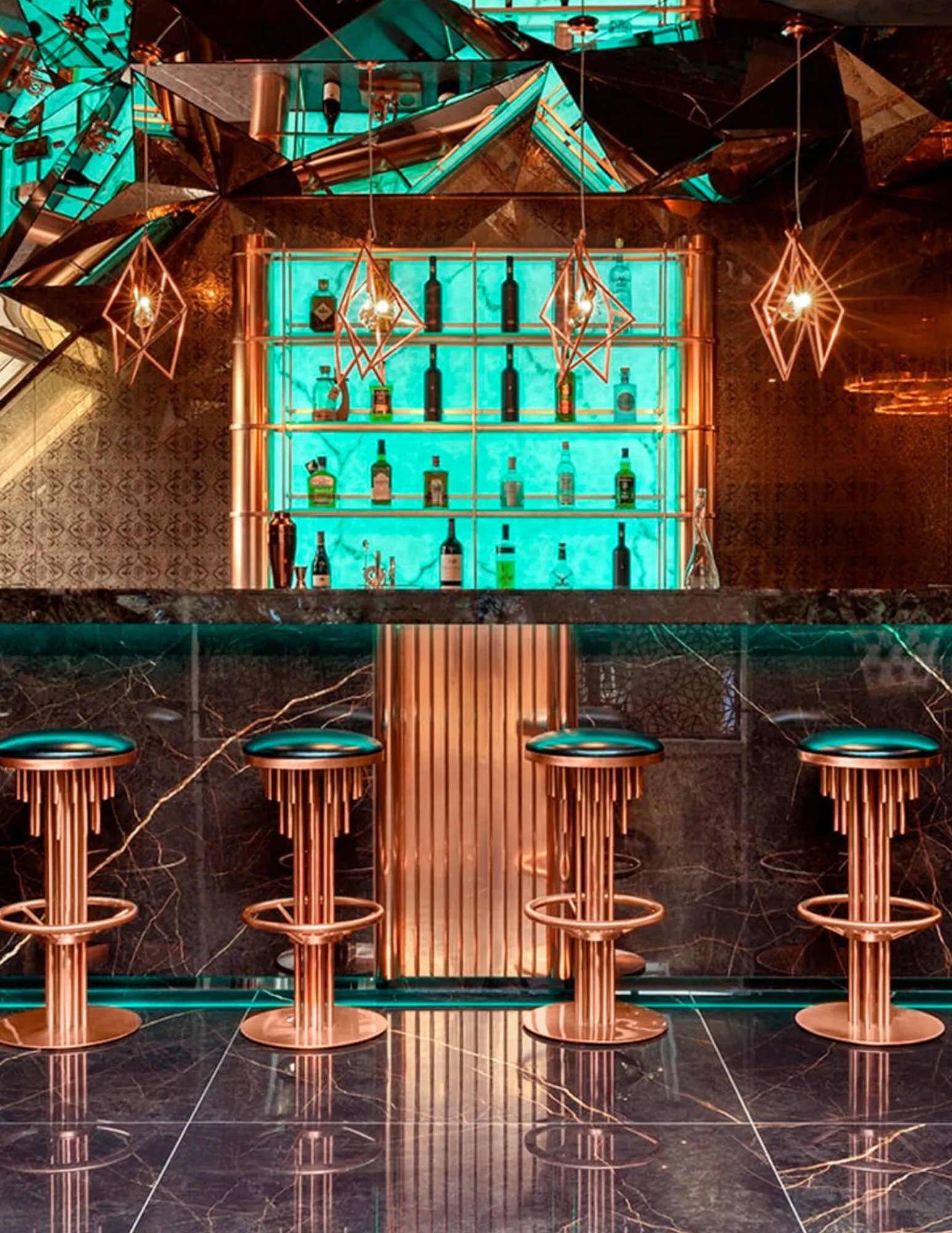
Luxury Bar Stool: A Statement of Sophisticated Design

Estella Prestige: Creating a Language of Light and Luxury
An Interview with Mam Mata, Founder of Estella Prestige
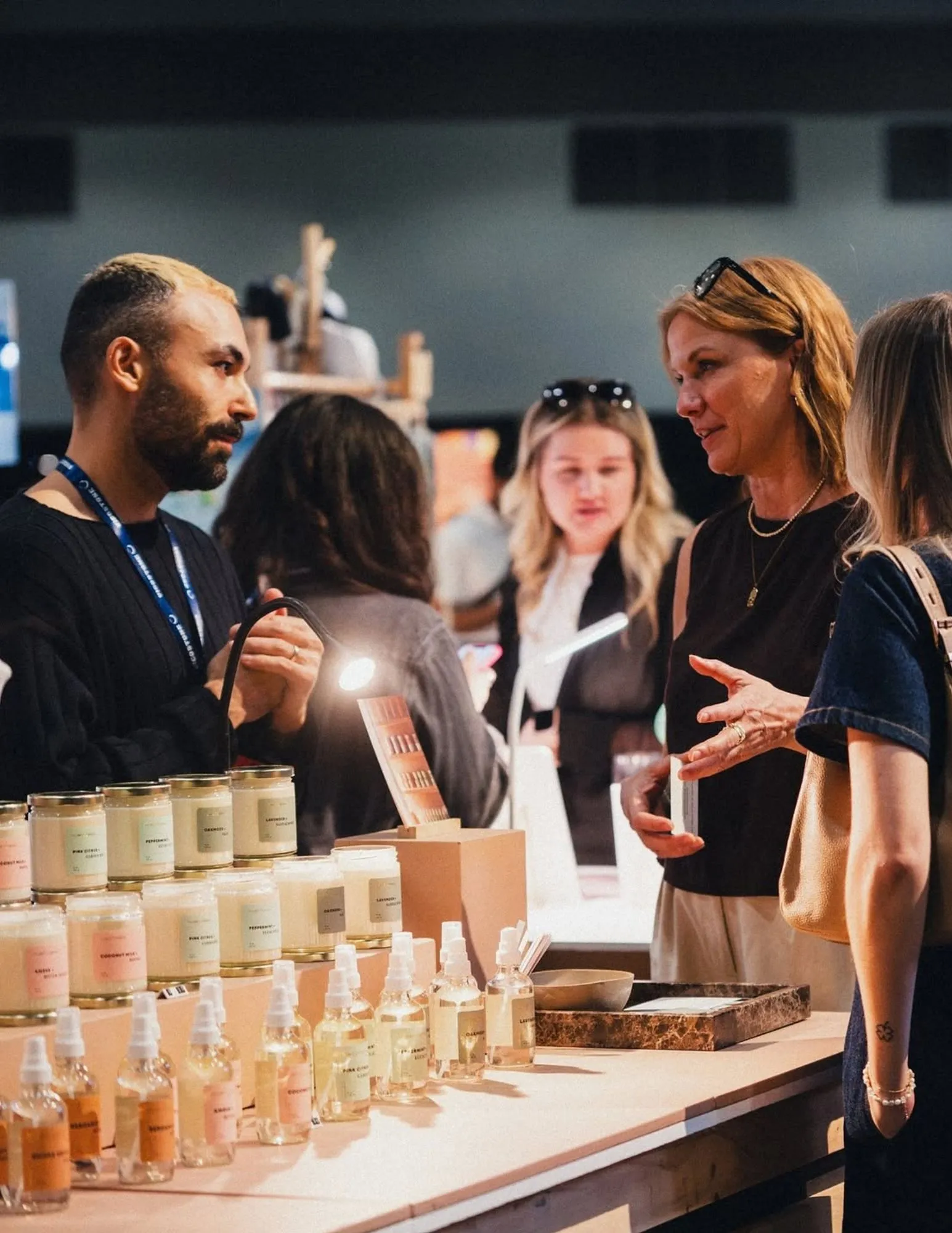
Inside IDS Vancouver 2026: The Ultimate Guide to the Event
Luxury Lighting for Low Ceilings: How to Create Impact Without Losing Space