BLOG & NEWS
Modern Cottage Style: Can Country Living Feel Luxurious?
Modern Cottage Style: Can Country Living Feel Luxurious?
Modern Cottage offers a contemporary interpretation of country living, combining the warmth and character associated with traditional cottage interiors with cleaner lines and a more restrained approach to decoration. The style has developed as a contemporary counterpart to more rustic cottage and farmhouse aesthetics, while retaining their emphasis on comfort and a connection to nature.
Rather than recreating a traditional cottage, the approach brings together natural materials, soft colours, comfortable furnishings and selected vintage elements with more contemporary forms. The result can feel relaxed and lived-in while still allowing for refined finishes and distinctive design choices.
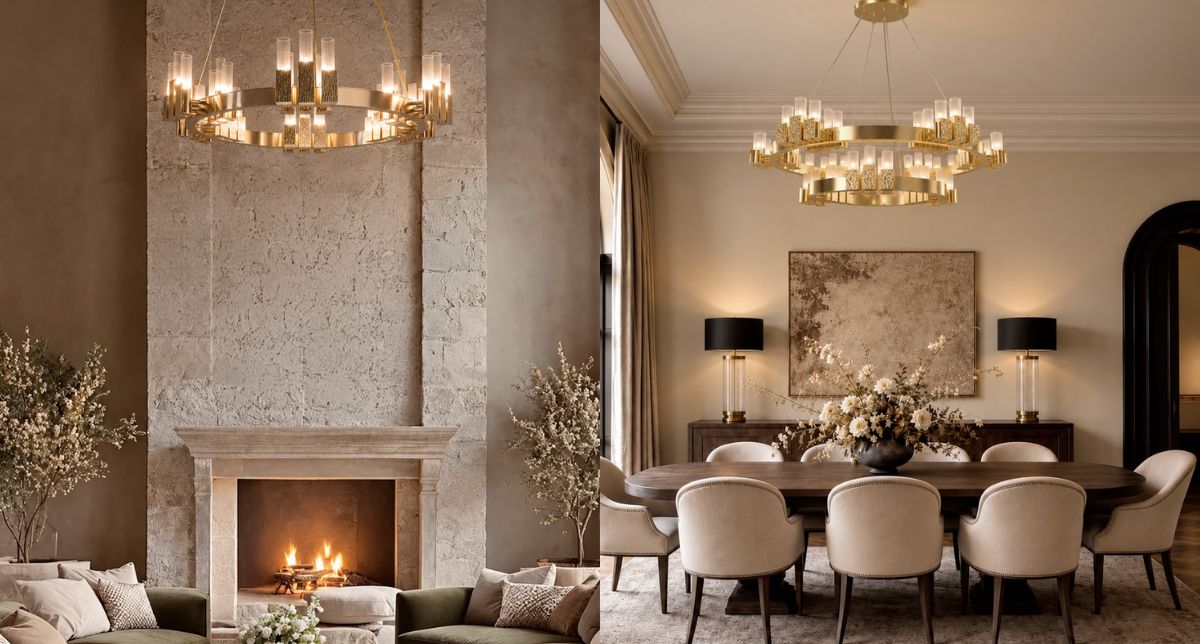
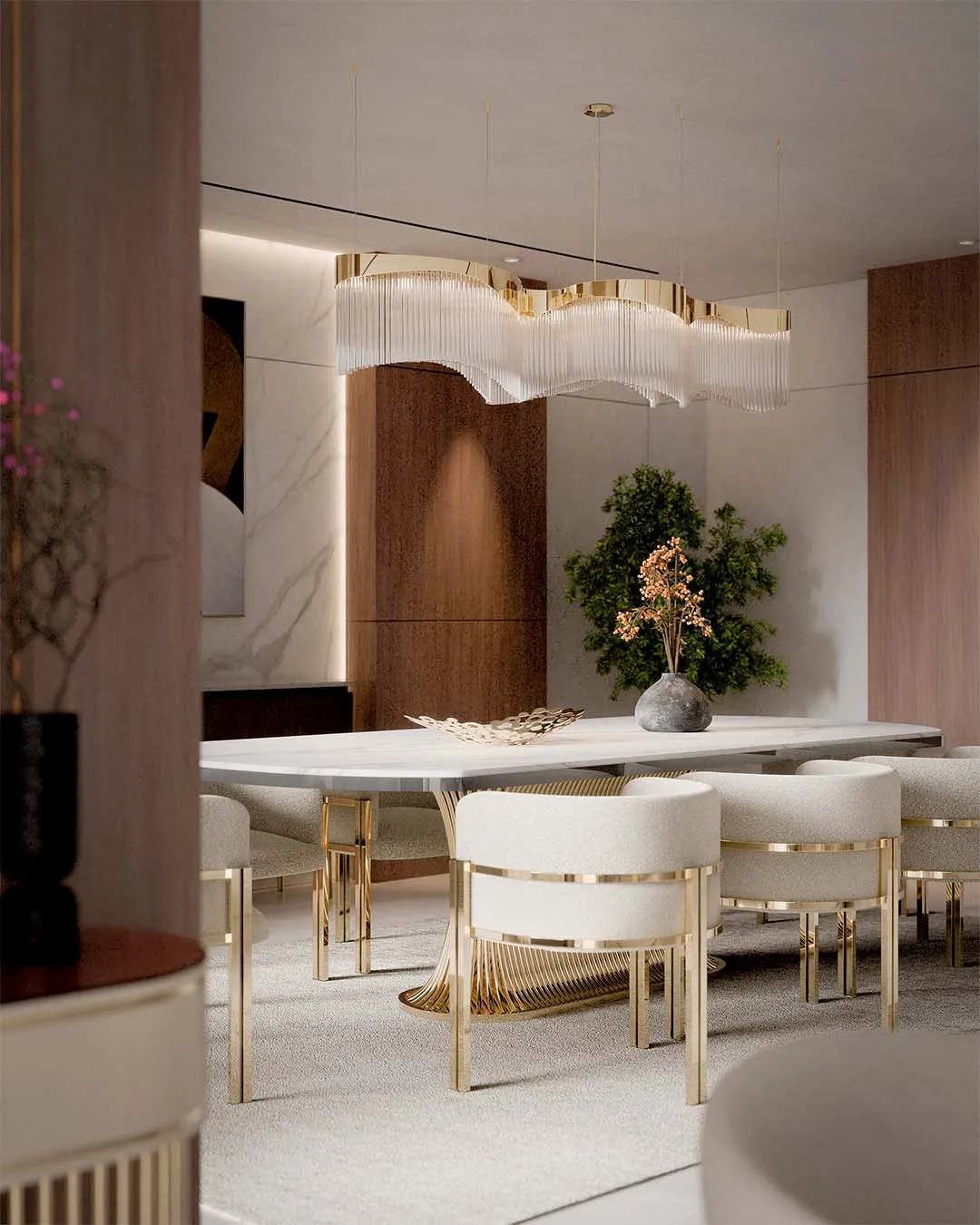
Queen Suspension By Castro Lighting
See also: 7 Lighting Shifts That Will Define Luxury Interiors in 2027
What Is Modern Cottage Style?
Modern Cottage takes inspiration from traditional country homes while introducing a cleaner and more contemporary aesthetic. Natural textures, simple forms and comfortable furnishings are combined with vintage pieces and original architectural details.
Features such as exposed beams, fireplaces, wooden floors and panelling can give a space a sense of history. Contemporary furniture and more restrained decoration then provide contrast, allowing these features to remain part of the interior without making it feel overly rustic.
The result is a style that preserves character while making room for a more current way of living.
What Colours Define the Modern Cottage Look?
Colour helps establish the calm and welcoming atmosphere associated with cottage interiors. Warm whites, creams, beige and other soft neutrals can provide a gentle foundation, while muted greens, blues and earthy tones introduce depth and variation.
The palette does not need to remain completely neutral. Deeper, nature-inspired tones can be introduced through furniture, textiles, walls or smaller decorative details, adding personality while keeping the overall composition cohesive.
This approach allows colour to bring character without overpowering the architecture and materials of the space.
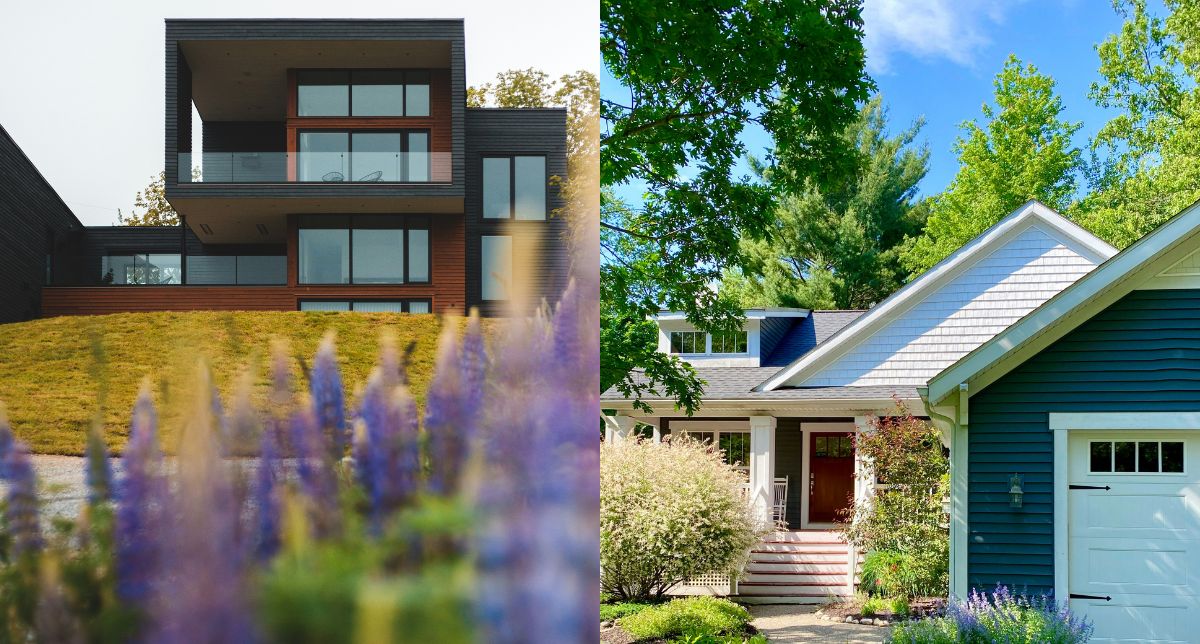
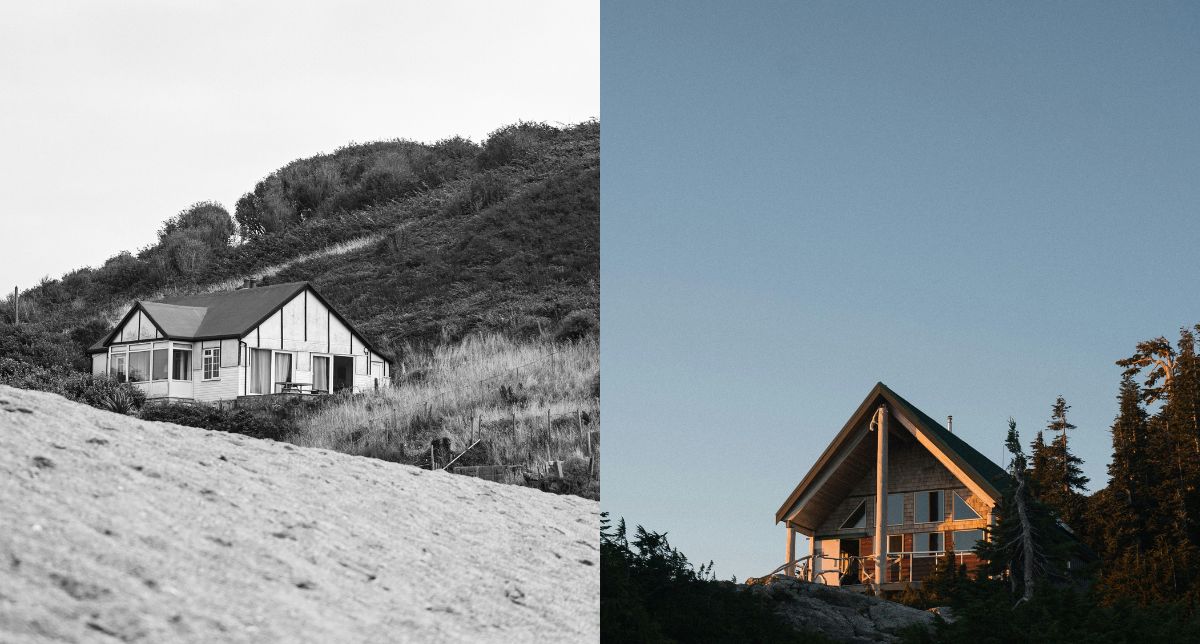
Source: Let's Talk Cape Town | Unsplash
Why Natural Materials Matter in Cottage Interiors
Natural materials are central to the character of cottage design. Wood, stone, linen, wool and other tactile surfaces bring warmth and texture while reinforcing the connection to nature that is often associated with the style.
Their natural variation can also provide visual interest without requiring excessive decoration. The grain of timber, the texture of linen or the irregularity of stone can become part of the composition, creating an interior that feels authentic and considered.
More refined finishes can be introduced alongside these materials, adding contrast without losing the warmth of the setting.
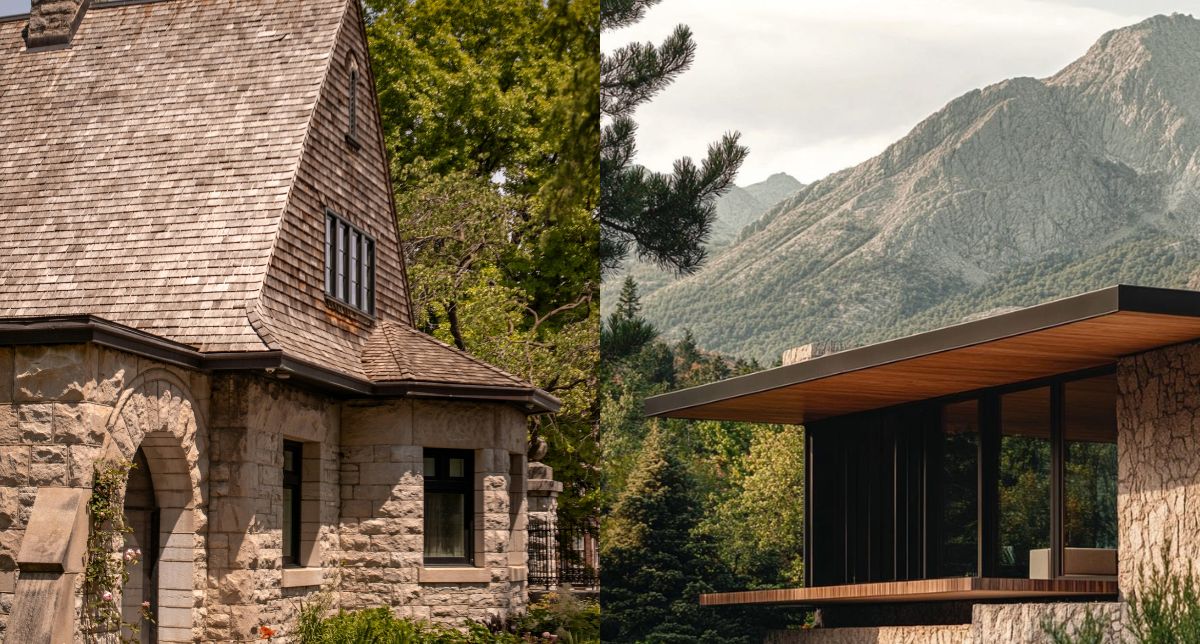
Source: Unsplash | Build Green New Homes
How to Mix Traditional and Contemporary Elements
The contemporary quality of Modern Cottage often comes from the way different periods and design languages are brought together. Vintage or inherited furniture can be combined with contemporary pieces, while original architectural details can provide a backdrop for simpler, more modern forms.
The aim is not to make every element belong to the same period. A traditional table can work alongside contemporary seating, for example, while modern artwork or lighting can create a point of contrast.
The mix gives the interior a more collected and personal quality.
How to Create a Warm and Comfortable Interior
Comfort is one of the defining qualities of cottage interiors. Upholstered furniture, natural textiles, layered fabrics and soft textures can make a room feel welcoming and lived-in.
The modern interpretation is often more edited. Instead of filling the room with decorative objects, a considered selection of furniture, textiles and personal details can create warmth while allowing the architecture and materials to remain visible.
Comfort and refinement can exist within the same space.
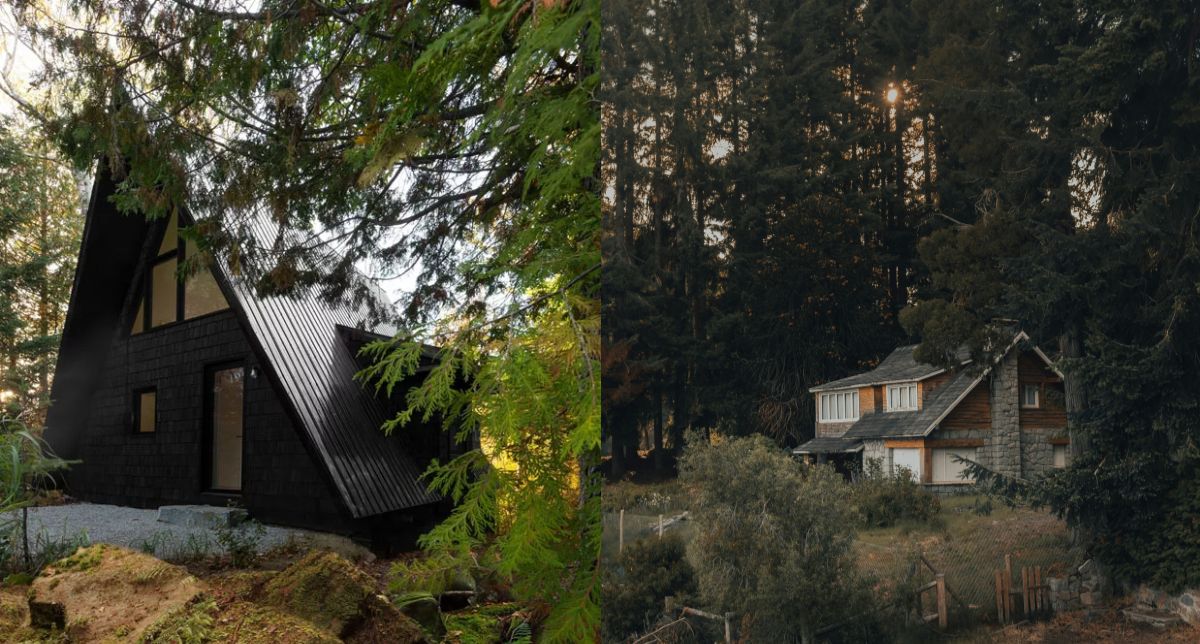
Source: Casa Vogue | Unsplash
The Role of Lighting in Cottage Interiors
Lighting contributes to both the atmosphere and functionality of a cottage interior. Different sources can be combined to create layers of light, from ambient illumination to more focused and decorative sources.
Wall lights can complement architectural features, while table lamps and smaller sources can create softer pools of light. Pendant lights and chandeliers can introduce a stronger visual element, particularly when their materials and finishes relate to the rest of the interior.
A carefully selected fixture can add character without disrupting the warmth of the setting.
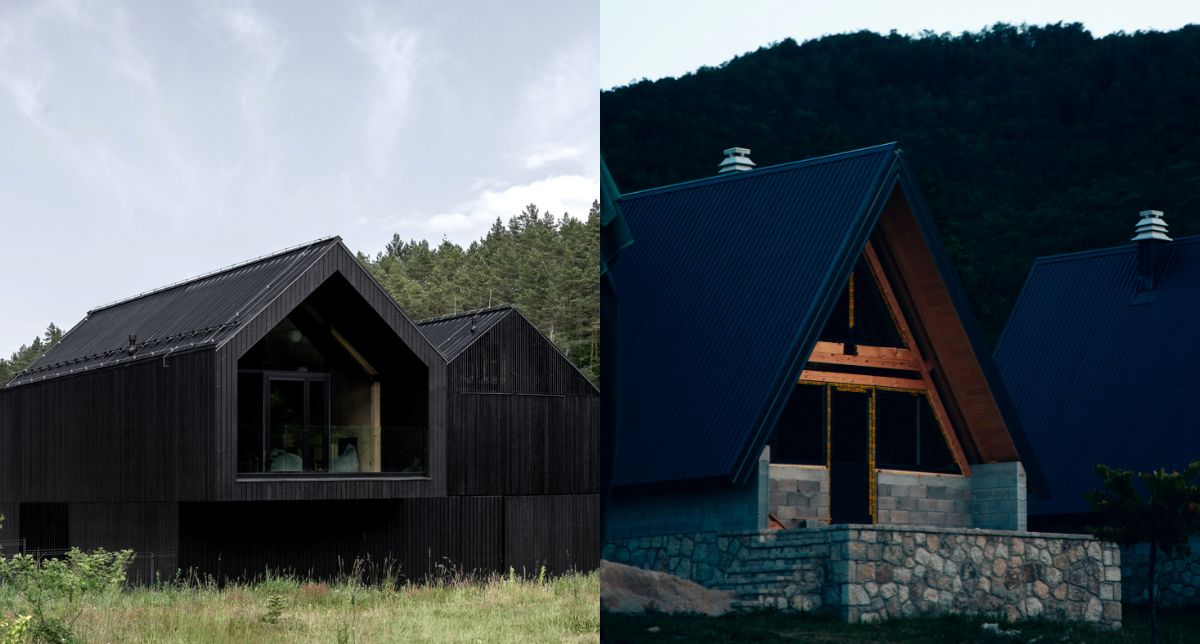
Can a Statement Chandelier Work in a Cottage Interior?
A statement chandelier can introduce a more contemporary element into a cottage-inspired interior, creating contrast with natural materials, traditional details and softer furnishings. One distinctive piece can add visual impact without taking away from the warmth of the space.
Sculptural chandeliers with refined materials and distinctive forms can bring a stronger sense of character to a more traditional setting, creating a considered contrast between classic surroundings and contemporary design.
The contrast can become part of the charm.
Related Articles

Estella Prestige: Creating a Language of Light and Luxury
An Interview with Mam Mata, Founder of Estella Prestige
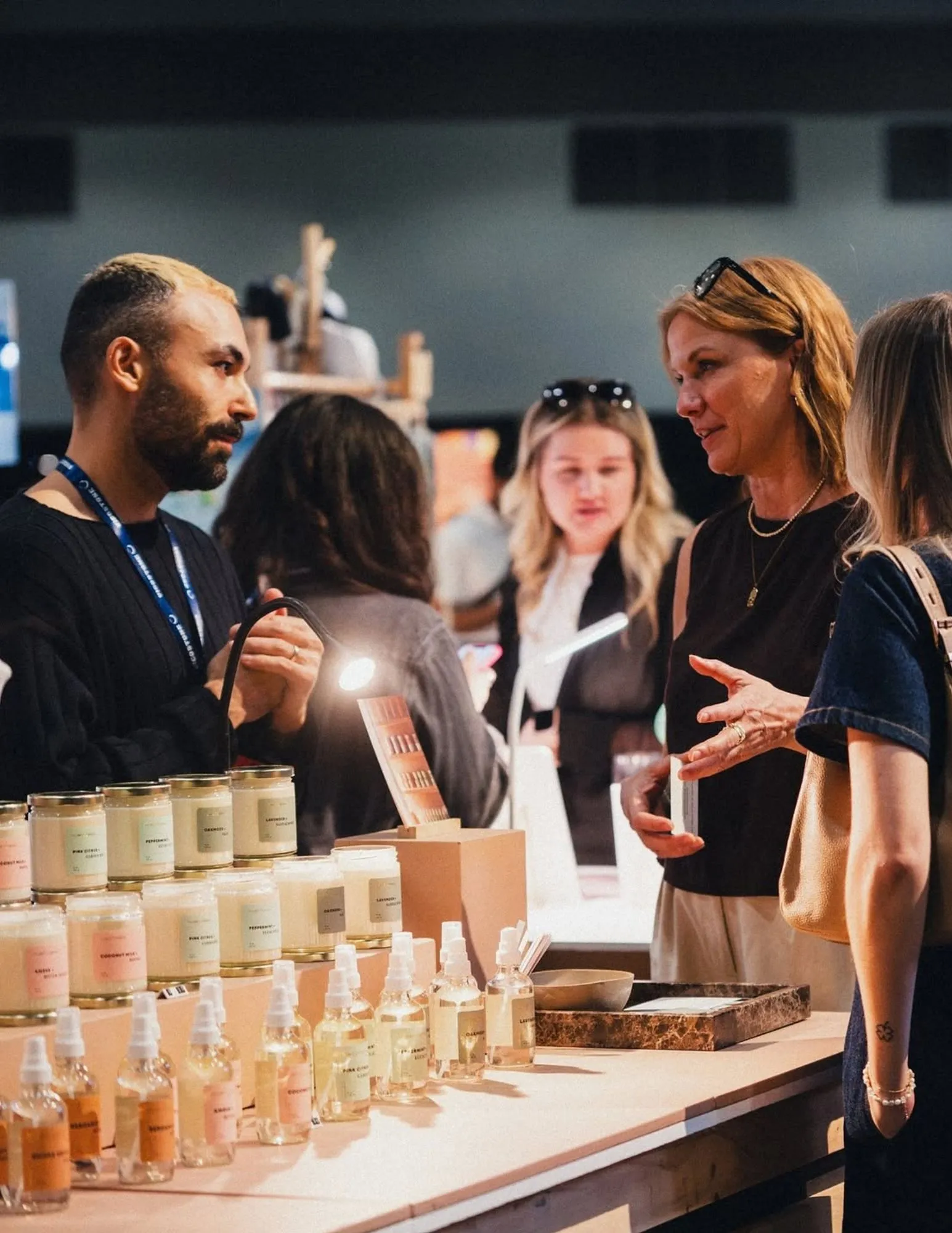
Inside IDS Vancouver 2026: The Ultimate Guide to the Event
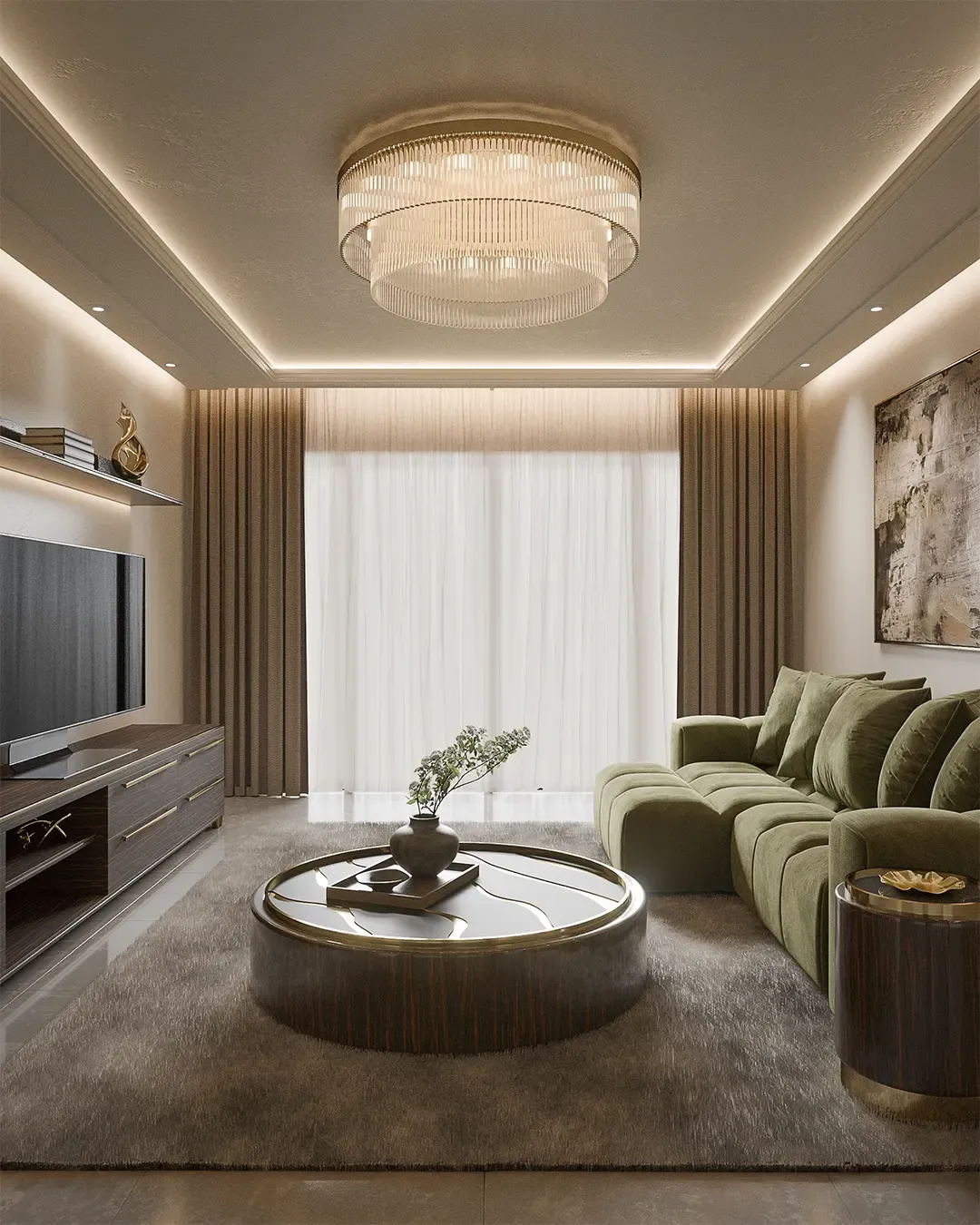
Luxury Lighting for Low Ceilings: How to Create Impact Without Losing Space

IDS Vancouver 2026: Interior Design Trends Shaping This Year’s Show

Top Luxury Hotels in Vancouver: 10 Iconic Stays to Experience
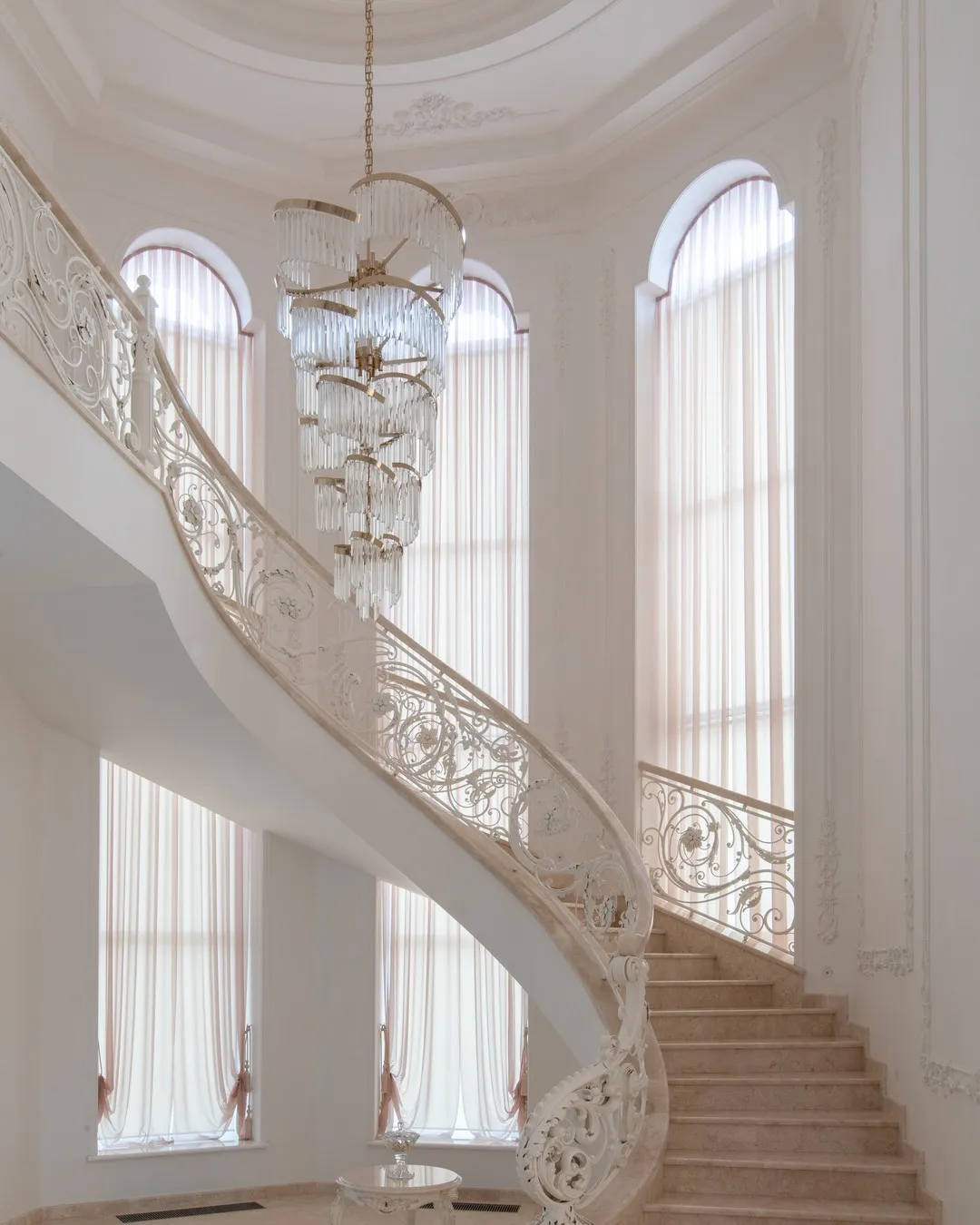
Is Quiet Luxury Over? Inside the Shift Defining 2027
7 Lighting Shifts That Will Define Luxury Interiors in 2027

The New Value of “Made in Portugal”: When Louis Vuitton Puts Portugal on the Label