BLOG & NEWS
Organic Lighting Design: How Nature’s Boldest Forms Are Shaping Luxury Interiors in 2026
Organic Lighting Design: How Nature’s Boldest Forms Are Shaping Luxury Interiors
Organic lighting design is taking on a new identity in 2026, moving beyond the idea that nature-inspired interiors must always feel soft, calm or restrained. Designers are increasingly exploring a more expressive side of the natural world, where irregularity, movement and tension become part of the visual language of a space.
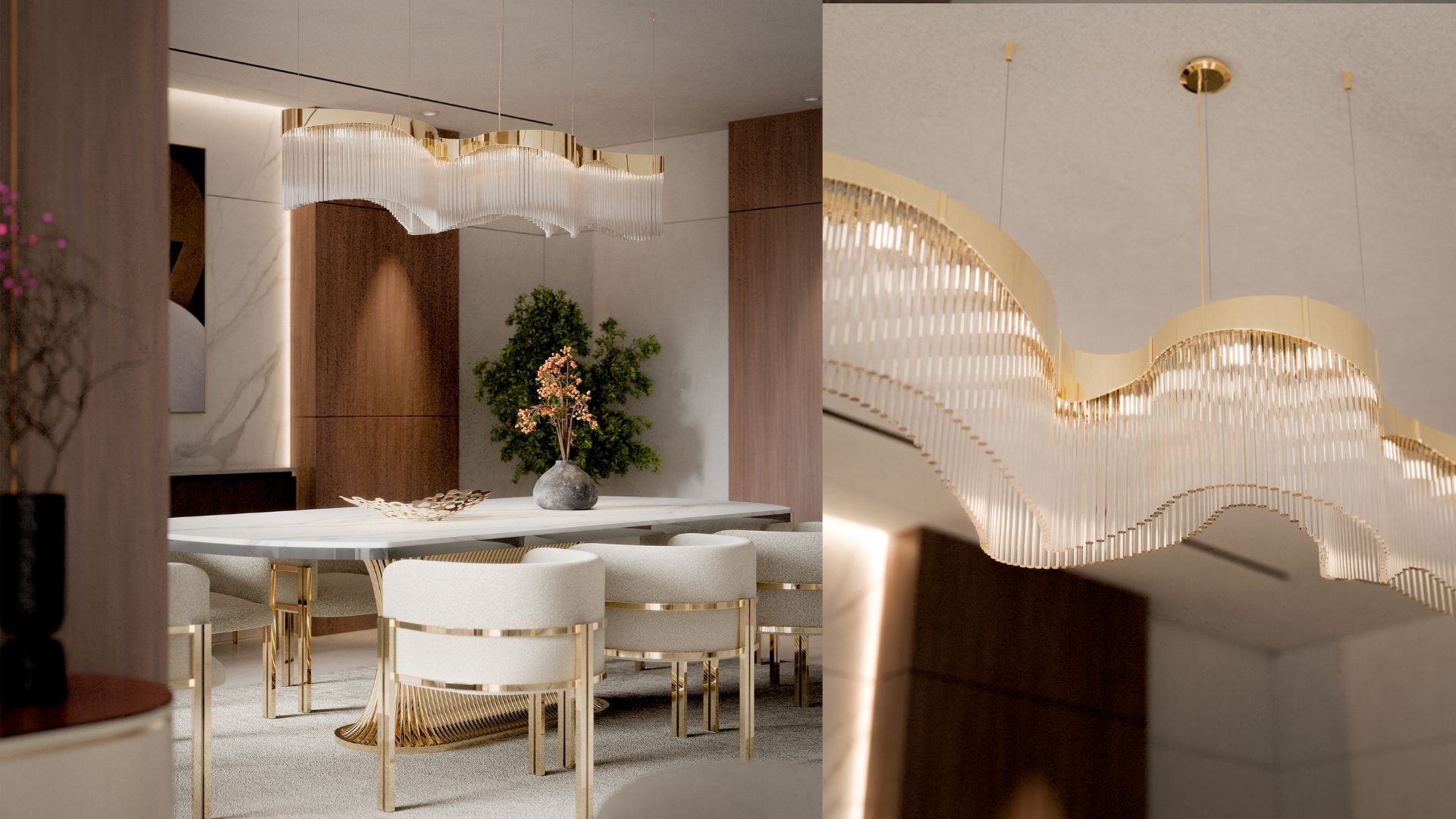
Flow Snooker Suspension | Castro Lighting
1. Organic Design Is Becoming More Expressive
Organic design is no longer defined only by gentle curves and harmonious shapes. In contemporary interiors, it is becoming bolder and more dynamic, embracing the irregular forms and unexpected rhythms that naturally exist in the world around us.
Nature rarely follows perfect symmetry. Branches grow in different directions, water continuously reshapes its path, and landscapes are formed through layers of movement and transformation. When these principles are translated into lighting design, the result can feel fluid and natural without becoming predictable.
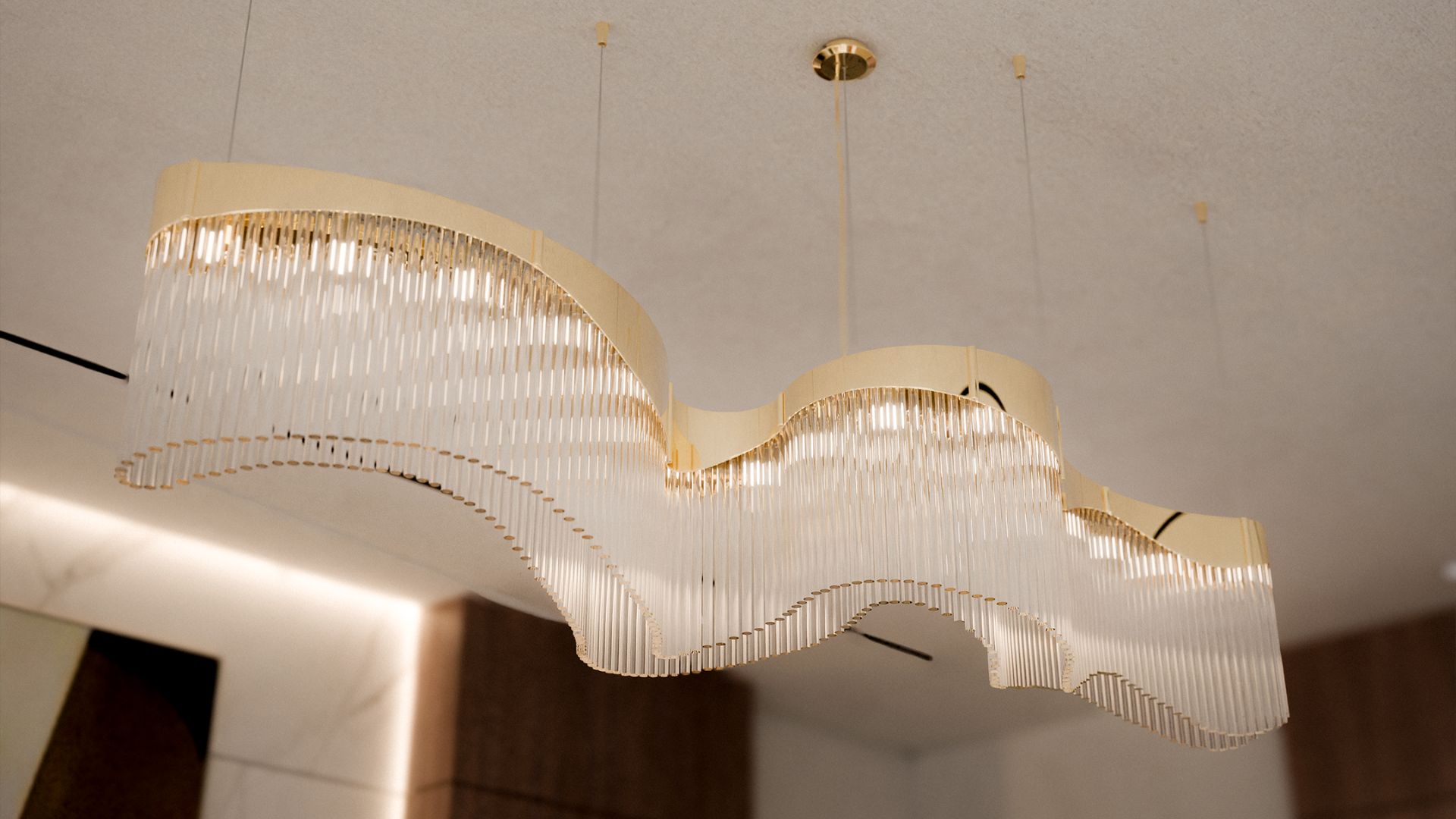
Flow Snooker Suspension | Castro Lighting
2. Lighting Is Becoming Part of the Architecture
The most compelling designs often seem to create movement even when they are completely still. Through curves, repetition and changing proportions, they introduce a visual rhythm that transforms the atmosphere of the room and gives the surrounding architecture a new sense of energy.mThis is where lighting begins to move beyond function. It becomes part of the spatial composition itself, influencing how the room feels, where attention is directed and how different areas relate to one another.
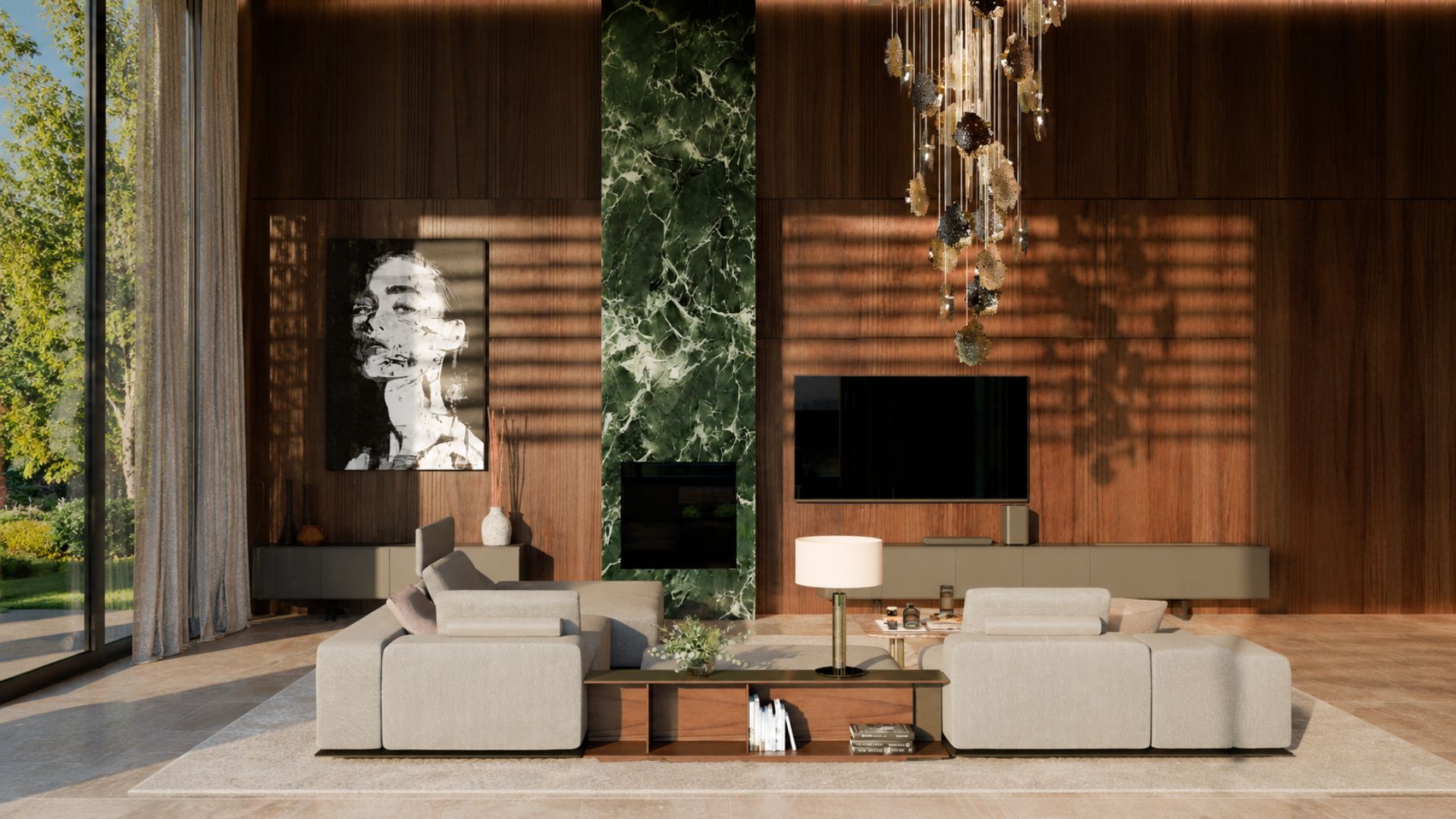
Magma Suspension | Castro Lighting
3. Imperfection Is Giving Luxury More Character
For many years, luxury interiors were closely associated with symmetry, polished surfaces and a highly controlled sense of perfection. Today, however, there is a growing appreciation for designs that feel less rigid and more individual.
This does not mean moving away from quality or precision. On the contrary, creating an organic form that appears spontaneous can require an extraordinary level of technical knowledge and craftsmanship. The complexity lies in making something carefully considered feel effortless.Irregularity can introduce depth and personality into a space, particularly when it is placed in contrast with cleaner architectural lines. A sculptural lighting piece with an unexpected silhouette can disrupt the visual order just enough to make an interior feel more distinctive and memorable.
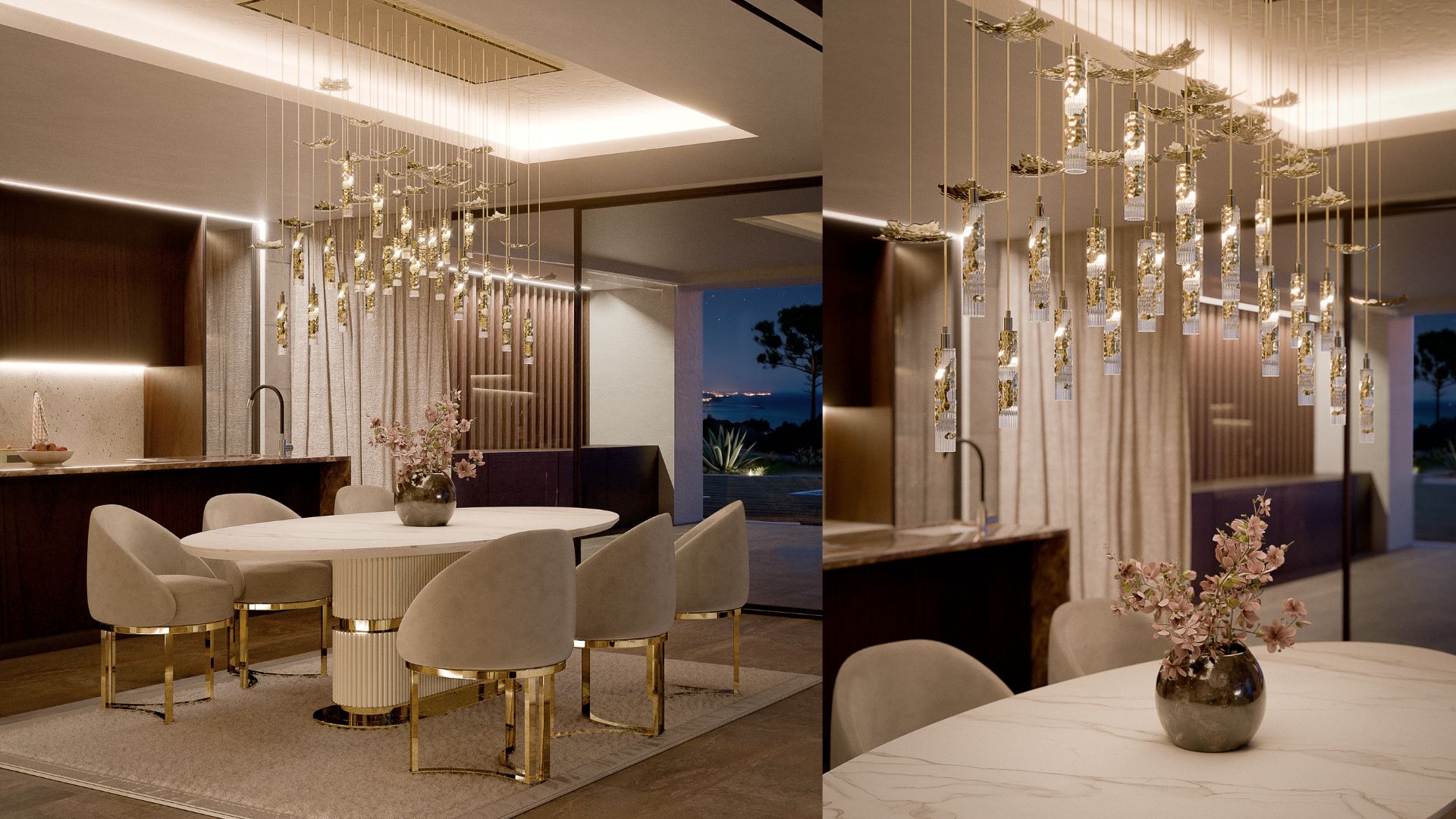
Magma Rectangular Suspension | Castro Lighting
4. Nature Is Inspiring Movement Rather Than Literal Form
The most sophisticated nature-inspired designs rarely attempt to reproduce nature exactly. Instead of creating a direct representation of a flower, branch or wave, designers are increasingly interested in the movement, rhythm and emotion behind these forms.
By focusing on principles such as continuous movement, asymmetry and transformation, organic lighting can feel familiar without being obvious. The inspiration is present in the way the piece behaves within the space rather than in a recognisable motif.
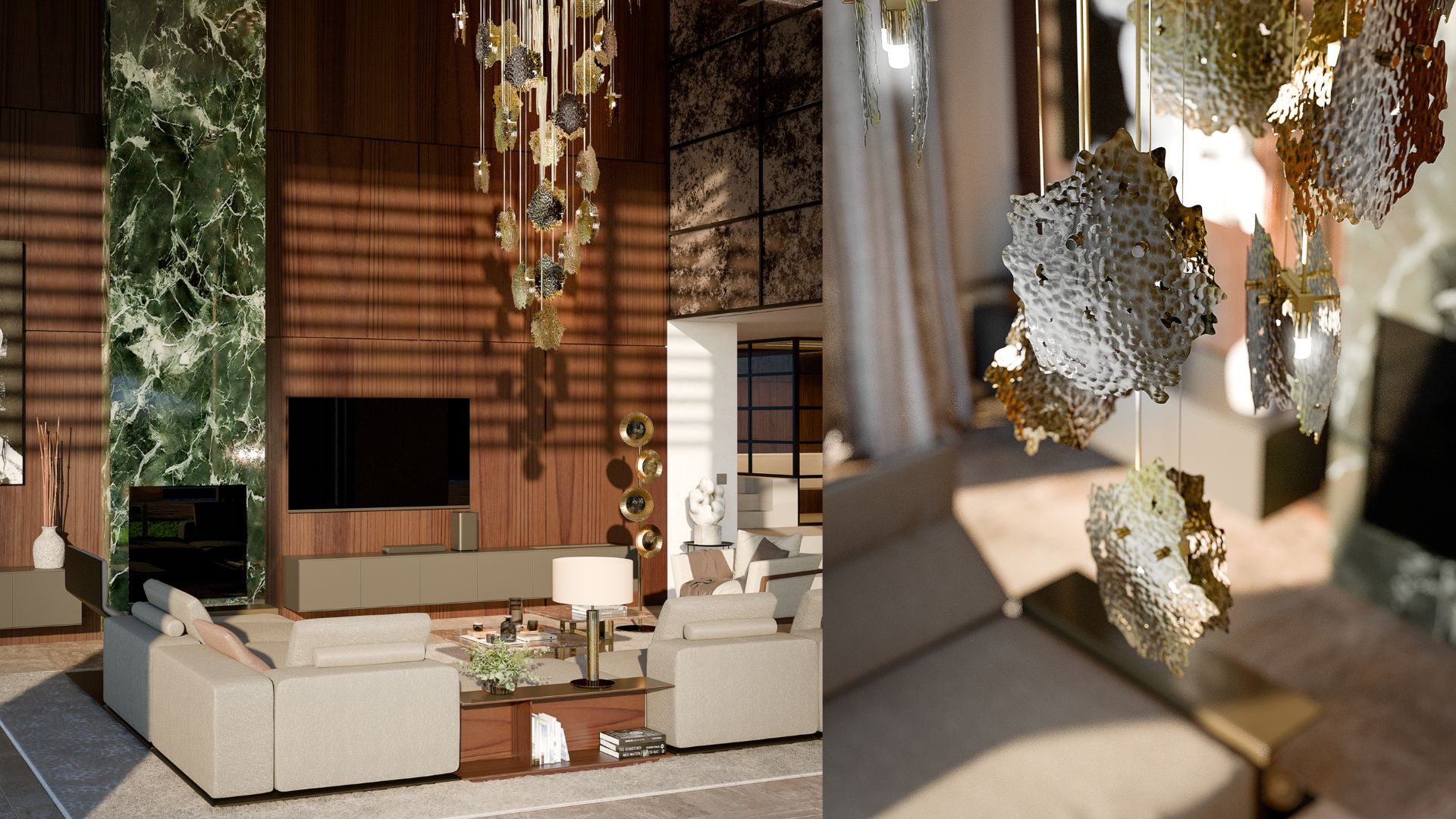
Magma Suspension | Castro Lighting
5. Organic Design vs. Biophilic Design
Biophilic design focuses on strengthening the connection between people and the natural world. This can include natural light, plants, views of the outdoors, natural materials and architectural solutions that create a greater sense of well-being.
Organic design, on the other hand, is more closely connected to form and movement. A lighting piece can feel organic because of its irregular silhouette, flowing composition or asymmetrical structure, even if there are no obvious natural motifs within the design.
In this sense, organic lighting does not need to imitate leaves, flowers or branches to feel connected to nature. The reference can be much more subtle, expressed through the way a curve develops, the way the composition changes from different perspectives or the way the piece interacts with light.
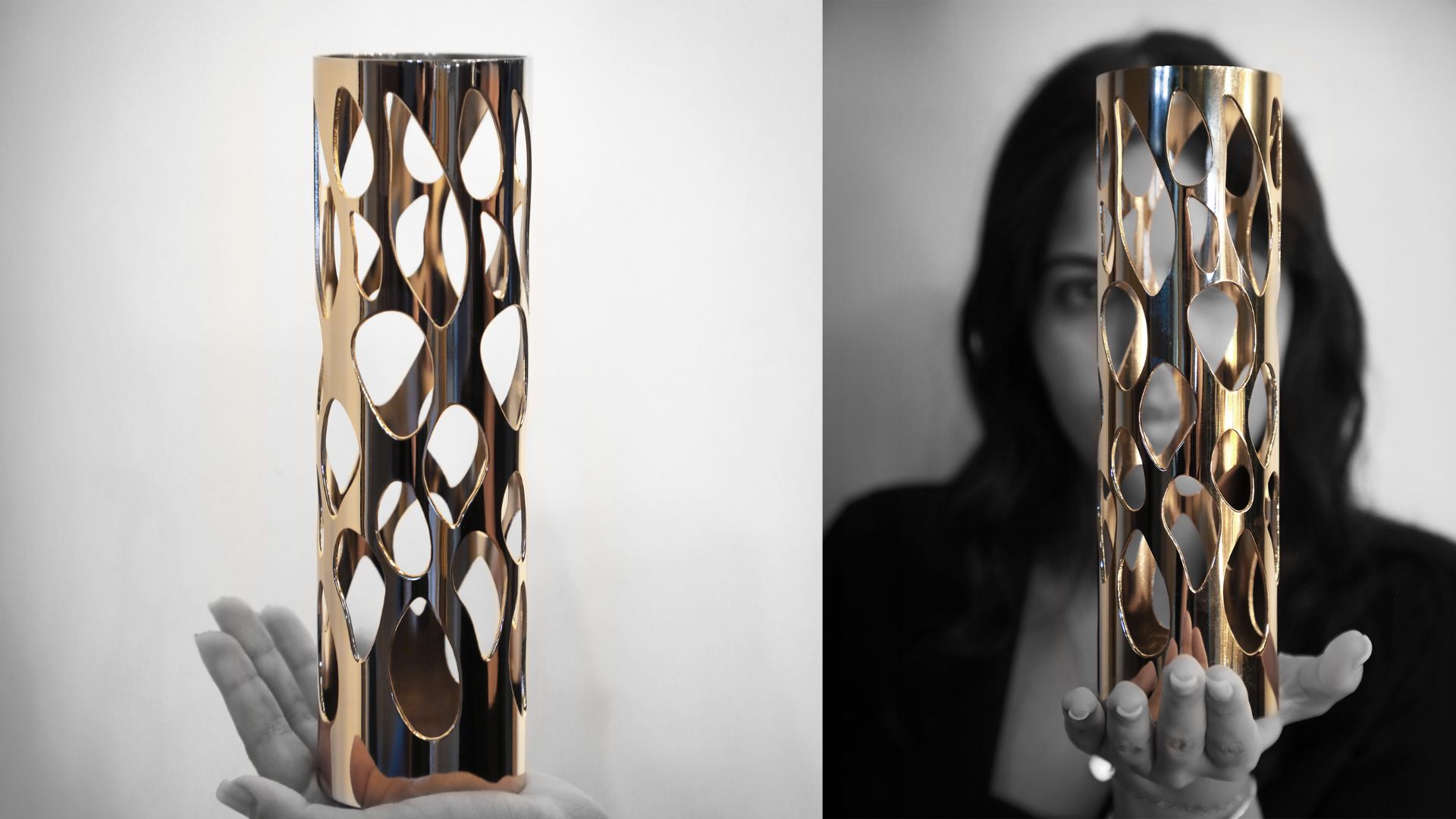
Allure Suspension | Castro Lighting
6. Materials Bring Organic Forms to Life
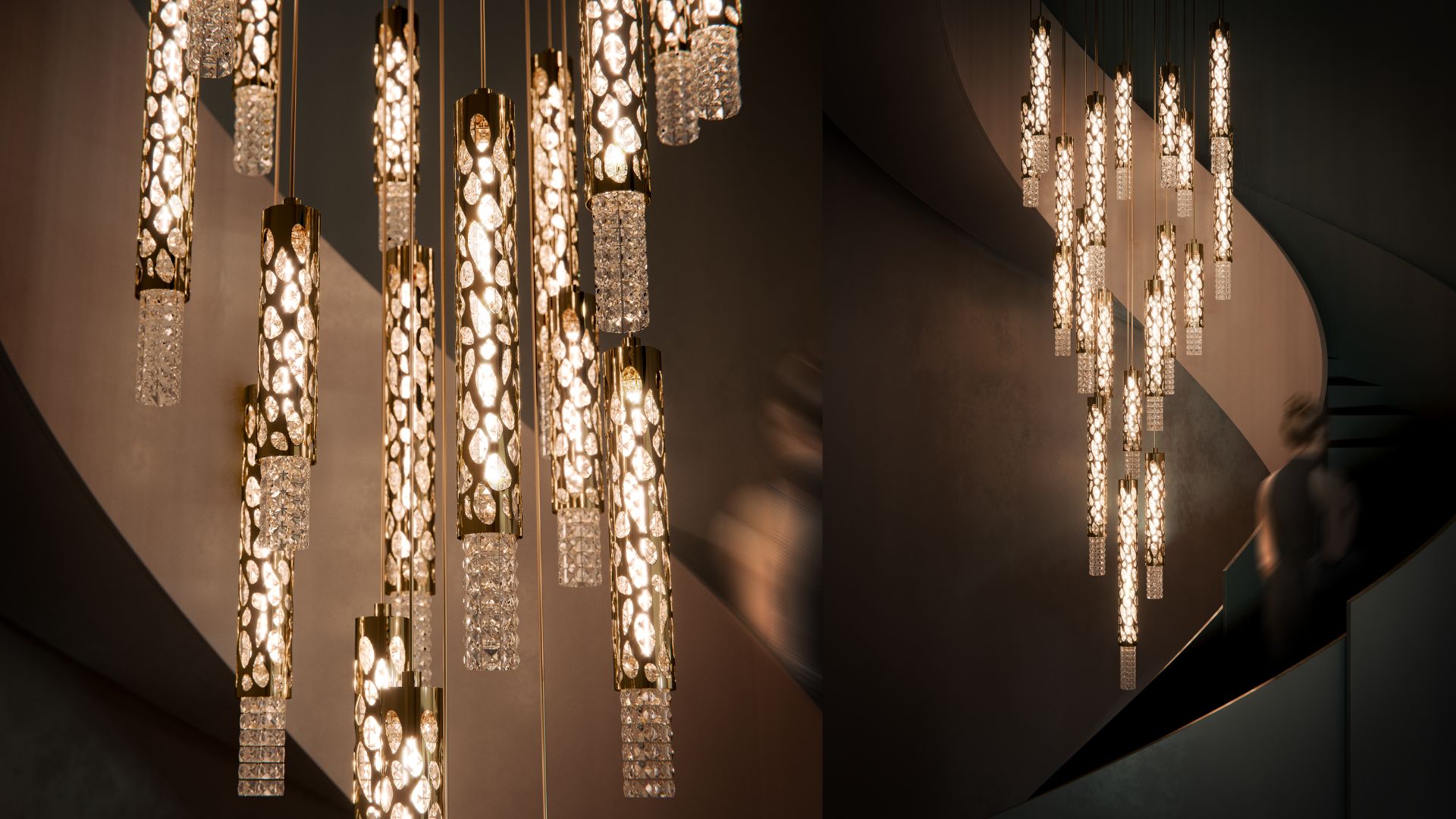
The choice of material plays an essential role in how sculptural lighting is perceived, particularly when the design is based on movement and changing perspectives. Metals, glass and crystal can react to their surroundings in completely different ways, creating a composition that evolves throughout the day.
Reflective surfaces capture fragments of the interior and shift depending on the viewer’s position, while transparent materials introduce layers of light and depth. Textured finishes, by contrast, can emphasise shadow and reveal subtle variations across the surface of the piece.
Allure Suspension | Castro Lighting
7. How to Introduce Organic Statement Lighting Into an Interior
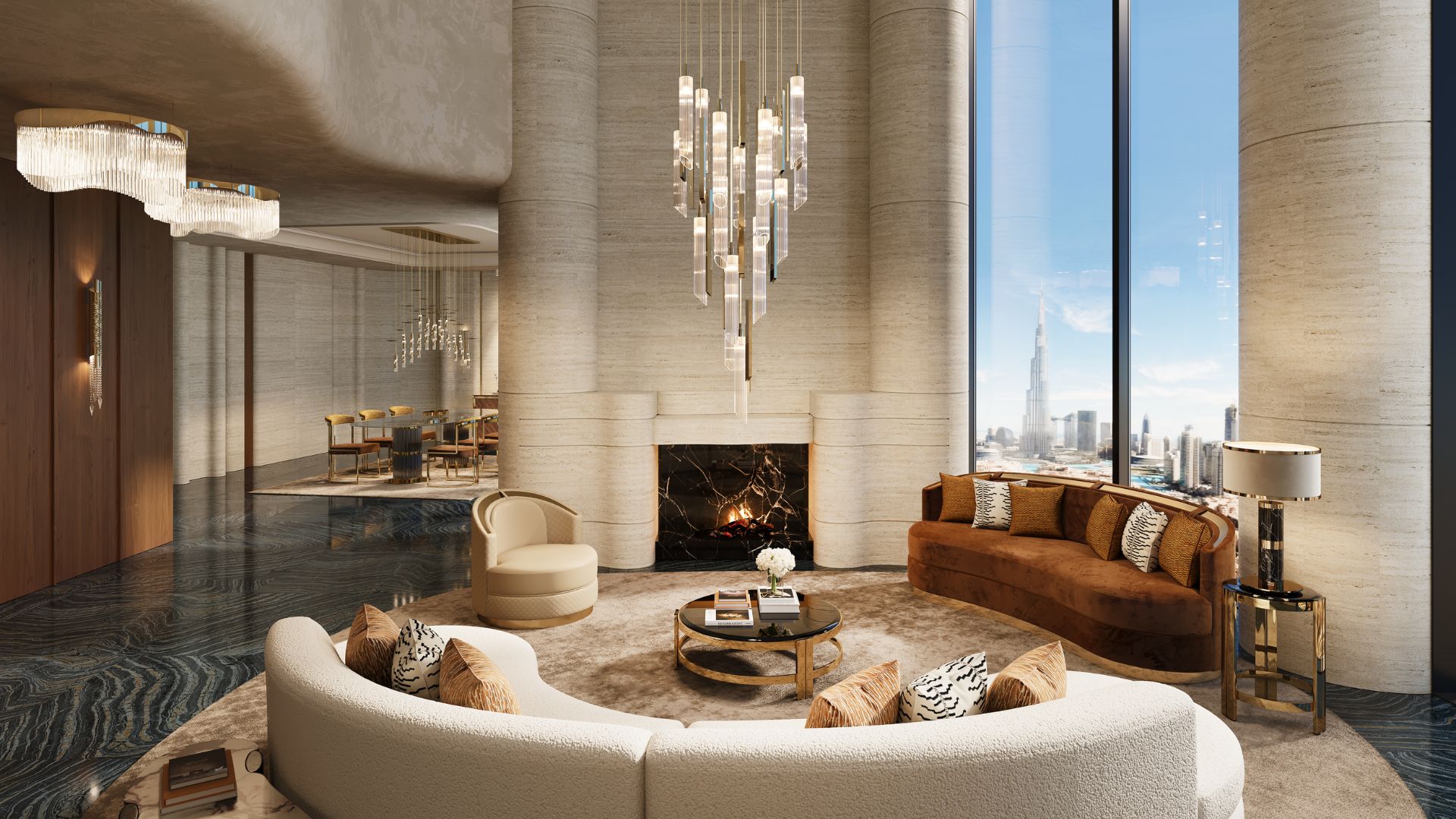
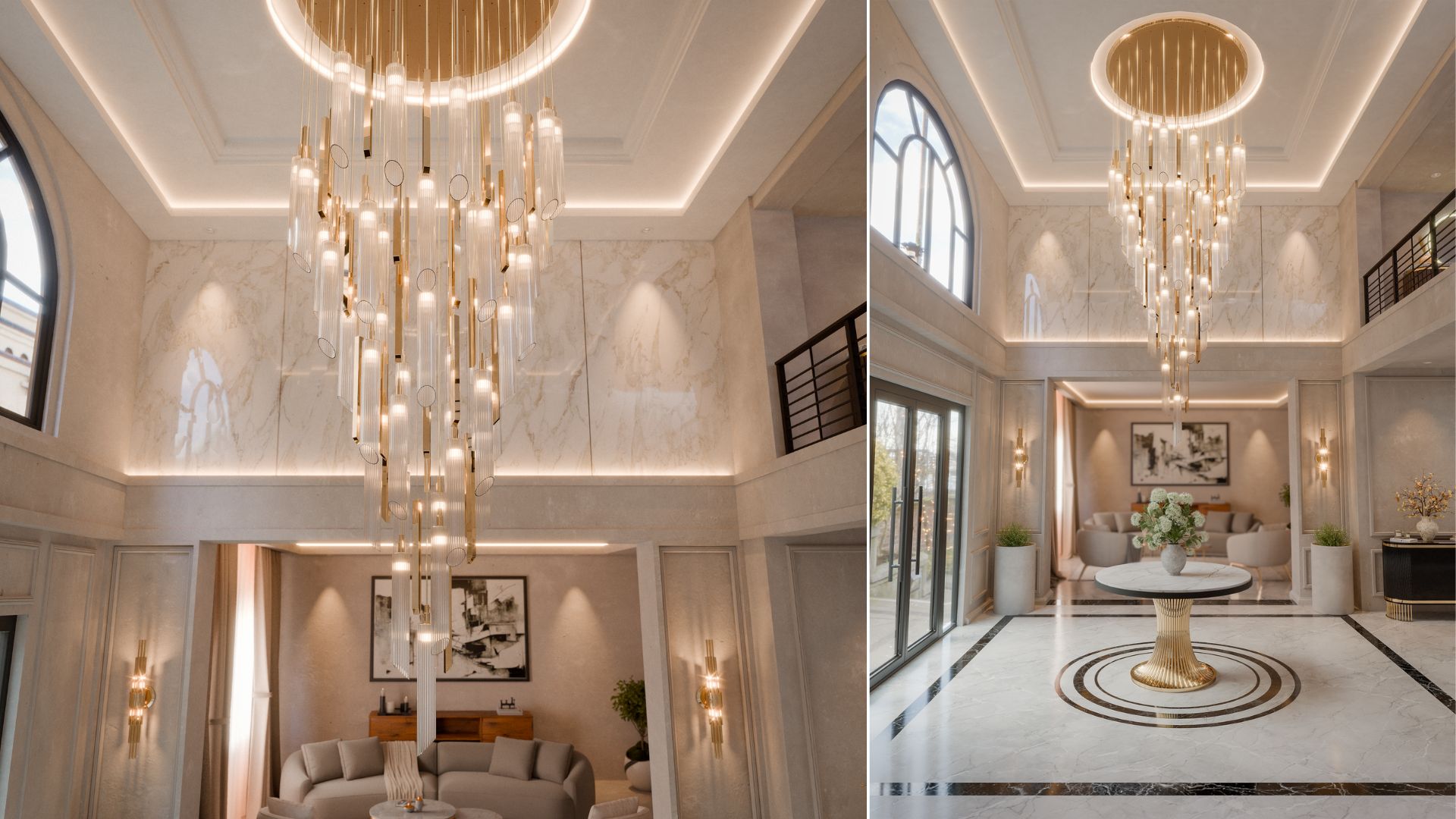
Scale is one of the most important considerations. In larger interiors, oversized suspensions can create a sense of proportion and help fill vertical space, particularly in staircases, entrance halls and double-height rooms. In more intimate settings, a smaller sculptural piece can still create impact without overwhelming the surrounding elements.
Placement is equally important. Organic lighting works particularly well in spaces where it can be appreciated from several viewpoints, allowing the form to reveal new details as someone moves through the room.
Balance also matters. A highly expressive suspension often has the strongest impact when the rest of the interior remains relatively restrained. Clean architecture, simple materials and carefully selected furniture can create the visual space needed for a more sculptural lighting piece to become the focal point.
Ray Suspension | Castro Lighting
8. Why Sculptural Lighting Works in Minimal Interiors
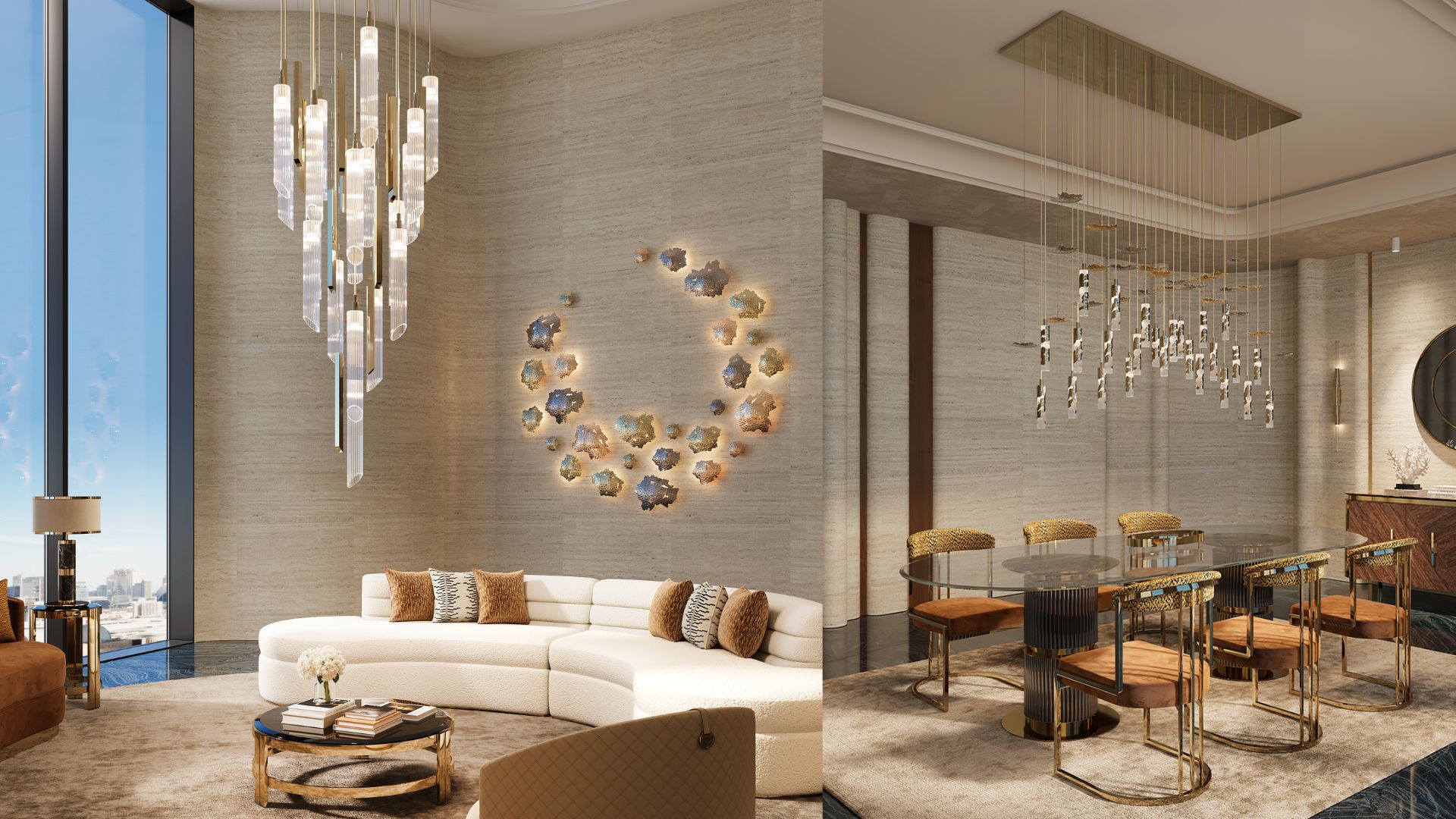
A bold suspension can become the element that introduces movement, emotion and contrast into an otherwise restrained composition. Straight architectural lines can be balanced by flowing forms, while neutral surfaces provide a quiet background against which reflective materials, crystal or sculptural silhouettes can stand out.
This does not mean that the lighting has to dominate the room completely. The most successful compositions often achieve a careful balance, where the piece attracts attention without feeling disconnected from the architecture.
Minimalism and sculptural lighting work particularly well together because they create contrast without creating visual noise. The room remains calm, but it gains a stronger sense of identity.
For designers, this approach also allows one carefully chosen piece to carry much of the visual impact, rather than relying on multiple decorative elements competing for attention.
Ray Suspension | Castro Lighting
9. Craftsmanship Behind Complex Organic Forms
Hand-finishing allows materials to retain subtle variations and gives each surface greater depth and individuality. Skilled artisans can respond to the natural behaviour of the material, adjusting the process where necessary rather than forcing every element into complete uniformity.
In luxury lighting, this relationship between craftsmanship and organic design is especially significant. The final result may appear spontaneous, but the sense of freedom comes from a deep level of control and expertise.
The most successful organic pieces combine these two worlds. They preserve the precision required for a complex lighting structure while allowing the final form to feel fluid, expressive and almost instinctive.
Ray Suspension | Castro Lighting
10. Bold Lighting Is Creating More Personal Interiors
One of the strongest changes in luxury interior design is the growing desire for spaces that feel genuinely individual. Rather than following a single aesthetic formula, homeowners, architects and designers are bringing together pieces that reflect personality, memory and personal taste.
Statement lighting has a particularly important role in this approach because it can immediately establish the identity of a room. A bold suspension can introduce contrast into a minimal interior, add movement to a highly geometric space or become the central artistic element around which the rest of the composition is built.
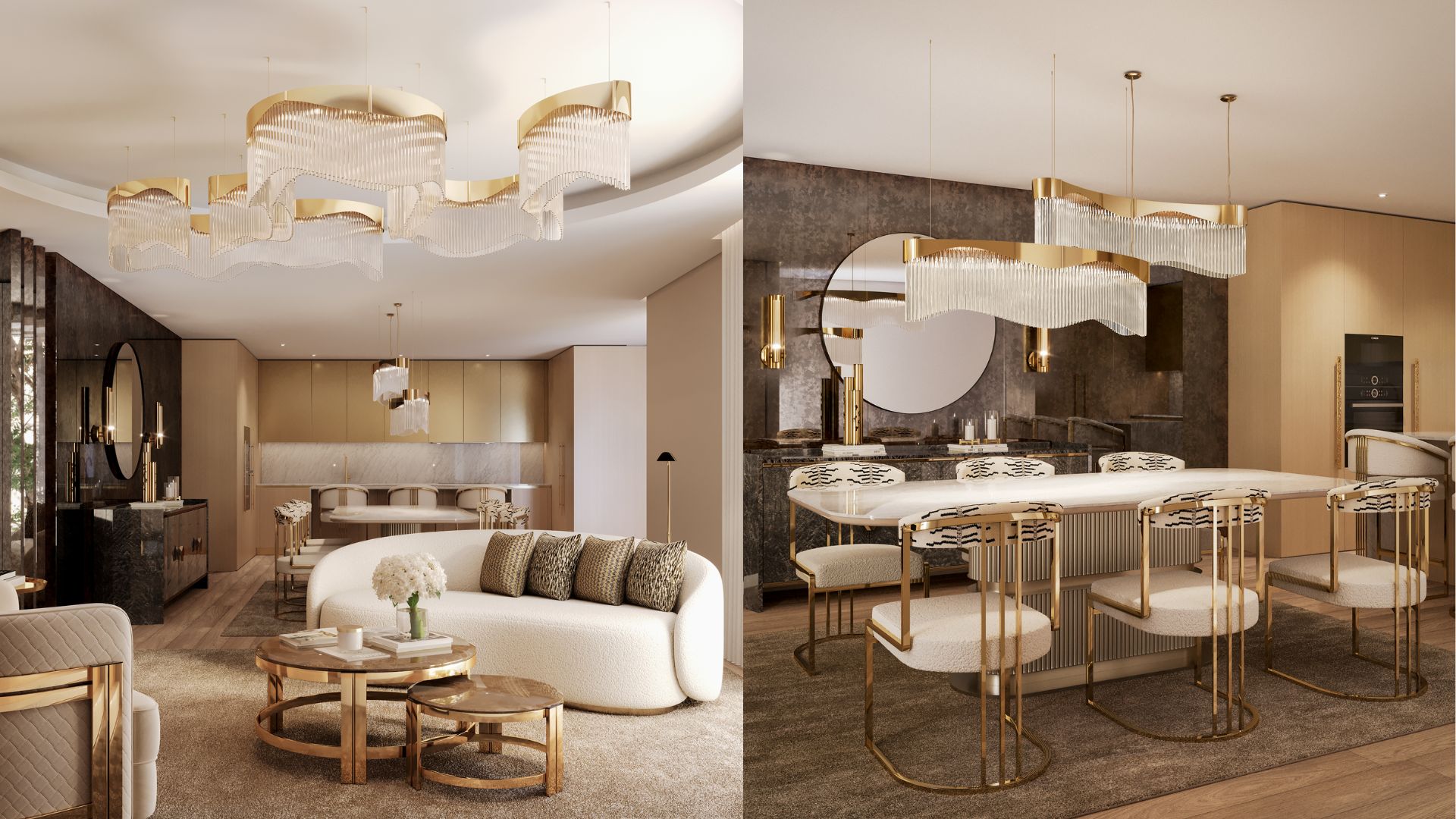
Flow Suspension | Castro Lighting
A Bolder Approach to Organic Lighting Design
In a world where luxury is becoming increasingly personal, perhaps the most memorable spaces will be those that are not afraid to introduce something unexpected. Sometimes, the curve that breaks the symmetry or the form that refuses to disappear quietly into the background is exactly what makes a room unforgettable.
Related Articles
Swarovski Chandelier: Why Crystal Still Represents the Future of Luxury Lighting
Lighting in Children’s Rooms: Designing Spaces to Dream, Play and Grow
Coastal Interior Design: Creating Serene Villas Inspired by Life by the Sea
Lighting as Jewellery: The Final Touch in Bespoke Luxury Interiors
Black Nickel Lighting Designs for Modern Luxury Spaces
Inside DECORACIA Showroom's Italian Summer Event