BLOG & NEWS
Luxury Hotel Lighting Design: What Makes a Hospitality Interior Truly Memorable?
Luxury Hotel Lighting Design: What Makes a Hospitality Interior Truly Memorable?
The world's most remarkable hotels are remembered long after check-out, not simply because of impeccable service or exceptional cuisine, but because they create an atmosphere that guests instinctively connect with. Every material, every texture, every detail contributes to that feeling. Among them, lighting is perhaps the most powerful yet least noticed element.
When designed with intention, decorative lighting does more than illuminate a room. It shapes movement, defines architecture, influences emotion, and becomes part of a hotel's identity. The interiors of Ador Restaurant at InterContinental Sofia demonstrate how lighting can elevate hospitality design from functional to unforgettable.
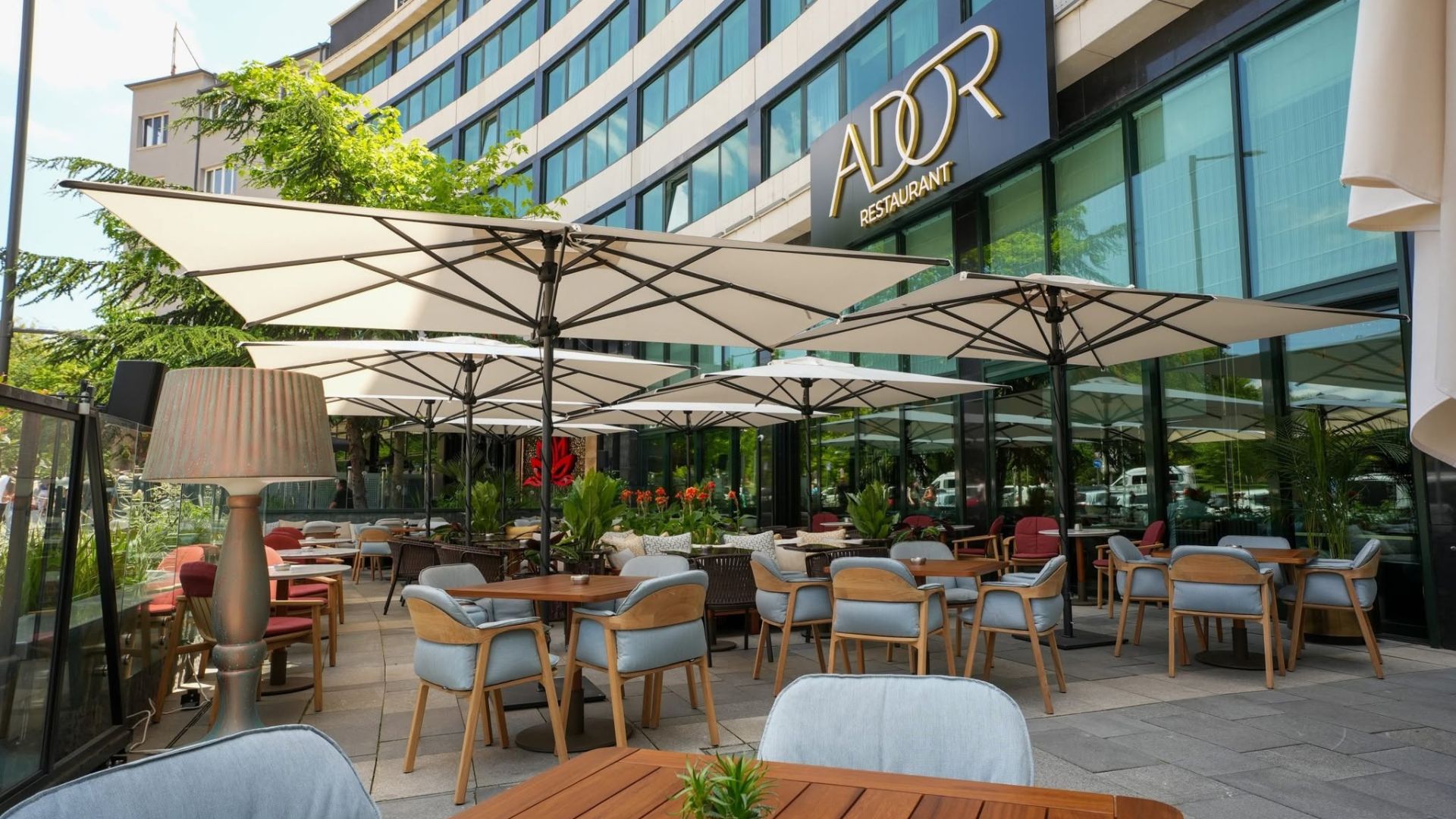
Ador Restaurant in Intercontinental Hotel in Sofia, Bulgaria | Image Credits: Ador Restaurant
Designing an Experience Rather Than a Space
Hospitality design has evolved significantly over the past decade. Today's luxury travellers no longer seek spaces that simply look impressive, they expect environments that feel authentic, immersive, and memorable.
Restaurants within luxury hotels have become destinations in their own right, where architecture, gastronomy, and interior design work together to create a complete guest experience. Every design decision contributes to the atmosphere, and lighting often becomes the invisible thread connecting them all.
At Ador Restaurant, elegance is not achieved through excess but through balance. Rich materials, refined architectural lines, and carefully layered lighting establish an environment that feels sophisticated without becoming overwhelming.
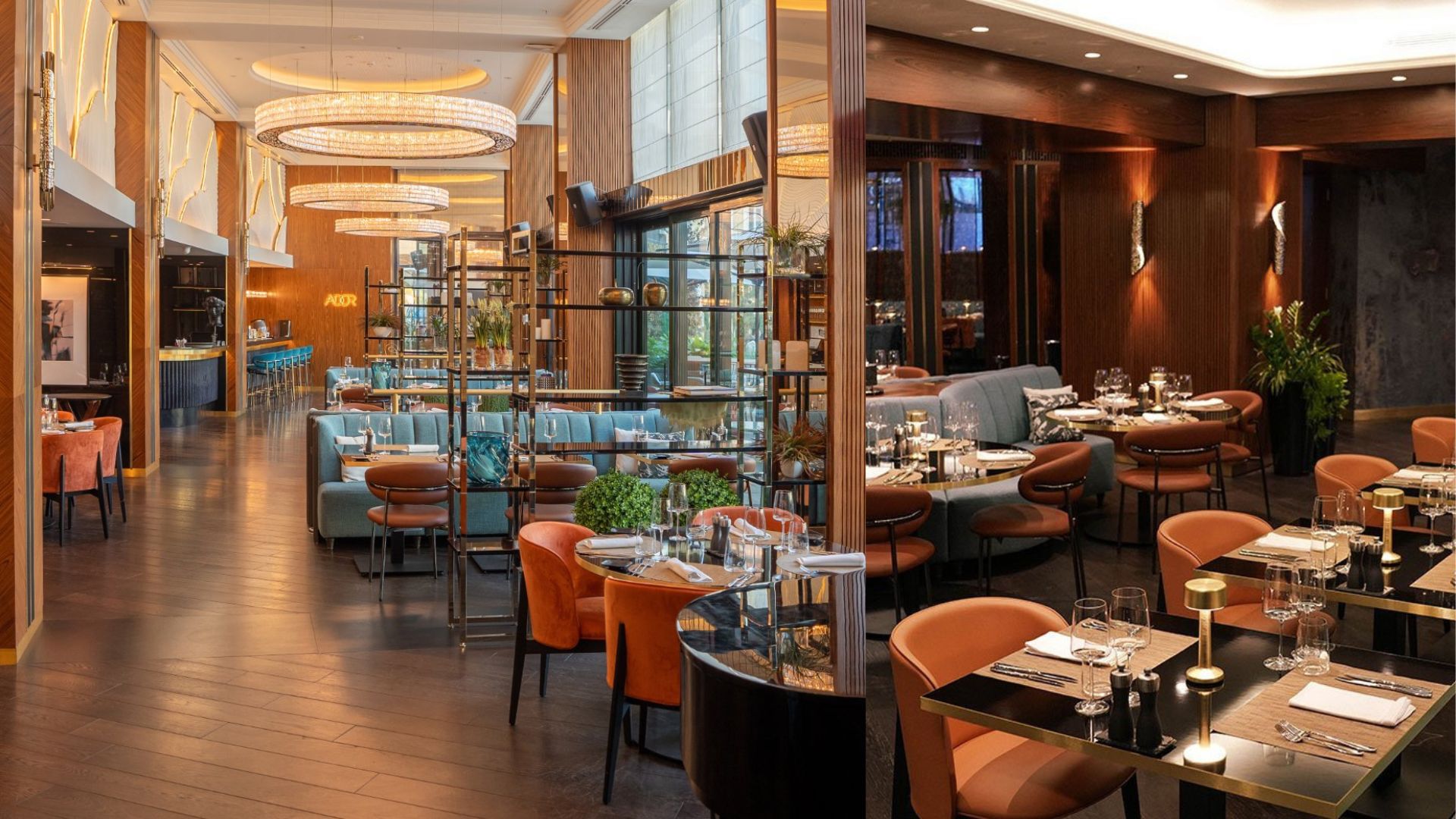
Spacium Suspension at Ador Restaurant in Intercontinental Hotel in Sofia, Bulgaria | Image Credits: Ador Restaurant
The Power of a Statement Chandelier
Every memorable hospitality interior has a focal point.
For Ador Restaurant, that role belongs to the Spacium Suspension, a sculptural crystal chandelier that immediately captures attention upon entering the space.
Rather than competing with the architecture, the chandelier complements it, introducing movement, brilliance, and visual rhythm. During daylight hours, the crystal reflects natural light throughout the restaurant, while in the evening it transforms into a luminous centrepiece that defines the mood of the dining room.
In luxury hospitality, statement lighting serves a purpose beyond aesthetics. It creates a sense of arrival, giving guests an immediate visual memory that becomes inseparable from their experience of the space.
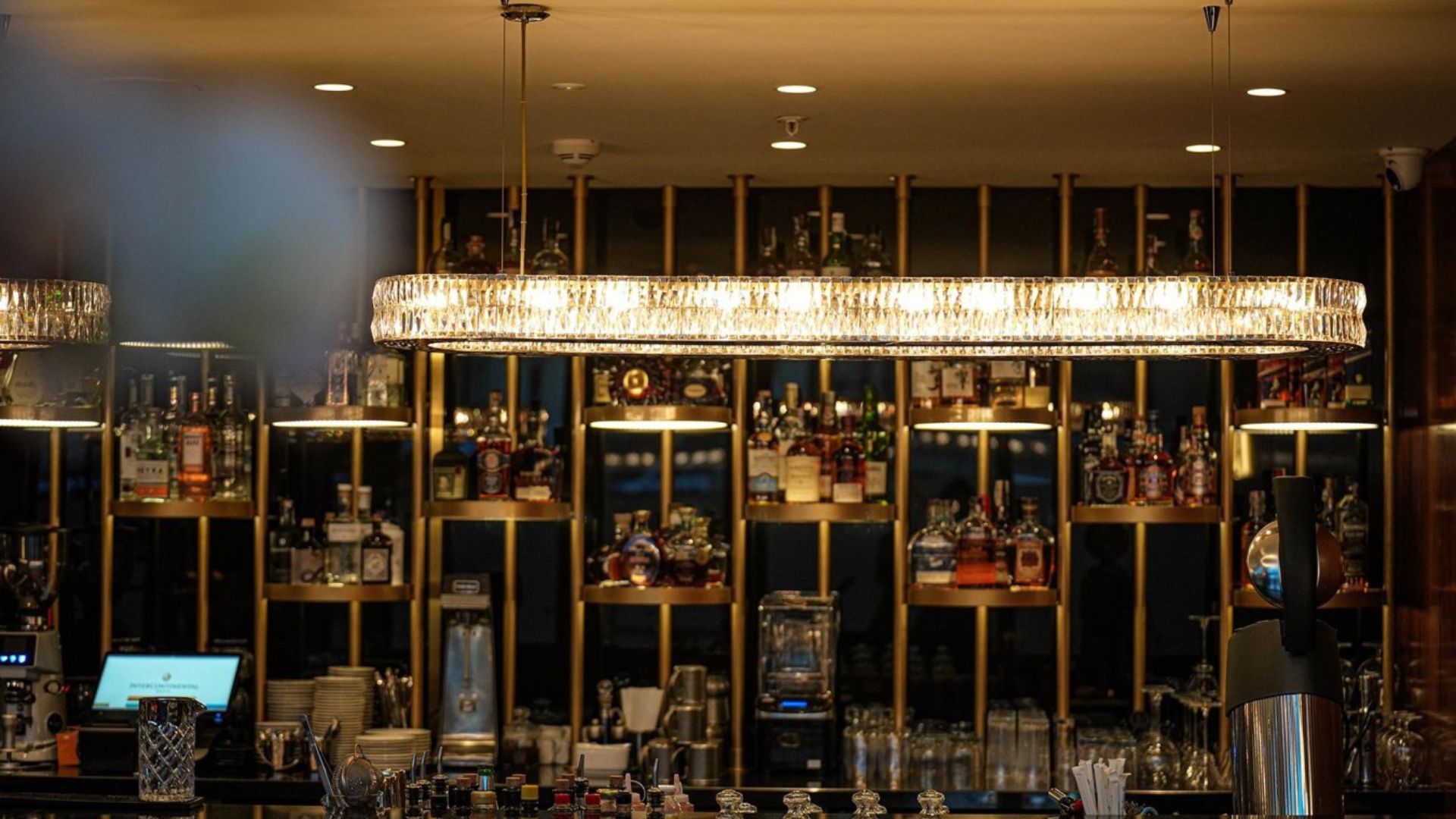
Spacium Snooker Suspension at Ador Restaurant in Intercontinental Hotel in Sofia, Bulgaria | Image Credits: Ador Restaurant
Why Layered Lighting Matters in Hospitality
A single chandelier, however impressive, cannot create atmosphere on its own.
The most successful hospitality projects rely on layered lighting, combining feature pieces with softer sources that introduce warmth, comfort, and depth.
Throughout Ador Restaurant, the Mastery Wall Light provides architectural balance with its sculptural brass composition. Rather than drawing attention to itself, it enhances the walls, creating subtle contrasts of light and shadow that enrich the overall environment.
Supporting pieces, Elven Wall Light, and Chantel Table Lamp, bring intimacy to individual seating areas. Together, these layers allow the restaurant to feel equally welcoming during a business lunch, an intimate dinner, or an evening celebration.
The result is lighting that adapts naturally to the rhythm of hospitality.
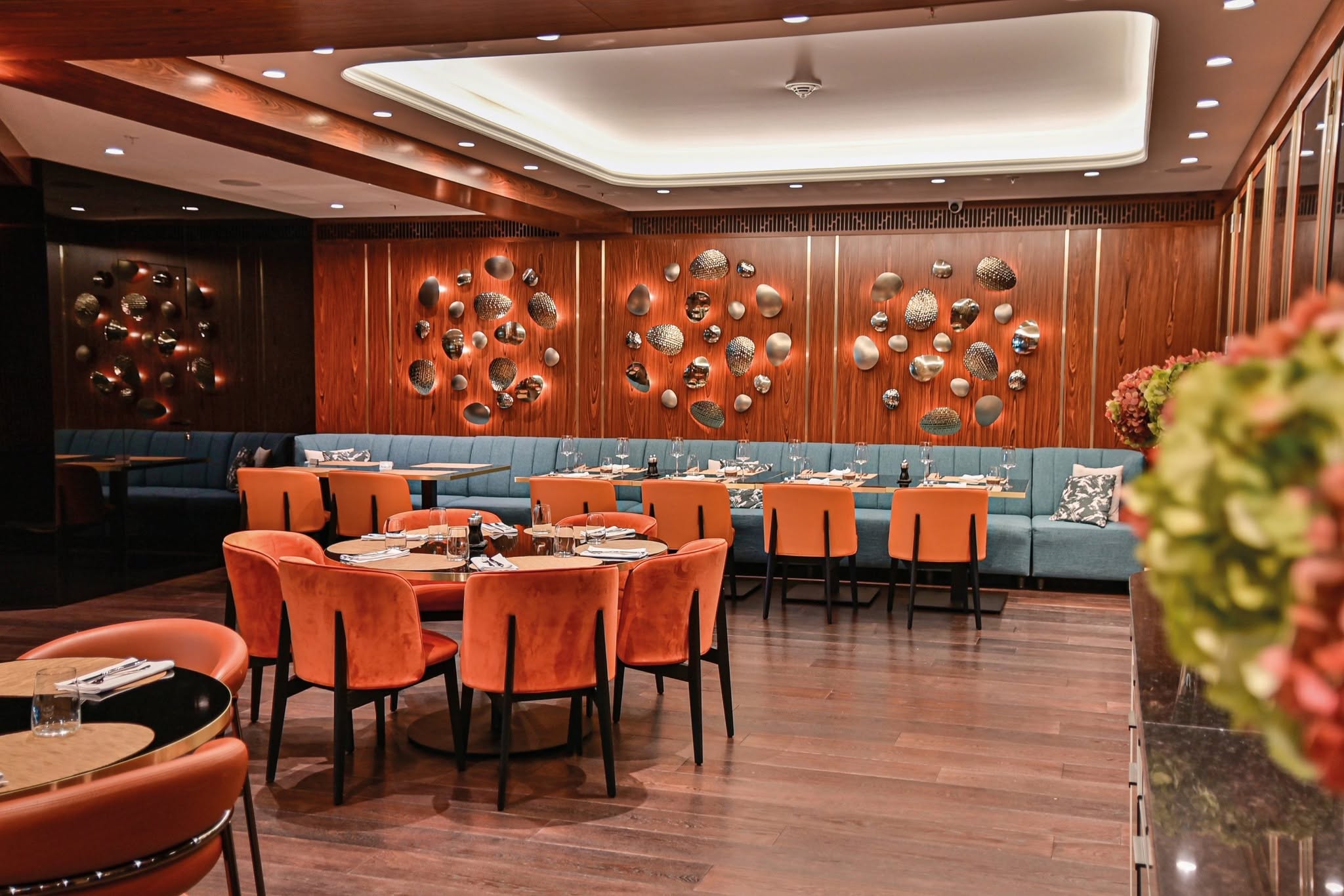
Mastery Wall Light at Ador Restaurant in Intercontinental Hotel in Sofia, Bulgaria | Image Credits: Ador Restaurant
Decorative Pieces That Complete the Story
Luxury interiors are defined not by individual objects but by how they relate to one another.
Within the restaurant, decorative elements such as the Golden Eye Mirror and Gaya Bookshelf introduce texture, reflection, and architectural character. Rather than functioning as accessories, they reinforce the visual language established by the lighting, creating a cohesive environment where every piece feels intentional.
This dialogue between lighting, furniture, and architecture is what distinguishes timeless hospitality interiors from spaces driven by temporary trends.
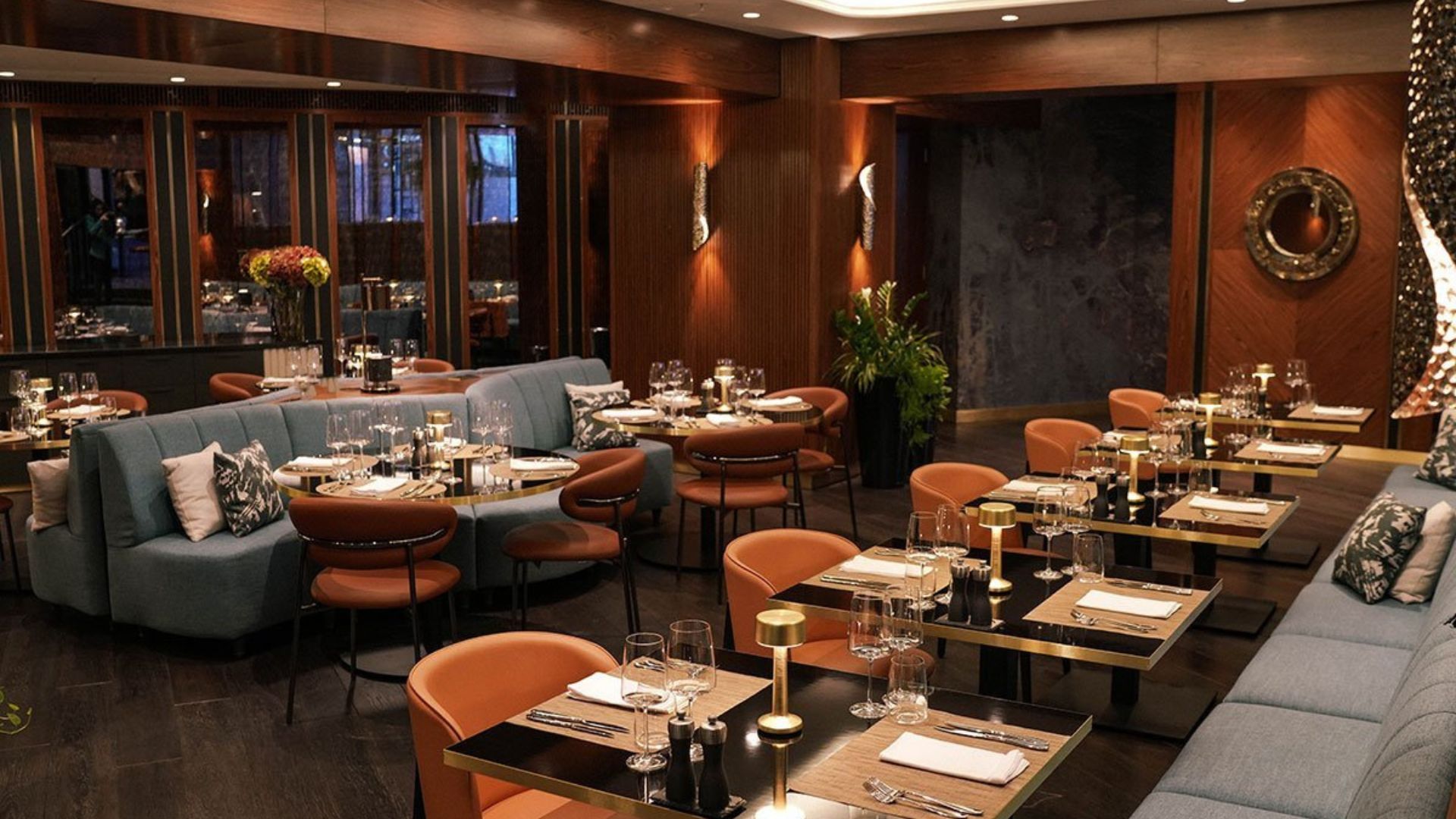
Ador Restaurant in Intercontinental Hotel in Sofia, Bulgaria | Image Credits: Ador Restaurant
Hospitality Design Is Becoming More Emotional
Across luxury hotels worldwide, hospitality design is shifting away from purely visual impact towards emotional connection.
Guests remember how a space made them feel. A softly illuminated table encourages conversation. A dramatic chandelier creates anticipation before a meal begins. Warm reflections on brass surfaces add depth and comfort that photographs alone cannot capture.
Lighting influences these moments quietly, becoming one of the defining elements of the guest experience without demanding attention.
For architects and interior designers, this represents a change in priorities. Decorative lighting is no longer a finishing touch added at the end of a project, it has become a fundamental design tool capable of shaping identity, atmosphere, and lasting memories.
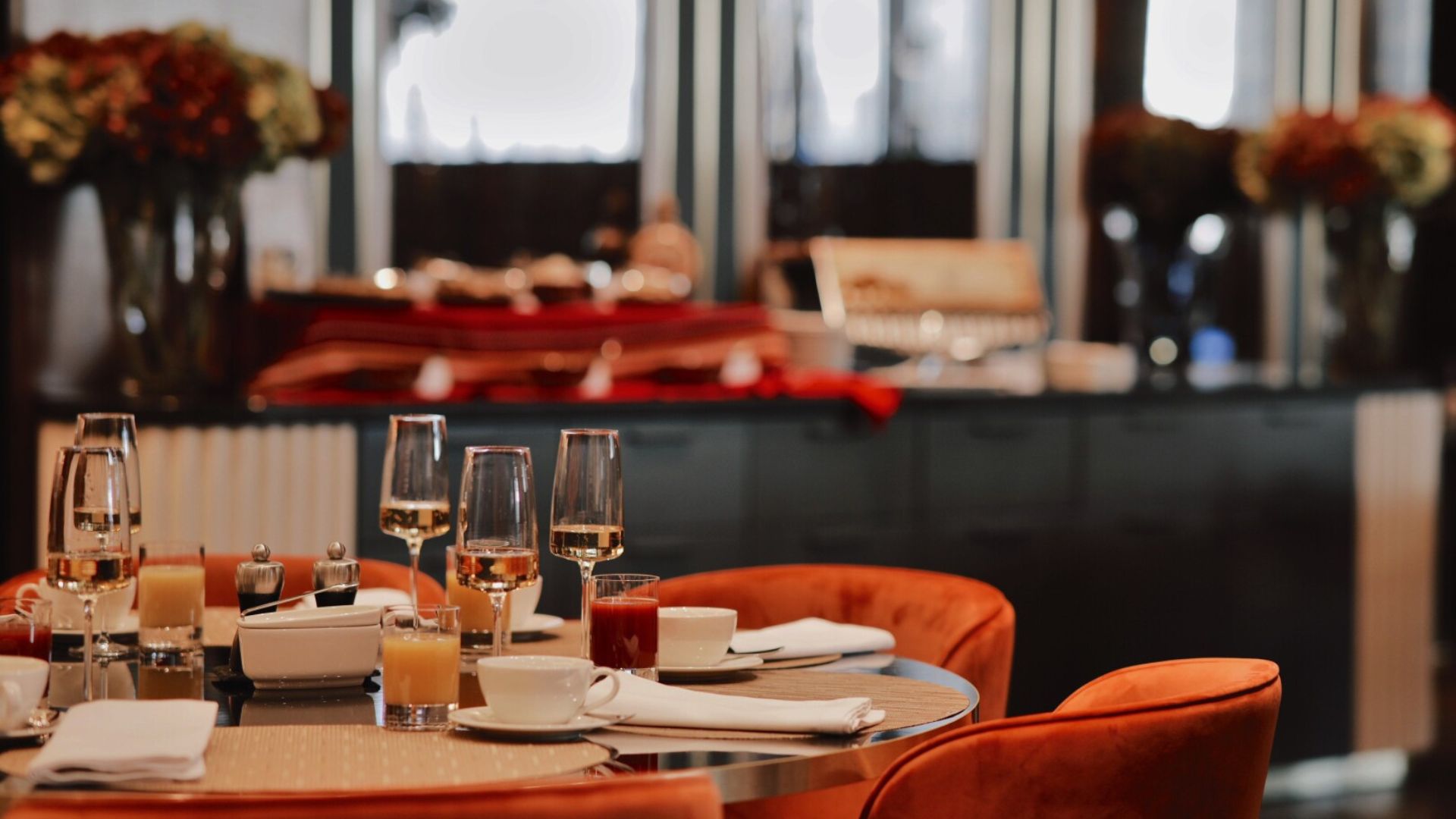
Ador Restaurant in Intercontinental Hotel in Sofia, Bulgaria | Image Credits: Ador Restaurant
A Lesson in Contemporary Hospitality Design
The interiors of Ador Restaurant at InterContinental Sofia illustrate a broader principle that defines today's finest hospitality environments: exceptional spaces are created through harmony rather than extravagance.
By combining sculptural lighting, handcrafted materials, elegant decorative pieces, and thoughtful spatial composition, the project demonstrates how luxury is expressed through experience rather than ornament.
As hospitality design continues to evolve, projects like this remind us that memorable interiors are not simply seen, they are felt. And more often than not, that feeling begins with light.
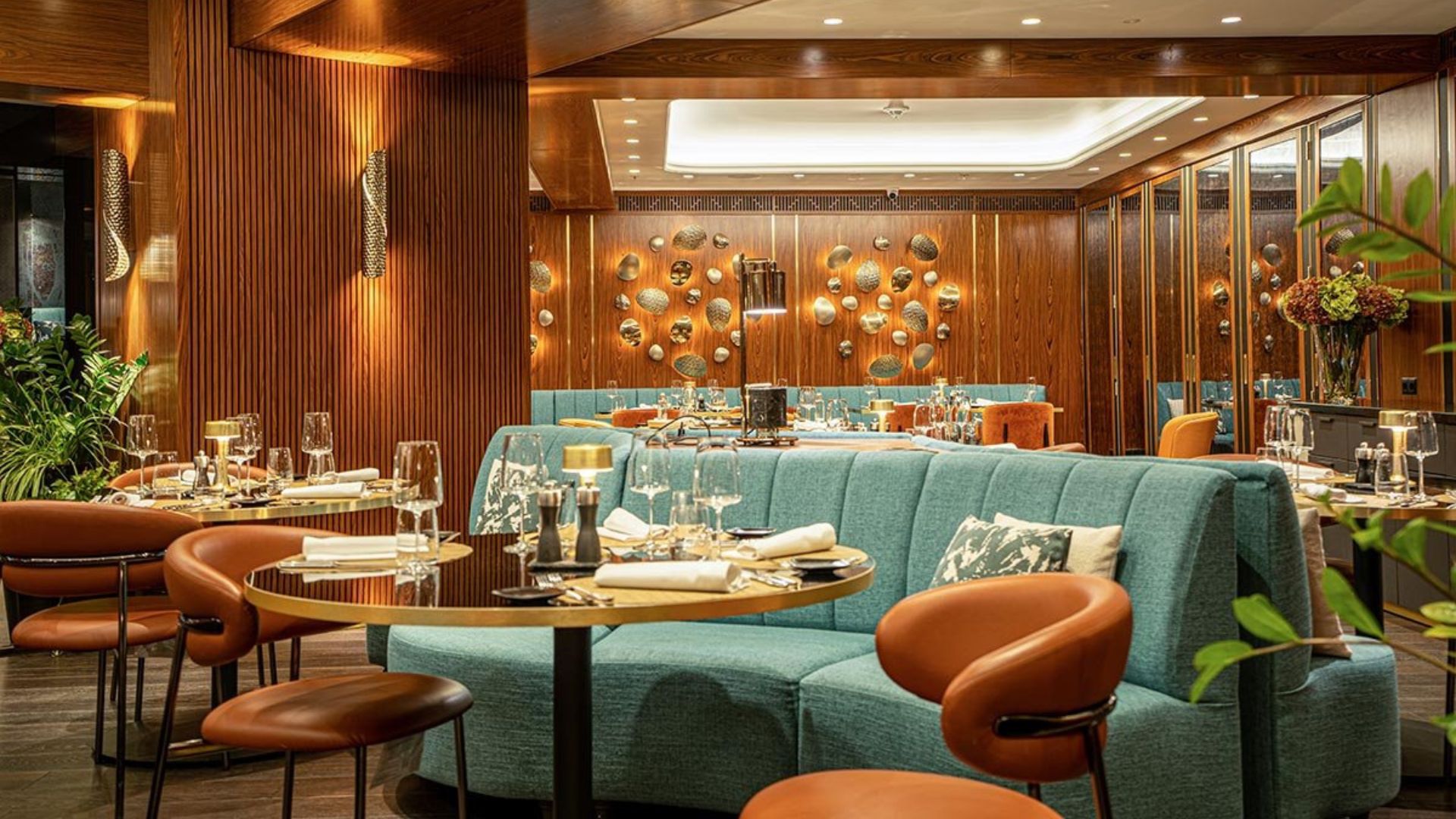
Ador Restaurant in Intercontinental Hotel in Sofia, Bulgaria | Image Credits: Ador Restaurant
Related Articles
What the First Electric Ferrari Reveals About the Future of Luxury Design
Swarovski Chandelier: Why Crystal Still Represents the Future of Luxury Lighting
Lighting in Children’s Rooms: Designing Spaces to Dream, Play and Grow
Coastal Interior Design: Creating Serene Villas Inspired by Life by the Sea
Lighting as Jewellery: The Final Touch in Bespoke Luxury Interiors
Black Nickel Lighting Designs for Modern Luxury Spaces