BLOG & NEWS
Coastal Interior Design: Creating Serene Villas Inspired by Life by the Sea
Coastal Interior Design: Creating Serene Villas Inspired by Life by the Sea
Coastal interior design has become one of the most sought-after styles for luxury villas, summer homes, and seaside residences. Inspired by natural light, soft colours, organic textures, and the relaxed rhythm of life by the water, this design language creates interiors that feel calm, open, and timeless. Unlike traditional nautical décor, coastal interior design does not depend on obvious seaside elements. Instead, it focuses on atmosphere. Bright spaces, warm neutral tones, natural materials, soft fabrics, and carefully selected design pieces work together to create a refined yet effortless way of living.
This article explores the essence of coastal interior design, its key materials, colour palettes and lighting principles.
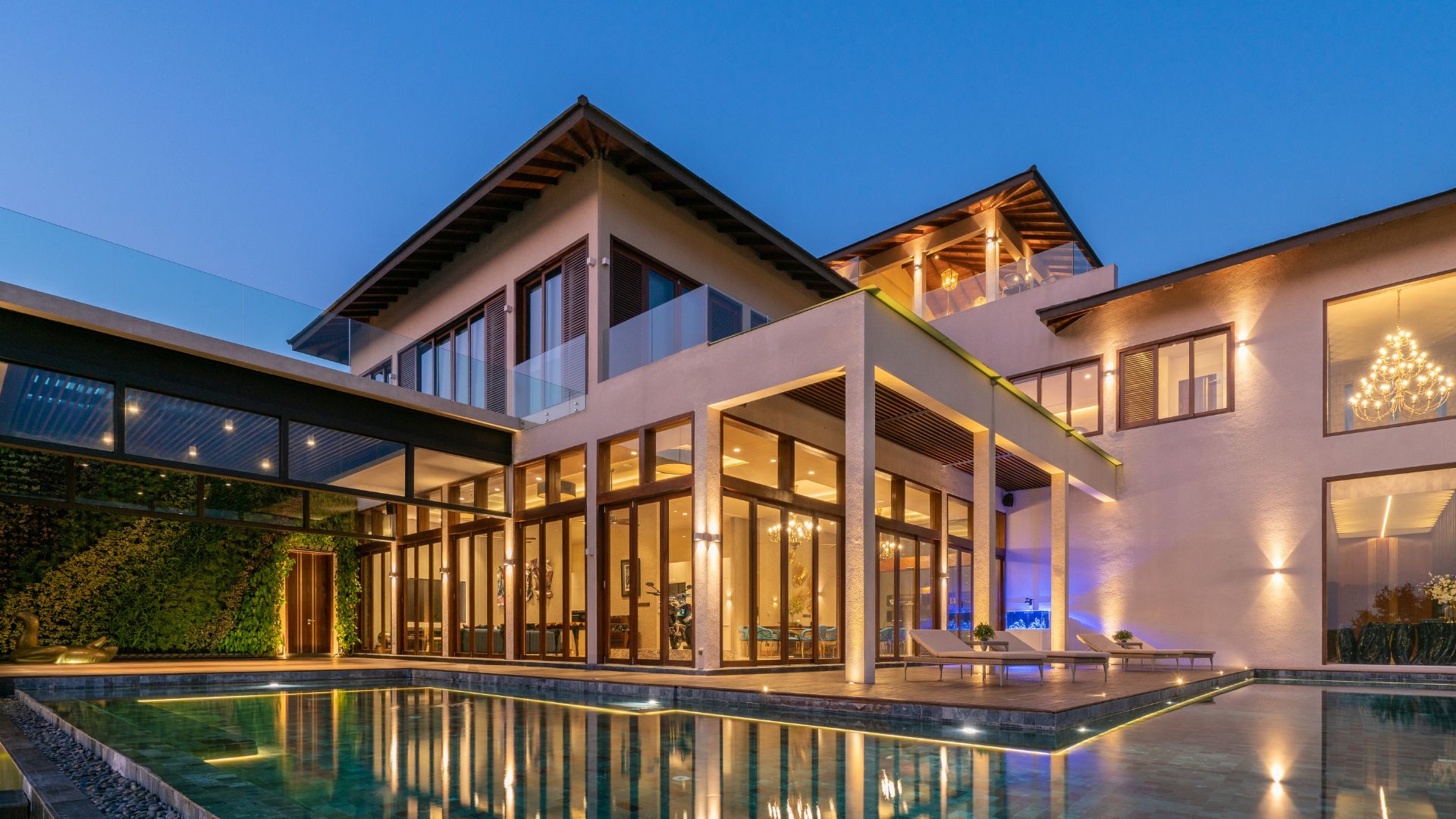
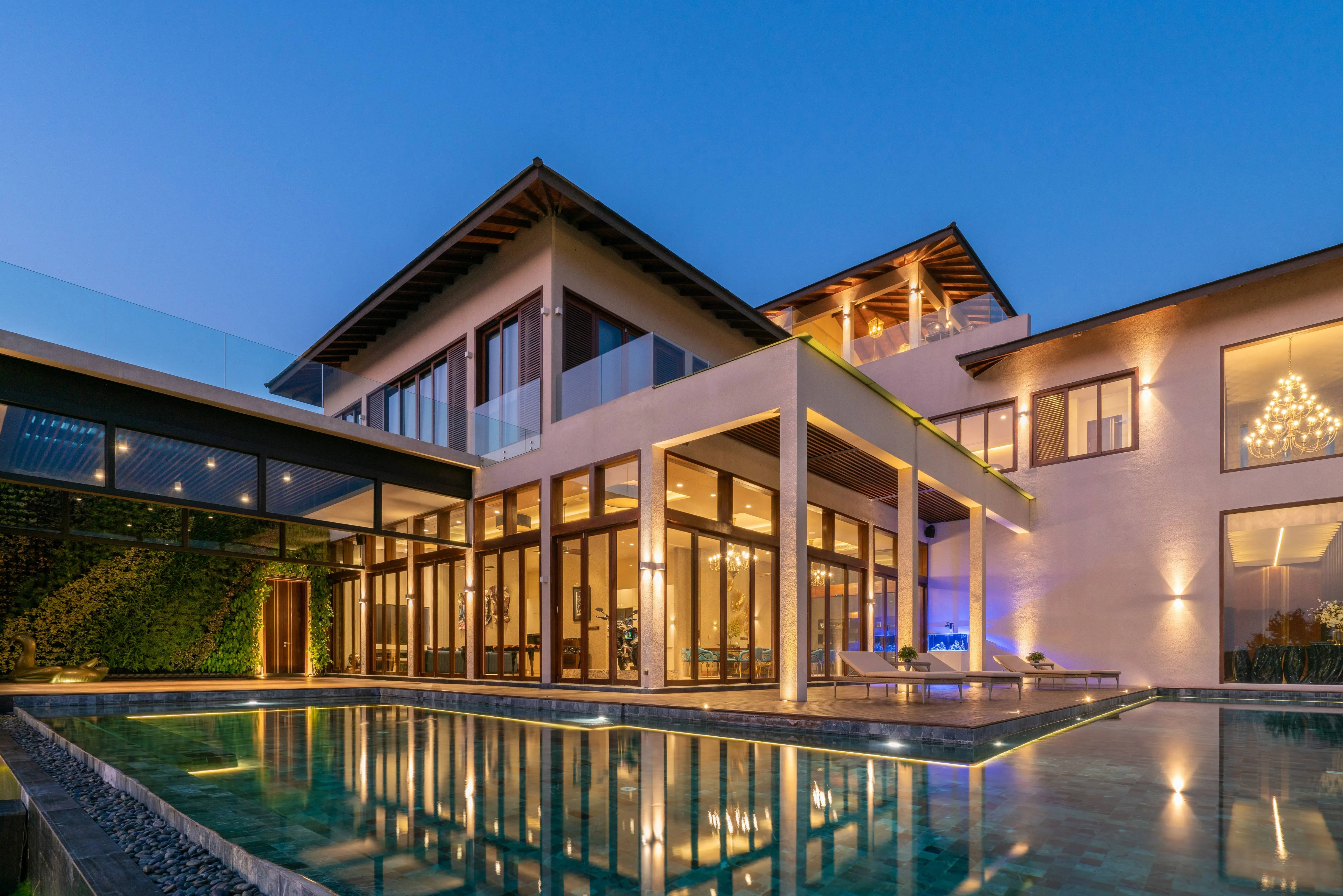
Araliya Niwasa: A Luxury Residence by Clove Republic | Image Courtesy: Clove Republic
What Is Coastal Interior Design?
Coastal interior design captures the feeling of living close to the sea. It is bright, relaxed, and serene, creating interiors that feel connected to nature without becoming overly themed or decorative. The goal is not to recreate the beach inside the home, but to translate the atmosphere of the coast into a refined interior language. In a coastal villa, every element is chosen to create a sense of openness and comfort. Natural light becomes a central feature, soft colours reflect the tones of sand and sea, and organic materials bring texture and warmth to the space.
This style is especially popular in luxury villas and summer homes because it balances elegance with ease. The interiors feel sophisticated, but never rigid. They are designed for slow mornings, long lunches, open terraces, and warm evenings spent by the water. The best coastal interiors are not defined by decoration, but by feeling. They are luminous, breathable, and deeply connected to their surroundings.
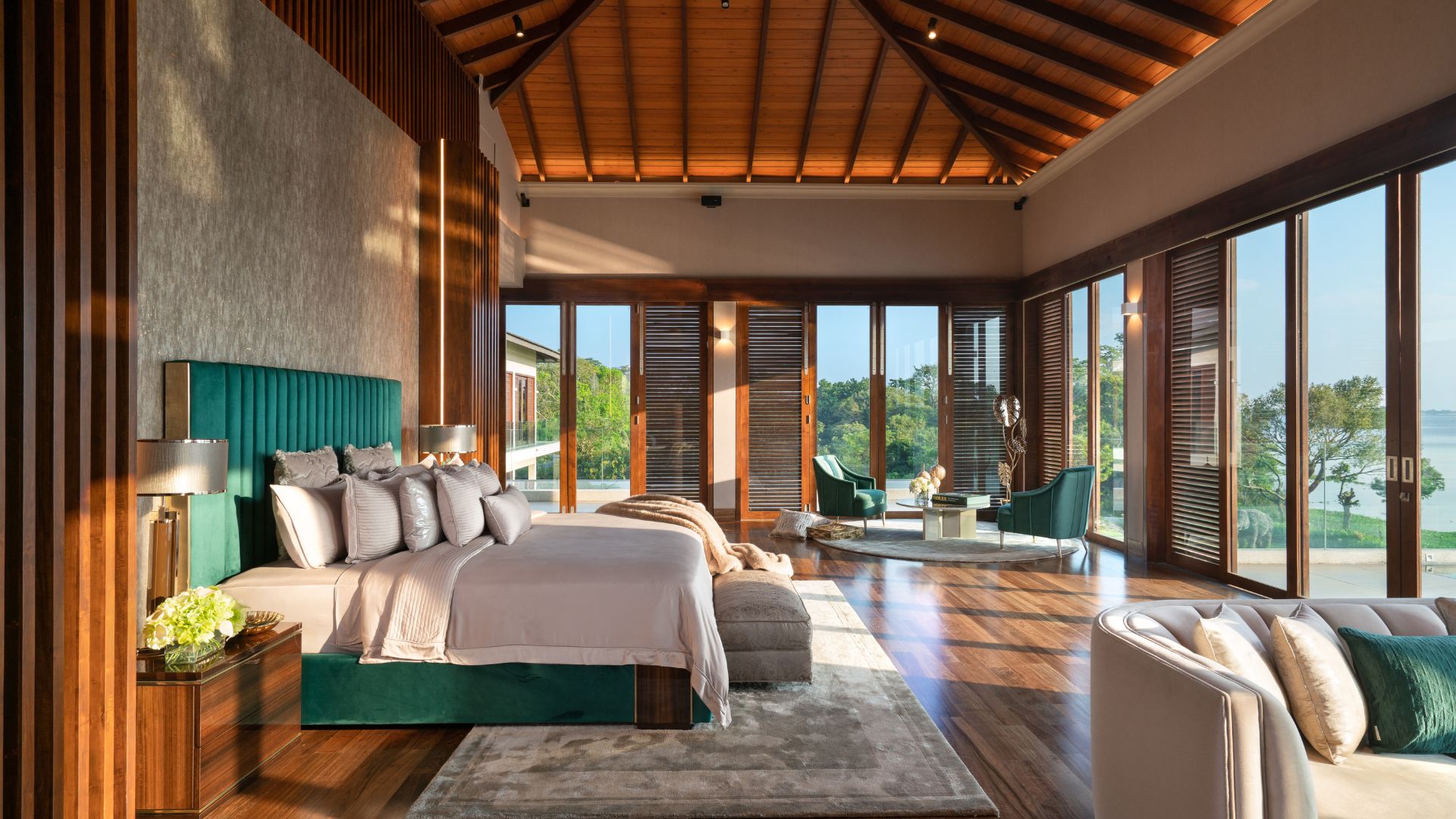
Araliya Niwasa: A Luxury Residence by Clove Republic | Image Courtesy: Clove Republic
The Coastal Colour Palette
The colour palette of coastal interior design is inspired by the natural landscape of the seaside. Warm whites, chalky neutrals, sandy beige, soft taupe, muted blue, pale green, and gentle grey tones create a calm and luminous base. These colours help reflect natural light and make interiors feel open and expansive. Instead of using strong contrasts or bright nautical blues, a more sophisticated coastal villa usually favours sun-washed tones that feel soft, elegant, and timeless.
Warm white walls are often the starting point. They create a clean background that allows natural materials, furniture, artwork, and lighting to stand out without overwhelming the space. Sandy and stone-inspired tones add depth, while soft ocean shades can be introduced through fabrics, artwork, or decorative details. In coastal interior design, colour should feel effortless. The palette should not compete with the view, the architecture, or the natural light. It should support the atmosphere of the home and create a smooth transition between interior and exterior.
Araliya Niwasa: A Luxury Residence by Clove Republic | Image Courtesy: Clove Republic
Natural Materials in Coastal Villas
Natural materials are essential to coastal interior design because they bring texture, authenticity, and warmth. A coastal villa should never feel cold or overly polished. Even the most luxurious interiors benefit from materials that feel organic and tactile.Wood is one of the most important elements in this aesthetic. Light oak, bleached wood, reclaimed timber, and weathered finishes help create a relaxed and natural atmosphere. These materials work beautifully with neutral walls and soft fabrics, adding depth without making the space feel heavy. Rattan, cane, wicker, jute, and sisal also play an important role. They introduce woven textures that immediately connect the interior to a slower, more natural lifestyle. In living rooms and bedrooms, natural-fibre rugs can soften the space and anchor the furniture, while woven chairs or decorative accessories add a casual but elegant touch.
Stone, clay, limewash, and terracotta can also be used to give coastal interiors a more architectural and Mediterranean feeling. These materials are especially relevant in southern European villas, where the interior often reflects the warmth of the surrounding landscape.The beauty of coastal interior design lies in balance. Smooth surfaces are softened by texture. Minimal architecture is warmed by natural fibres. Luxury is expressed through material quality rather than excessive decoration.
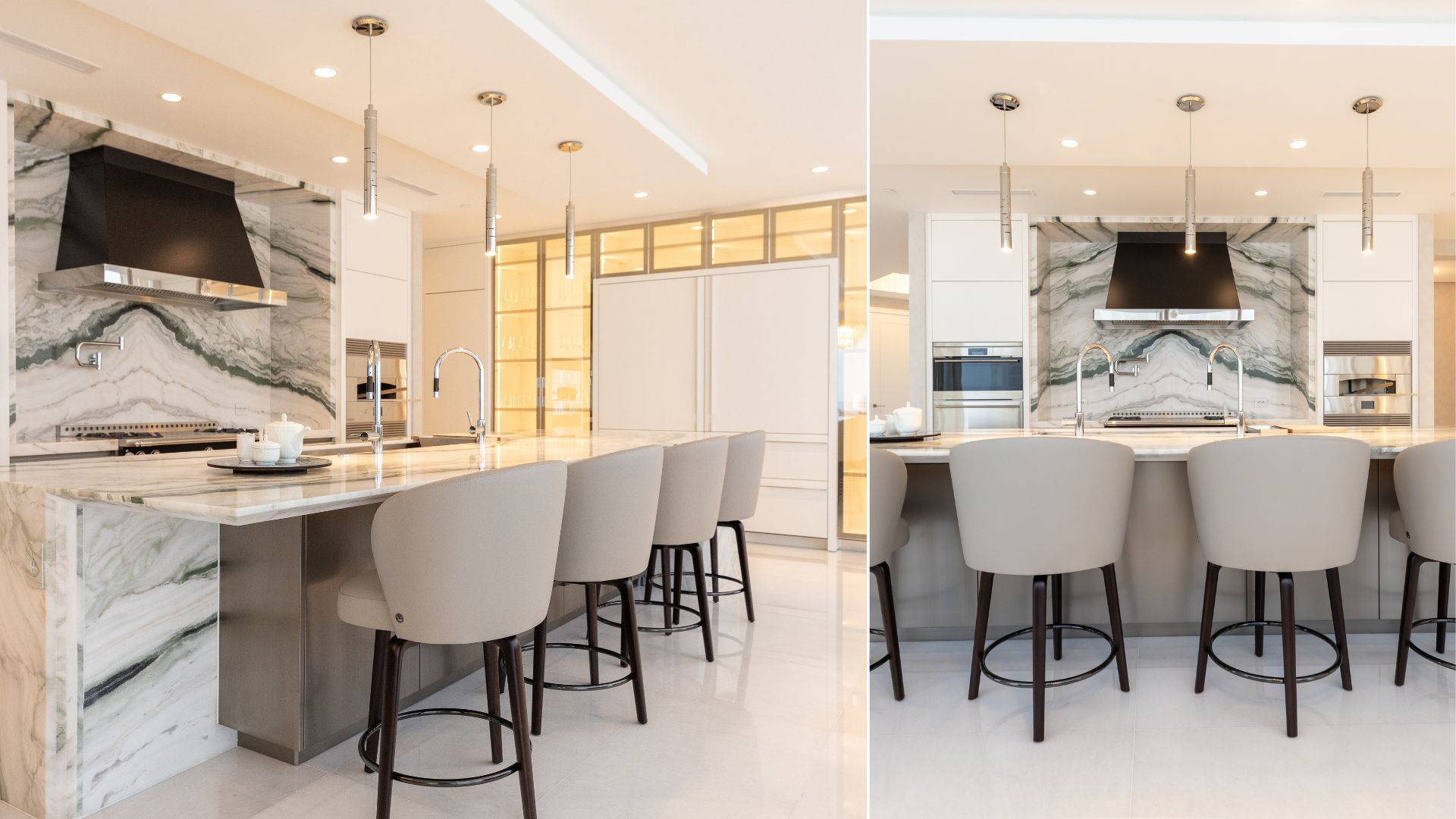
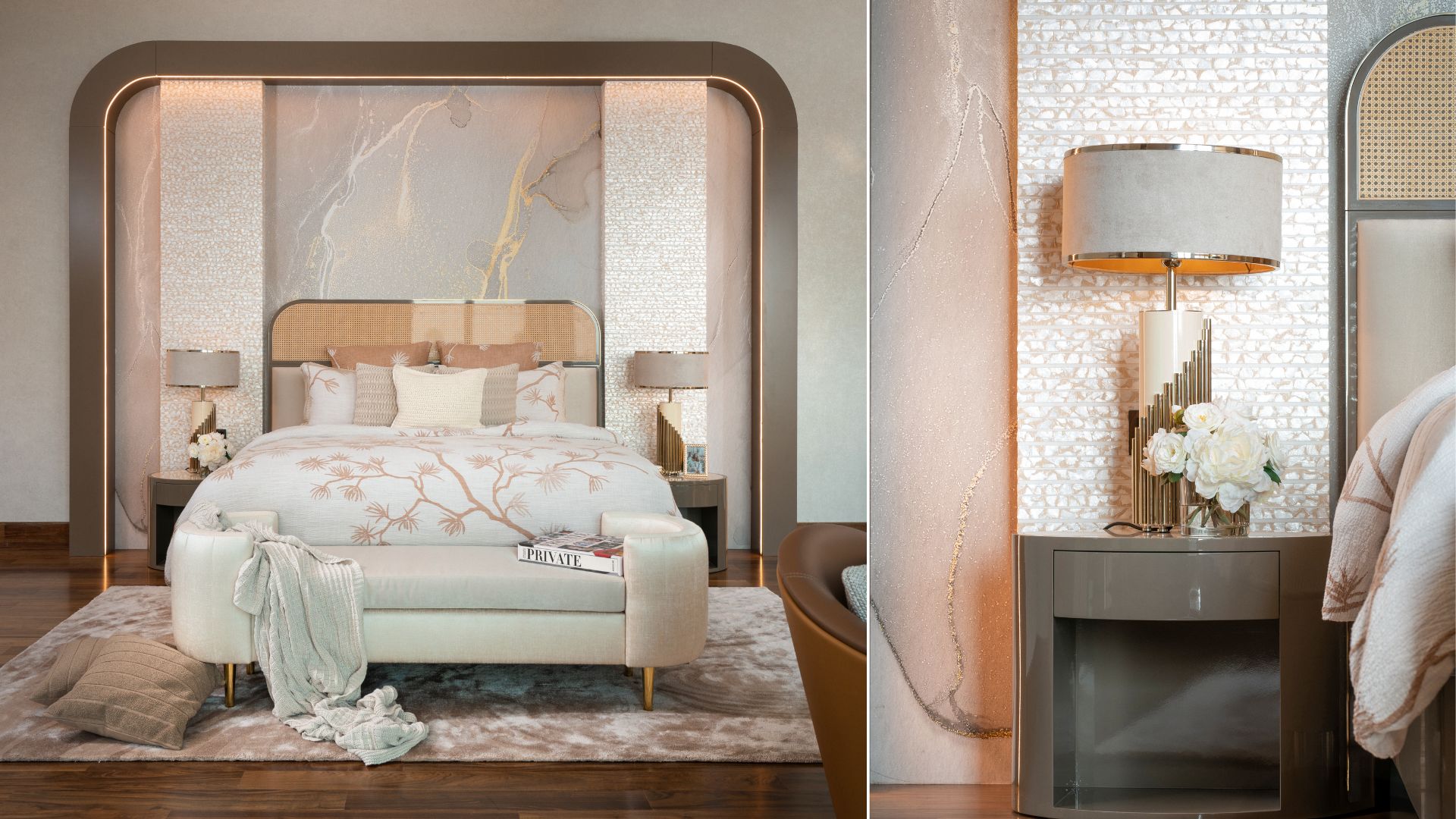
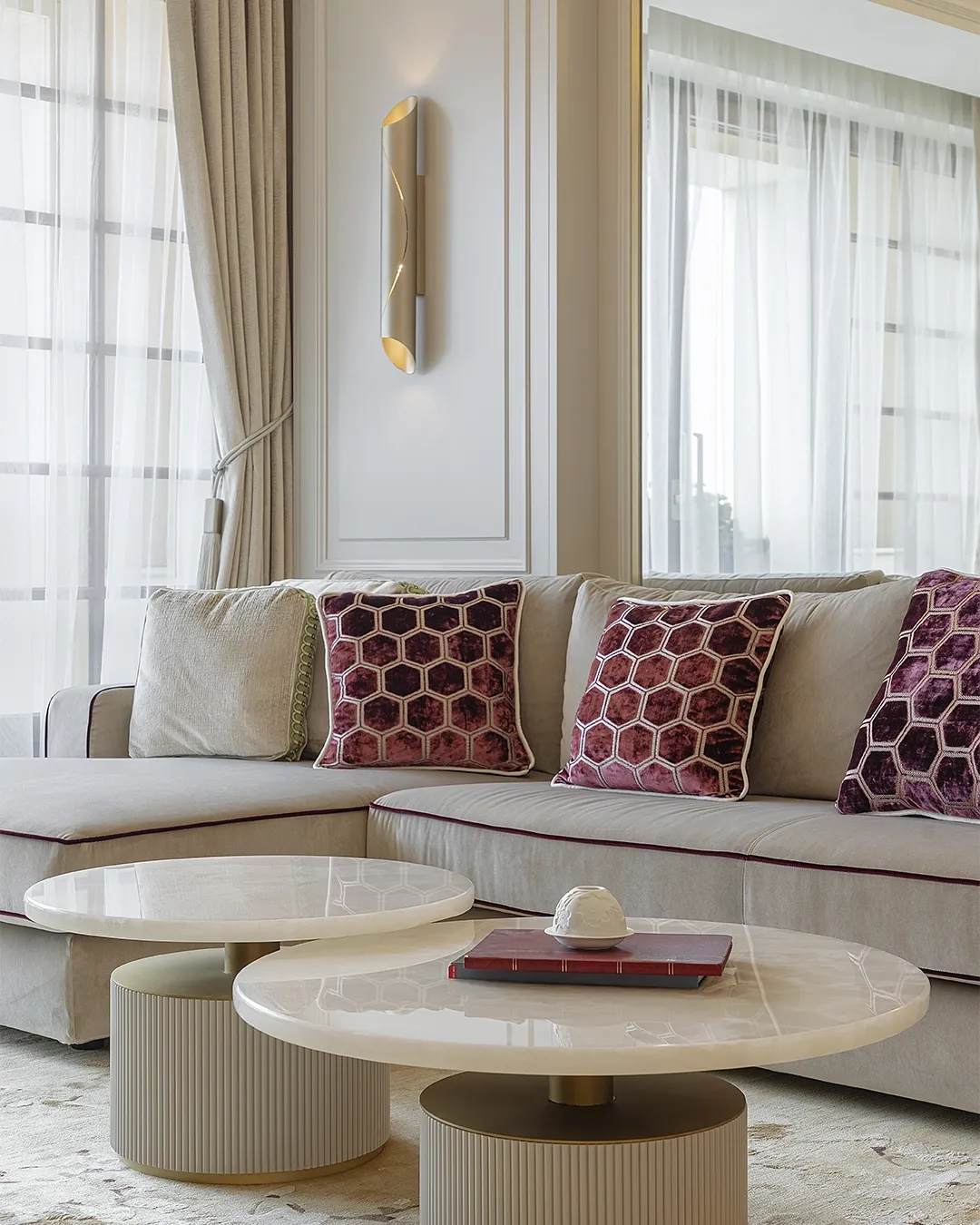
Miami Residential Project by Ricardo Britto | Image Courtesy: Ricardo Britto
Fabrics and Comfort in Coastal Interior Design
Coastal interiors are designed to feel comfortable and easy to live in. Fabrics are one of the strongest tools for creating that sense of relaxed sophistication.Linen is one of the most iconic fabrics in coastal interior design. Its natural texture, softness, and slightly informal appearance make it perfect for summer homes and seaside villas. Linen curtains, slipcovered sofas, cushions, and bedding help create an interior that feels breezy and refined.Cotton, wool, and other breathable textiles can also be layered throughout the home. The aim is to create softness without making the space feel overly styled. Curtains should allow light to pass through. Sofas should invite people to sit and stay. Bedrooms should feel calm, fresh, and restful.
In a coastal villa, comfort is not secondary to beauty. It is part of the design concept. Oversized sofas, relaxed armchairs, soft throws, and layered cushions help transform open spaces into welcoming interiors.This is why coastal interior design works so well in luxury homes. It combines visual elegance with real comfort, creating spaces that feel both beautiful and livable.
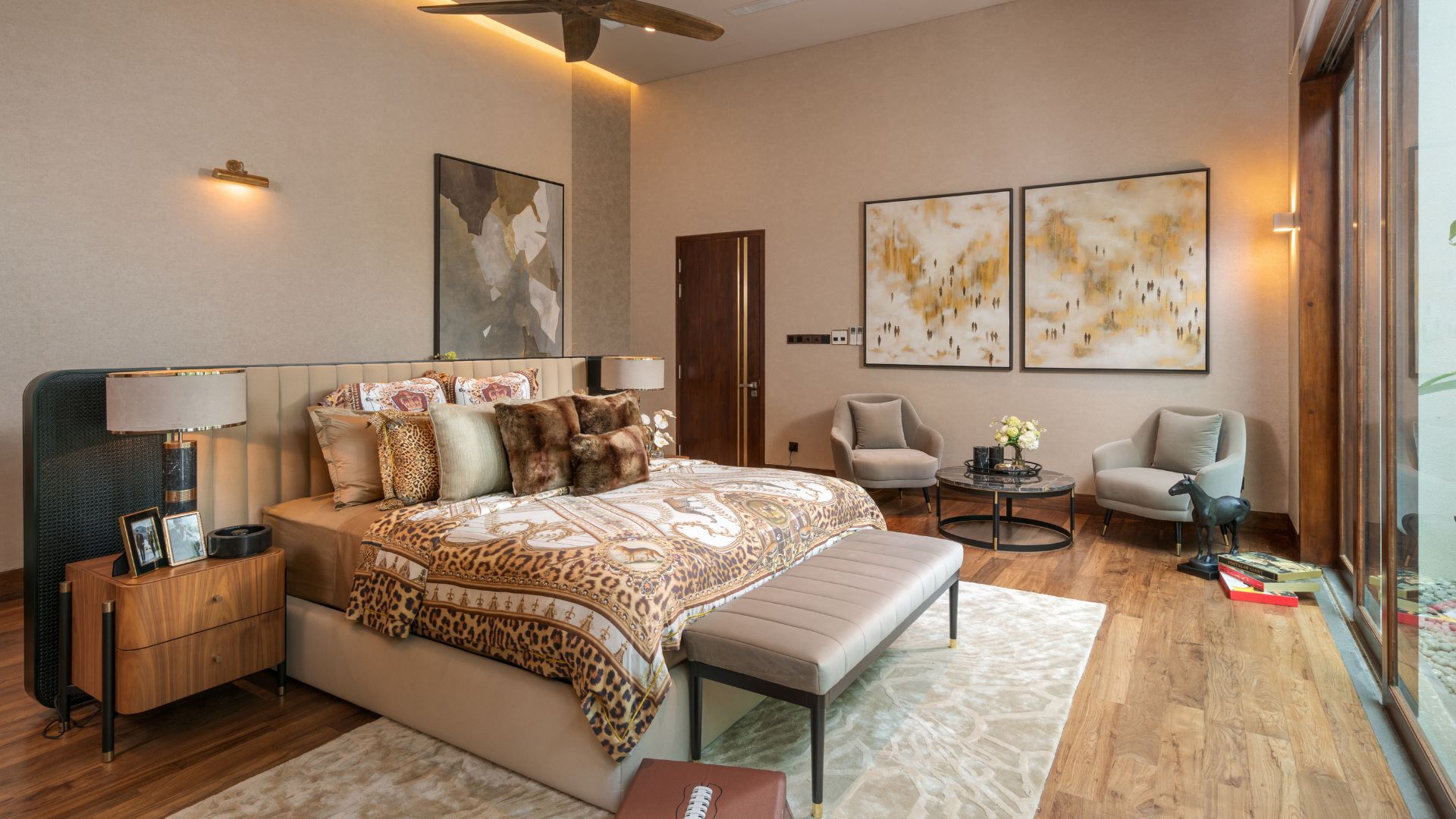
Araliya Niwasa: A Luxury Residence by Clove Republic | Image Courtesy: Clove Republic
Natural Light as the Main Feature
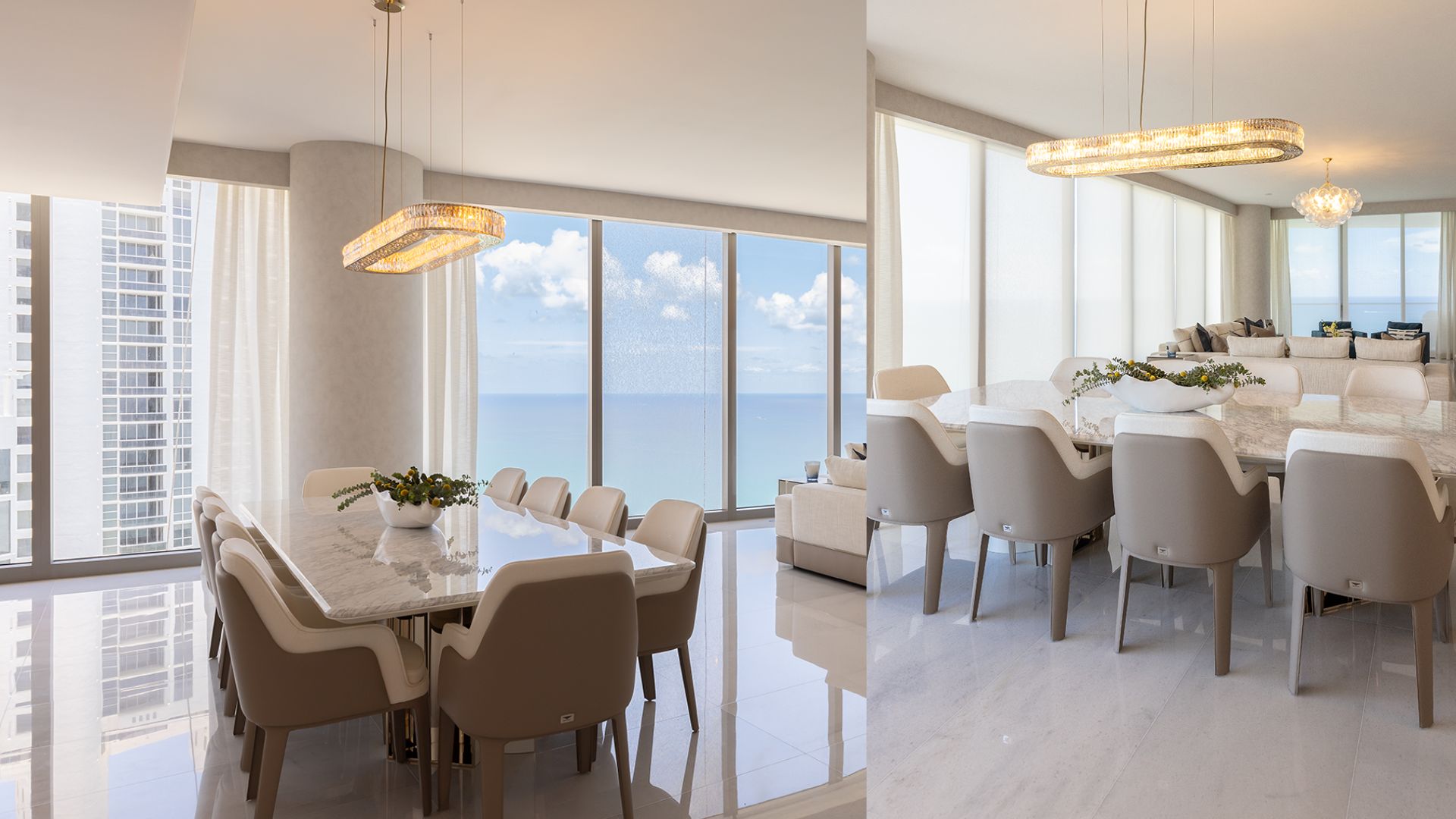
Natural light is one of the defining elements of coastal interior design. Large windows, open-plan layouts, glass doors, and sheer curtains allow sunlight to move freely through the home, making each space feel bright and expansive.In coastal villas, the architecture is often designed to frame the landscape. Views of the sea, terraces, gardens, or swimming pools become part of the interior experience. The boundary between inside and outside becomes softer, creating a lifestyle that feels connected to the environment.
During the day, sunlight brings movement to the interior. It changes the way materials appear, highlights textures, and creates subtle shadows across walls, floors, and furniture. A simple white room can feel completely different from morning to evening depending on the quality of light.This relationship between light, space, and material is what gives coastal interiors their emotional quality. The design does not need to be excessive because the light itself becomes part of the decoration.
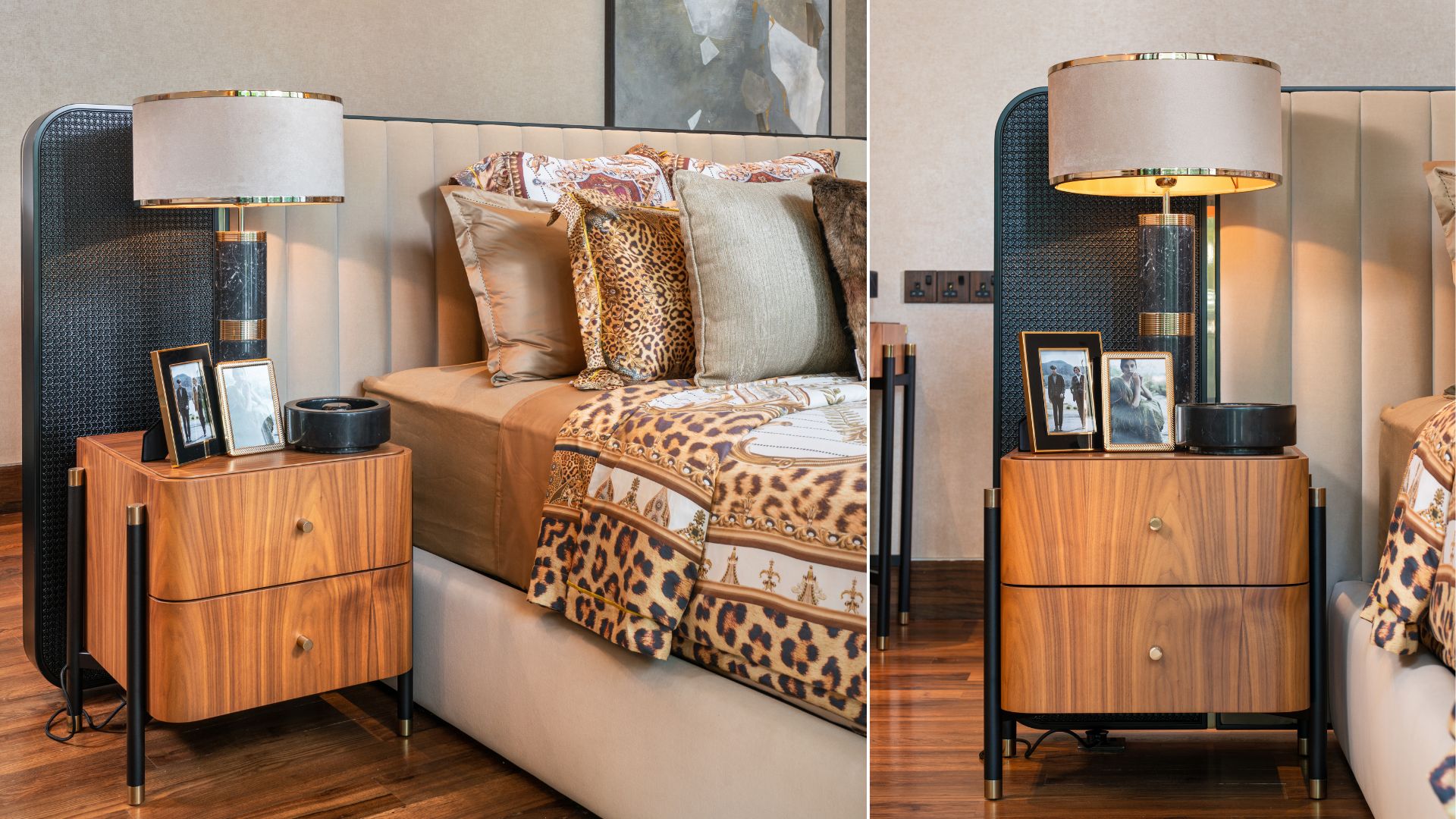
Miami Residential Project by Ricardo Britto | Image Courtesy: Ricardo Britto
Lighting in Coastal Interior Design
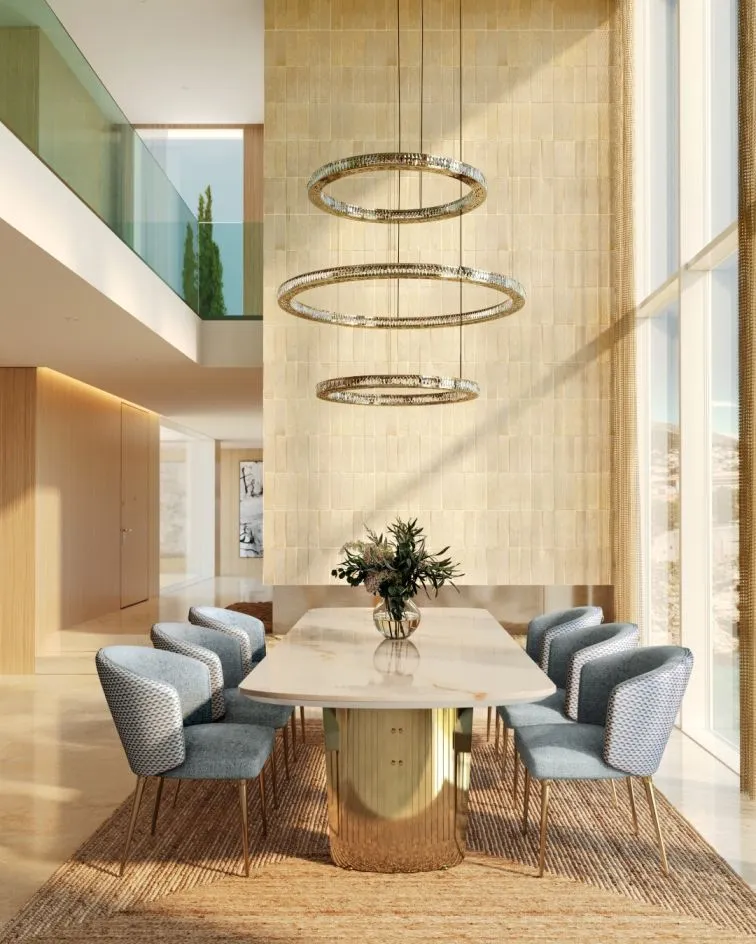
While natural light defines coastal interiors during the day, decorative lighting becomes essential after sunset. In a coastal villa, lighting should create warmth, depth, and atmosphere without interrupting the calm feeling of the space.
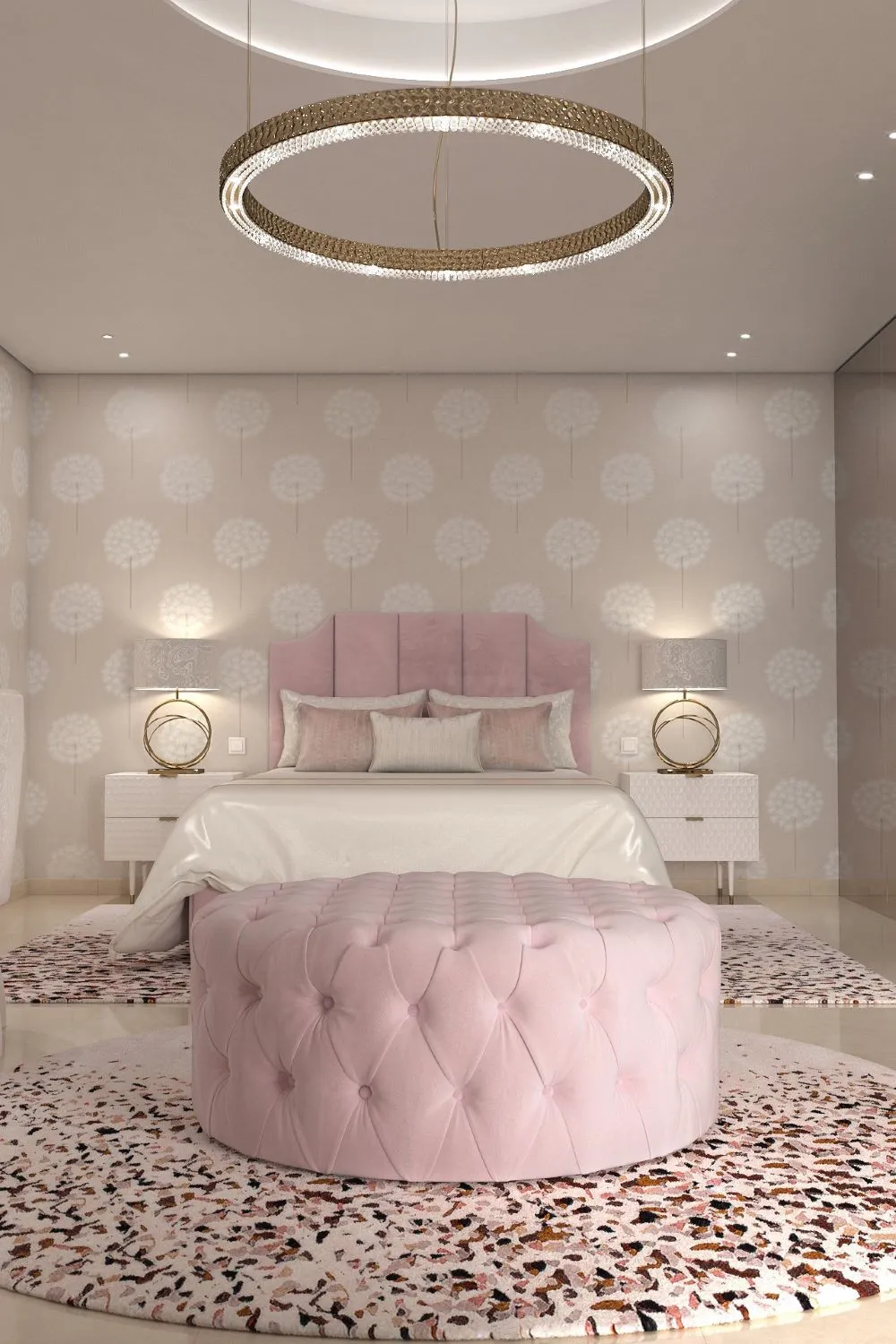
The best lighting for coastal interiors is layered. A statement suspension can define the dining room, wall lights can bring softness to corridors and bedrooms, and table lamps can add intimacy to living areas. Together, these layers create a more complete and comfortable atmosphere.Warm metallic finishes such as brass, bronze, and soft gold work particularly well in coastal villas. They complement natural materials such as wood, stone, linen, and jute, while adding a subtle sense of luxury. These finishes also reflect light beautifully, creating a soft glow that feels especially elegant in evening interiors.
In luxury coastal homes, lighting should feel sculptural but not excessive. It should enhance the architecture, add character, and support the relaxed elegance of the space. A well-chosen lighting piece can become the focal point of a room while still respecting the simplicity of the coastal aesthetic.This is where decorative lighting becomes more than a functional element. It becomes part of the atmosphere of the home.
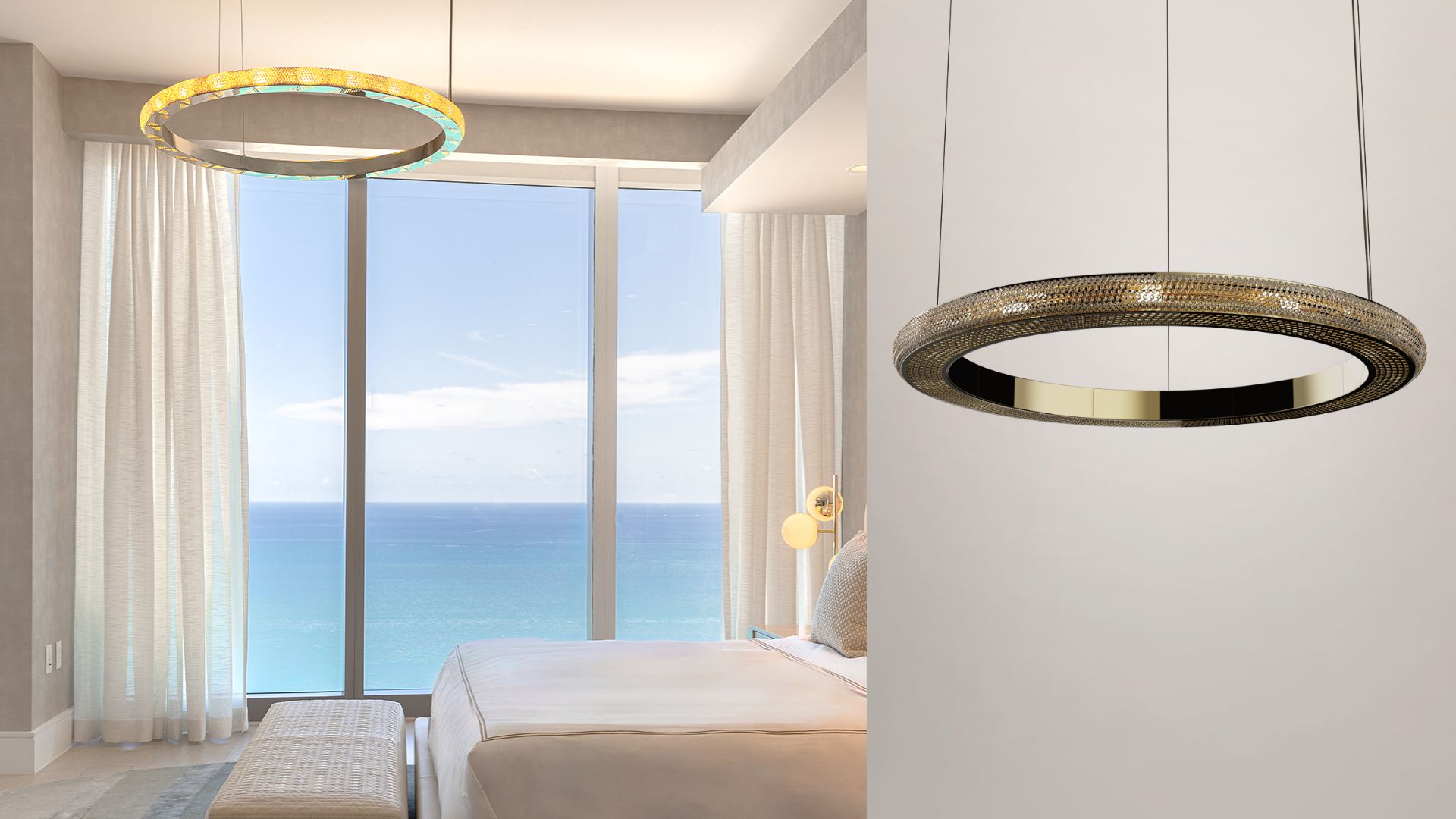
Miami Residential Project by Ricardo Britto | Image Courtesy: Ricardo Britto
Subtle Décor and Refined Details
A sophisticated coastal interior avoids literal nautical themes. Instead of anchors, shells, ropes, or strong blue-and-white contrasts, the most elegant coastal villas use subtle references to the sea and the surrounding landscape.Abstract artwork, sea-glass tones, sculptural ceramics, organic decorative objects, natural stone accessories, and textured wall pieces can all suggest the coastal mood without making the interior feel themed.
The goal is to create a home that feels inspired by the coast, not decorated like a beach house. This distinction is important, especially in luxury interiors. The design should feel timeless enough to be lived in all year, not only during the summer season.Every object should feel intentional. In coastal interior design, empty space is just as important as decoration. The calm atmosphere comes from restraint, proportion, and the careful selection of materials and details.
Araliya Niwasa: A Luxury Residence by Clove Republic | Image Courtesy: Clove Republic
The Lasting Appeal of Coastal Interior Design
Coastal interior design remains timeless because it is based on elements that never lose relevance: natural light, comfort, organic materials, soft colours, and a strong connection to place.In a world where interiors can often feel overly designed, the coastal villa aesthetic offers a more serene and human approach. It values calm over excess, texture over ornament, and atmosphere over trend.
For Algarve villas, this design language feels especially authentic. The region’s architecture, climate, landscape, and lifestyle all support interiors that are open, warm, and quietly luxurious.A successful coastal interior does not need to look like a beach house. It needs to feel like a home shaped by light, nature, and ease. With the right materials, colours, furniture, and lighting, coastal villa interior design creates spaces that are elegant, relaxed, and deeply connected to life by the sea.
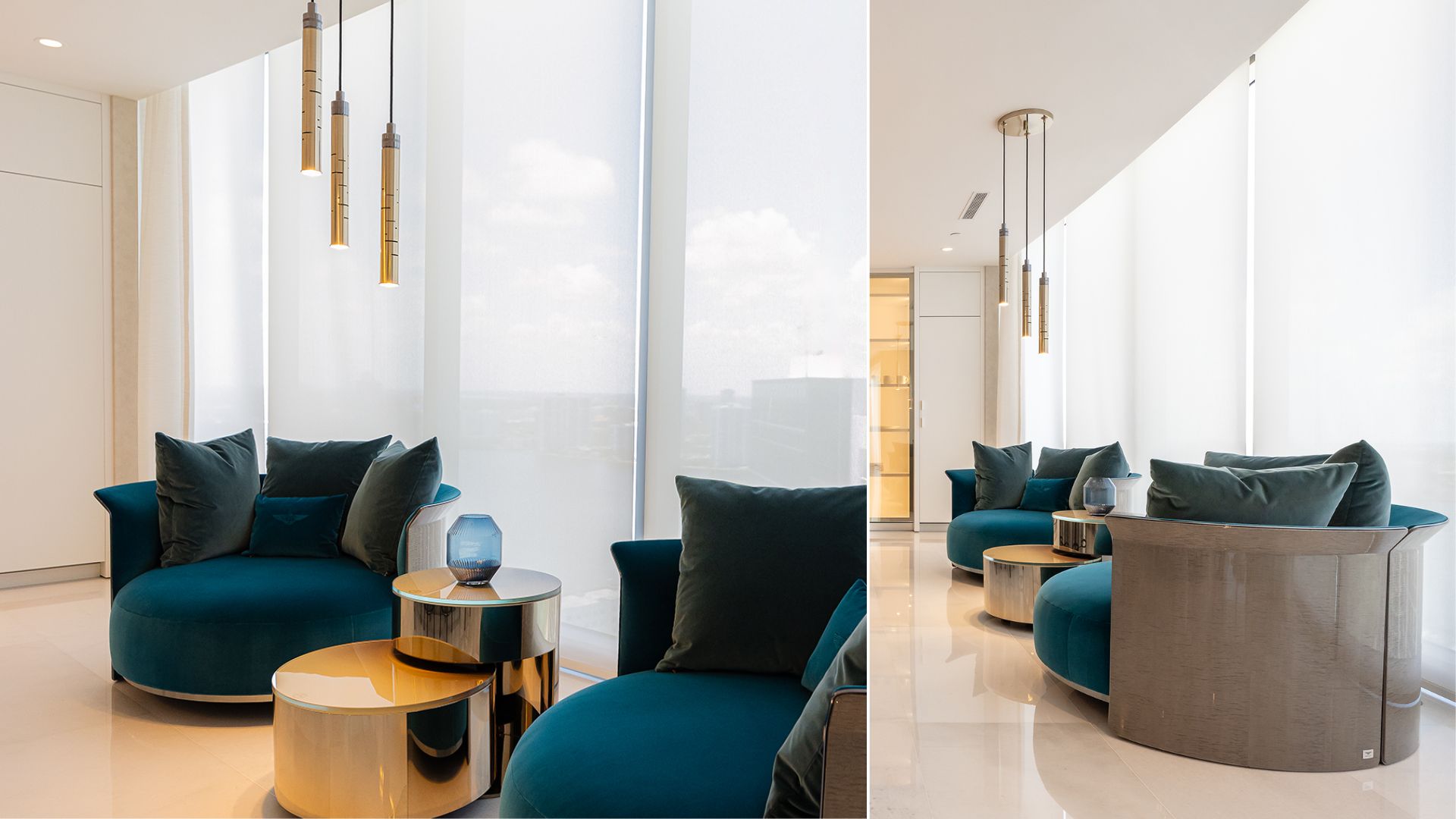
Miami Residential Project by Ricardo Britto | Image Courtesy: Ricardo Britto
Related Articles

What The Devil Wears Prada 2 Teaches Us About Luxury Interior Design
5 Interior Design Trends for Summer 2026: The Luxury of Atmosphere

What the First Electric Ferrari Reveals About the Future of Luxury Design

Swarovski Chandelier: Why Crystal Still Represents the Future of Luxury Lighting