BLOG & NEWS
Wall Lighting Design: Elevating Interiors Through Light and Material
Wall Lighting Design: Elevating Interiors Through Light and Material
Wall lighting plays a quiet yet decisive role in contemporary interiors. Rather than drawing immediate attention, it shapes the atmosphere from within, softening contrasts, enhancing textures, and creating a subtle dialogue between light and material. In more considered spaces, lighting is no longer an isolated element. It becomes part of the architectural composition, working alongside surfaces, volumes, and finishes to define how a space is experienced.
1. Light as Atmosphere
At its core, wall lighting is about atmosphere. Indirect illumination allows light to diffuse gently across surfaces, creating a sense of calm and visual balance. This approach avoids harsh contrasts and instead introduces a layered softness, where light feels integrated rather than imposed. It is particularly effective in living areas and transitional spaces, where comfort and continuity are essential.
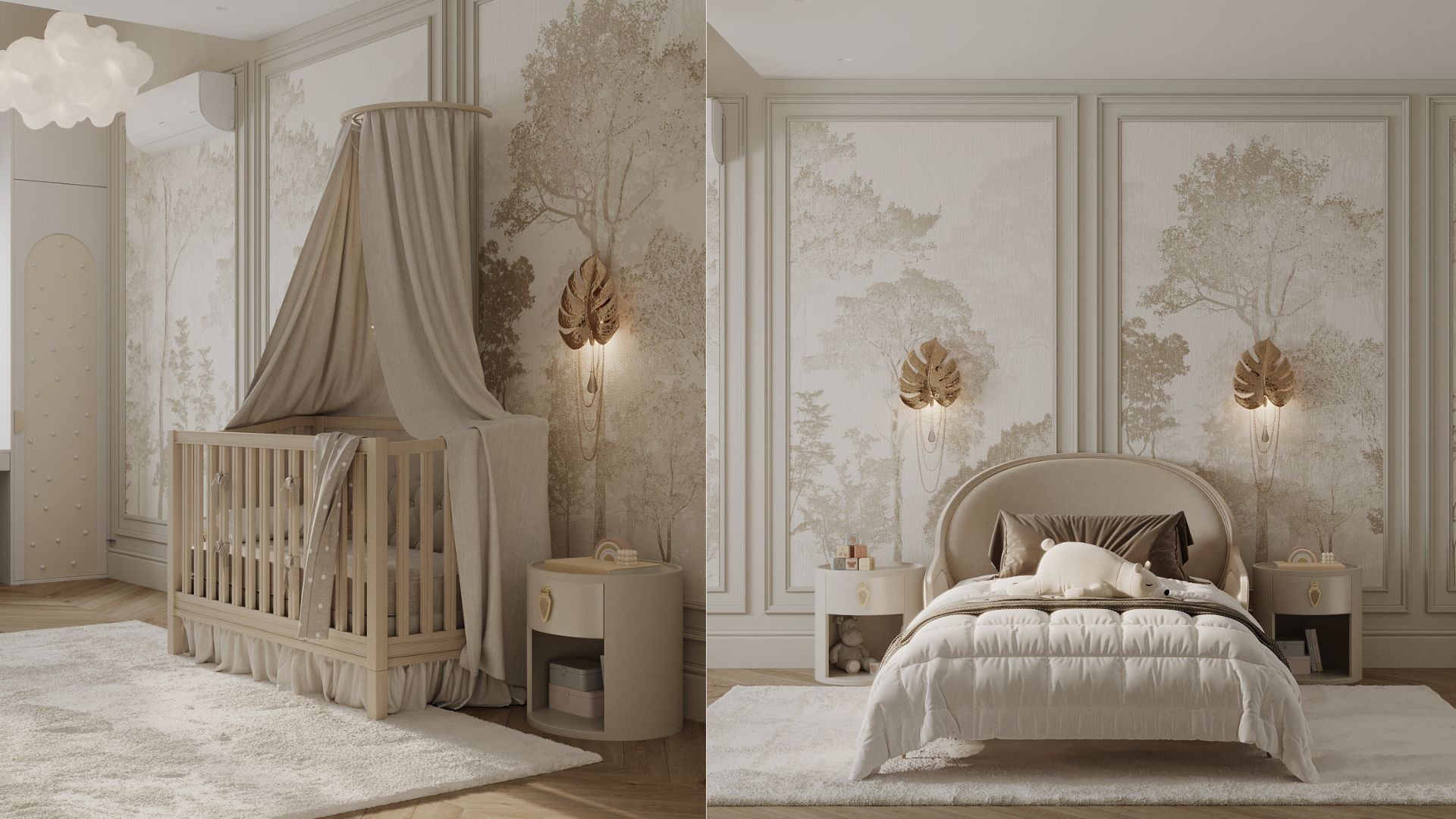
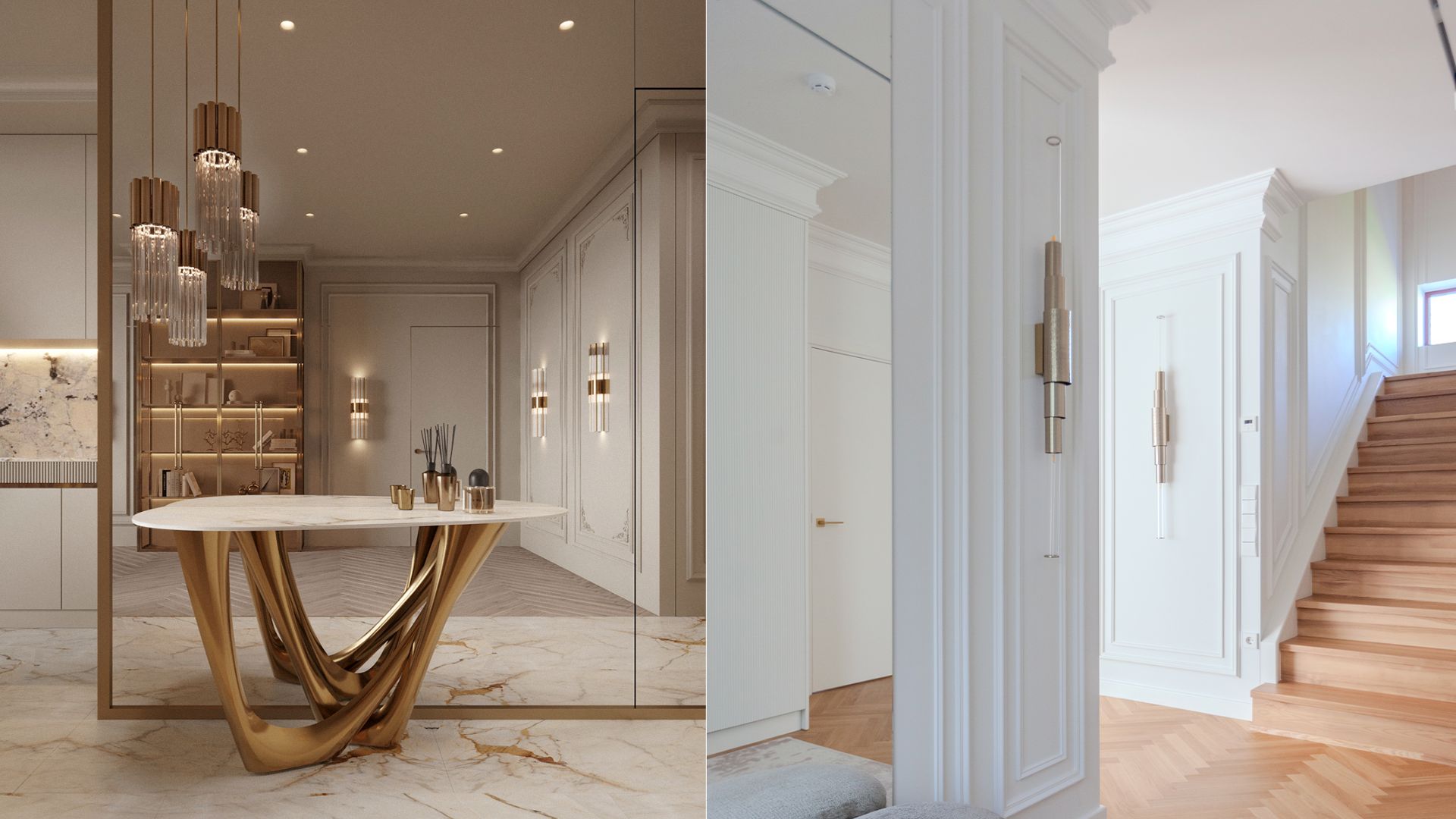
Project by Irina from Tsimbalist Group with Rainforest Wall Light
2. The Role of Material
Materiality defines how light behaves. Brass introduces warmth and reflection, glass softens and diffuses, while stone absorbs and grounds the composition. In well-resolved interiors, wall lighting is selected not only for its form but for how it interacts with surrounding materials. This relationship elevates lighting into a tactile experience, reinforcing a more refined and crafted environment.
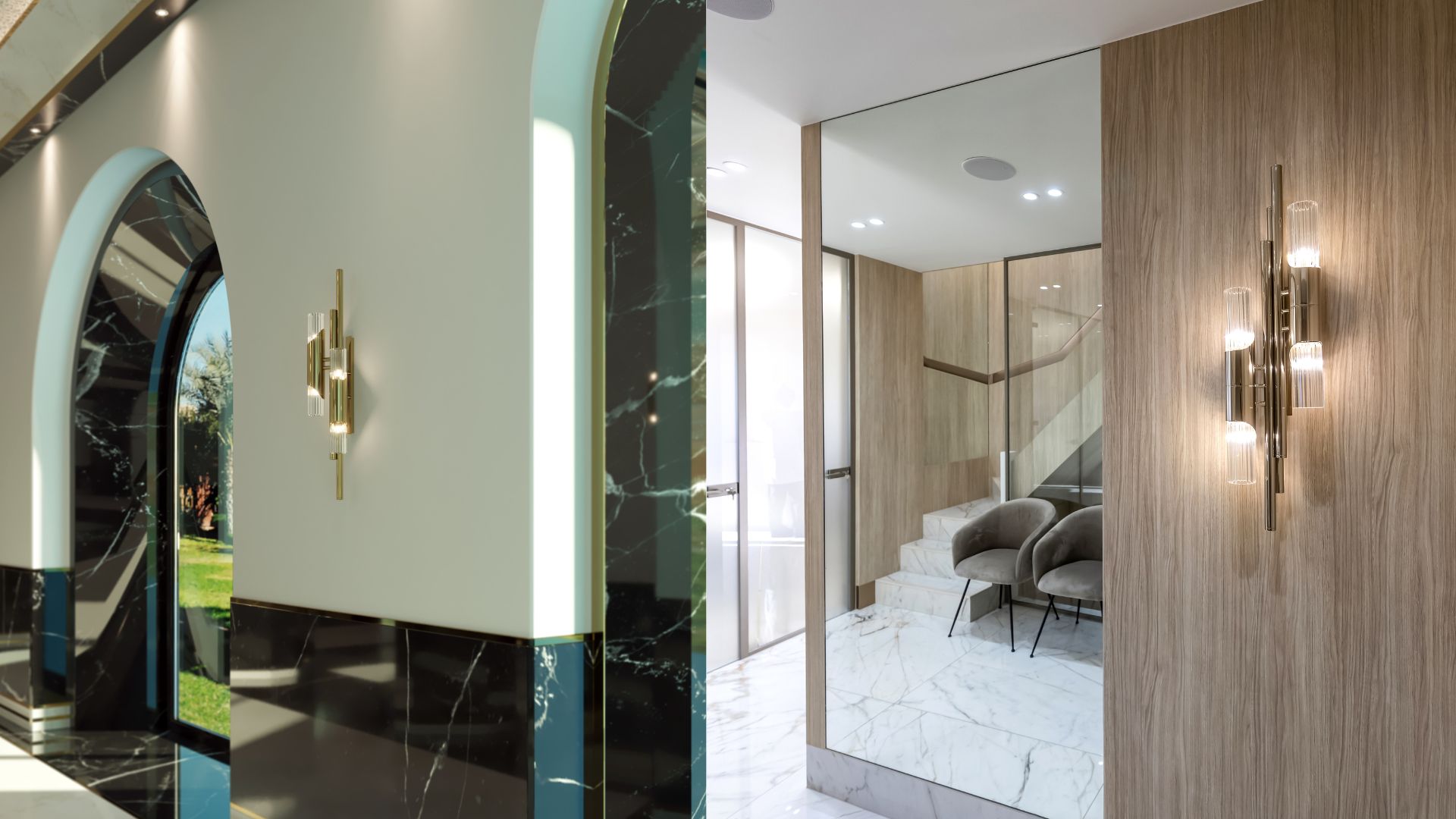
Byron Wall Light for a Hotel Lobby and a Project by Clé de Maison for Beauty Empire Clinic in London
3. Sculptural Presence
Beyond function, wall lighting increasingly takes on a sculptural role. Pieces are designed to stand as objects in their own right, contributing to the identity of the space even when unlit. Balanced proportions, clean geometries, and handcrafted details position wall lighting within a broader design language, one that aligns closely with high-end lighting design and a more curated approach to interiors.
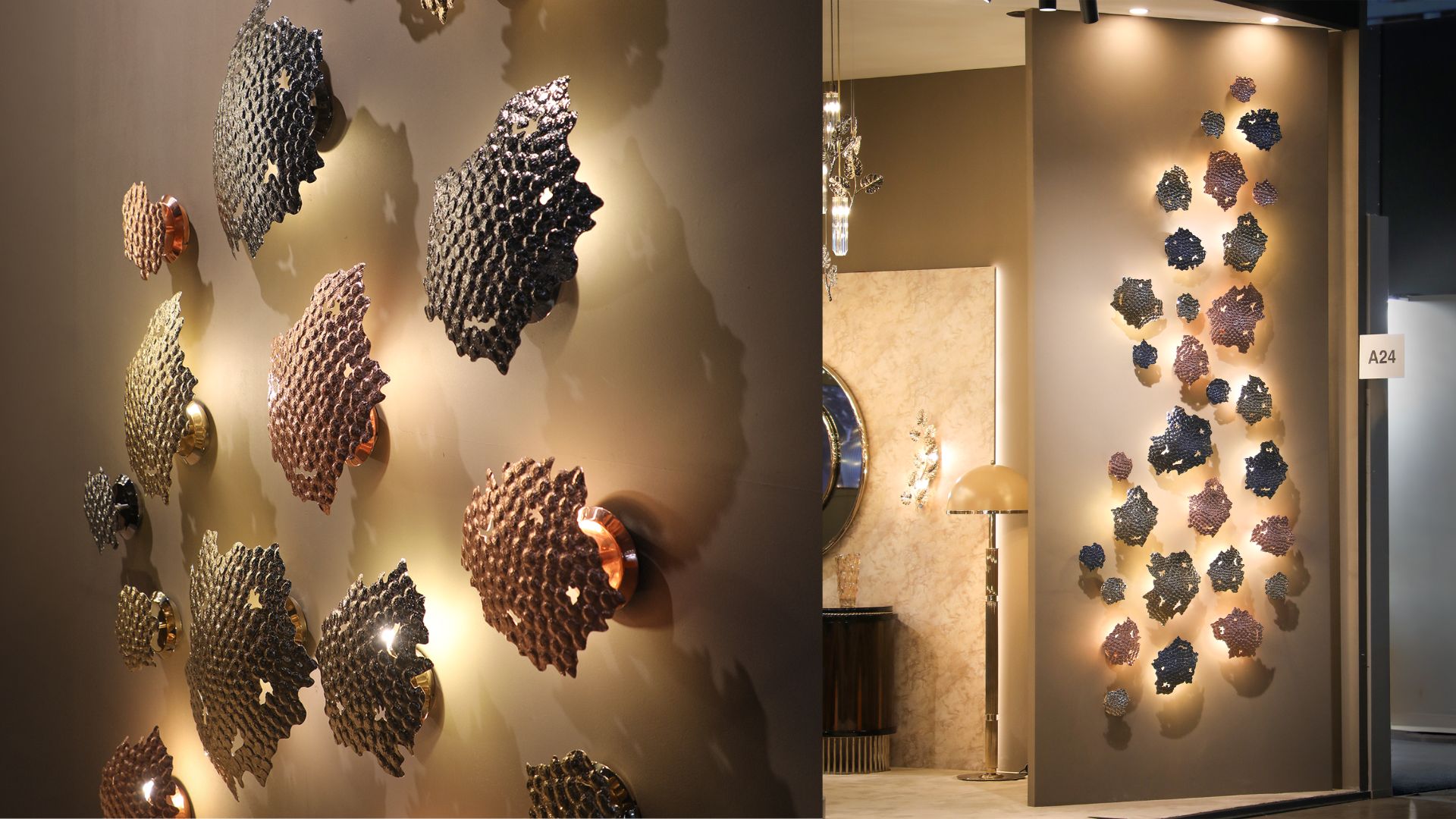
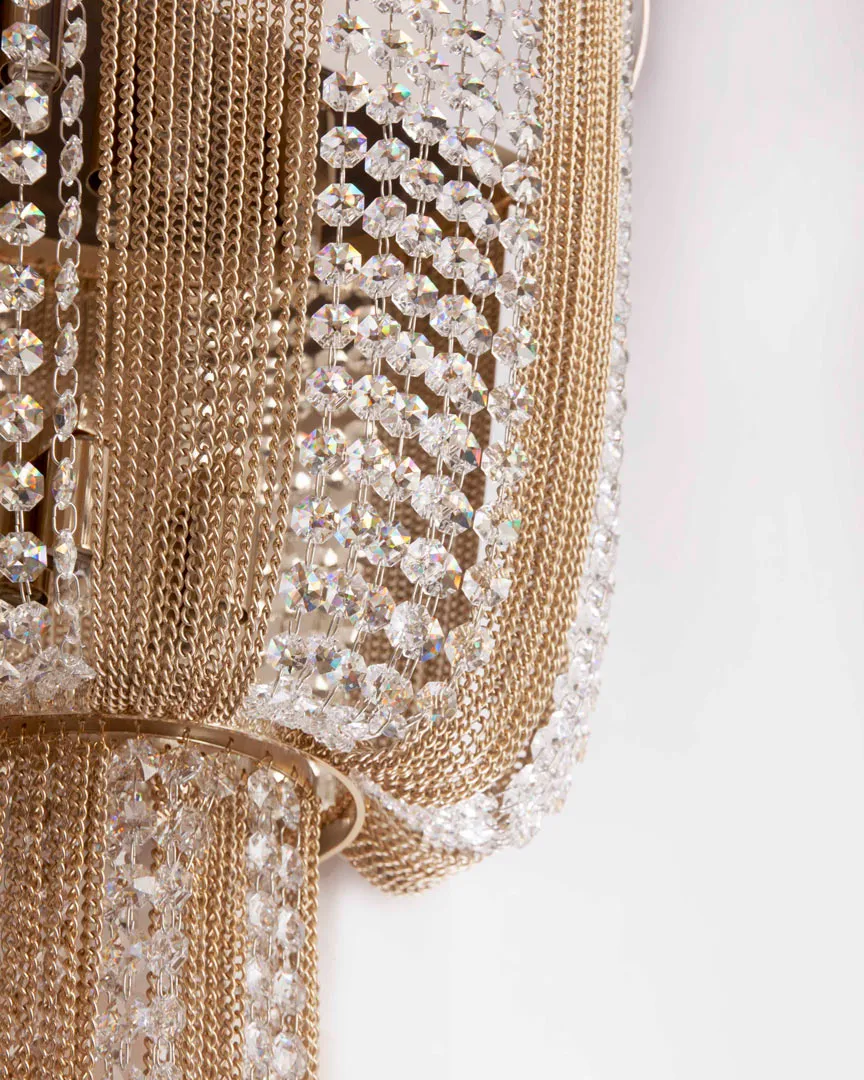
Magma Wall Light in Castro Lighting Stand at Salone del Mobile 2026
4. Rhythm and Repetition
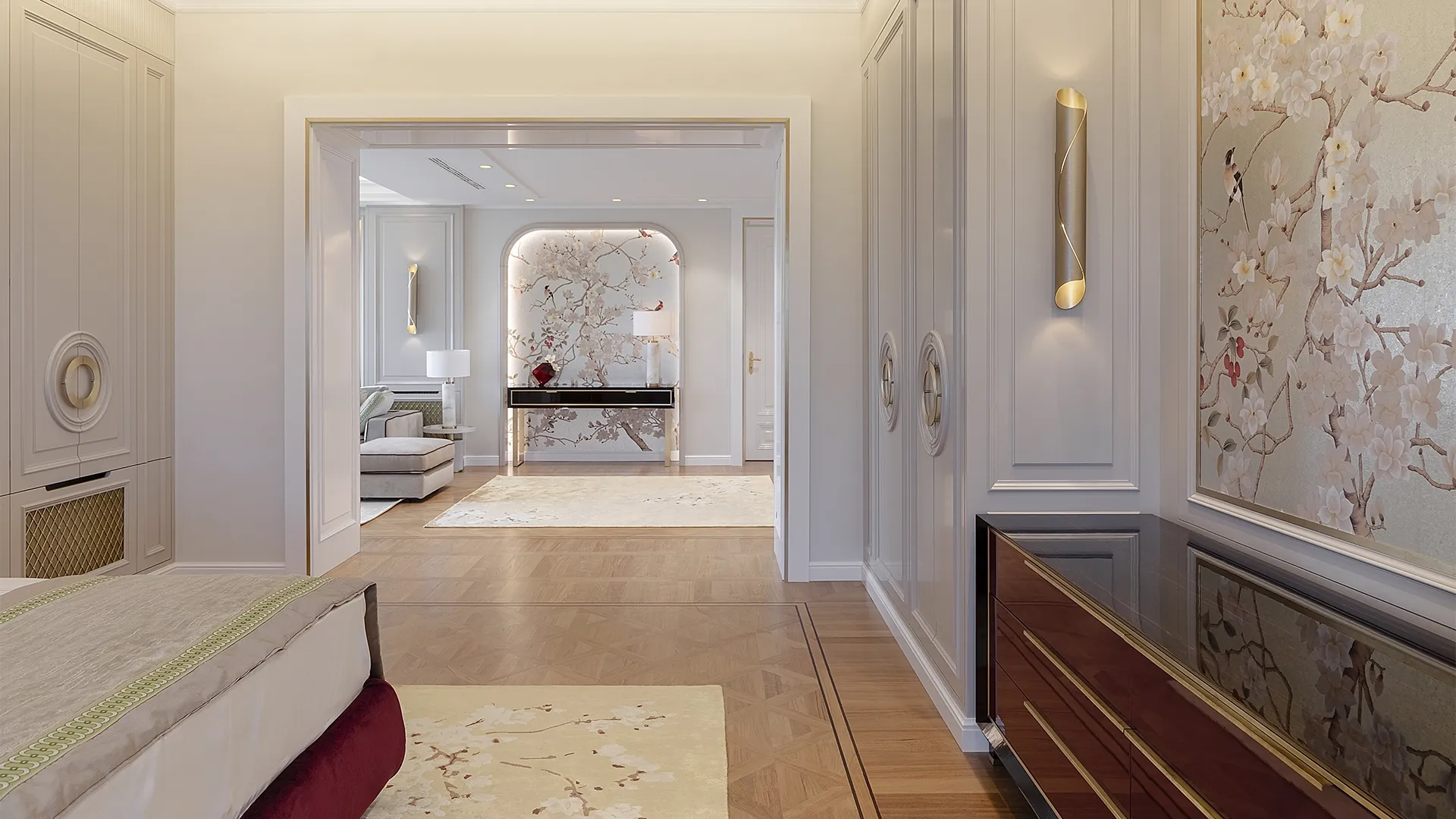
The repetition of wall lighting introduces rhythm and structure. Placed along corridors, across feature walls, or framing key architectural elements, it creates visual continuity and reinforces spatial order. This strategy is often used in more complex interiors, where consistency and flow are essential, particularly in environments influenced by hospitality lighting design.
Project by Mix & Match Buro Interiors with Halma Wall Light. Project by Ismanus Interjeras with Metier Wall Light.
5. Functional Precision
While atmospheric and decorative, wall lighting also serves a precise functional role. Bedside fixtures, reading lights, and accent pieces are carefully positioned to support daily use without disrupting the overall composition. When combined with overhead solutions, wall lighting contributes to a cohesive scheme, complementing approaches explored in architectural ceiling lighting.
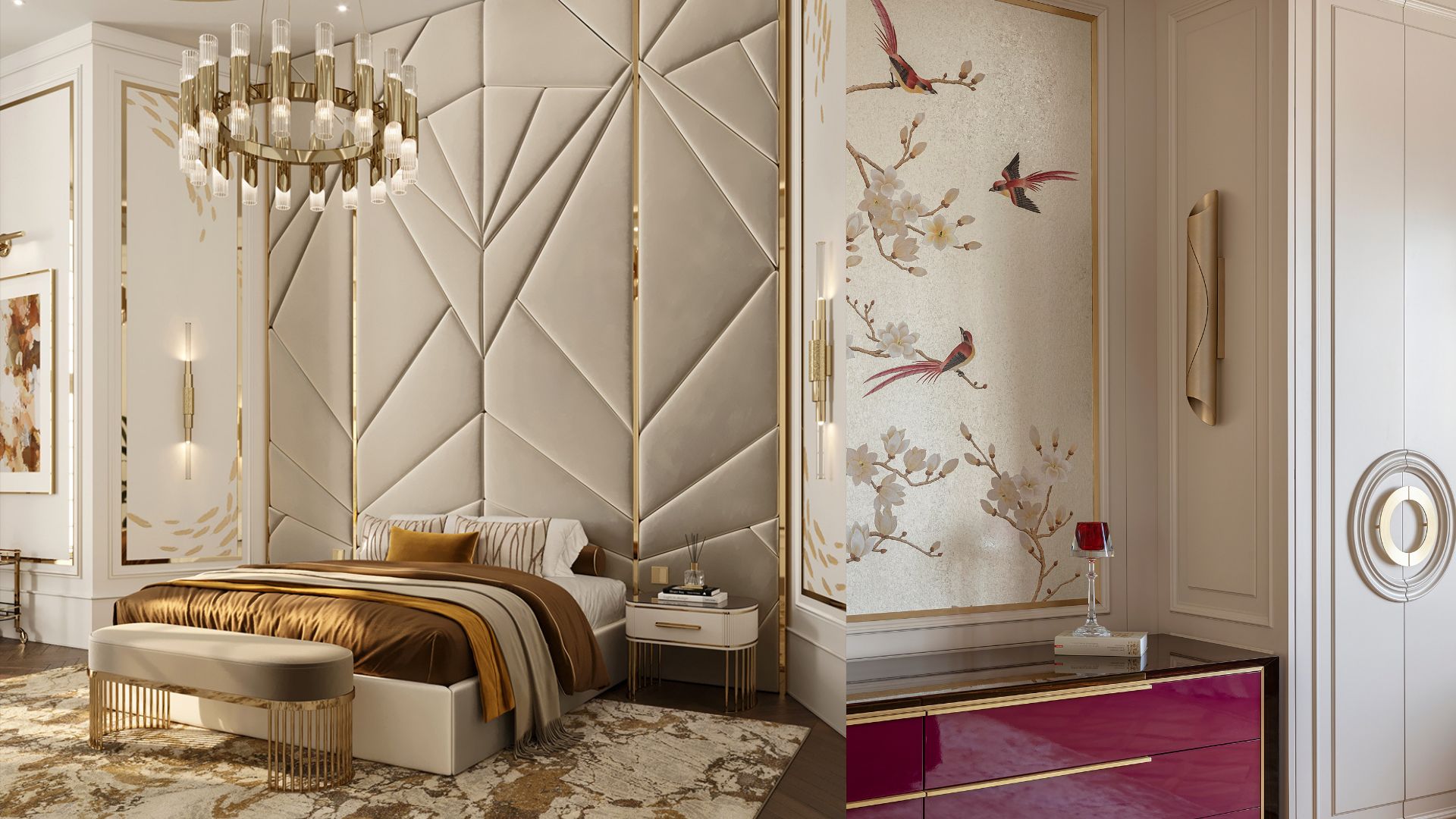
Metier Wall Light in a bedroom and a Project by Attic Architectura & SudStudio
Wall lighting design is defined by restraint, precision, and material sensitivity. It does not compete with the space, it enhances it.
Through subtle illumination and considered form, it becomes an essential layer in creating interiors that feel balanced, refined, and complete, reflecting the principles of modern interior lighting design.
Related Articles
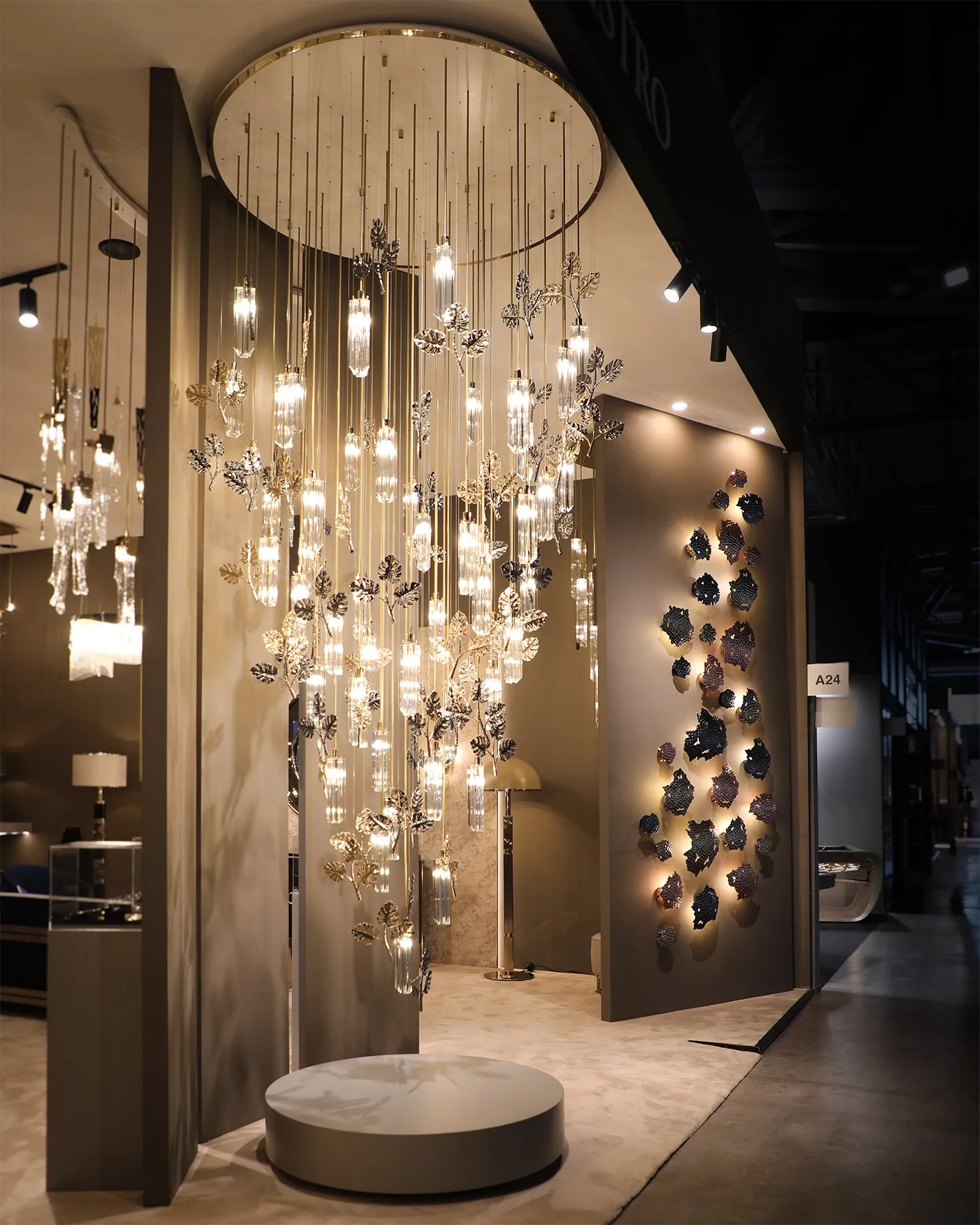
Reliving Salone del Mobile 2026: The Art of Brass
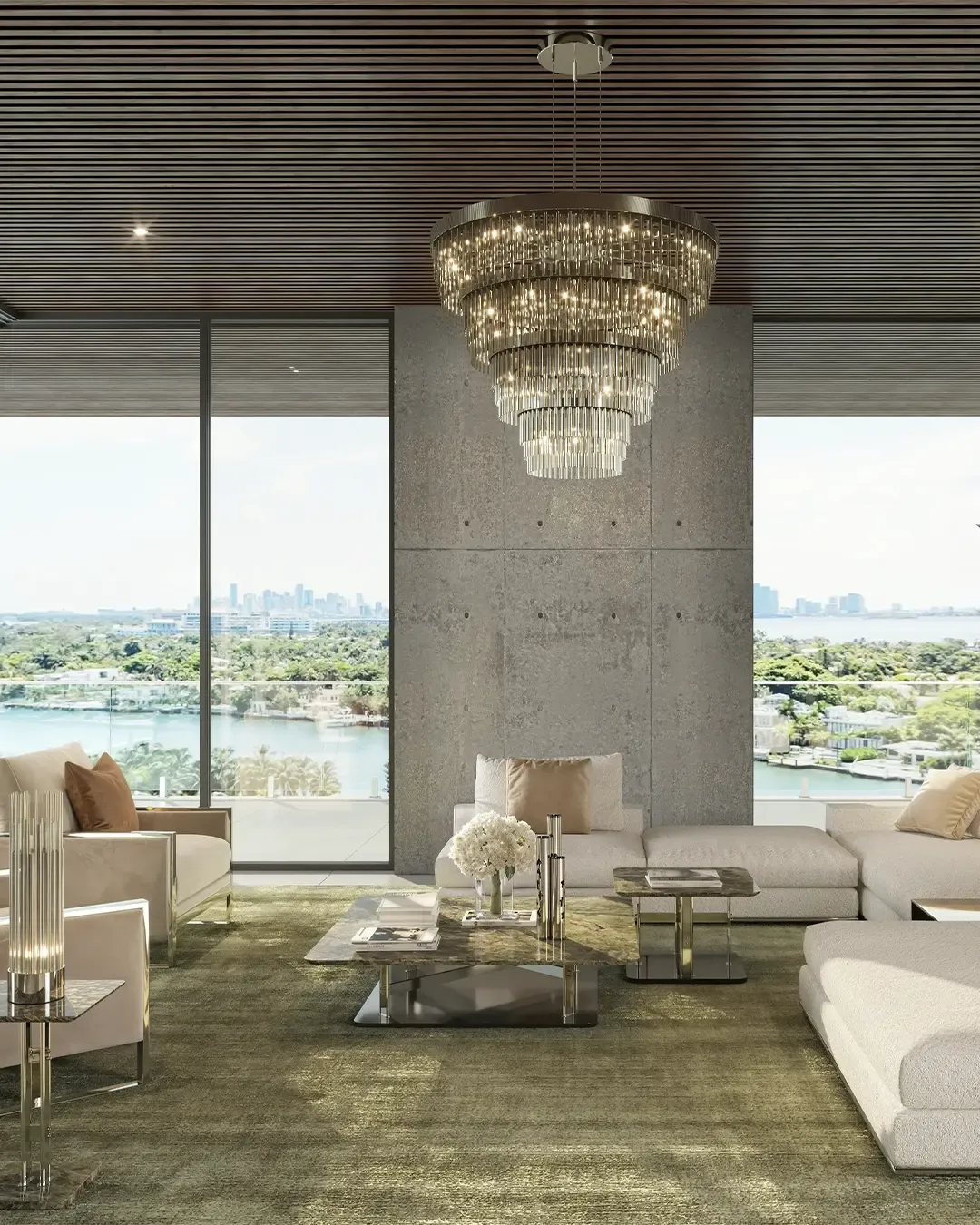
The Intersection of Art and Interior Design: How Creativity Elevates Luxury Spaces
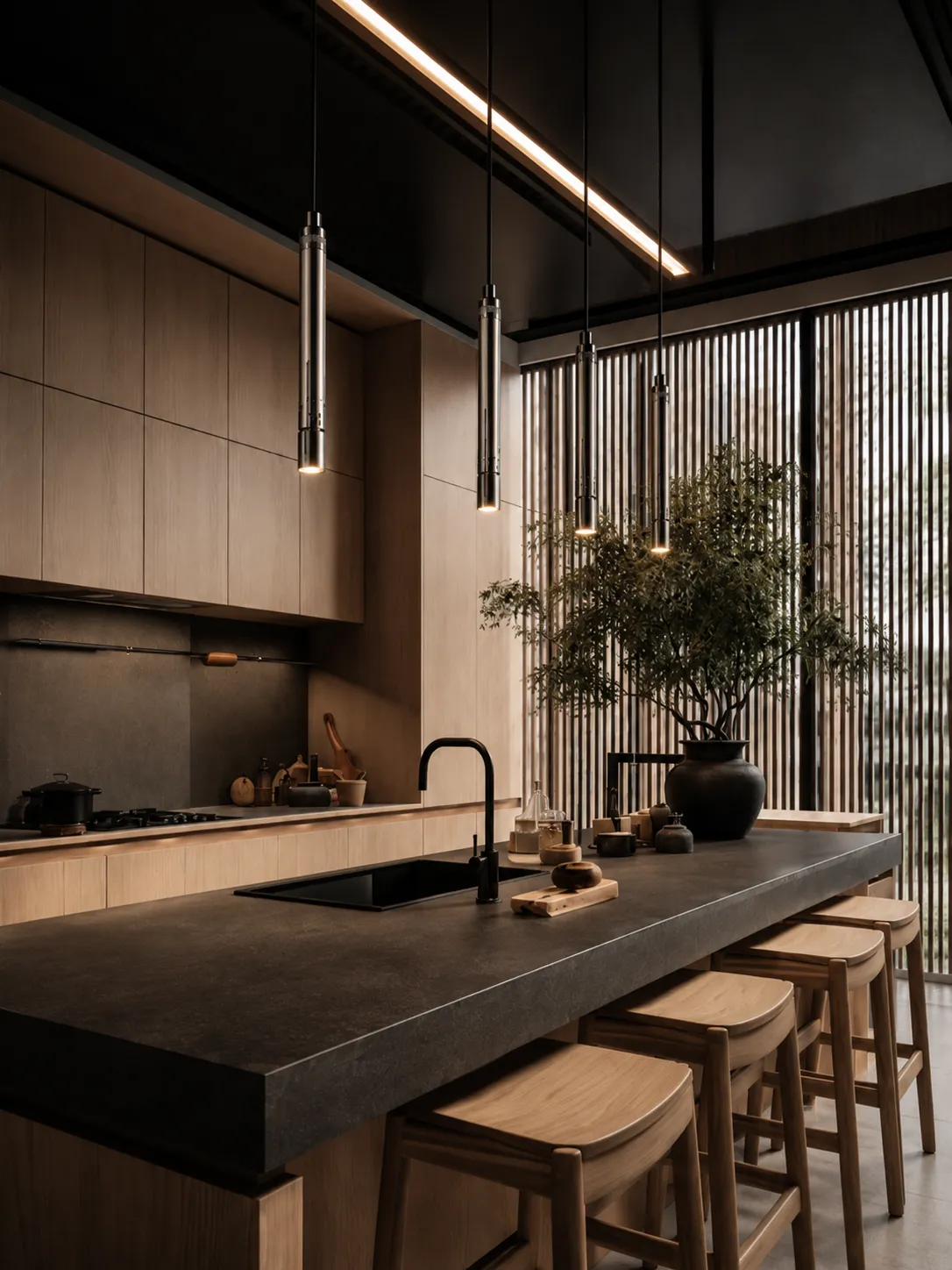
Kitchen Lighting Trends 2026: Pendant Lighting for Kitchen Interiors
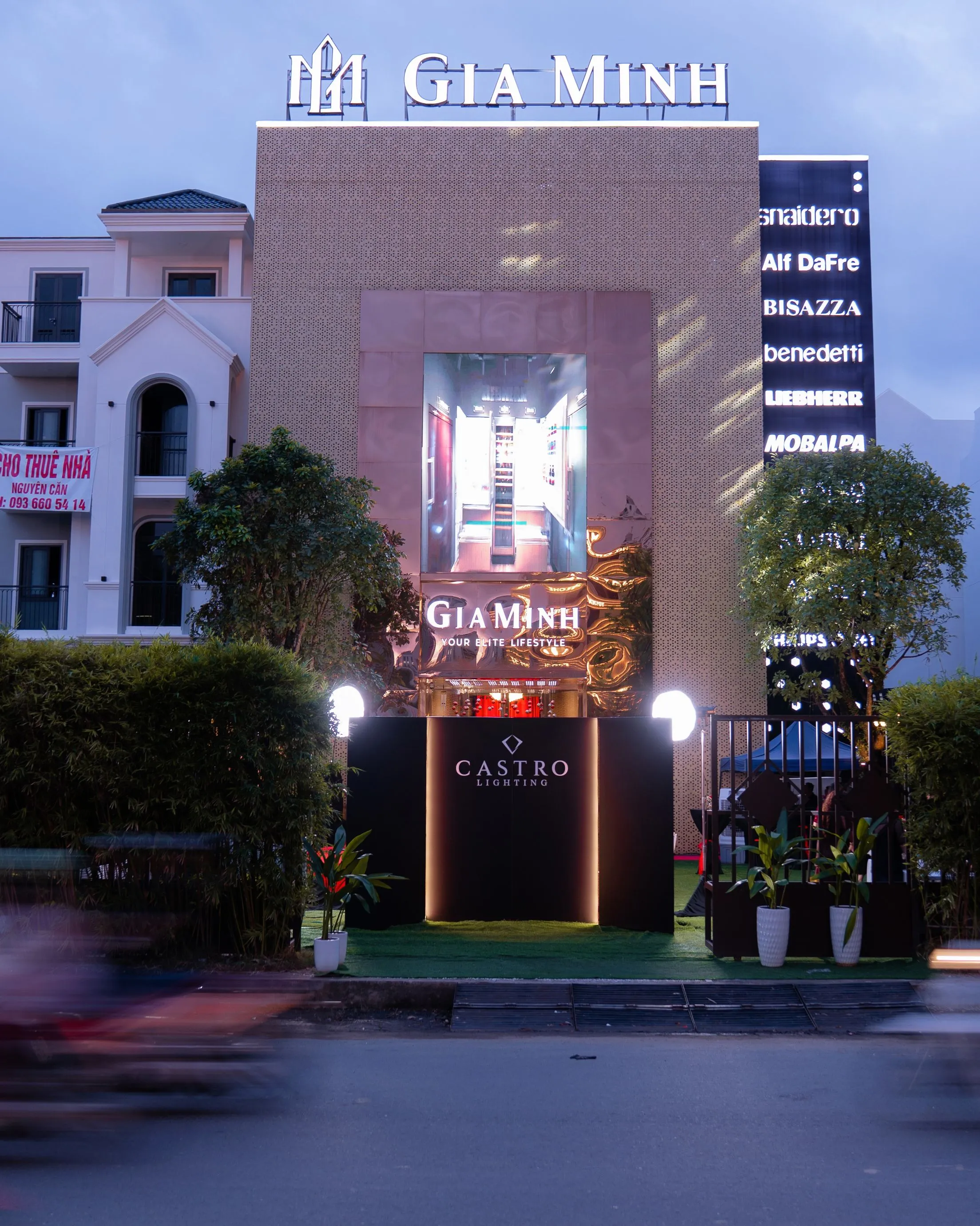
Castro Lighting Announces New Partnership with Gia Minh in Vietnam

What Is the Pendant Lighting in Season 5 of The Boys?
A Bold Look Inspired by the Series