
BLOG & NEWS
Salone del Mobile 2026 Trends: Emotional Design, Sustainability & Future Interiors
After Salone del Mobile 2026: Emotional Design, Circular Thinking & the Future of Interiors
The 2026 edition of Salone del Mobile marked a decisive shift in global design thinking. Across installations and collections, a new direction emerged, one defined by emotional intelligence, material awareness, and a deeper commitment to sustainability as a system rather than a statement.
What became clear is that design is no longer evolving around objects alone. Instead, it is shaping environments, experiences, and long-term emotional relationships between people and space. This evolution connects closely with broader movements seen in contemporary lighting, especially the rise of sculptural and atmospheric forms explored in our analysis of chandelier trends 2026.
Emotional Design and the Rise of Human-Centered Interiors
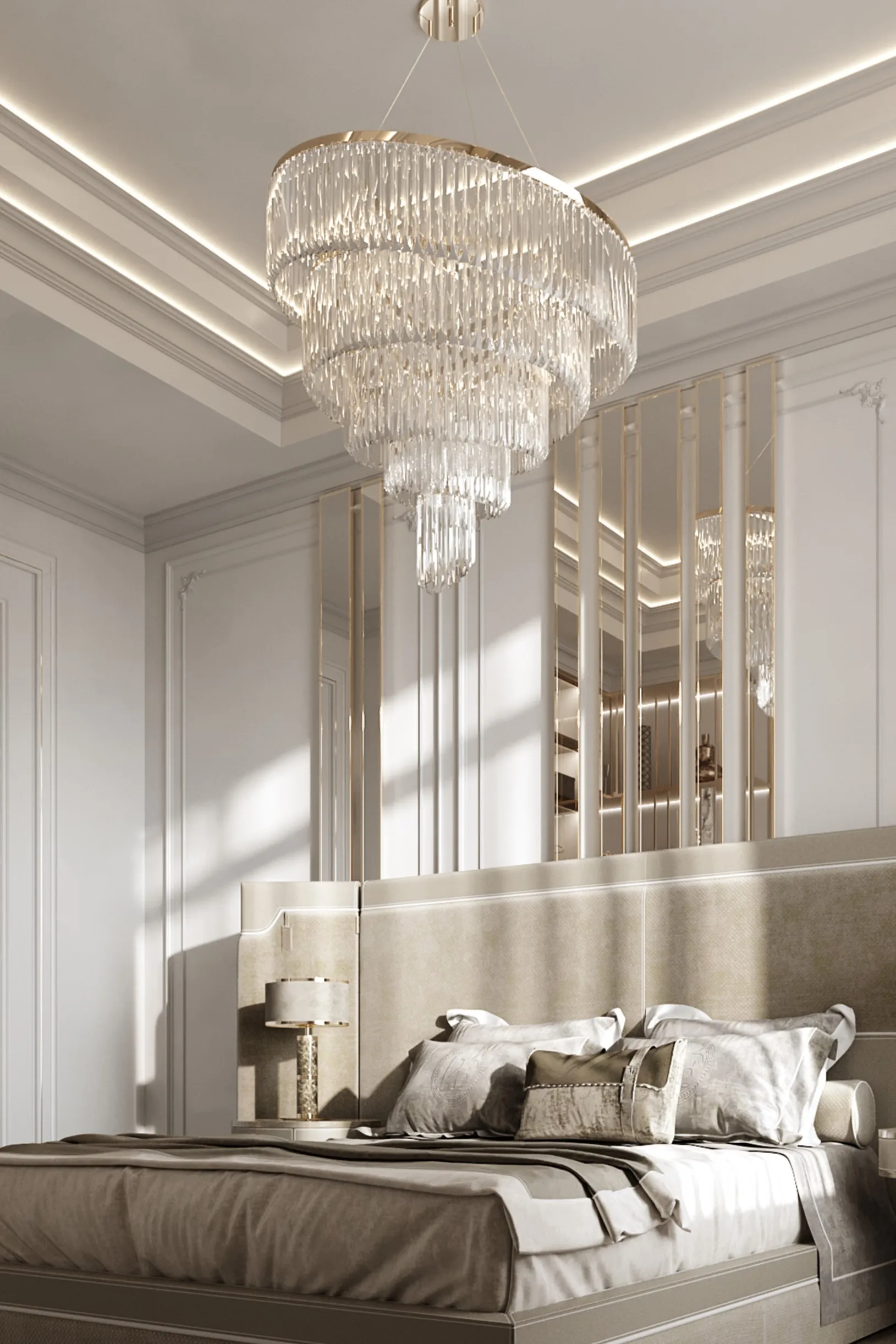
One of the most defining shifts at Salone 2026 was the return of emotional design. Interiors and furniture are increasingly created not just to function, but to evoke feeling. This shift moves design away from visual performance and toward sensory experience.
Softness, curvature, and enveloping forms dominated many presentations, reinforcing a design language rooted in comfort and psychological ease. Seating feels more protective, surfaces more tactile, and lighting more atmospheric, reinforcing the idea that interiors should support emotional well-being rather than overstimulate.
This approach aligns closely with the principles explored in our guide to styling chandeliers in modern interiors, where lighting becomes a tool for mood-building rather than decoration.
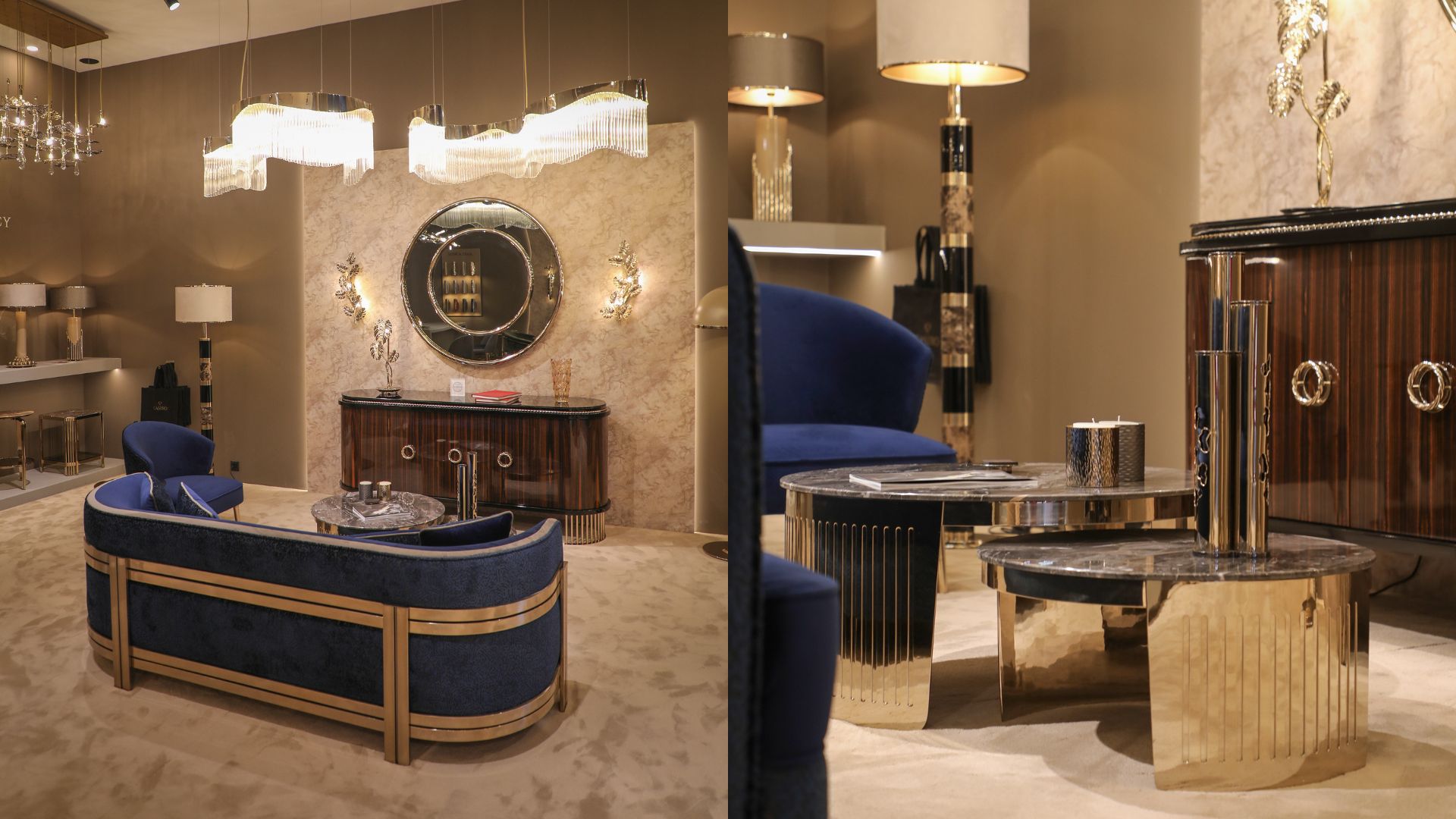
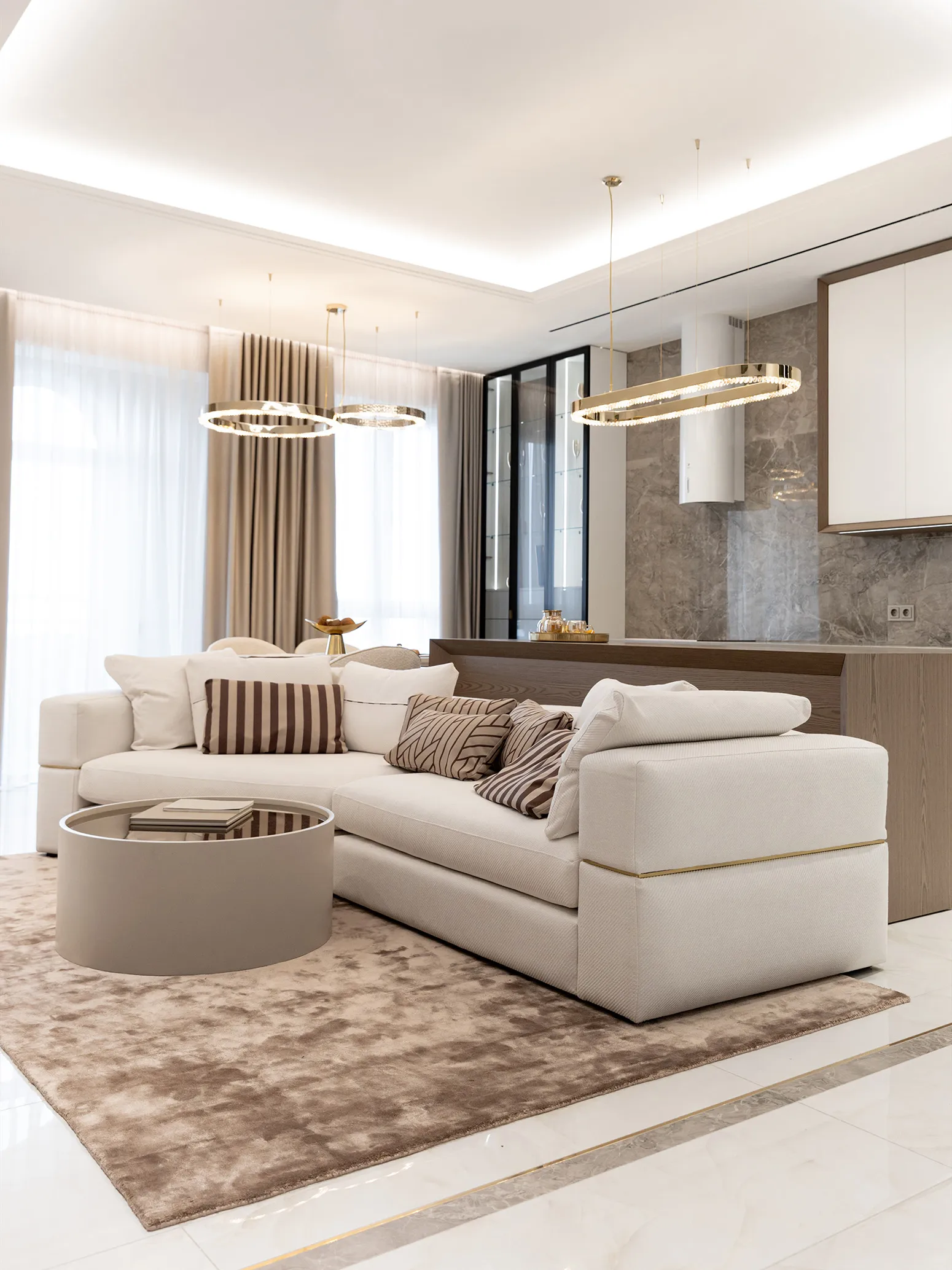
Marie Sofa by Castro Lighting
Soft Geometry and the Evolution Beyond Minimalism
Minimalism has not disappeared, but it has fundamentally changed. At Salone 2026, strict geometry gave way to what designers are now calling “soft geometry”, a visual language that maintains clarity while introducing curvature, warmth, and tactility.
Rather than sharp edges and rigid forms, interiors now favor fluid transitions and softened silhouettes. Furniture appears more integrated into space, as if shaped by it rather than placed within it.
This evolution reflects a broader trend across contemporary interiors, particularly in high-end residential and hospitality projects where atmosphere is becoming more important than formal restraint. It also echoes the sculptural direction seen in modern luxury lighting design, where form and light are increasingly inseparable.
Circular Sustainability and Material Intelligence
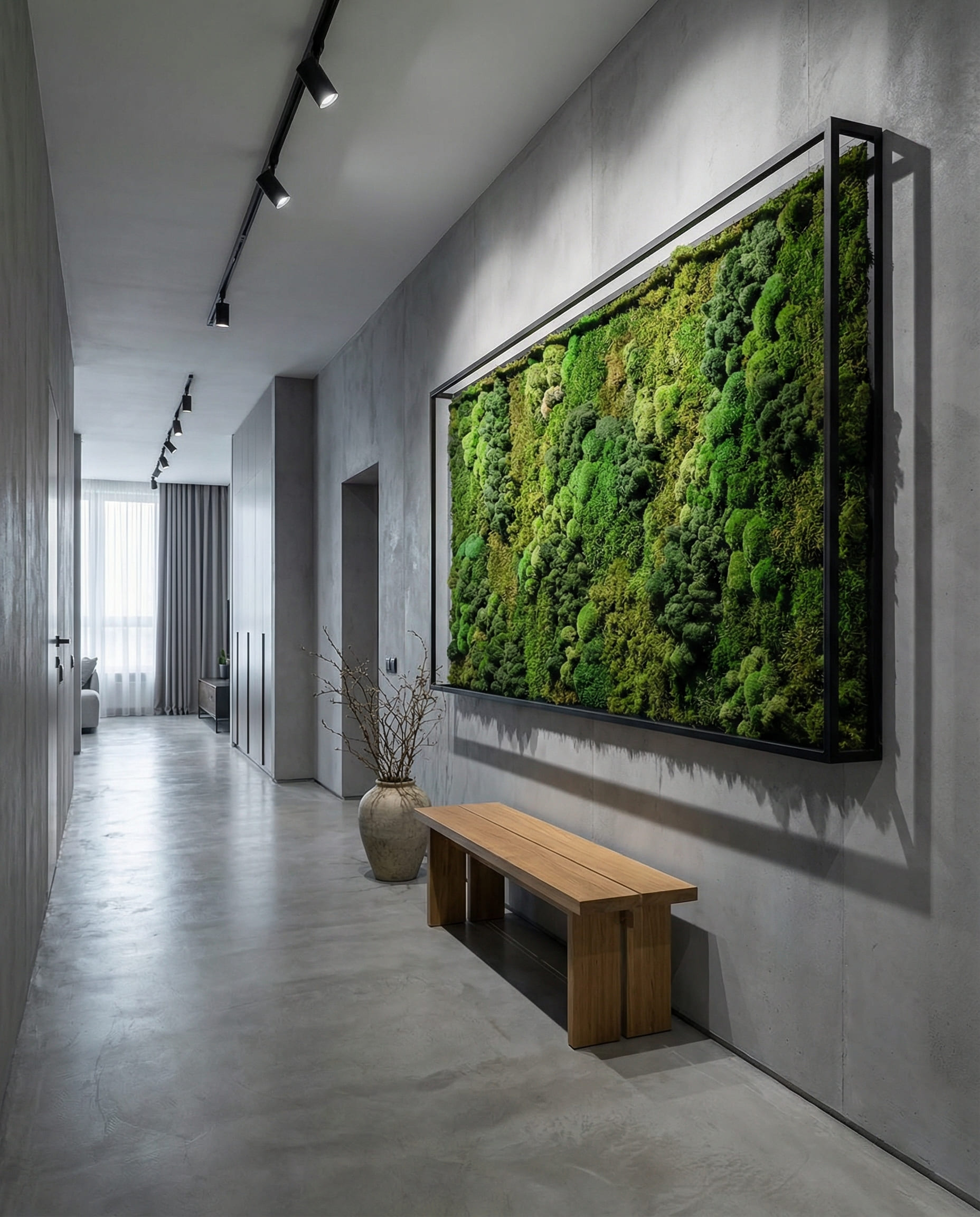
Sustainability at Salone 2026 moved beyond surface-level eco-consciousness into full systemic thinking. The focus is now on circular design, where every object is considered across its entire lifecycle, from production to reuse. Designers emphasized disassembly, repairability, and material traceability, often referred to as material passports. This shift positions sustainability not as a finish, but as a structural principle embedded in the design process itself.
Alongside this systemic approach, experimental biomaterials such as mycelium composites and algae-based surfaces appeared more frequently, often combined with traditional craftsmanship techniques. The result is a hybrid language that connects innovation with heritage. These material shifts are directly influencing the evolution of bespoke interiors, a topic explored further in our article on custom lighting and material innovation.
Photo by Hackrea
Spatial Sanctuaries and Wellness-Driven Designw
A strong theme across Salone 2026 was the emergence of interiors designed as spatial sanctuaries. Rather than focusing on visual impact alone, designers are now prioritizing how environments influence mental and physical well-being. Spaces are being softened through controlled lighting, layered textures, and acoustically aware materials. The goal is not spectacle, but balance, interiors that restore rather than overwhelm. Kitchens and bathrooms in particular are evolving into integrated living environments, where technology is hidden and surfaces remain calm, tactile, and uninterrupted. This seamless approach reinforces the broader shift toward lifestyle-driven design systems.
Photo by Kate Jordan
Multifunctional Living and Adaptive Interiors
Flexibility has become a defining requirement of contemporary living. At Salone 2026, modular systems and reconfigurable furniture solutions reflected a clear response to increasingly fluid lifestyles.
Spaces are now expected to shift function throughout the day—working, dining, resting, and entertaining within the same footprint. As a result, furniture is becoming more adaptive, with modular structures and scalable systems replacing fixed forms.
This nomadic logic is also reflected in lighting design, particularly in sculptural systems that can adapt in scale and intensity depending on use. It connects directly with the principles outlined in our exploration of architectural lighting systems.
Palettes and Material Depth
Color direction at Salone 2026 remained firmly grounded in nature. Earth-derived tones such as terracotta, clay, sienna, muted blues, and charcoal defined the visual atmosphere across installations. Rather than acting as surface decoration, these colors were embedded within material choices themselves. Stone, wood, textile, and composite surfaces were selected for their natural variation and tactile richness. This return to material honesty reflects a broader rejection of artificial perfection in favor of lived-in authenticity, an idea increasingly visible across both furniture and lighting design.
Collectible Design and the Rise of Functional Sculpture
One of the most notable shifts was the growing emphasis on collectible design. Furniture and lighting are increasingly treated as sculptural, one-of-a-kind objects rather than mass-produced products. These pieces act as focal points within interiors, often defining the identity of a space on their own. They blur the line between art and function, reinforcing the idea that interiors are becoming curated environments rather than purely functional layouts. This approach strongly connects with the evolution of statement lighting explored in our feature on sculptural chandelier design.
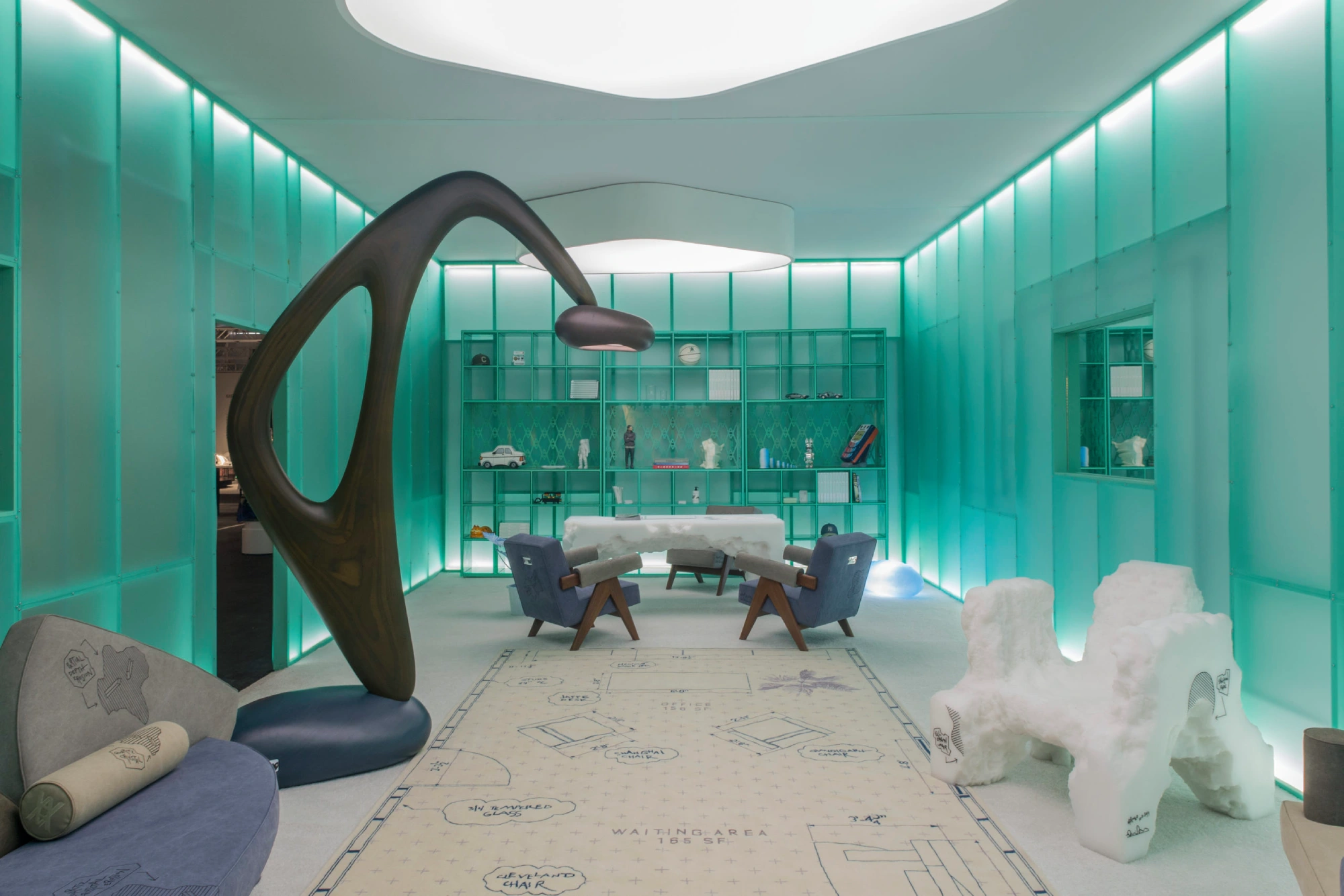
Photo by Nolita Harbour
From Objects to Living Systems
Salone del Mobile 2026 made one idea unmistakably clear: design is no longer centered on isolated objects. It is evolving toward integrated systems that prioritize emotion, adaptability, and long-term sustainability. Whether through soft geometry, circular material logic, or wellness-driven interiors, the future of design is becoming increasingly human-centered. Spaces are no longer static compositions but living environments that respond, adapt, and evolve.
In this context, every design decision, from furniture to lighting, contributes to a larger narrative of atmosphere. And as explored in our broader analysis of 2026 interior and lighting trends, the most important outcome is no longer how a space looks, but how it is experienced over time.
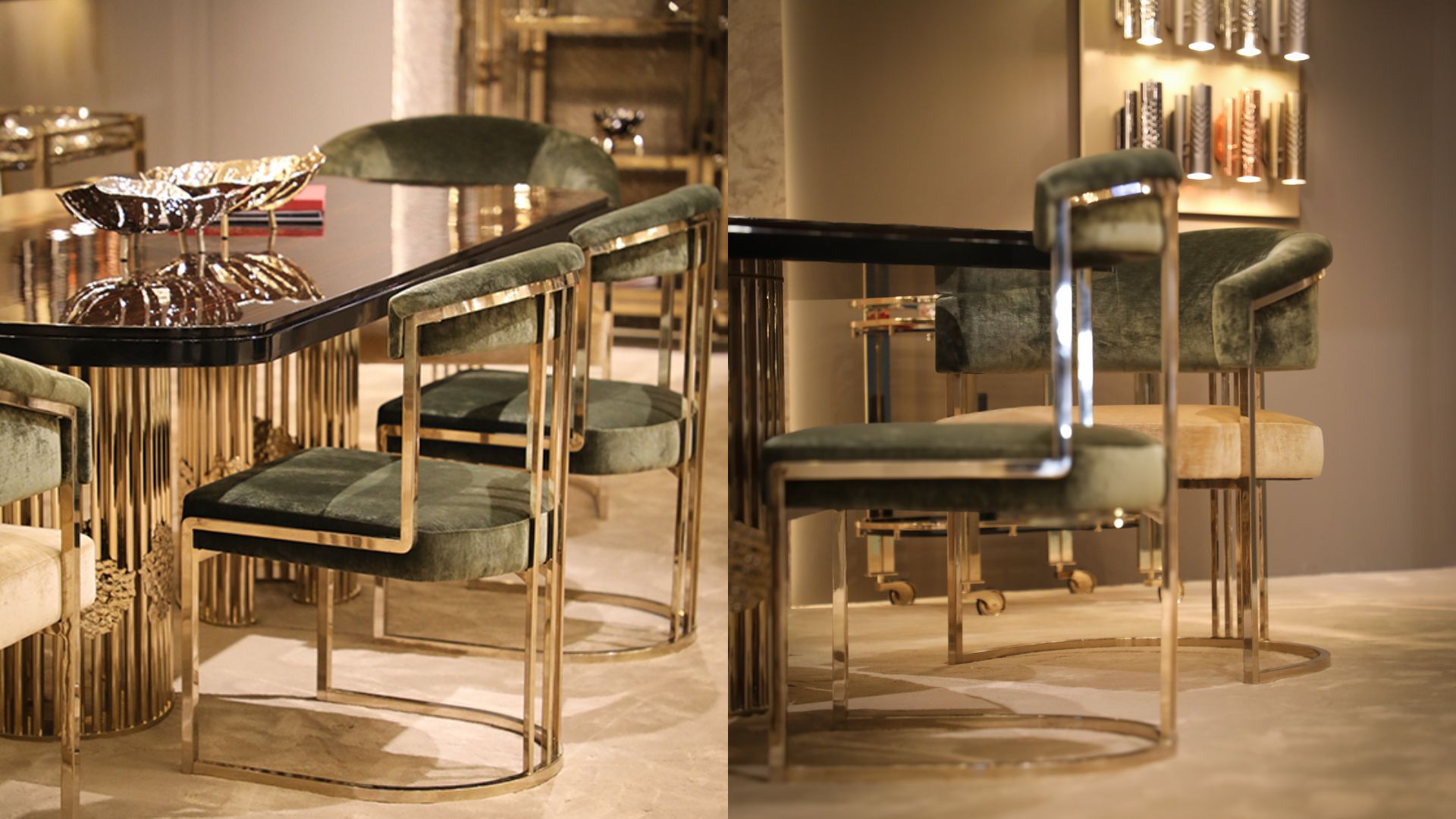 Magma Dining Table & Harp Slim Chair by Castro Lighting
Related Articles
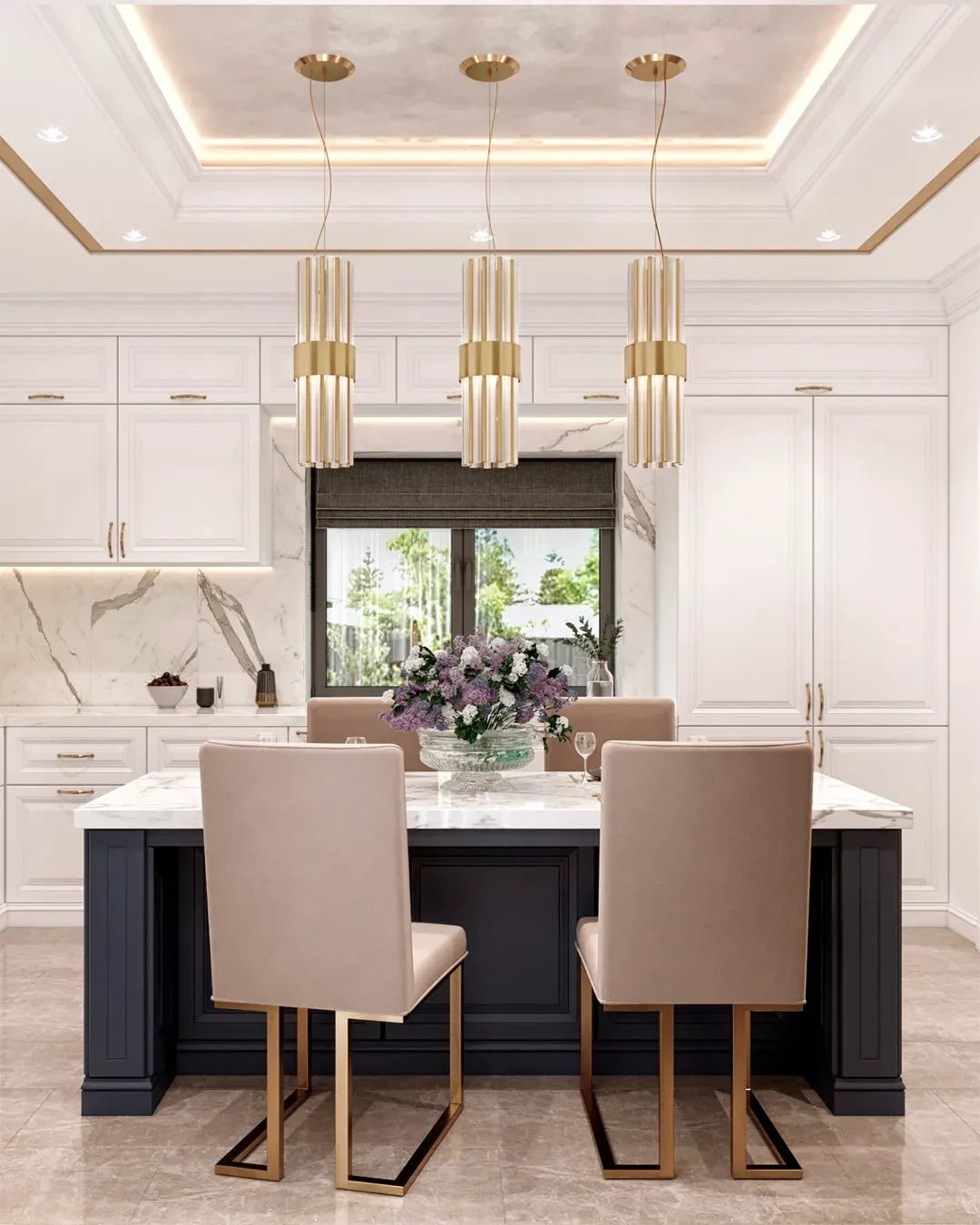
Valentine’s Day Interiors: Emotional Design Through Lighting
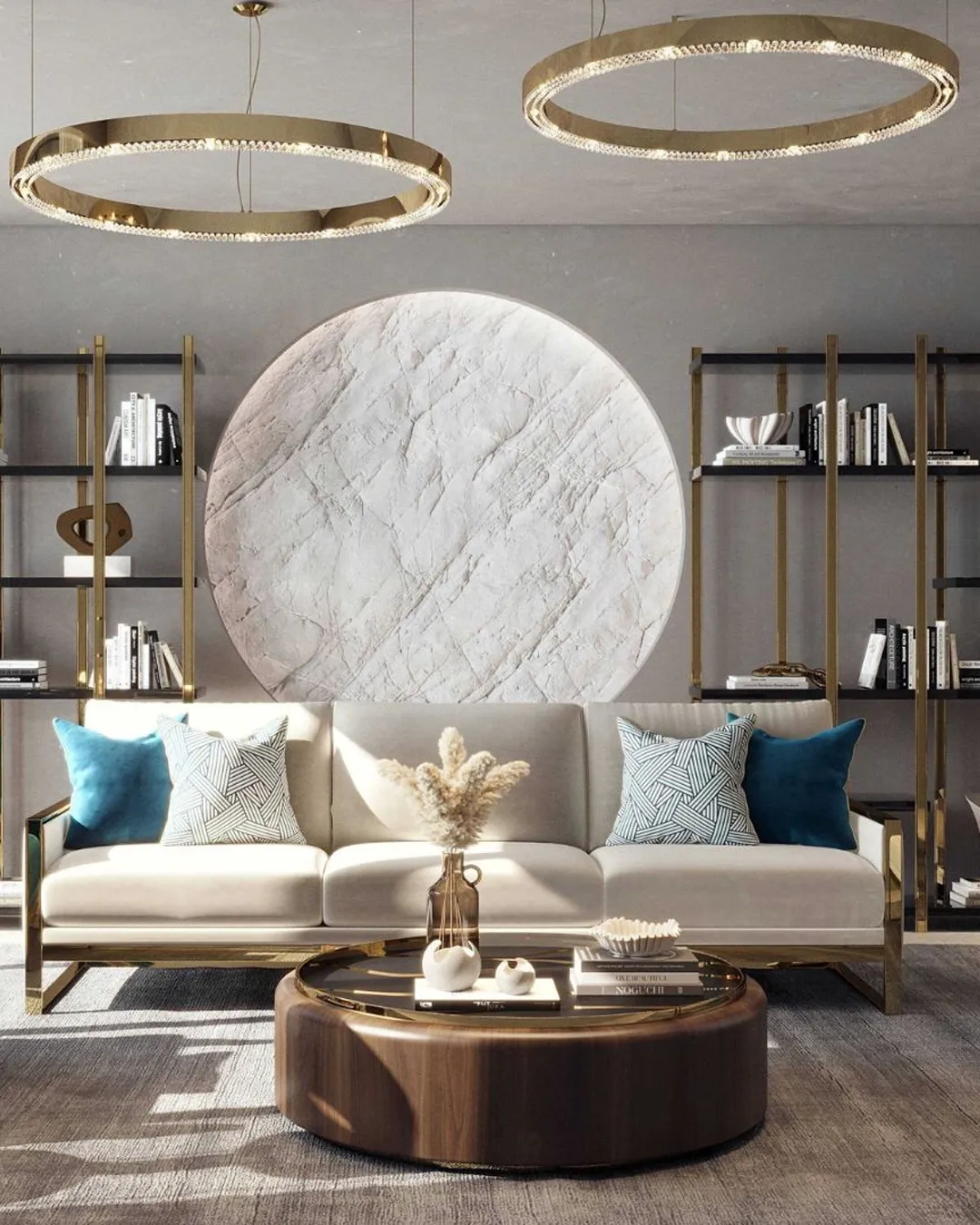
Understanding Layered Lighting in Luxury Interiors
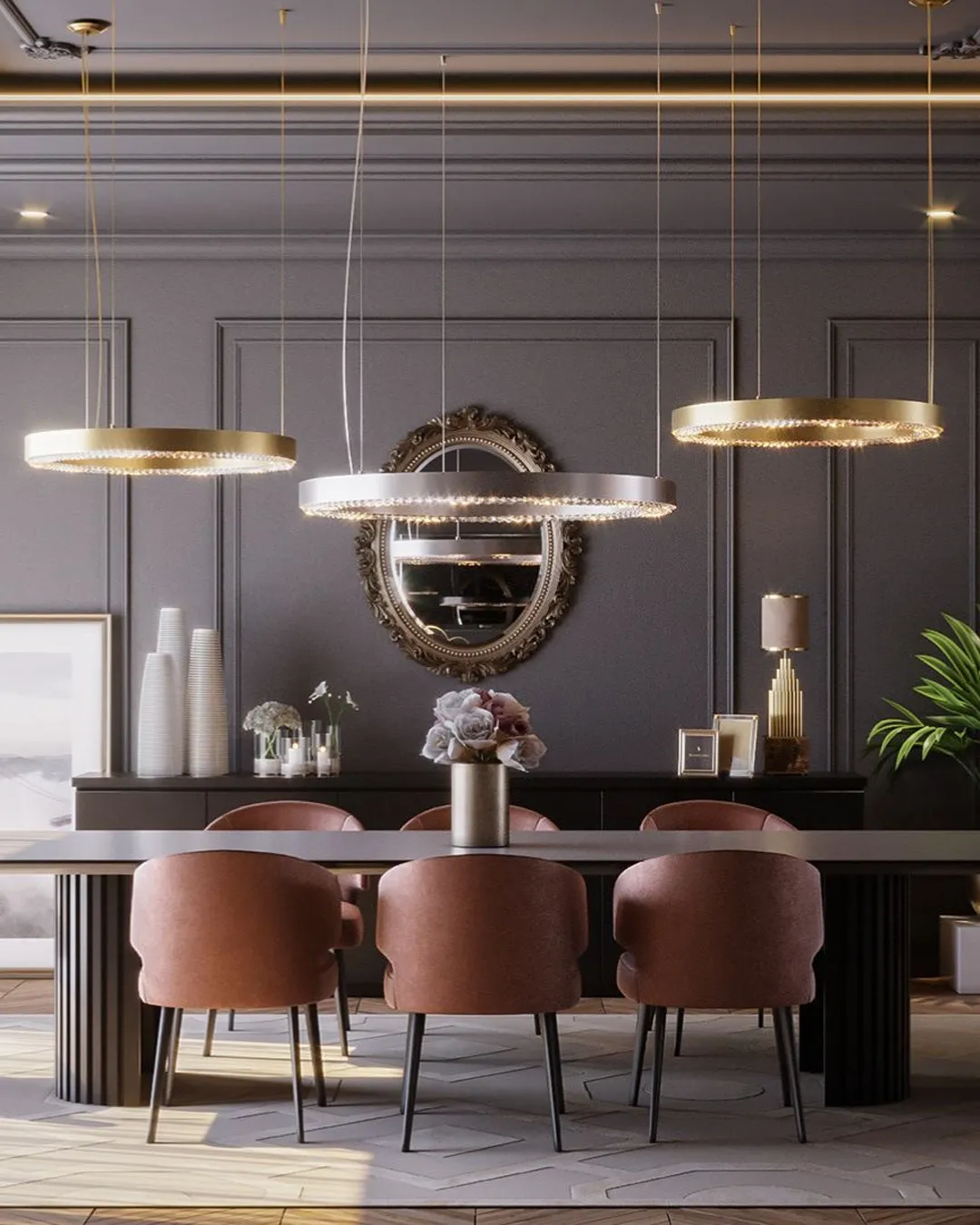
How to Choose Chandelier Size Based on Room Dimensions
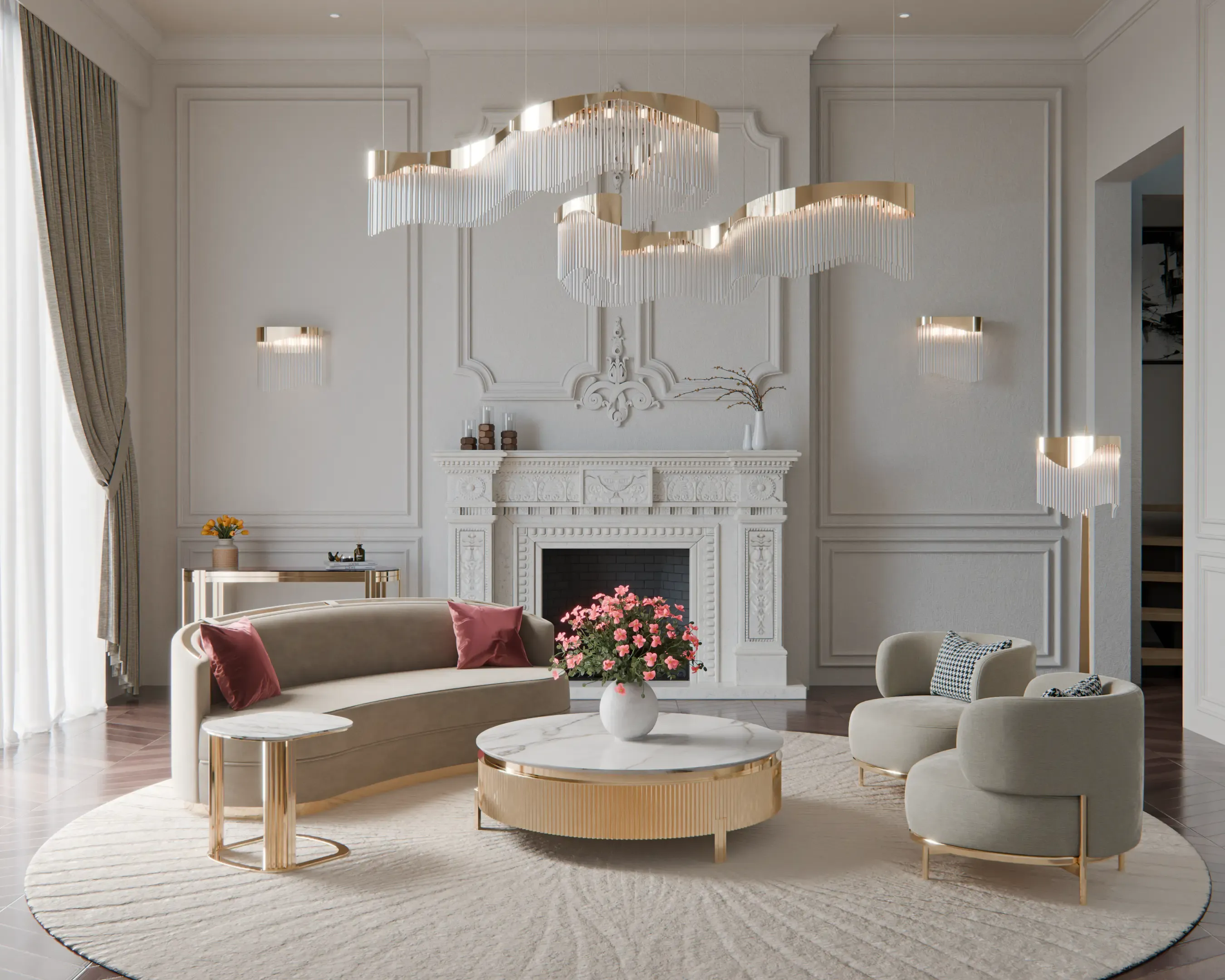
Luxury Apartment Lighting: Designing Contemporary Urban Interiors
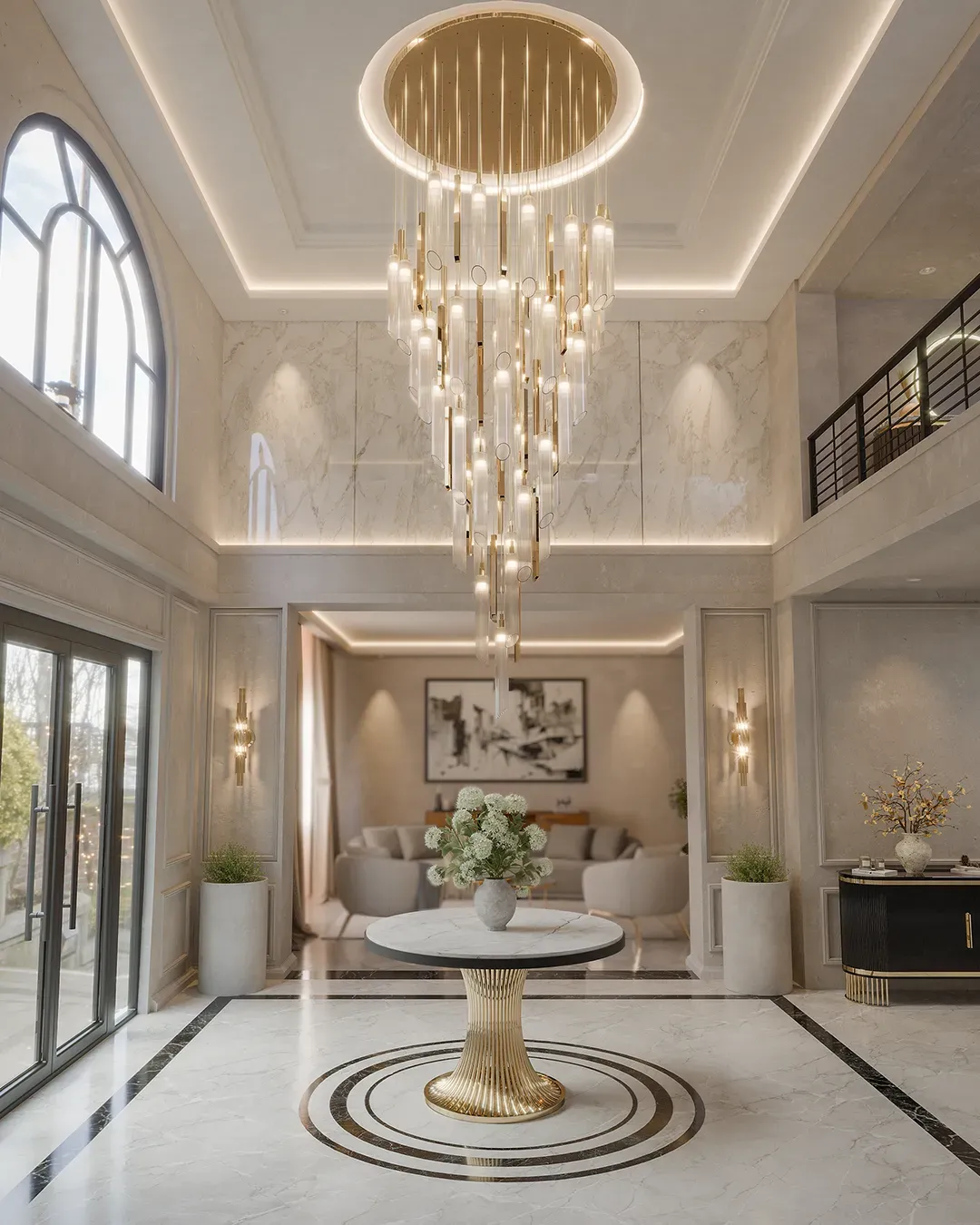
Designing Grand Entrances: The Role of Statement Lighting
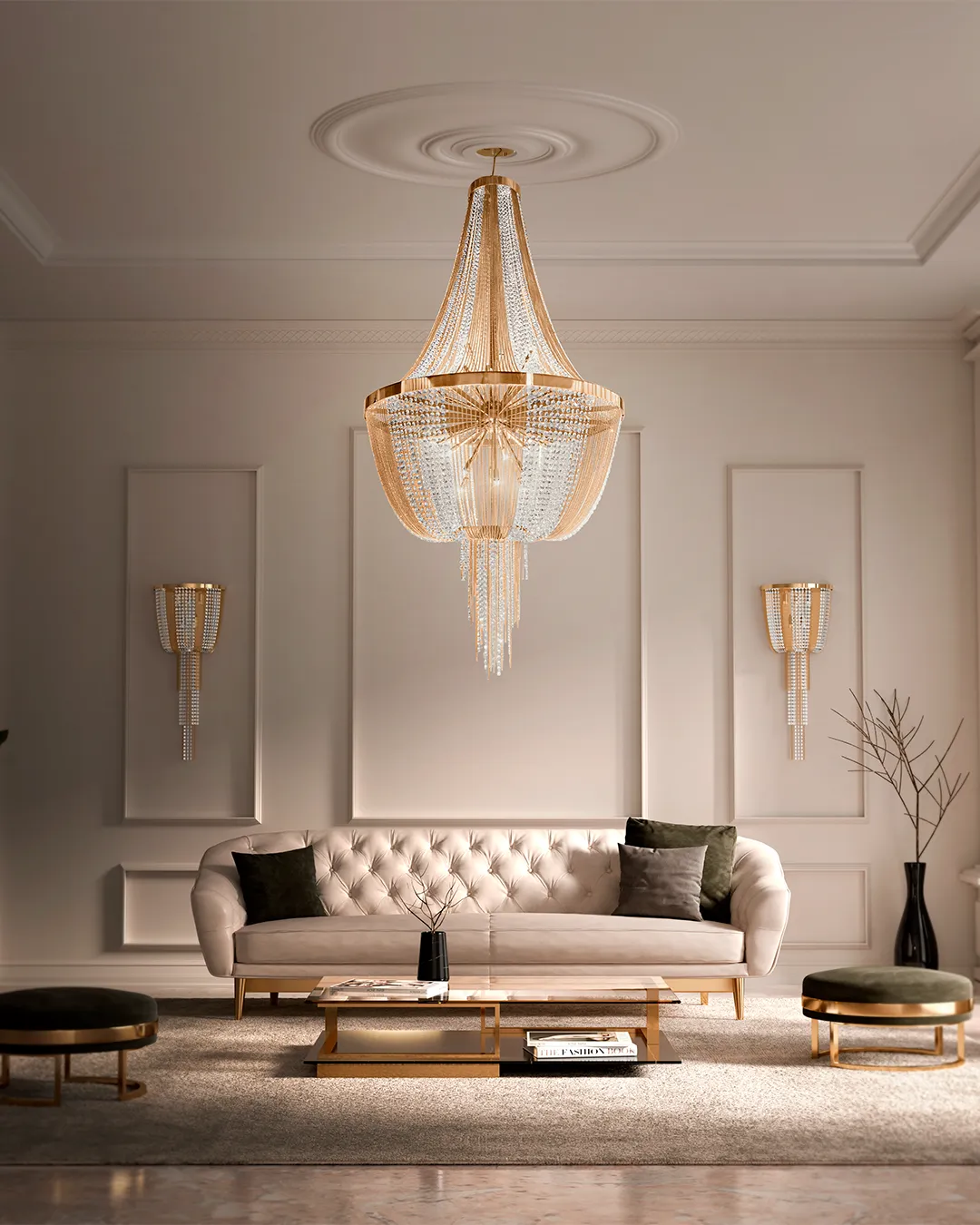
Custom Chandeliers for 5-Star Hospitality Projects

The Return of Brass and Gold in Luxury Lighting Design
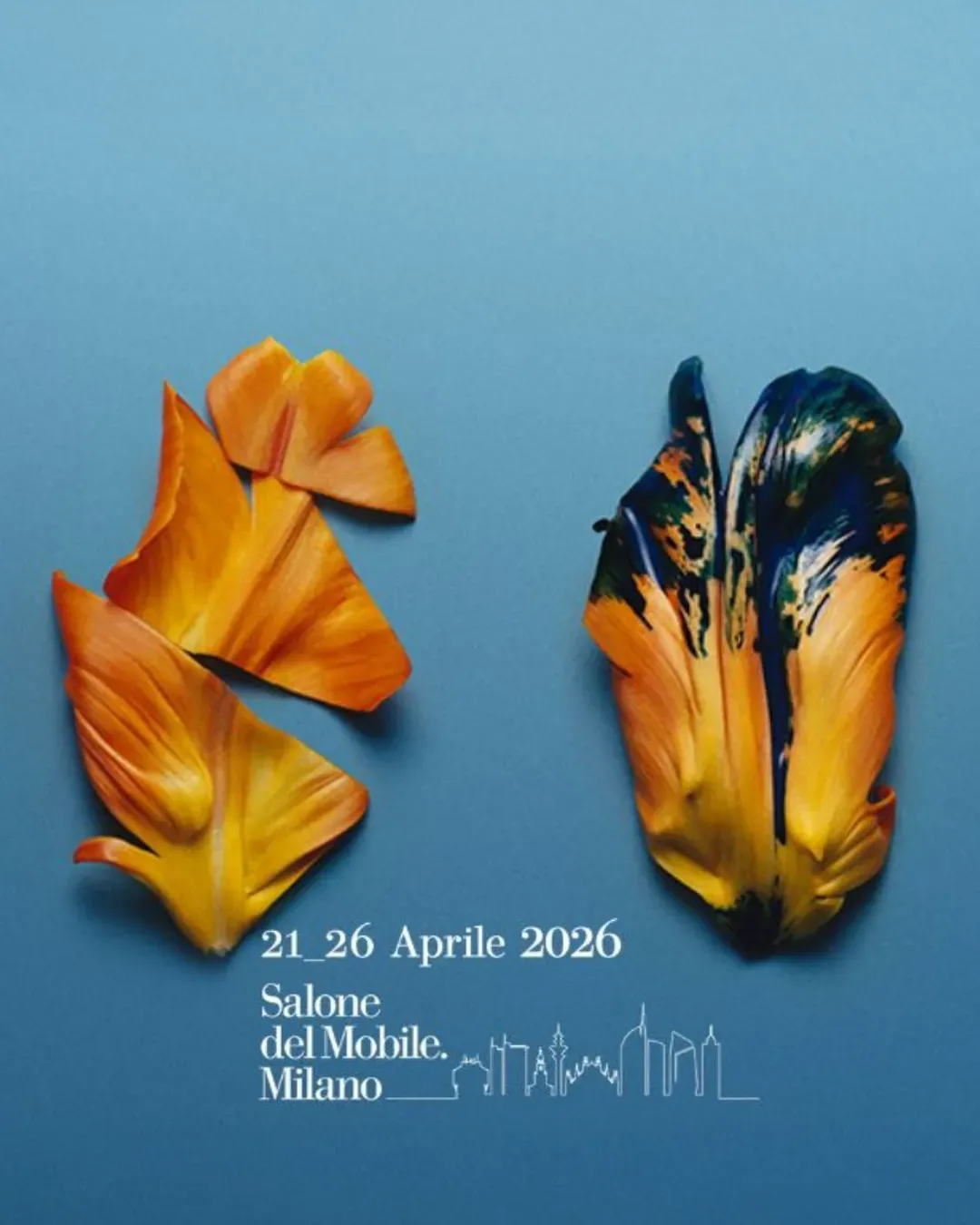
Milan Design Week 2026: Why It Continues to Shape Global Interior Design Trends
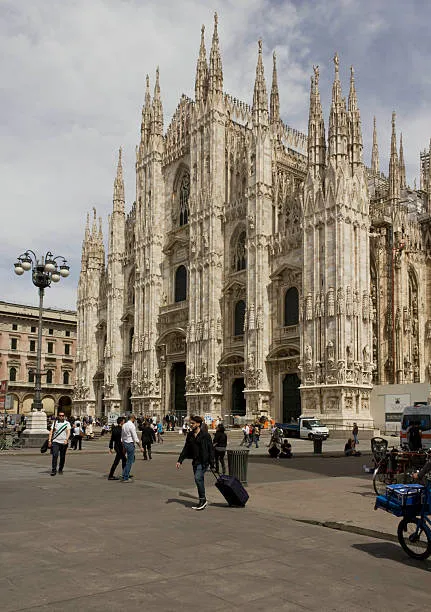
Where to Stay During Milan Design Week: The Best Boutique Hotels in Milan
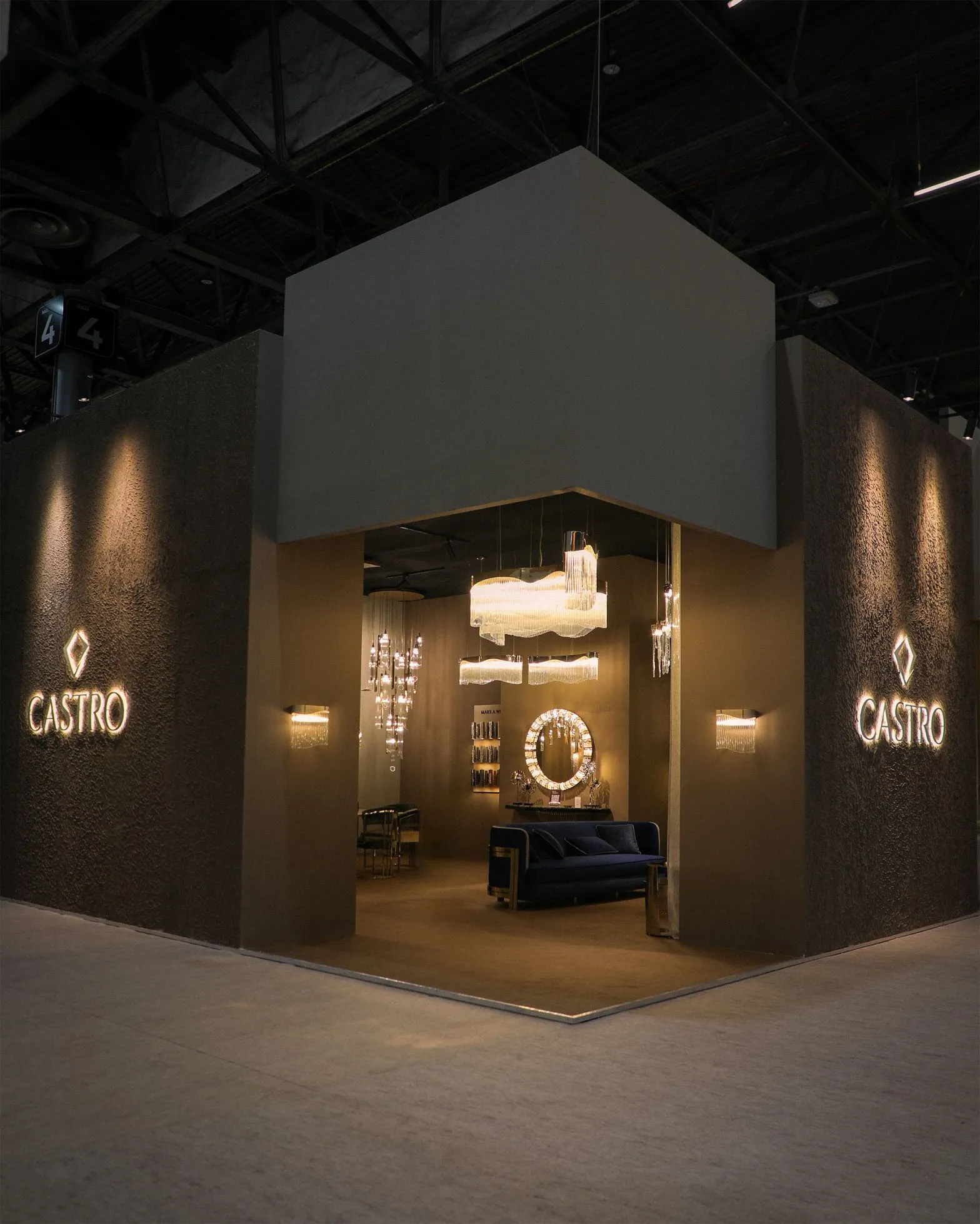
Salone del Mobile 2026: What to Expect in Milan

Castro at Salone del Mobile 2026: The Art of Brass