BLOG
OPEN SPACE DESIGN IDEAS
Open Space Design Ideas: Elevating Modern Living with Timeless Elegance
Open-space interiors have become a defining expression of contemporary luxury living. Characterised by fluidity, natural light, and spatial continuity, this design approach transforms modern homes, refined villas, and private residences into sophisticated, multifunctional environments.
By seamlessly connecting the kitchen, dining, and living areas, open-plan layouts introduce a sense of openness while maintaining comfort and intimacy. When thoughtfully designed, these spaces achieve a delicate balance between architectural clarity and emotional warmth.

Design Around Your Lifestyle
Every refined interior begins with intention. Before shaping your open-plan space, it is essential to consider how it will be experienced on a daily basis. Whether envisioned as a setting for elegant entertaining or a calm retreat for quieter moments, the space should reflect your lifestyle with precision.
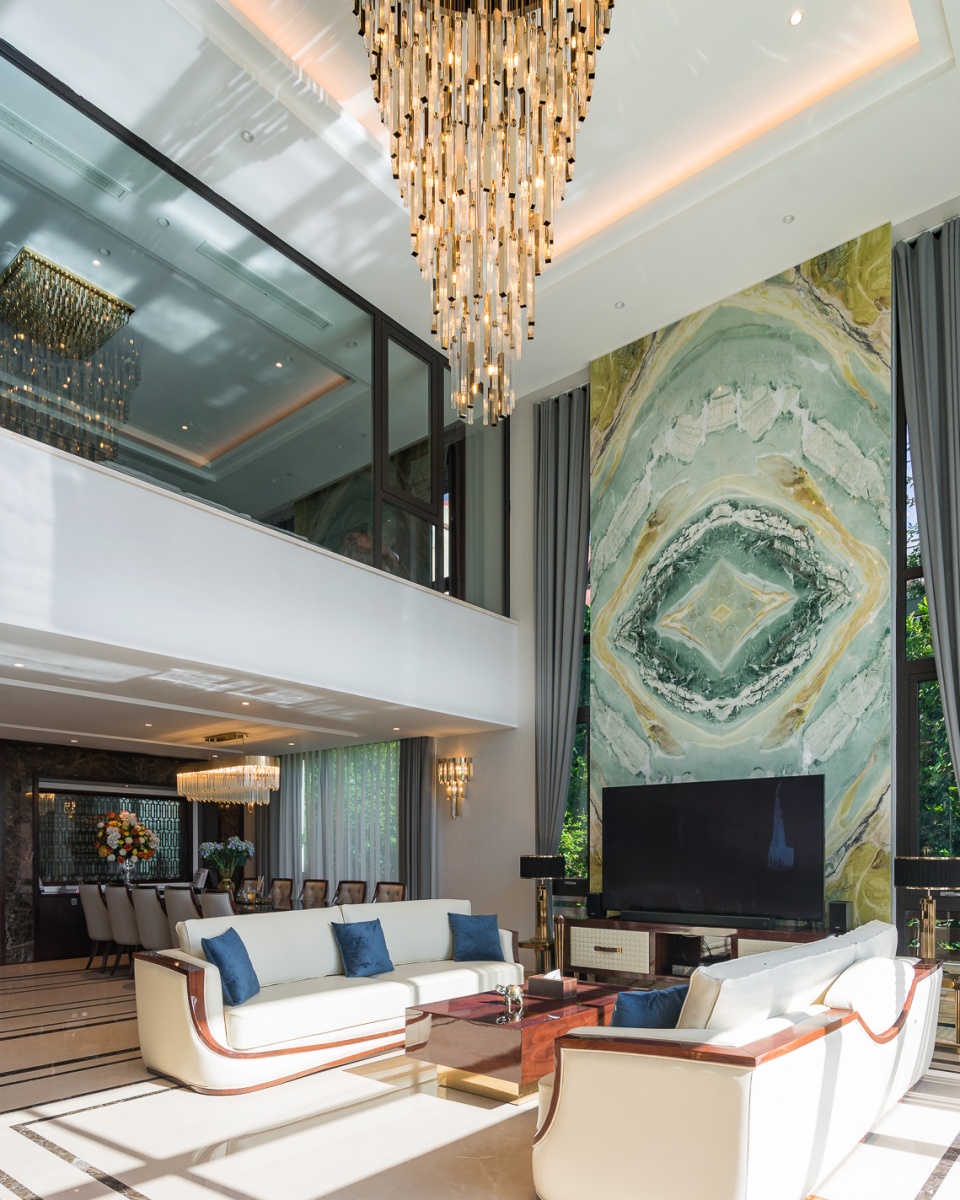
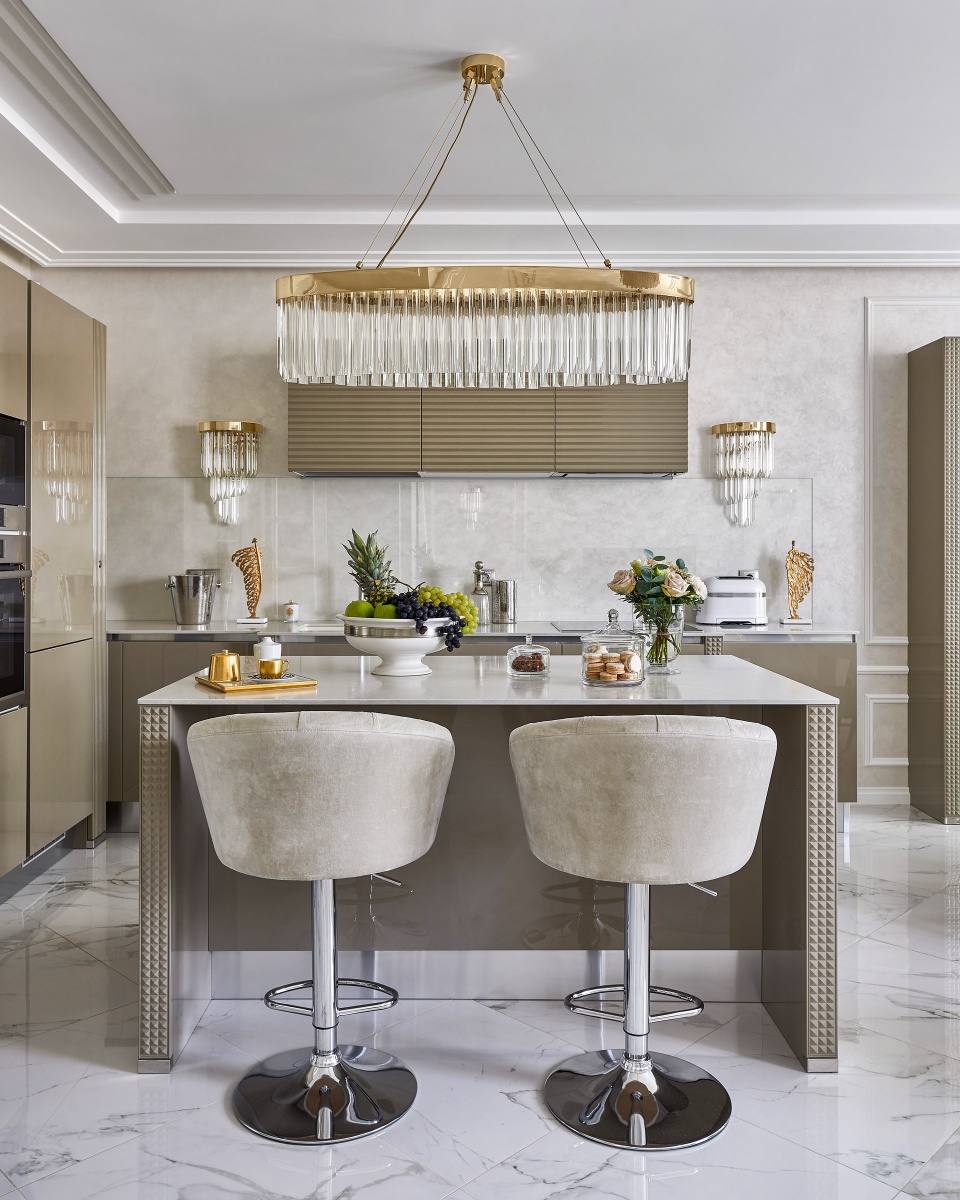
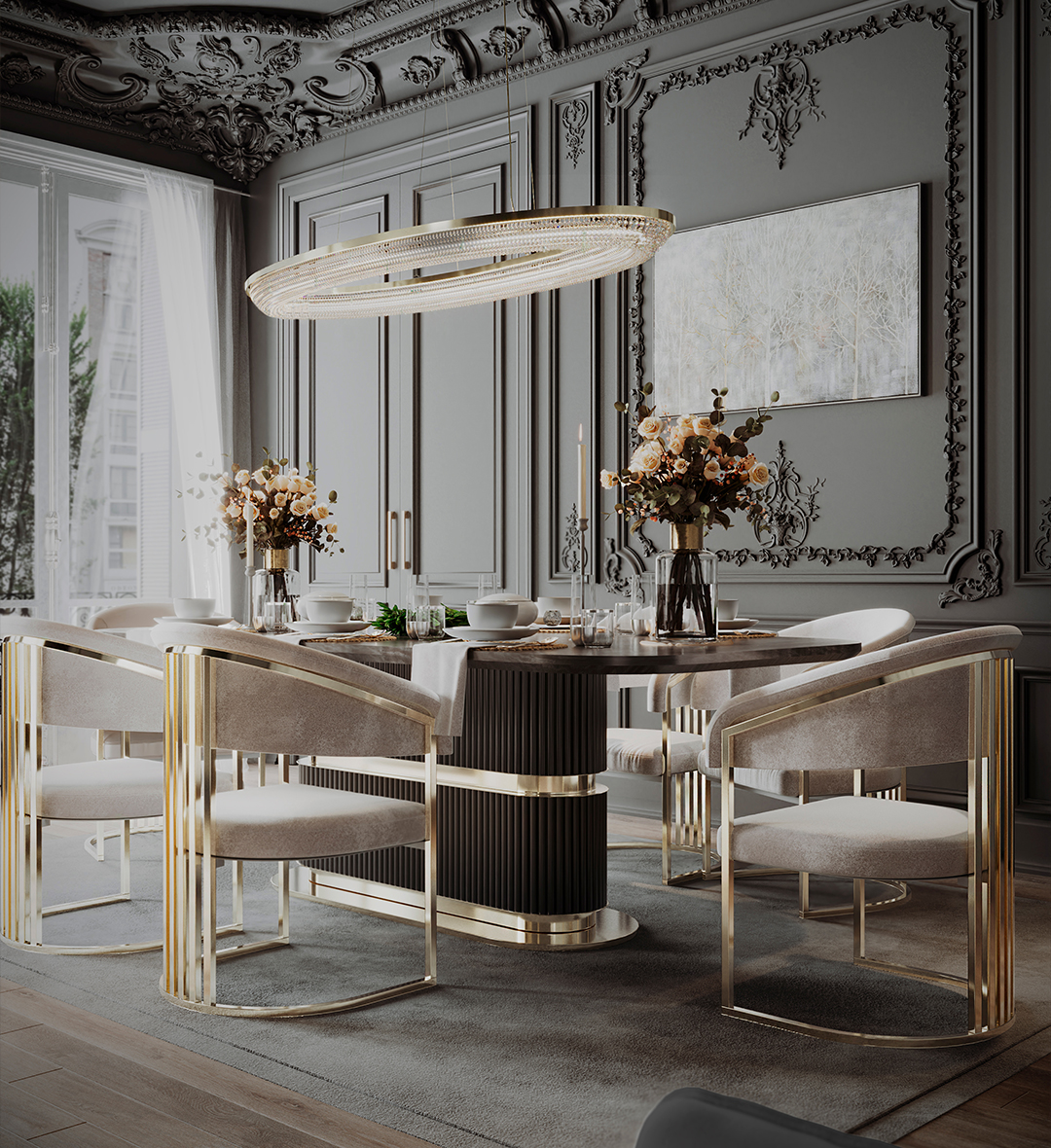
A statement chandelier can introduce a striking focal point and elevate the atmosphere, yet true luxury lies in ensuring that every element serves both beauty and function in equal measure.
Curate Distinct Yet Connected Spaces
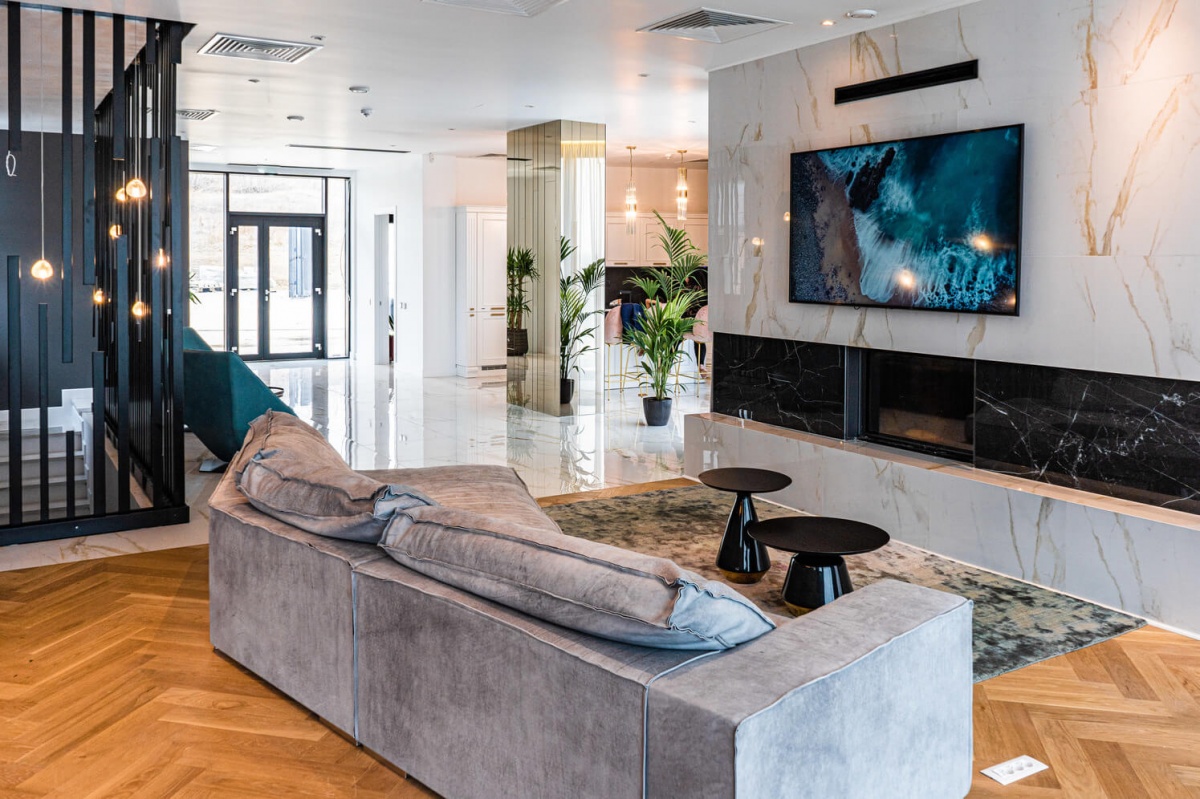
An open space should feel effortless, yet carefully orchestrated. Rather than perceiving it as a single expanse, approach it as a composition of interconnected environments.
Visual continuity can be maintained while subtly defining each area through layout, proportions, or material transitions. This layered approach allows each zone to retain its identity while contributing to a harmonious whole.
Illuminate with Intention
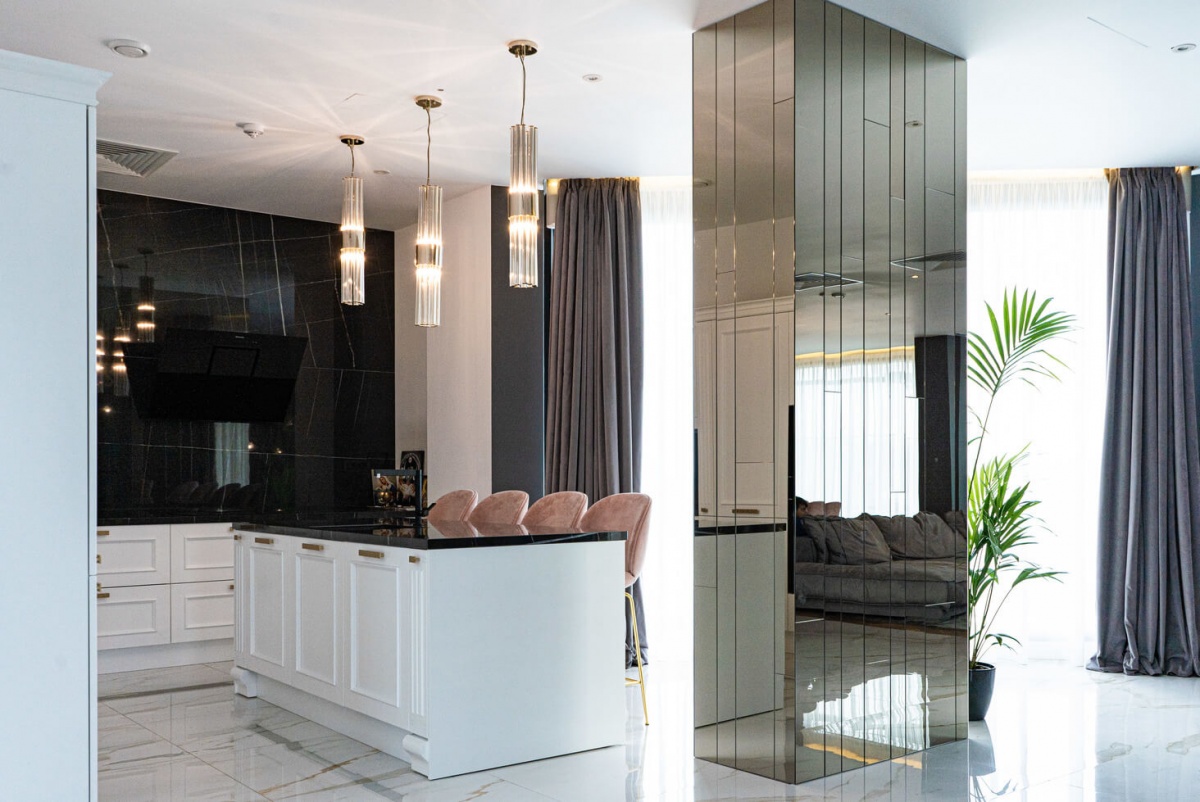
Lighting plays a pivotal role in shaping the perception of space. More than a functional necessity, it becomes a defining design element that enhances materials, highlights architectural features, and sets the overall mood.
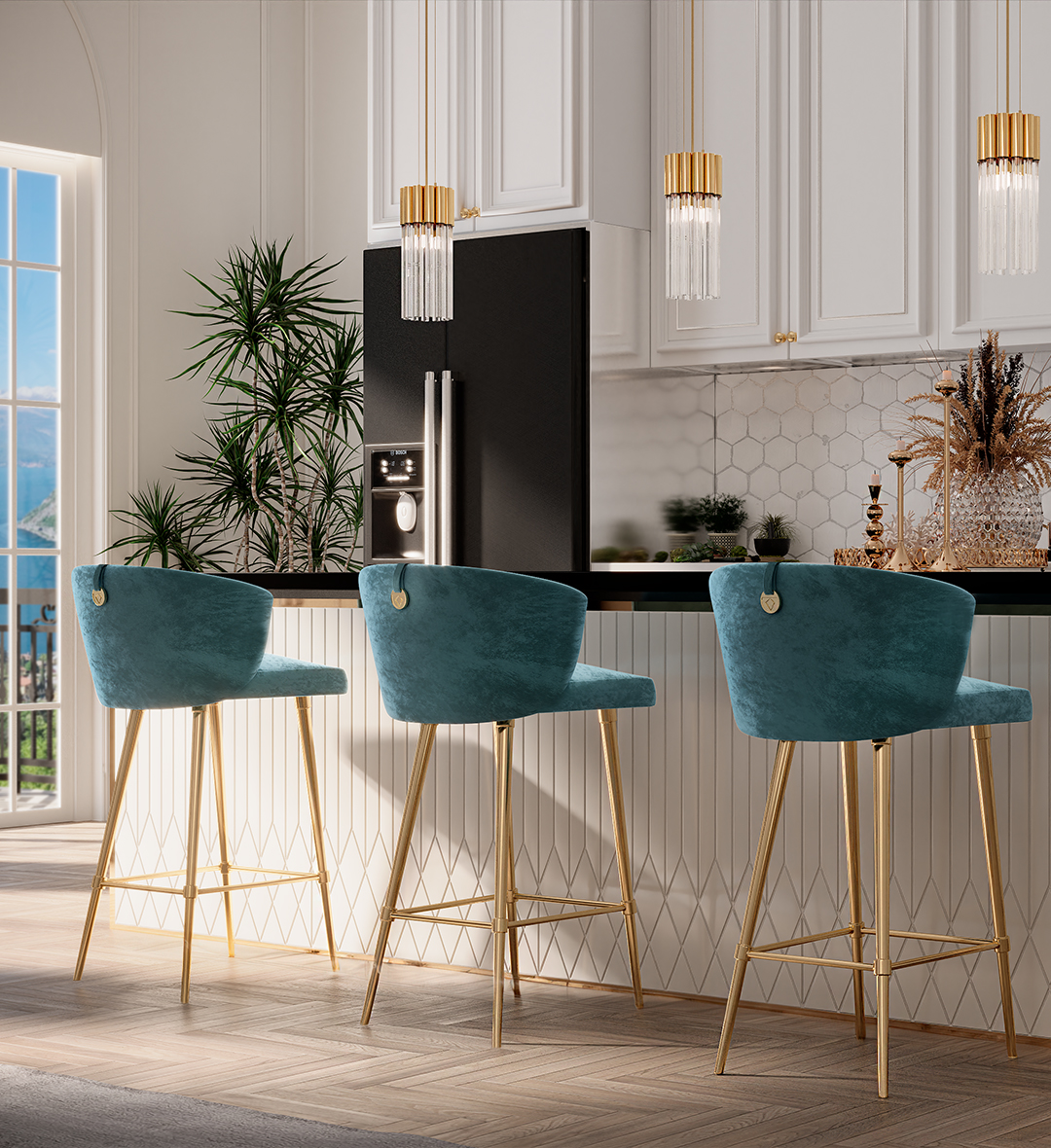
A considered lighting scheme might introduce sculptural pendants above a kitchen island, a refined chandelier to anchor the dining area, and softer, adjustable lighting within the living space. The interplay between these layers creates depth and a sense of quiet sophistication.
Define Through Furniture
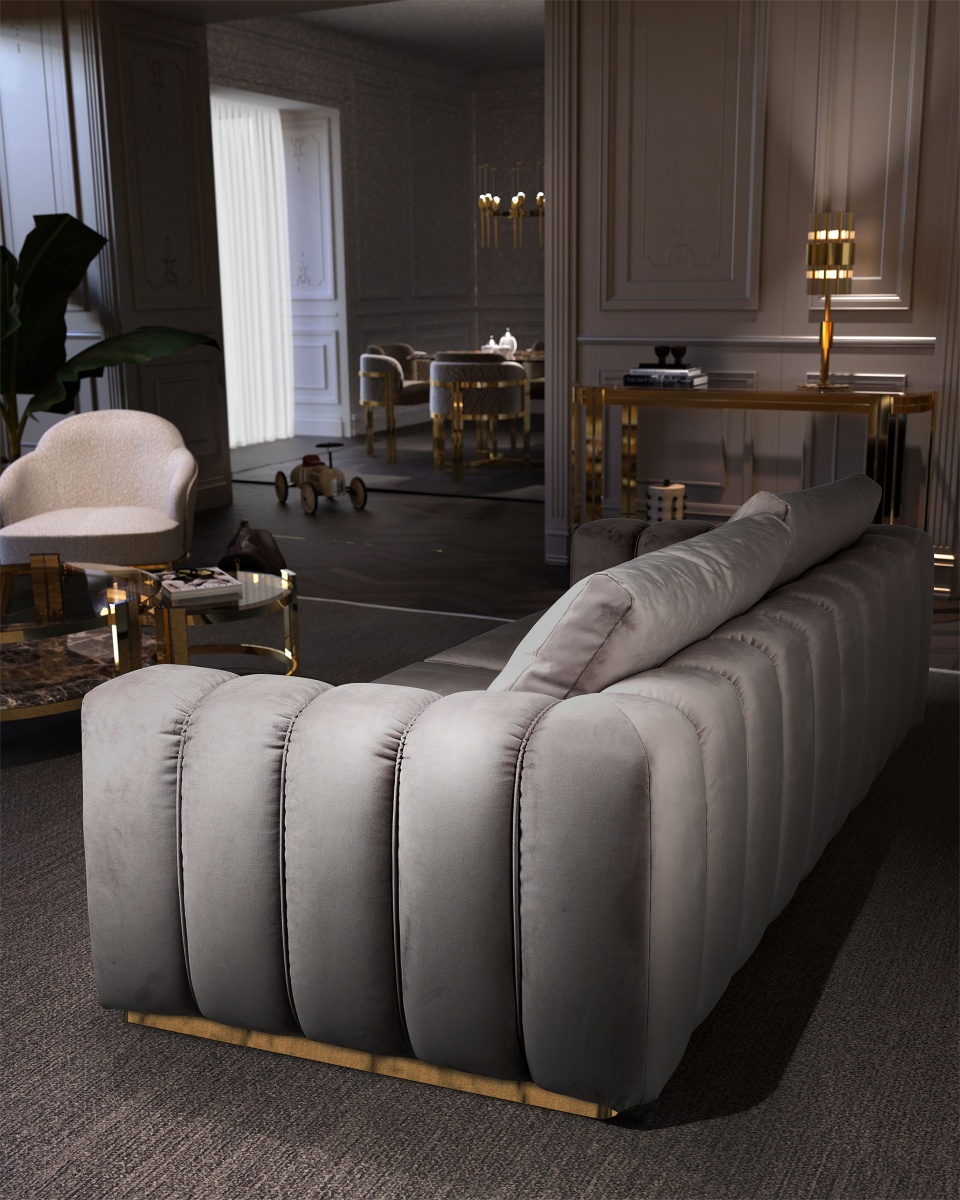
In the absence of walls, furniture assumes an architectural role. A generously proportioned sofa or an elegant L-shaped piece can subtly delineate the living area while preserving the openness of the layout.
Carefully selected materials, such as refined leather or rich textiles, add both tactile comfort and visual depth. These elements not only organise the space but also contribute to a cohesive and inviting atmosphere.
Explore the Broken-Plan Concept
For those who seek a more nuanced spatial experience, the broken-plan approach offers an elegant alternative. This concept introduces gentle divisions while maintaining visual continuity and light flow.
Through the use of architectural screens, glass partitions, or sculptural elements, it becomes possible to create moments of privacy without compromising the openness that defines contemporary living.
Create Cohesion Through Detail
The essence of luxury is often found in the smallest details. A consistent palette across trims, ceilings, doors, and mouldings establishes a sense of unity, even when different materials or colours are introduced across the space.
Subtle accents, such as metallic finishes or warm-toned details, can act as a visual thread that connects each area, reinforcing a cohesive and refined aesthetic.

A New Standard of Living
Open-space design is more than a visual choice; it is a reflection of modern living. When carefully composed, it creates interiors that feel expansive yet intimate, structured yet effortless.
The result is a space that evolves with its inhabitants—refined, functional, and undeniably elegant.
What defines your ideal open space? Share your vision with us.
Related Articles

Modern Lighting Collections to Adorn Your Home
Elevate Your Spaces With Iconic Designs
Noir Décor Ideas
Inspire Yourself by the Dark Edge of Luxury
Coastal Charm in East Sussex
Discover a Harmonious Blend of Serenity and Style