BLOG & NEWS
Understanding Layered Lighting in Luxury Interiors
Lighting is one of the most defining elements of luxury interior design. It shapes how materials appear, how architecture is perceived, and how a space feels from the moment you enter, reinforcing the importance of emotional design through lighting. In high-end interiors, lighting is never treated as an afterthought or a purely functional detail. Instead, it becomes part of the atmosphere, the identity, and the emotional experience of the home.
One of the most important concepts behind this approach is layered lighting. While a single ceiling fixture may provide illumination, it rarely creates the depth, comfort, and refinement that luxury interiors require. Layered lighting allows spaces to feel intentional, balanced, and adaptable, offering a more sophisticated way of living with light.
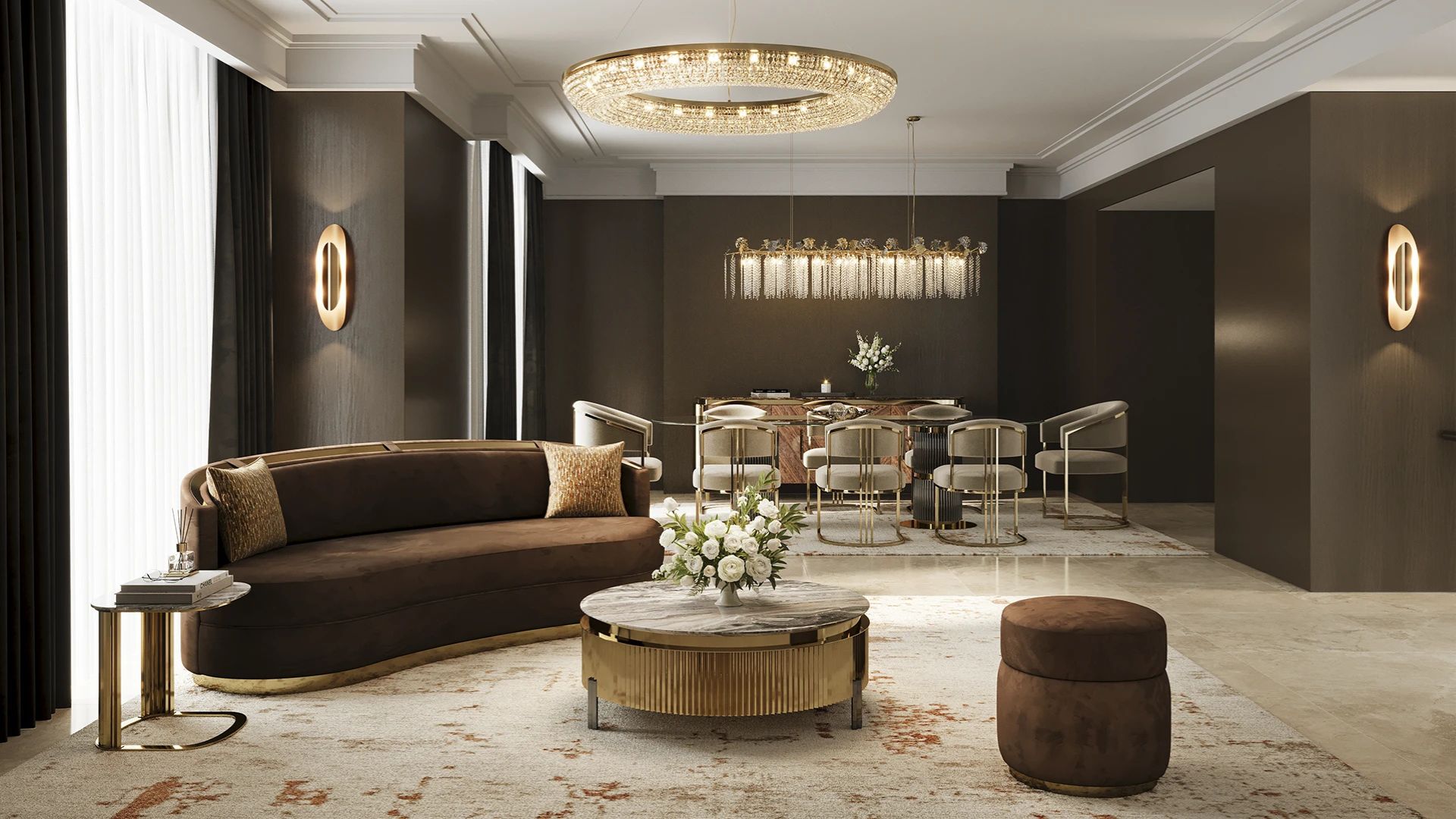
Teardrop Suspension and Tuscania Snooker Suspension | Castro Lighting
What Is Layered Lighting in Interior Design?
Layered lighting is a design method that combines multiple light sources at different levels throughout a space. Rather than relying on one central fixture, the room is illuminated through a composition of light that creates dimension, softness, and control.
In luxury interiors, layered lighting is essential because it supports both beauty and function. It allows lighting to highlight architectural features, enhance textures, and respond to the changing needs of daily life. A space designed with layered lighting can shift seamlessly from calm evenings to lively entertaining, from quiet reading to relaxed conversation, all without compromising elegance.
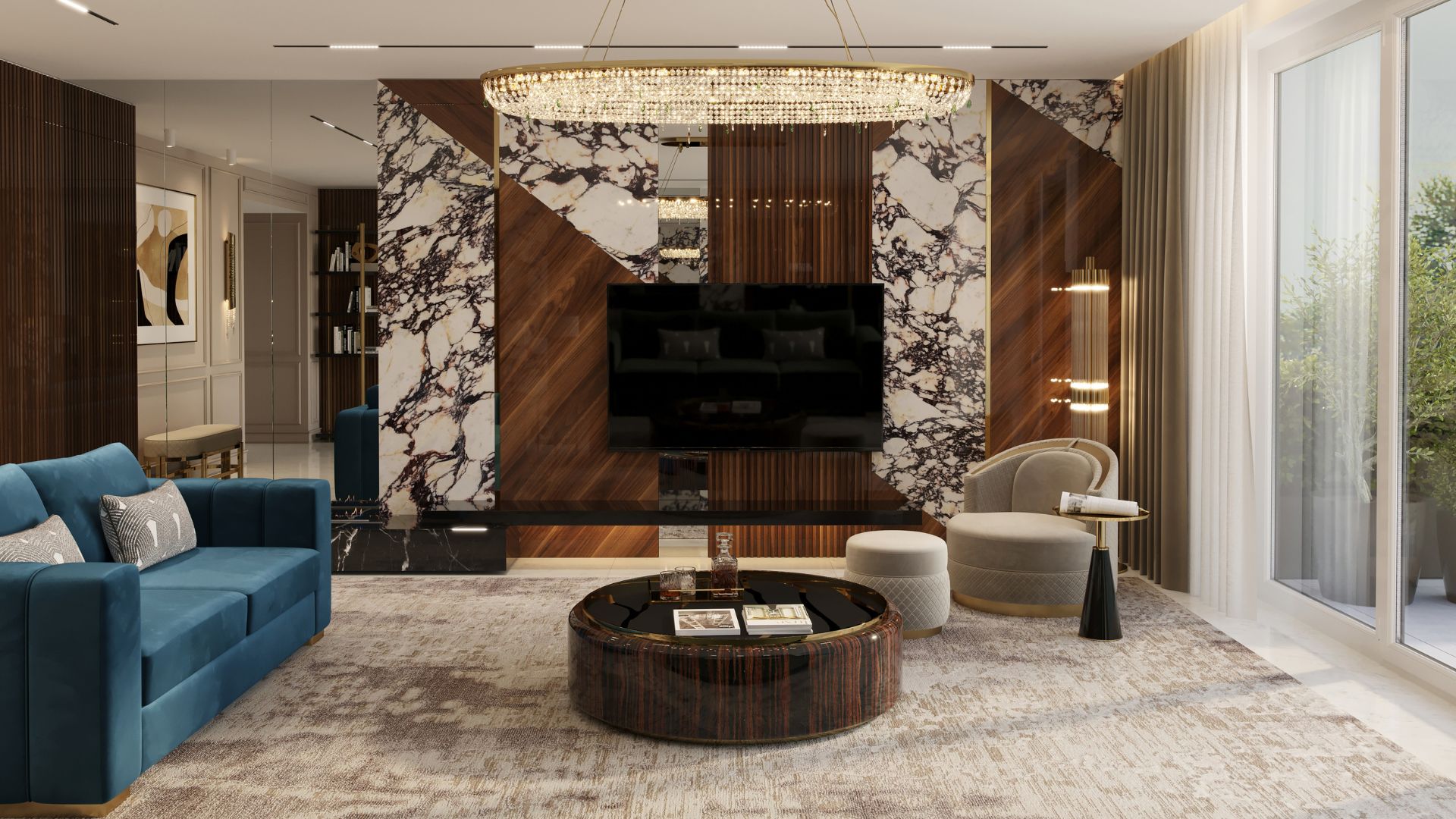
Teardrop Snooker Suspension, Arcade Floor Lamp and Avolto Wall Light | Castro Lighting
Why Layered Lighting Is Essential in Luxury Interiors
Luxury interiors are defined by detail. The quality of materials, the craftsmanship of furnishings, and the intentionality of design choices all contribute to an environment that feels elevated. Lighting must support that level of refinement.
Layered lighting creates depth and visual comfort, preventing interiors from feeling flat or harsh. It allows designers to control brightness, shadow, and focus, ensuring that the room feels balanced rather than overlit. In a well-designed luxury interior, light is never aggressive. It is warm, considered, and atmospheric.
Layered lighting also adds flexibility. Modern luxury living is multifunctional, and spaces often serve several purposes throughout the day. Living rooms become places for entertaining, working, relaxing, and gathering. When designing living room lighting in 2026, layered lighting ensures the atmosphere remains refined while adapting to evolving lifestyles.
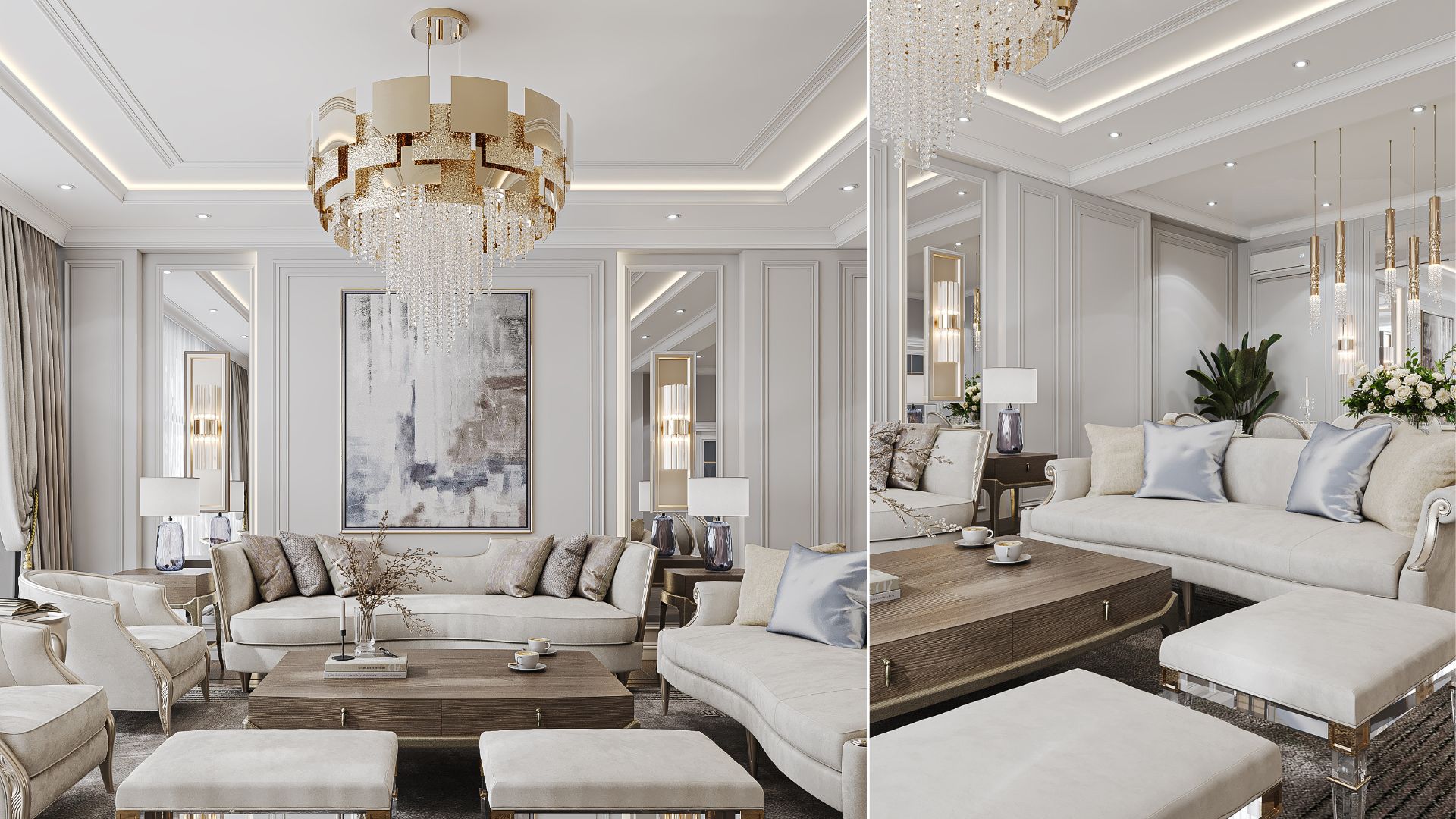
Mondrian Suspension, Halma Wall Light and Safi Suspension | Image Credit: Architectural Bureau
The Three Layers of Light: Ambient, Accent, and Decorative
Layered lighting is often built through three essential types of illumination. Each one plays a different role, and together they create a complete lighting composition.
Ambient lighting is the foundation. It provides overall illumination and defines the general brightness of the room. In luxury interiors, ambient light should feel soft and evenly distributed, avoiding sharp contrasts or overly bright ceiling sources.
Accent lighting adds depth and focus. It highlights specific features such as artwork, architectural details, textured walls, or curated objects. Accent light brings visual richness and helps guide the eye through the space.
Decorative lighting completes the composition. Chandeliers, pendants, and wall lights are not only sources of light but also design statements, particularly when incorporating grand chandeliers in modern interiors that act as sculptural focal points.
When these layers work together, the result is an interior that feels dynamic, refined, and emotionally engaging.
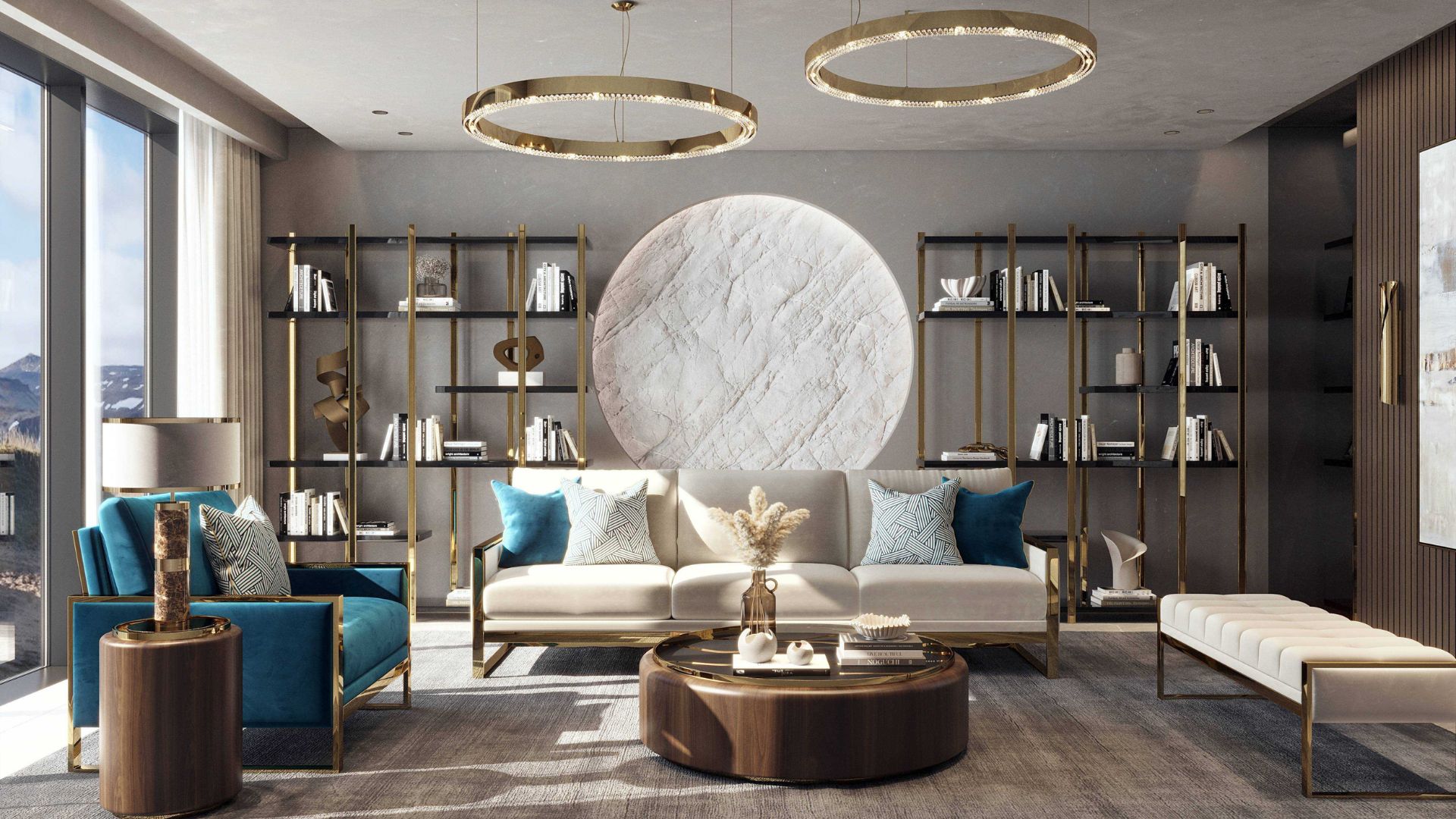
Metis Suspension and Sparta Table Lamp | Castro Lighting
How to Create a Layered Lighting Plan Room by Room
Layered lighting can be applied across every space in the home, but the approach should always reflect how the room is used.
In living rooms, layered lighting is essential for comfort. A statement chandelier or pendant can define the space, but it should be supported by wall lights and softer ambient sources that create warmth. The living room should feel inviting in the evening, and thoughtfully positioned wall lighting as a transformative design element helps eliminate harsh shadows while enhancing architectural rhythm.
In dining rooms, lighting becomes part of the experience. A sculptural pendant or chandelier above the table creates a sense of occasion, while layered lighting softens the surrounding space and creates intimacy.
In bedrooms, layered lighting is key to emotional comfort. Soft ambient lighting establishes calm, while wall lights create functional reading zones without disrupting the mood. In luxury bedrooms, lighting should never feel harsh or overly bright. The goal is to create a private environment that feels serene, warm, and restorative.
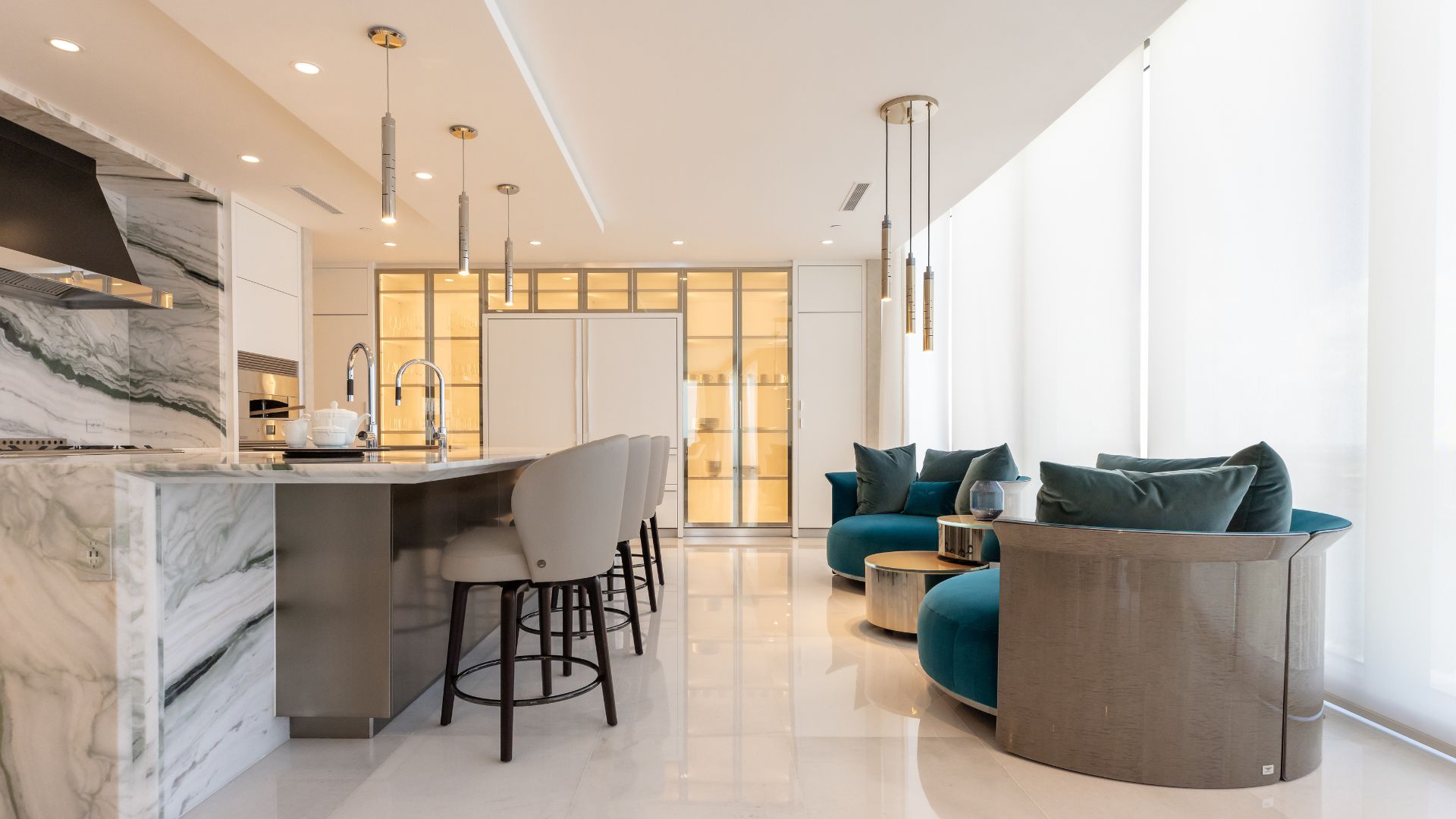
Gio Pendant | Project by Ricardo Britto
Why Warm Light and Brass Elevate Layered Lighting
Layered lighting becomes even more powerful when paired with warm tones and meaningful materials. Warm lighting enhances skin tones, enriches textures, and creates an atmosphere that feels comfortable and refined.
Brass plays a unique role in this experience. As a naturally warm material, brass reflects light with depth and softness, adding a golden glow that cannot be replicated by colder finishes. In layered lighting compositions, brass fixtures contribute to atmosphere even when they are not the brightest source in the room. Their presence enhances the emotional quality of the space.
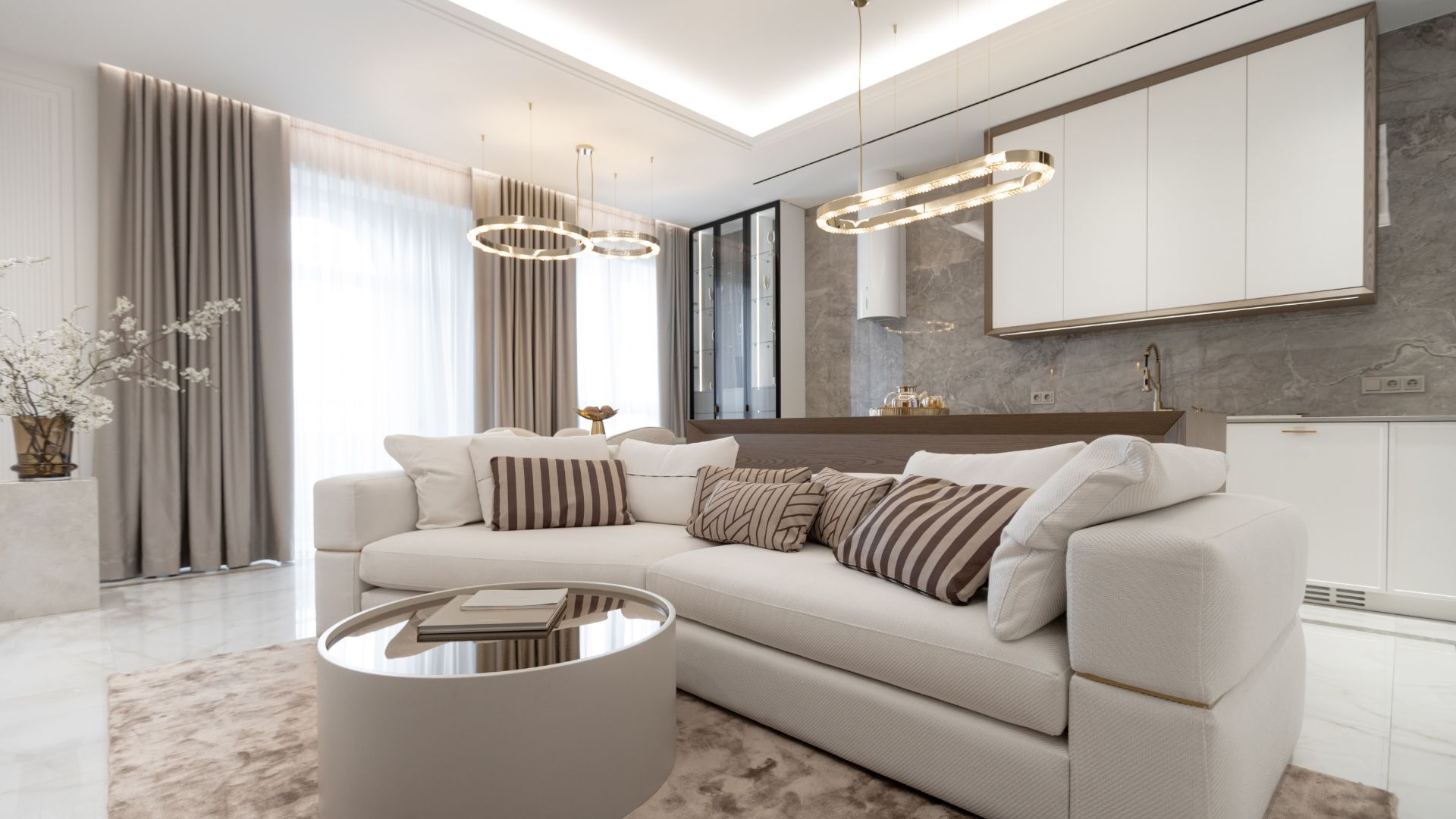
Metis Suspension and Metis Snooker Suspension | Project by InDesign Studio
Common Mistakes to Avoid in Layered Lighting
One of the most common mistakes in interior lighting is relying too heavily on a single overhead source. Even the most beautiful chandelier cannot provide the depth and flexibility that layered lighting offers on its own. Without supporting light sources, interiors often feel either too bright or too flat.
Another frequent issue is using lighting that is too cool. Cooler tones can make interiors feel sterile, especially in spaces designed for relaxation and comfort.
A lack of dimming options is also a missed opportunity. Layered lighting is about adaptability, and dimming is one of the simplest ways to create different moods.
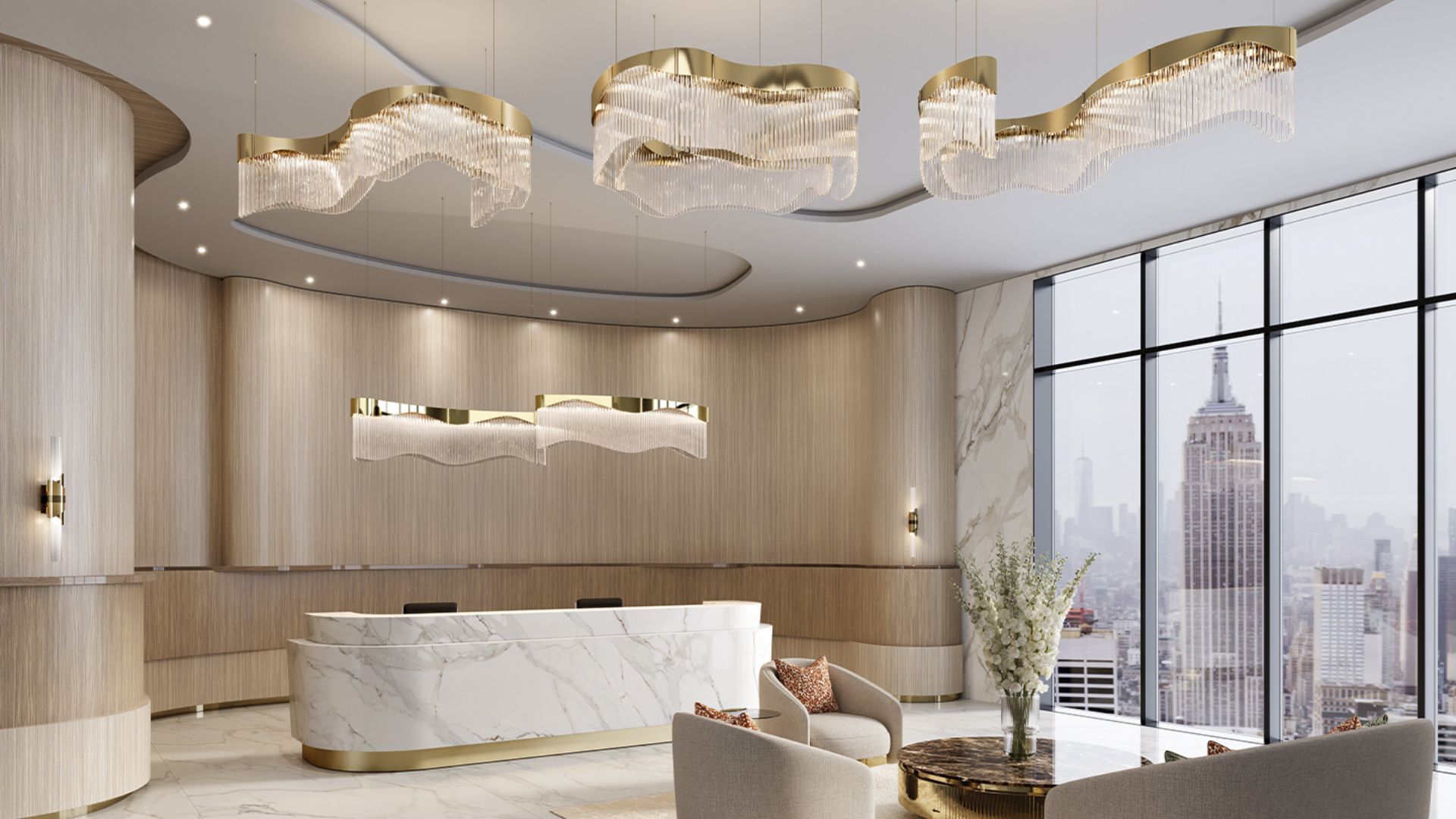
Flow Suspension | Castro Lighting
Designing Atmosphere Through Light
Layered lighting is one of the most important principles in luxury interior design because it transforms spaces beyond aesthetics. It creates comfort, depth, and emotional resonance, allowing interiors to feel refined and adaptable throughout the day.
More than a technical approach, layered lighting is a way of designing atmosphere. When carefully considered, it becomes the foundation of interiors that feel extraordinary.