BLOG & NEWS
Hotel Lighting Design: Creating Atmosphere, Identity and Experience
Hospitality Lighting Design: Creating Memorable Experiences Through Light
In hospitality design, lighting is never just functional, it is experiential. From the first moment a guest enters a space, light defines perception, mood, and memory. Hotel lighting design operates at the intersection of atmosphere and identity. It must balance visual impact with comfort, guiding guests through spaces while subtly reinforcing the character of the environment.
1. The Lobby as a Statement
The lobby sets the tone for the entire experience. Lighting here is often bold, expressive, and intentional, designed to create a lasting first impression. Large-scale fixtures and sculptural compositions establish presence, anchoring the space visually while communicating the identity of the hotel. These elements often resonate with approaches seen in statement chandelier design, where lighting becomes a central feature rather than a background element.
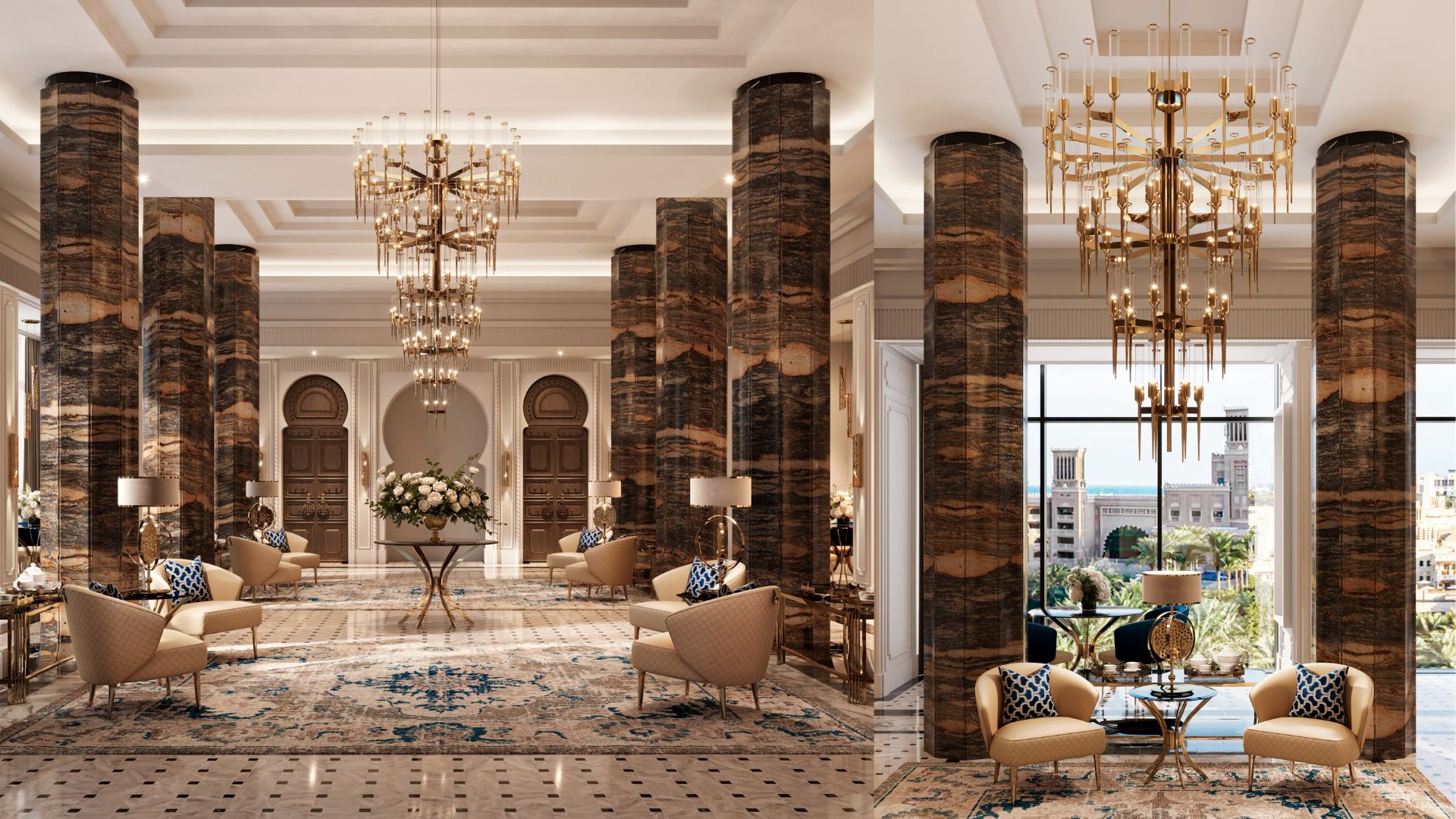
Bespoke of Cielo Suspension for a Hotel Lobby
2. Layered Lighting for Experience
A successful hospitality space relies on layers of light. Ambient, accent, and decorative lighting work together to create depth and flexibility. This layered approach allows the atmosphere to shift throughout the day, from brighter, more functional environments to softer, more intimate settings in the evening. It reflects a broader movement towards architectural lighting design, where light is integrated into the spatial concept rather than added afterwards.
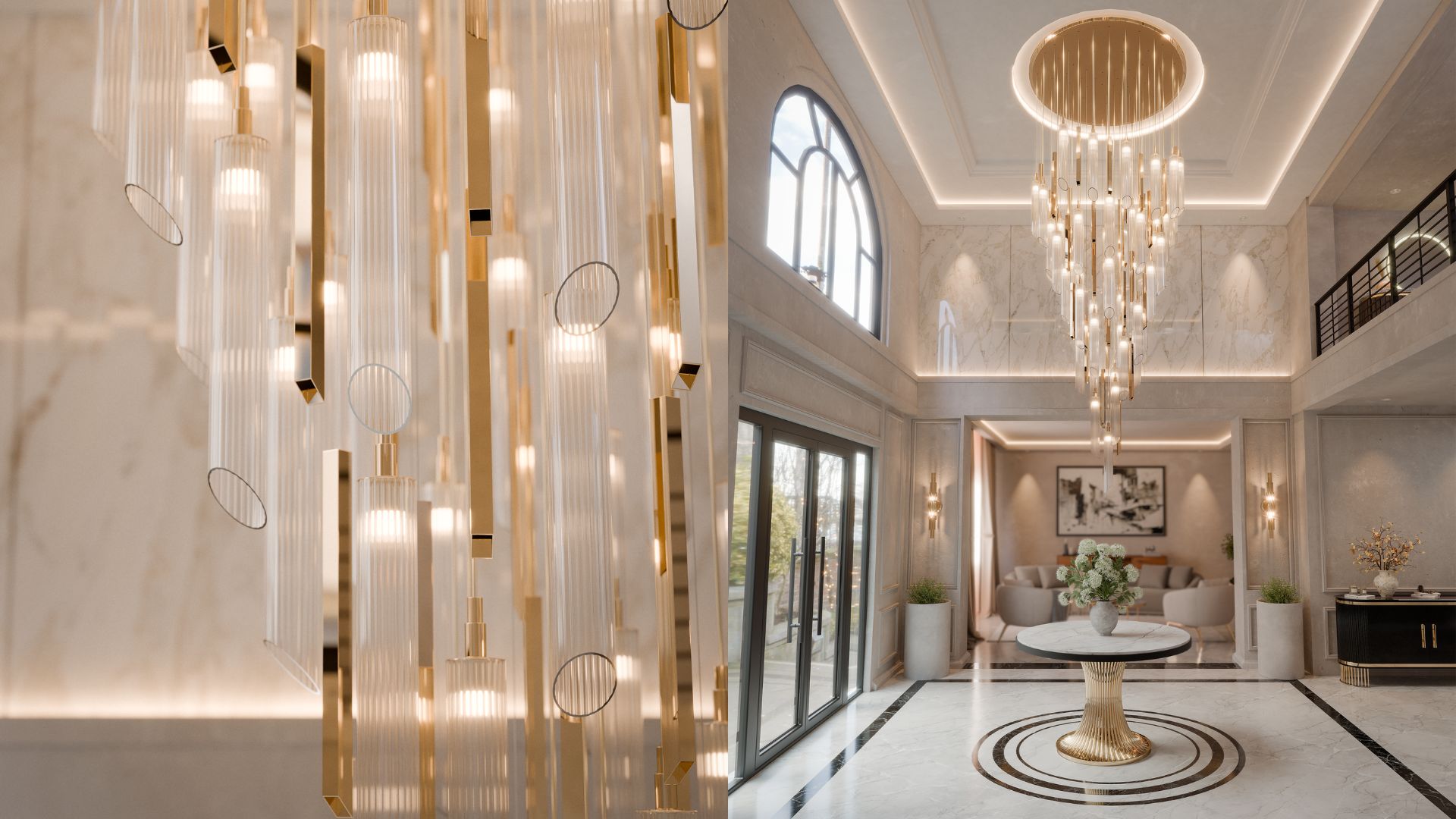
Ray Suspension for a Hotel Lobby
3. Comfort in Guest Rooms
In private spaces, lighting becomes more intimate. Guest rooms require a balance between functionality and comfort, supporting different activities while maintaining a calm and welcoming atmosphere. Soft, indirect lighting reduces visual fatigue, while bedside and task lighting provide precision where needed. The goal is to create an environment that feels both restful and adaptable.
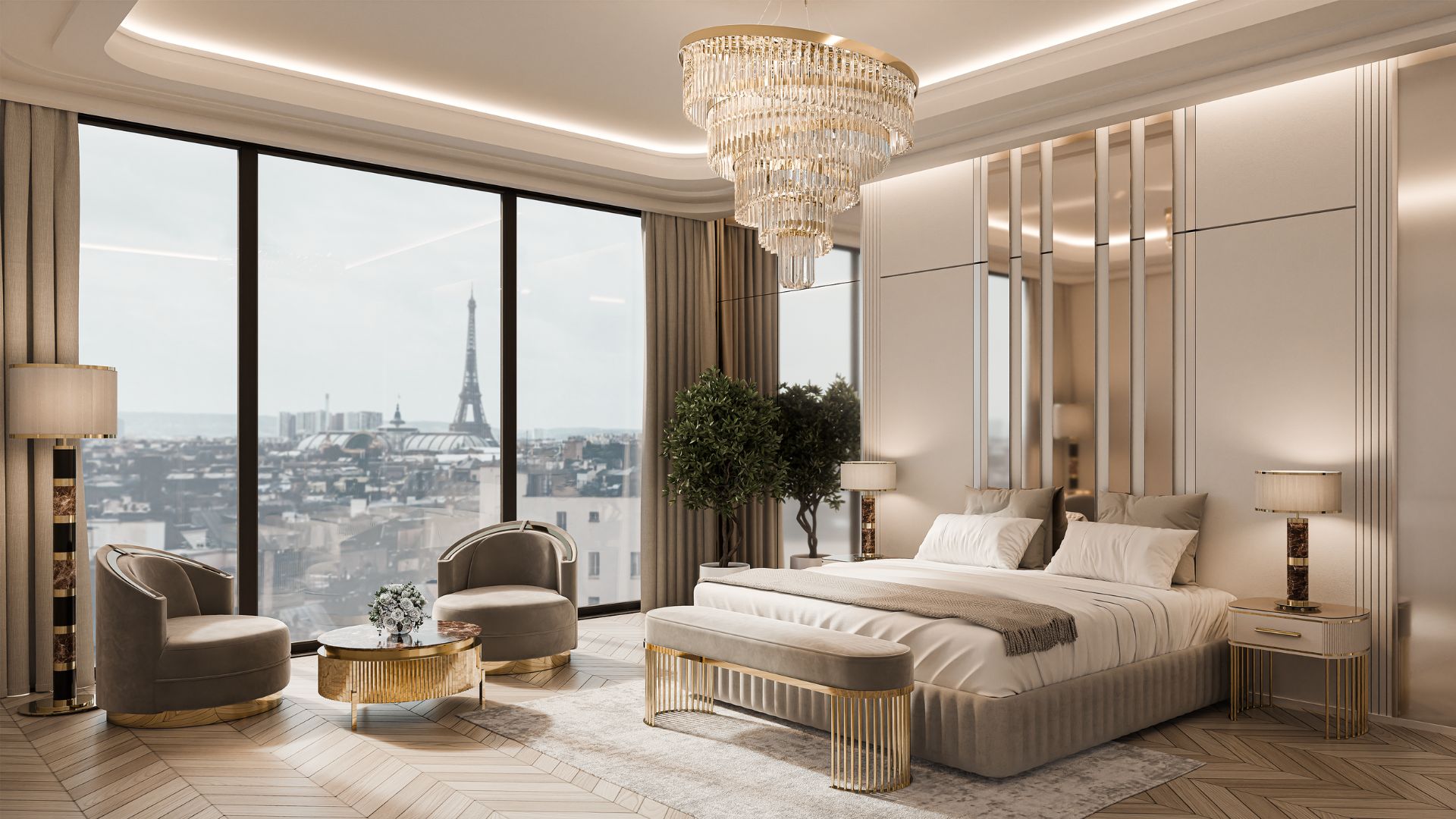
Royal Suspension in a Hotel Guest Bedroom
4. Material and Identity
Material choices play a defining role in how light is perceived. Warm metals, textured glass, and natural finishes influence both the quality of light and the emotional tone of the space. In hospitality projects, lighting often reflects the brand identity of the hotel, whether through refined minimalism, decorative richness, or a more contemporary expression. This relationship between material and light aligns closely with principles found in high-end lighting design.
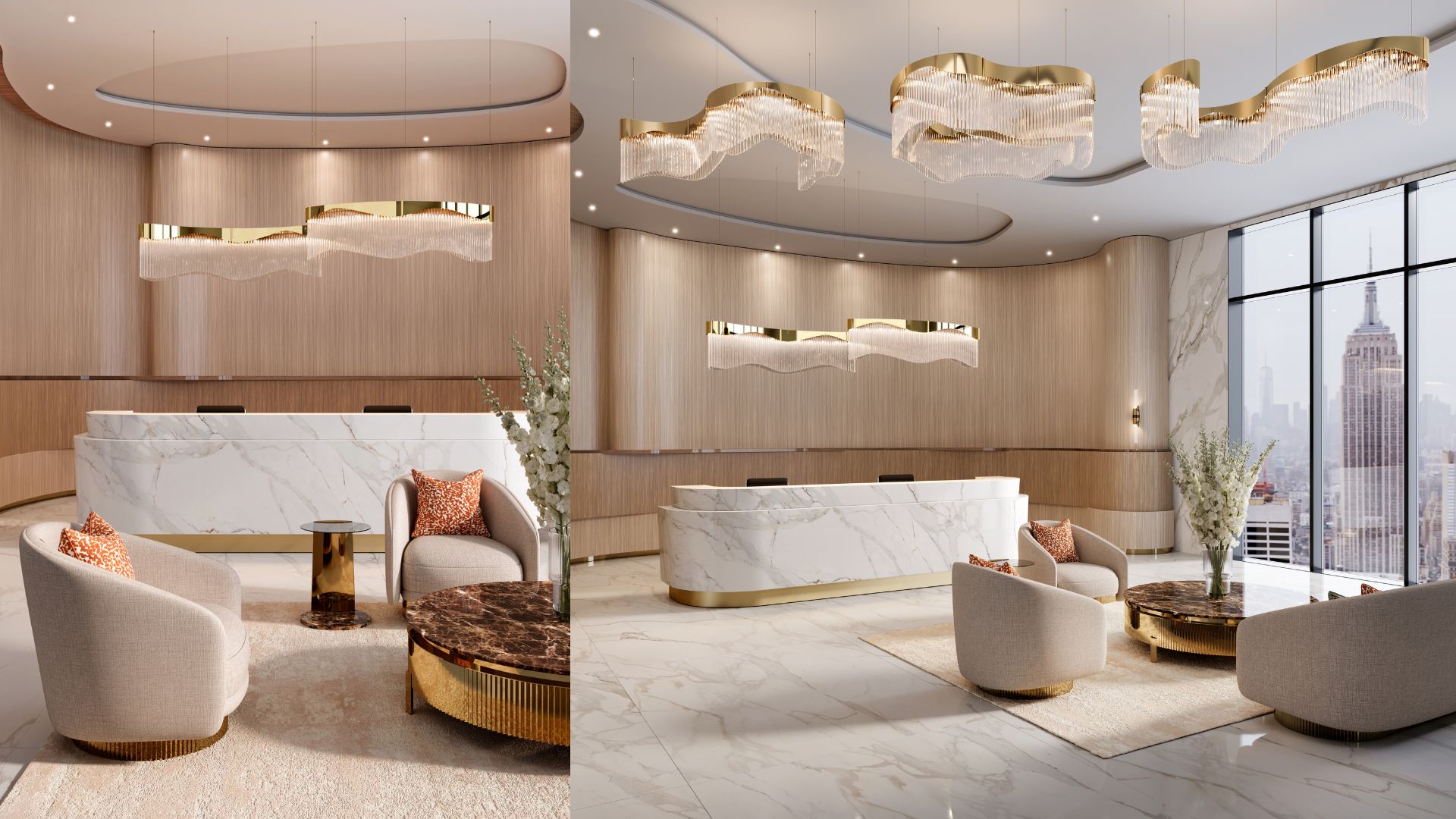
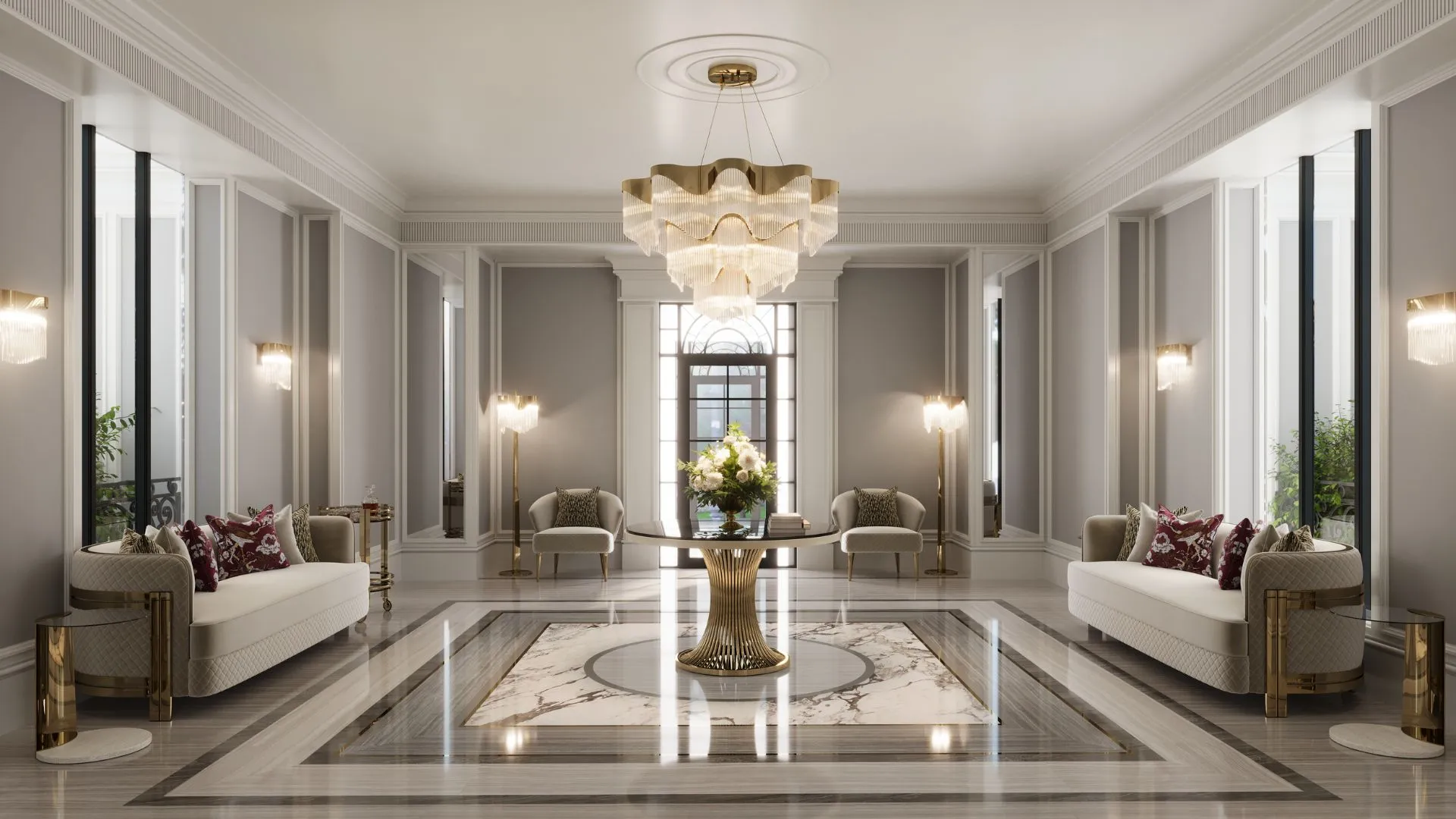
Hotel Lobby with Flow Suspension and Flow Linear
5. Bespoke Lighting Solutions
No two hospitality projects are the same. Custom lighting solutions allow designers to respond to specific architectural conditions and brand narratives. From tailored fixtures to integrated lighting systems, bespoke design ensures that lighting becomes a unique and cohesive part of the project, rather than a generic addition.
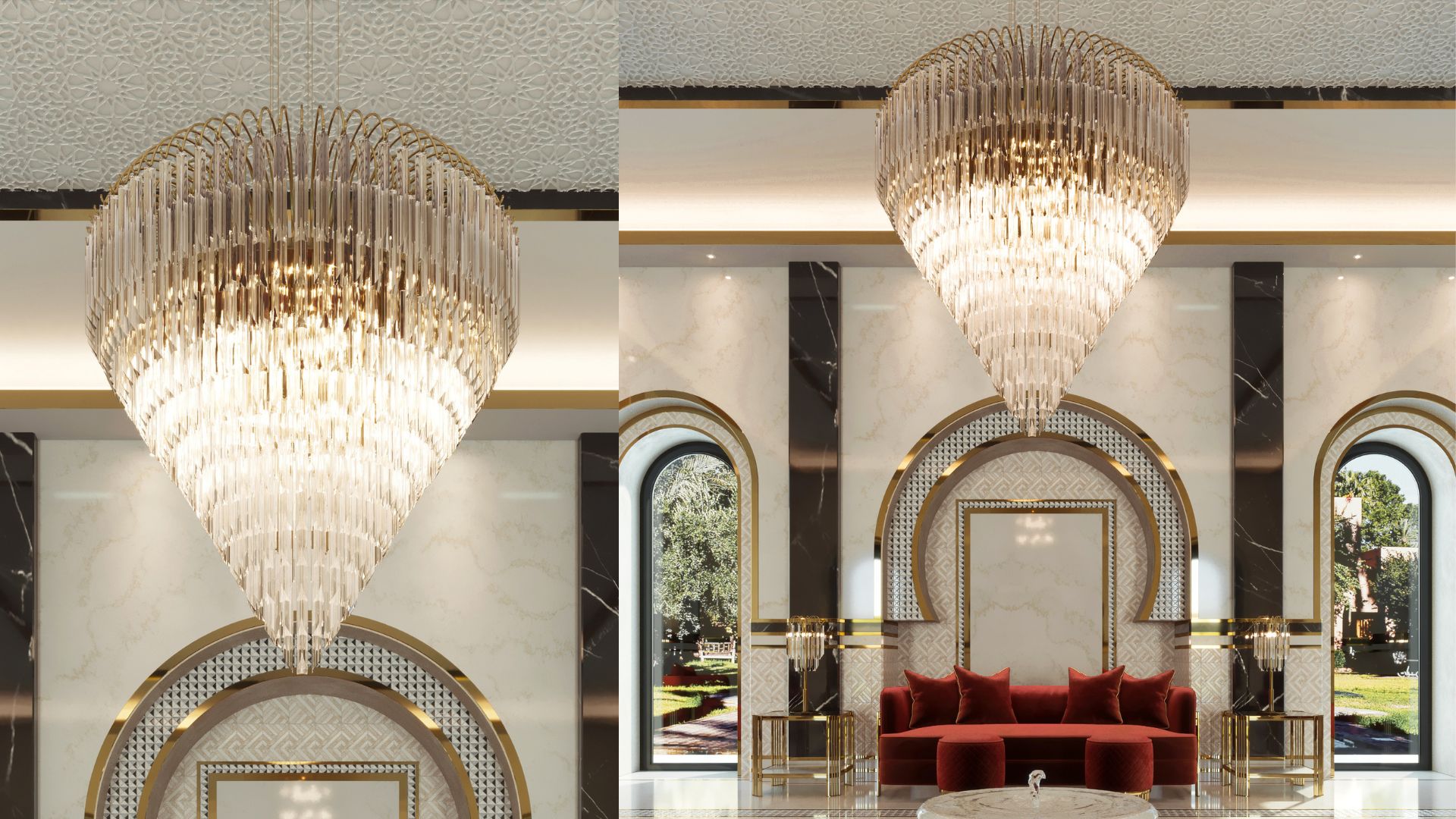
Lotus Suspension in a Hotel Lobby
Hotel lighting design is about more than visibility, it is about creating atmosphere, guiding experience, and expressing identity. Through a considered balance of scale, material, and layering, lighting shapes how spaces are perceived and remembered, becoming an essential element in contemporary hospitality design and a key aspect of modern interior lighting design.