BLOG & NEWS
Sculptural Chandeliers as Art: The Rise of Statement Lighting
Sculptural Chandeliers as Art: The Rise of Statement Lighting
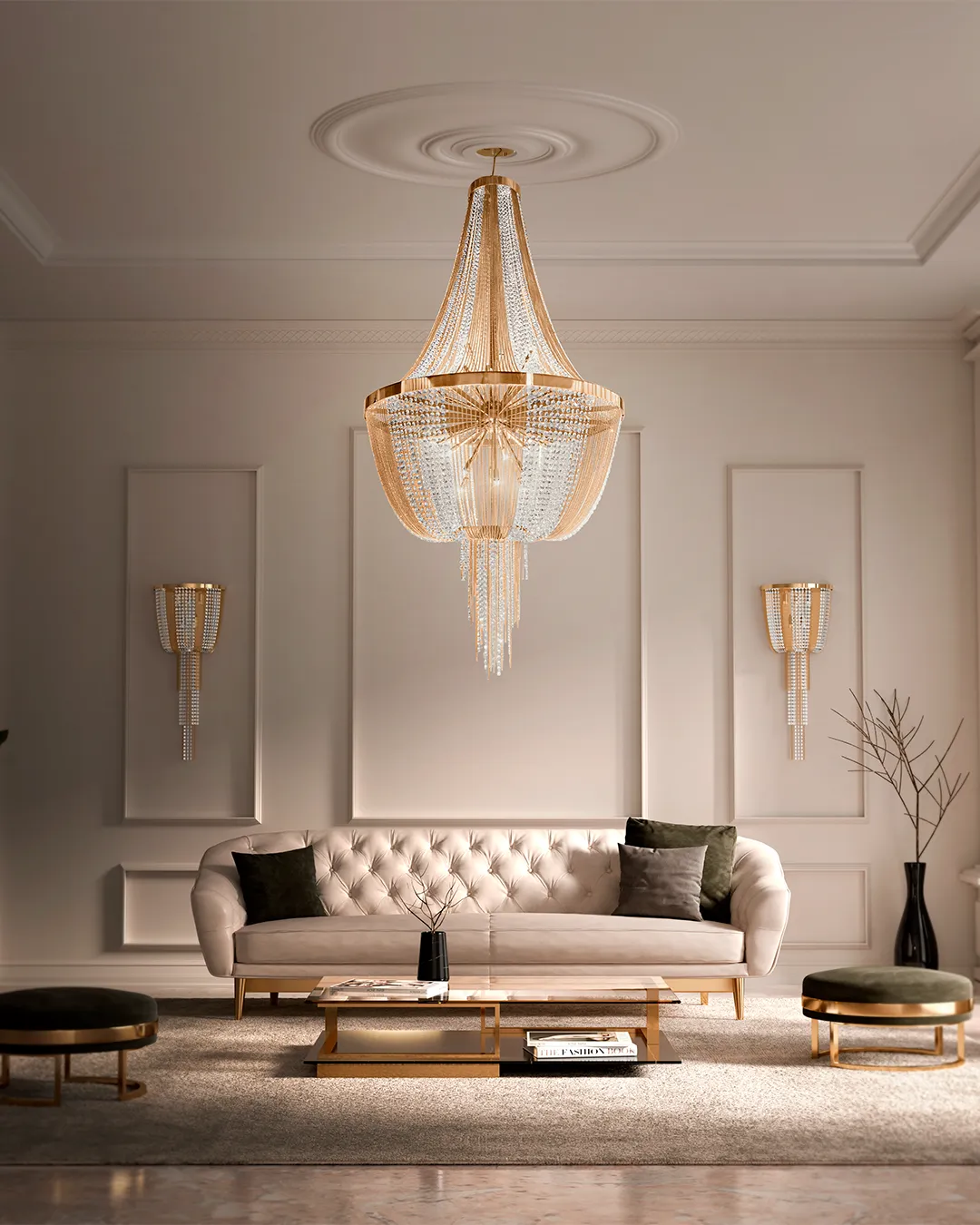
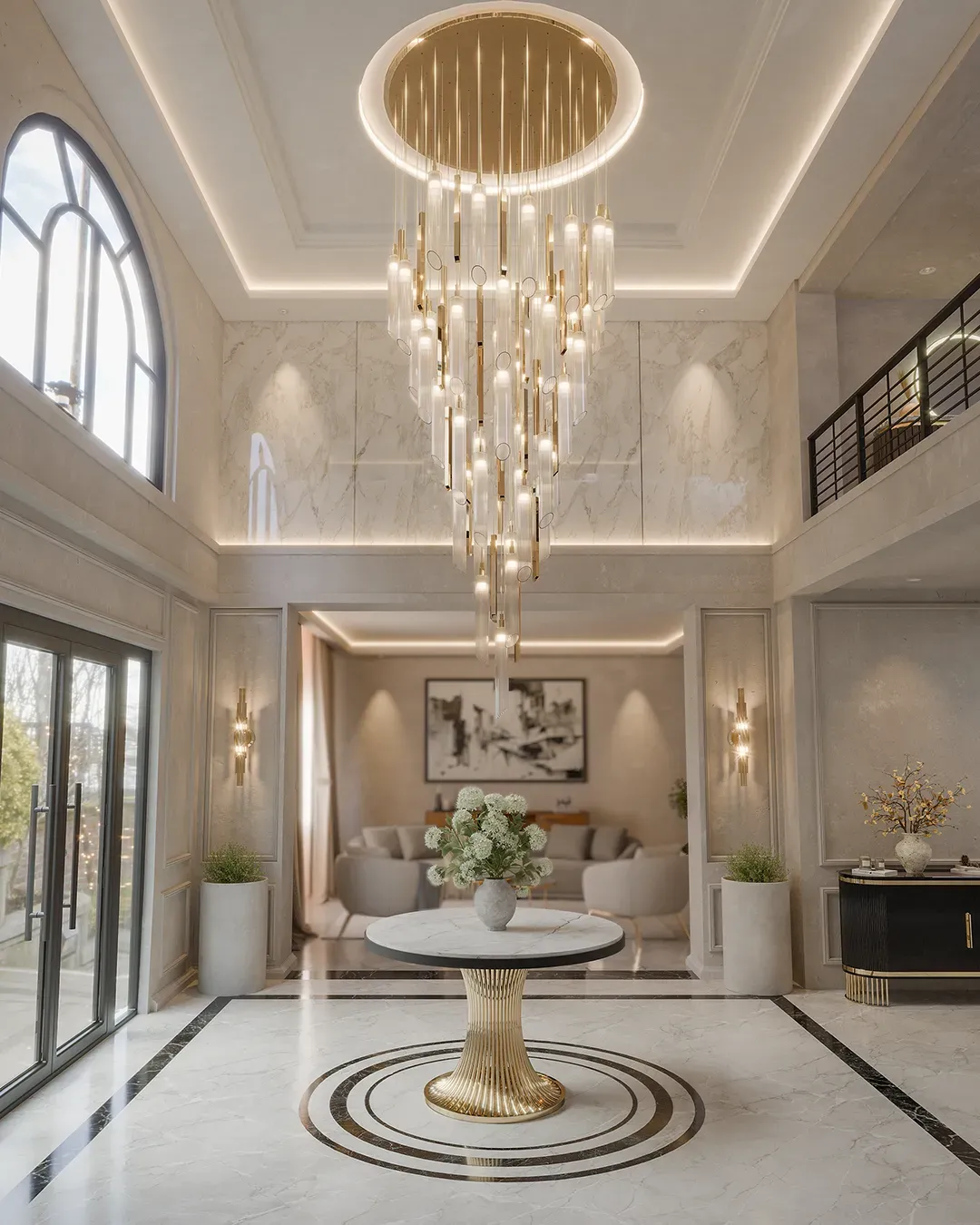
In 2026, chandeliers are no longer chosen simply to illuminate a room. They are selected for the same reason as a sculpture, a painting, or a piece of architecture: to create identity. Across luxury interiors, statement lighting has become one of the most powerful ways to define a space. Chandeliers are now designed as artistic objects, combining light, material, and form in compositions that command attention. This shift reflects a new understanding of luxury. Rather than relying on excess, today’s most remarkable interiors are built around a few carefully chosen pieces with strong visual impact. A sculptural chandelier becomes the centre of the room, shaping the atmosphere and giving the space a distinctive character.
Why Sculptural Chandeliers Are Trending?
The rise of open-plan interiors, double-height spaces, and minimalist architecture has created a need for lighting with more presence. In highly simplified interiors, furniture and decorative elements are often reduced. As a result, the chandelier becomes the focal point, the element that introduces movement, scale, and personality. A sculptural chandelier does more than provide light. It creates rhythm within the architecture and draws the eye through the room. In large living rooms, staircases, and hotel lobbies, statement chandeliers transform empty vertical space into a memorable experience.
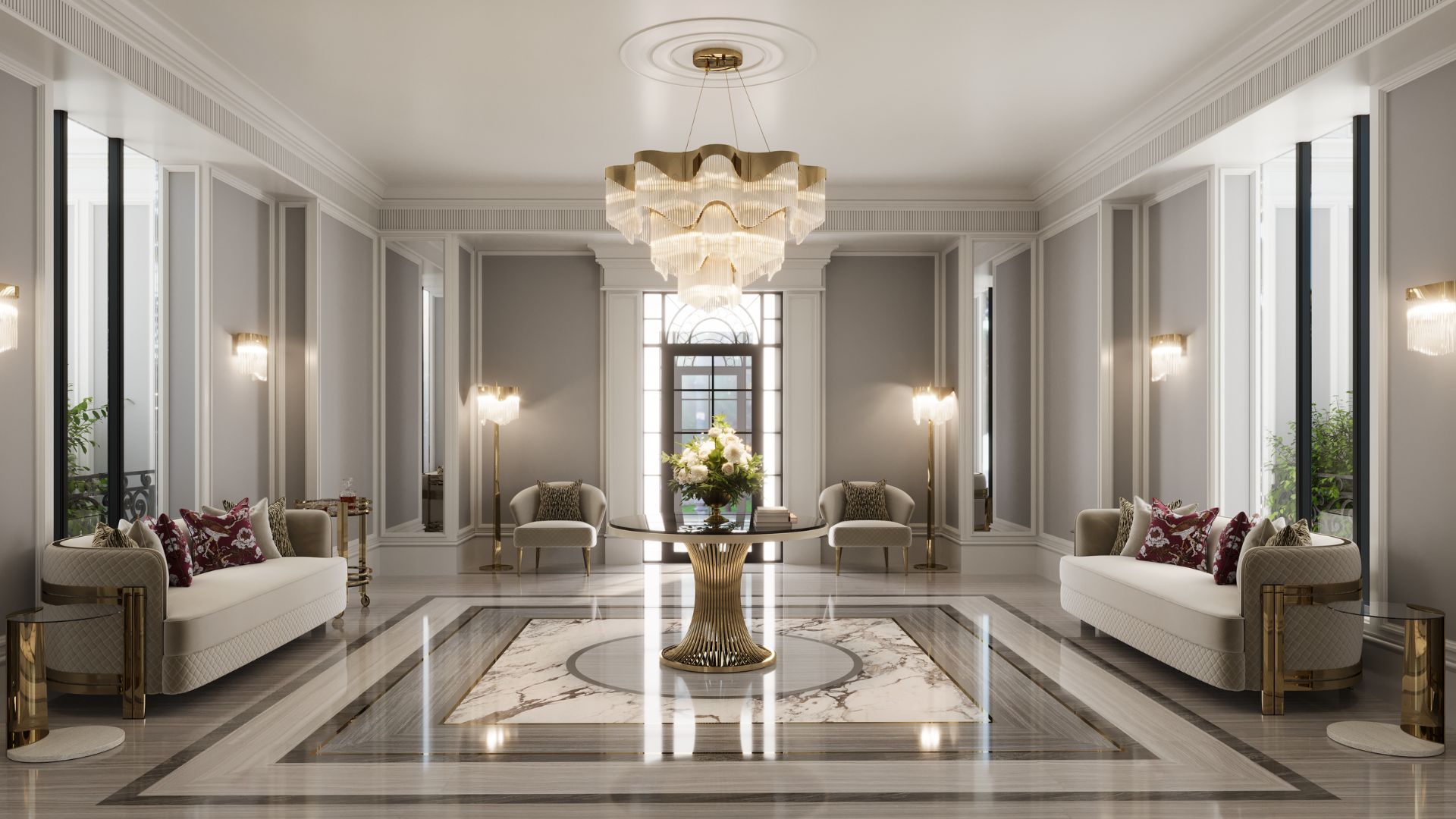
This is why sculptural lighting has become one of the defining chandelier trends of 2026.
The Difference Between a Chandelier and a Sculptural Chandelier
Traditional chandeliers are often designed around symmetry and repetition. Sculptural chandeliers, by contrast, are more expressive.
They may feature:
Organic forms inspired by nature; Asymmetrical or floating compositions; Layered structures that create depth; Geometric arrangements with strong architectural presence; Materials used in unexpected ways.
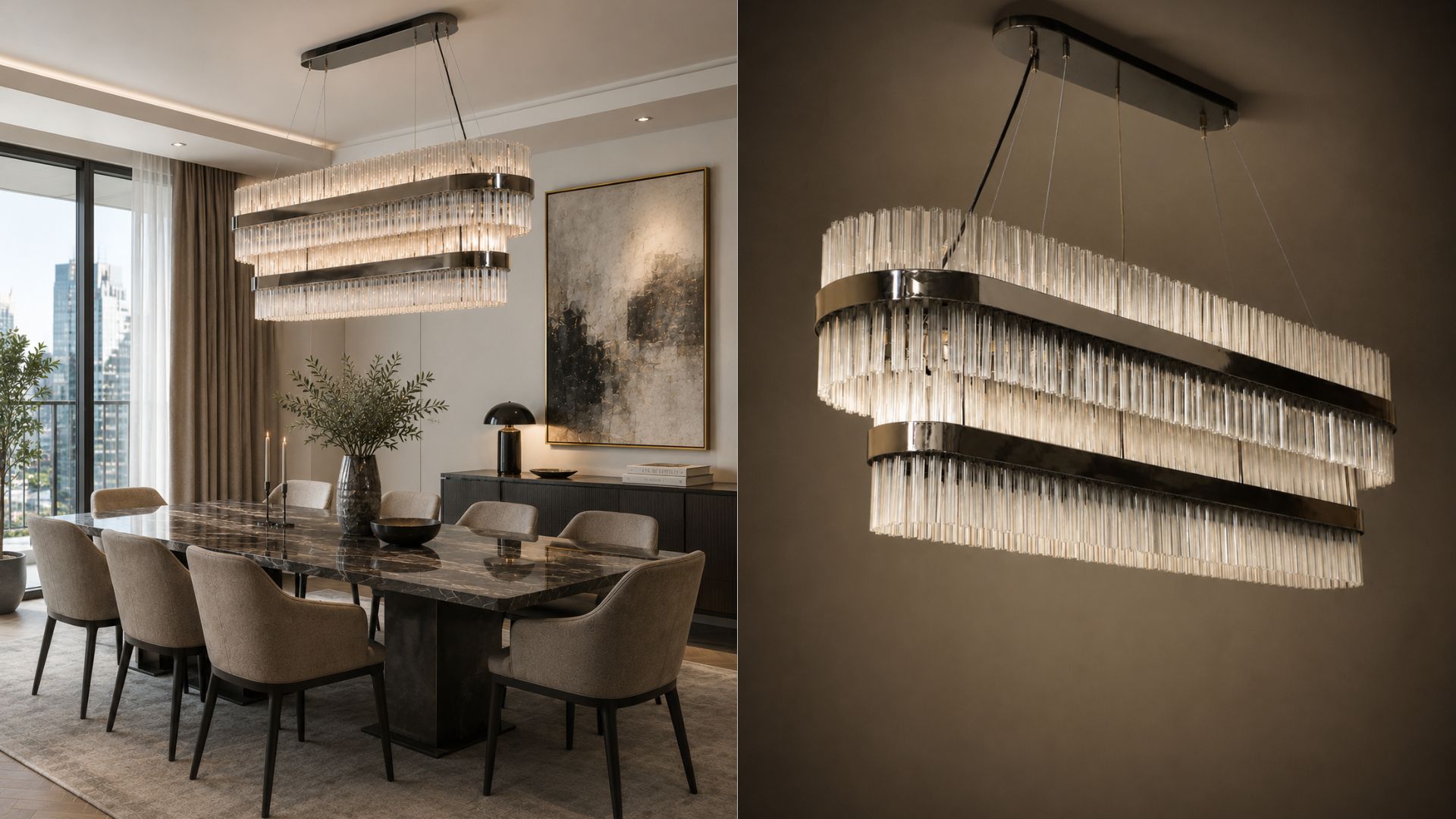
Rather than blending into the room, a sculptural chandelier becomes an integral part of the interior design.
Organic Forms and Natural Inspiration
One of the strongest trends in statement lighting is the use of organic forms. Designers are increasingly inspired by the movement of branches, water, clouds, and natural landscapes. These references bring softness and fluidity into interiors, particularly when the surrounding architecture is highly structured. The Rainforest Suspension is a perfect example. Its branching composition and layered light elements create the impression of a living form suspended in space. Flow Suspension follows a similar philosophy, using fluid lines and curved elements to create movement. Rather than appearing static, the chandelier seems to evolve depending on the angle from which it is viewed.
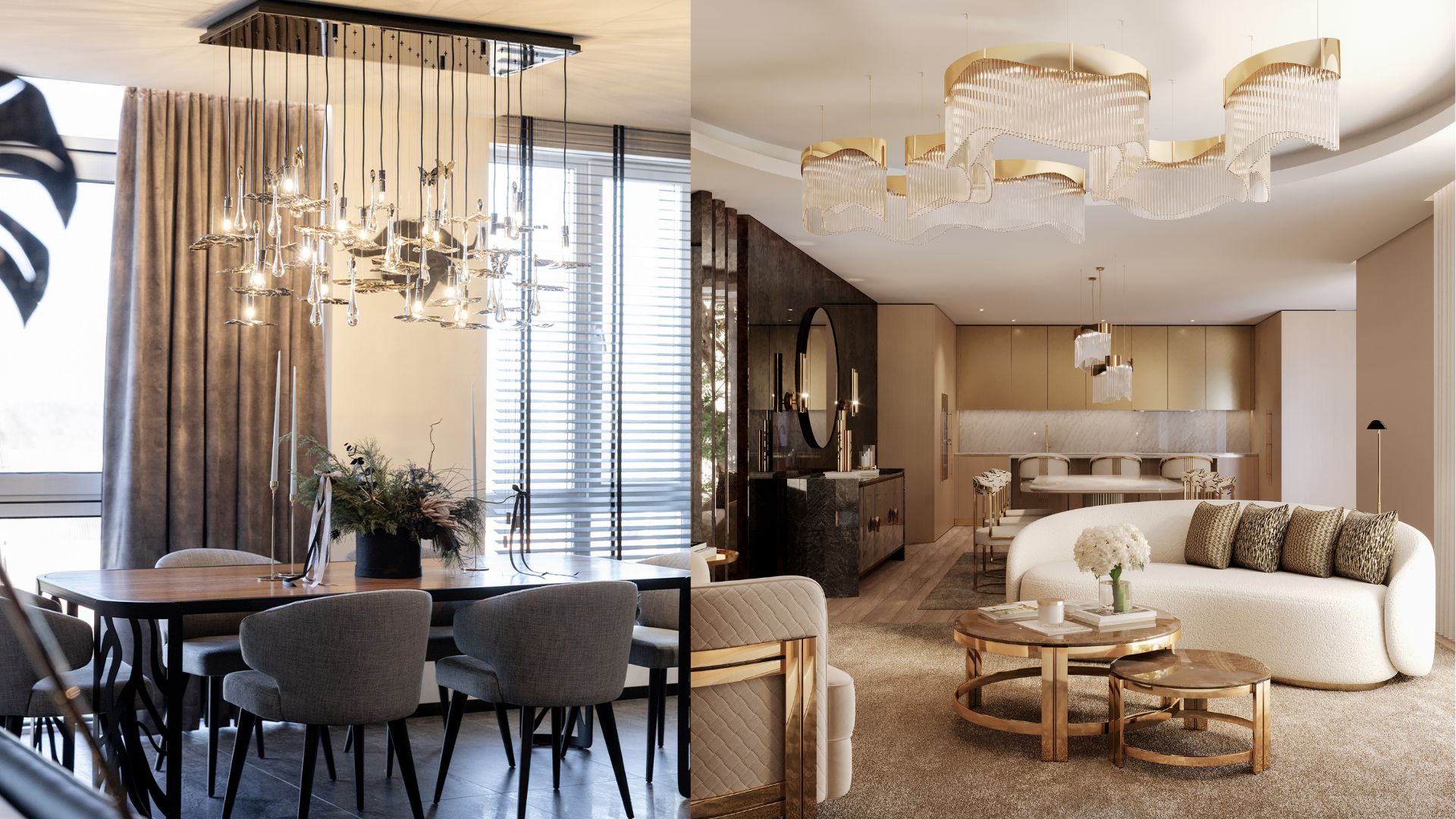
Rainforest Suspension and Flow Suspension
These organic chandeliers work particularly well in contemporary living rooms, staircases, and hospitality interiors where a softer, more welcoming atmosphere is desired.
Geometric and Architectural Chandeliers
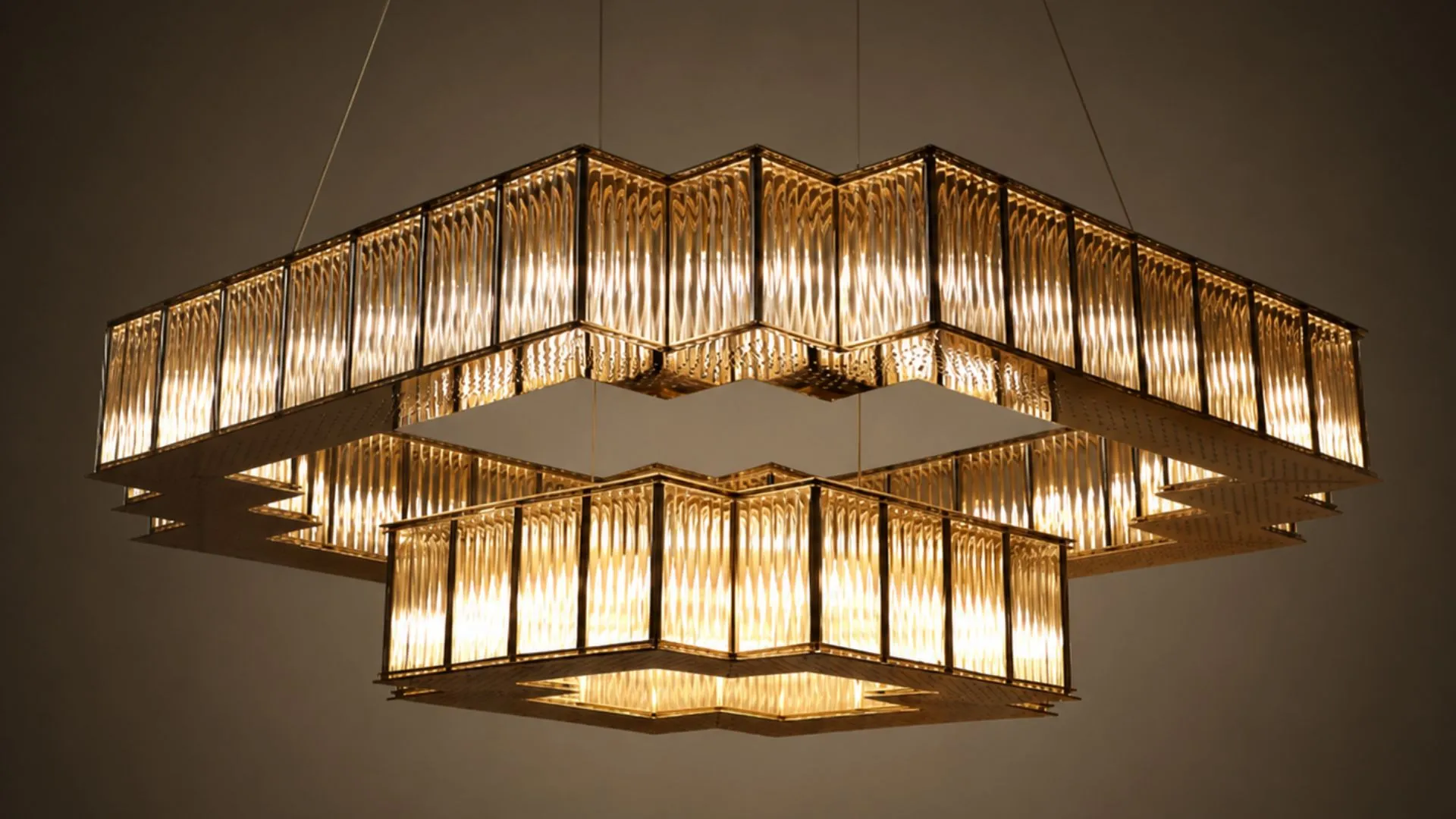
While some sculptural chandeliers are inspired by nature, others take inspiration from architecture. Geometric chandeliers use clean lines, repetition, and balance to create a striking visual effect. Their impact comes from precision and proportion rather than decoration. Metis Suspension embodies this trend. Its minimalist composition and floating geometric structure create a chandelier that feels both modern and architectural. Skylar Suspension offers a bolder interpretation, combining linear forms and rounded details in a design that feels futuristic and timeless at the same time.
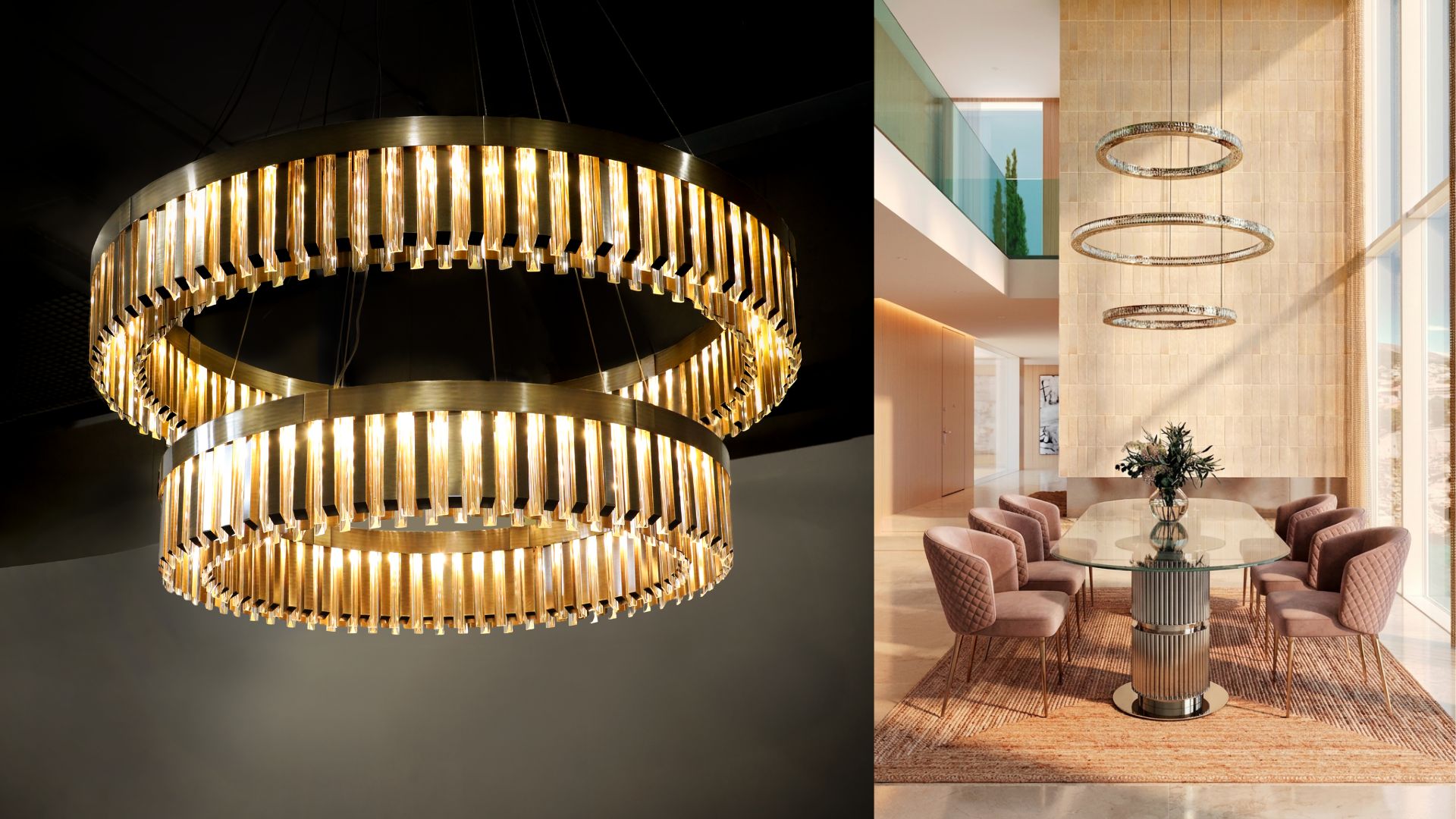
Skylar Suspension Bespoke and Metis Suspension
These contemporary chandeliers are ideal for modern interiors, open-plan living spaces, and luxury entrance halls where a stronger architectural presence is required.
Statement Through Scale
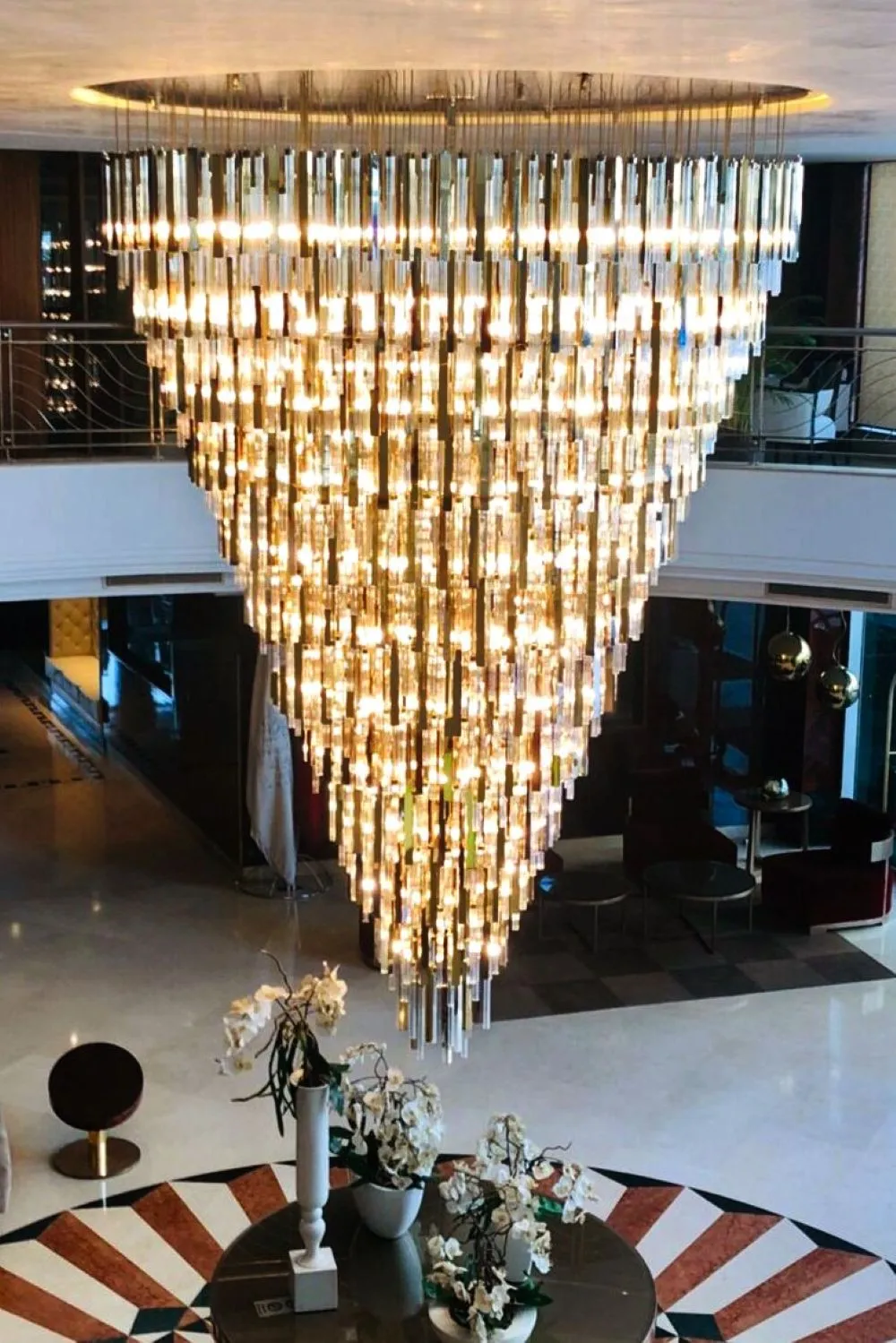
Scale is one of the most important aspects of sculptural lighting. In large interiors, a chandelier must do more than fill the space; it must anchor it.
Oversized statement chandeliers are increasingly used in:
Double-height foyers; Grand staircases; Hotel lobbies; Large dining rooms; Open-plan living spaces.
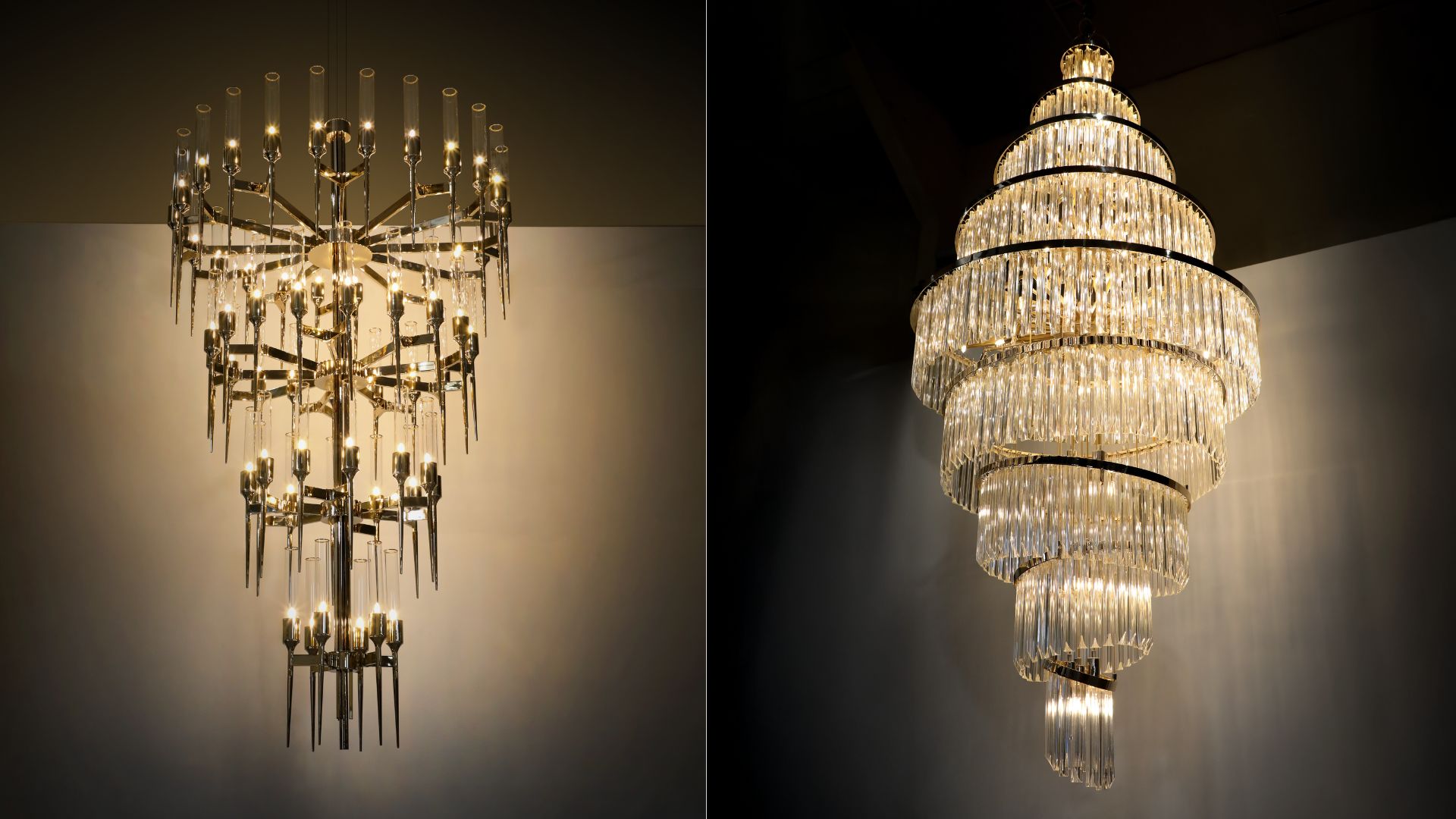
Cielo Chandelier Bespoke and Royal Suspension Bespoke
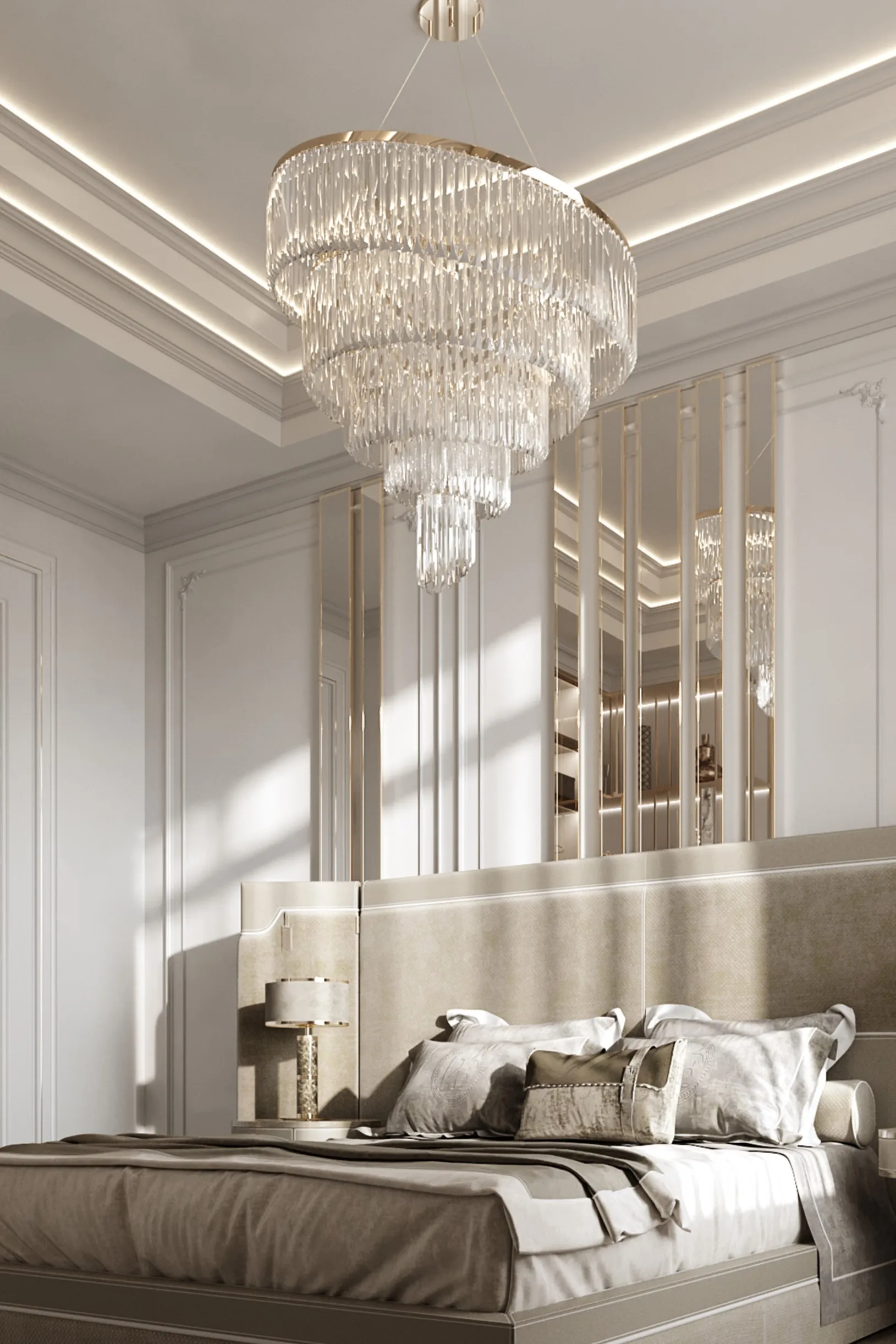
Collections such as Royal Chandelier and Cielo Chandelier demonstrate how scale can create drama without sacrificing elegance. Their layered forms and generous proportions allow them to become the visual centre of the room. The most successful statement chandeliers are not necessarily the most elaborate. Instead, they rely on proportion, repetition, and the relationship between light and space.
How to Style a Sculptural Chandelier
Because a sculptural chandelier is already a strong visual element, the surrounding interior should support it rather than compete with it.
To create balance:
Keep the furniture and surrounding lighting relatively simple; Repeat the chandelier’s materials elsewhere in the room; Use neutral tones to allow the chandelier to stand out; Position the chandelier where it can be appreciated from multiple viewpoints.
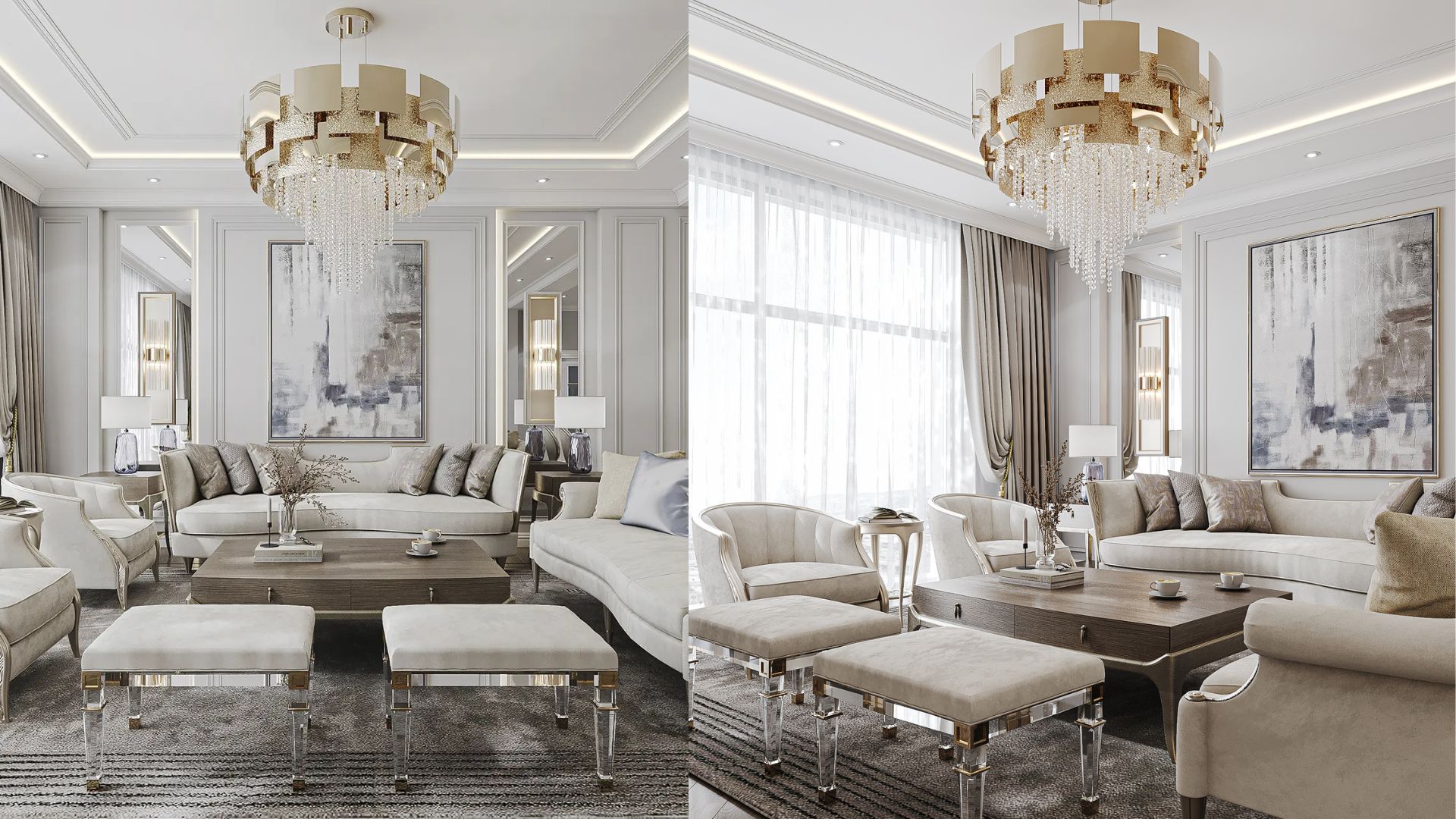
In a staircase, this may mean suspending the chandelier through the centre of the stair void. In a dining room, it should align perfectly with the table below. In a double-height entrance, the chandelier should sit within the centre of the vertical volume.
Bespoke Statement Lighting
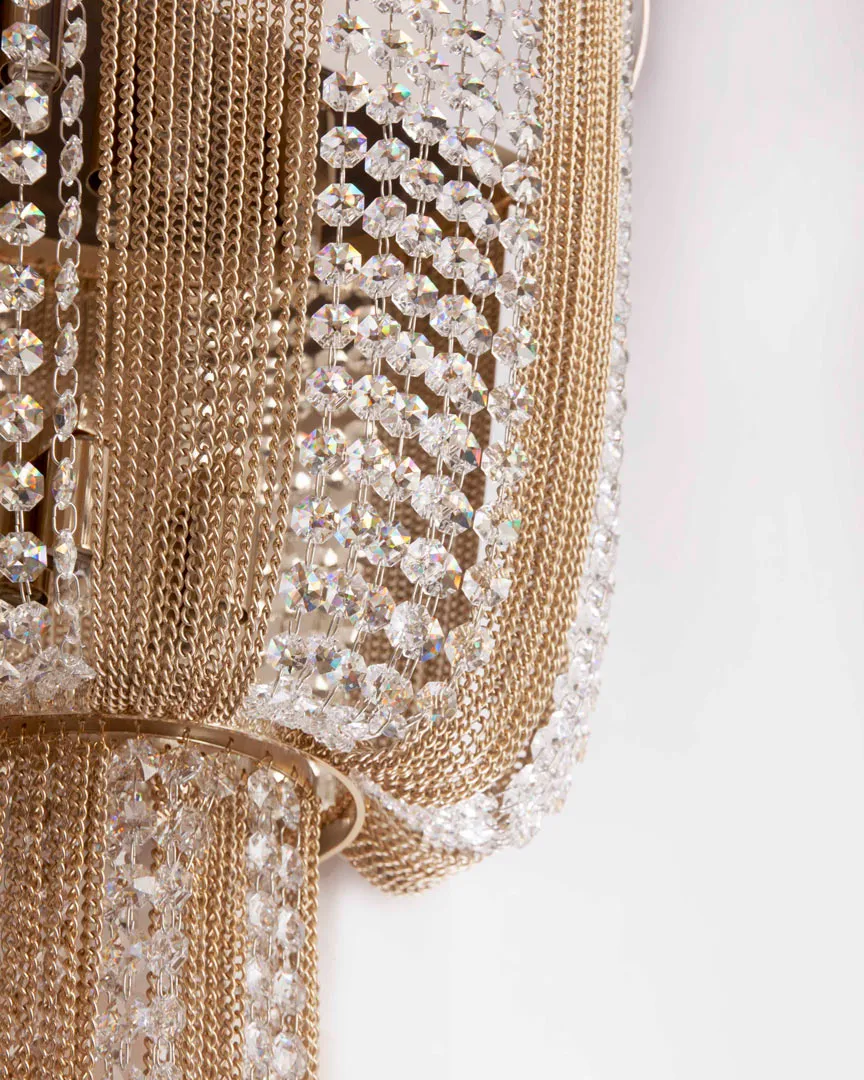
No two interiors are the same, which is why bespoke statement lighting has become increasingly important. Custom chandeliers allow designers to adapt the scale, composition, and materials to the architecture of the room. A sculptural chandelier can be extended vertically for a staircase, widened for a large dining room, or adapted to follow the shape of a curved ceiling.
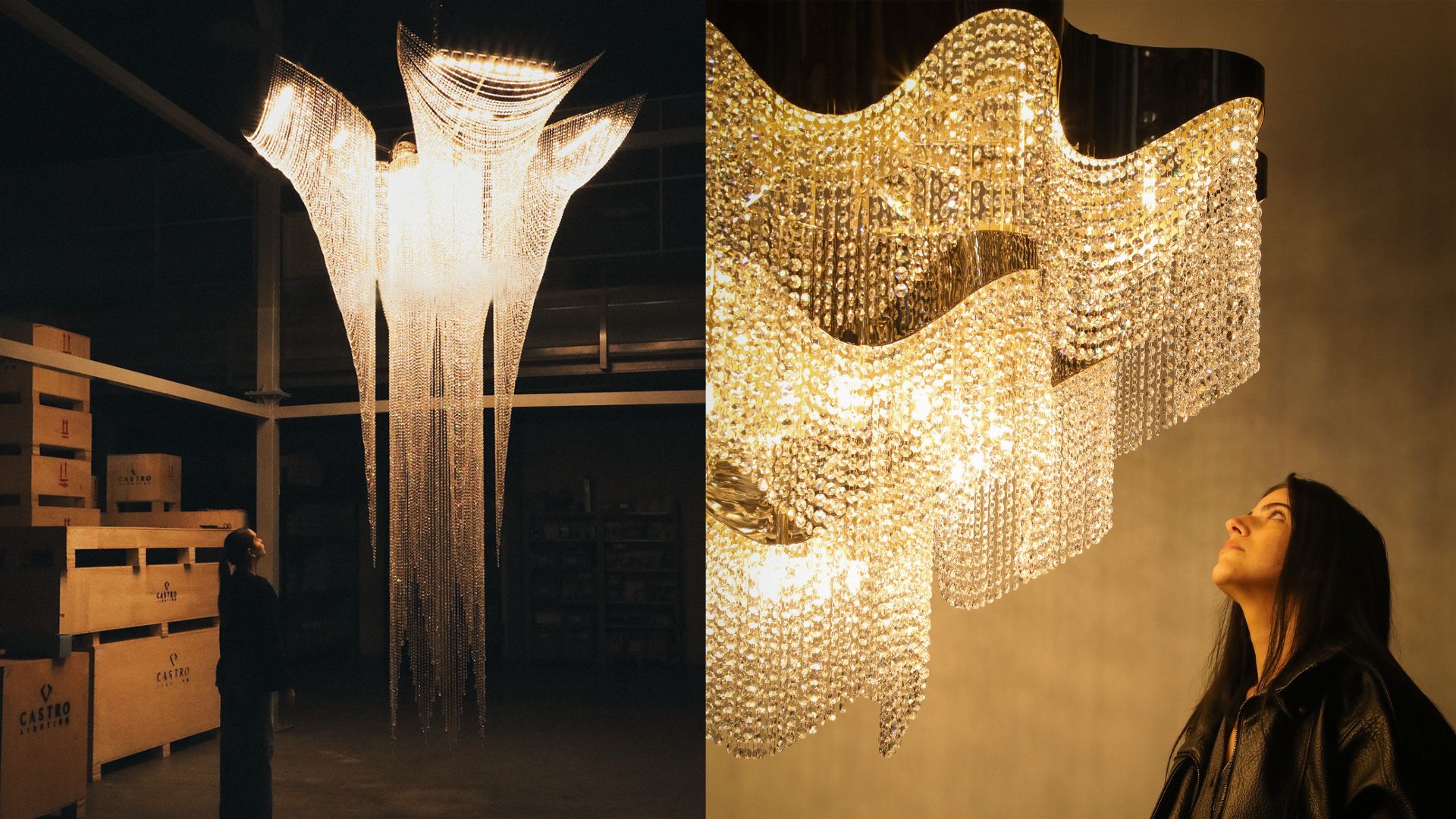
Atlantida Suspension and Flow Chandelier
This level of personalisation transforms the chandelier into something unique, not simply a lighting fixture, but a piece of art designed specifically for the space.
The rise of sculptural chandeliers reflects a wider change in interior design. Lighting is no longer treated as a secondary detail, but as one of the most important elements in a room. Whether through the organic movement of Rainforest and Flow, the architectural precision of Metis and Skylar, or the grand scale of Royal and Cielo, statement lighting has become a new form of art. In 2026, the most remarkable chandeliers are those that do more than illuminate. They transform space, define atmosphere, and leave a lasting impression.